
Layering necklaces is a powerful way to elevate any outfit, adding depth, texture, and personality to your look. Whether you're dressing up for an event or enhancing a casual ensemble, a well-curated stack of chains can make a bold style statement. However, one persistent frustration many face is the inevitable tangling that occurs throughout the day. Knots not only ruin the aesthetic but can also damage delicate chains over time. The good news? With thoughtful selection, intentional styling, and smart daily habits, you can maintain a beautifully layered look from morning to night—without the tangles.
Choose the Right Chain Types and Lengths
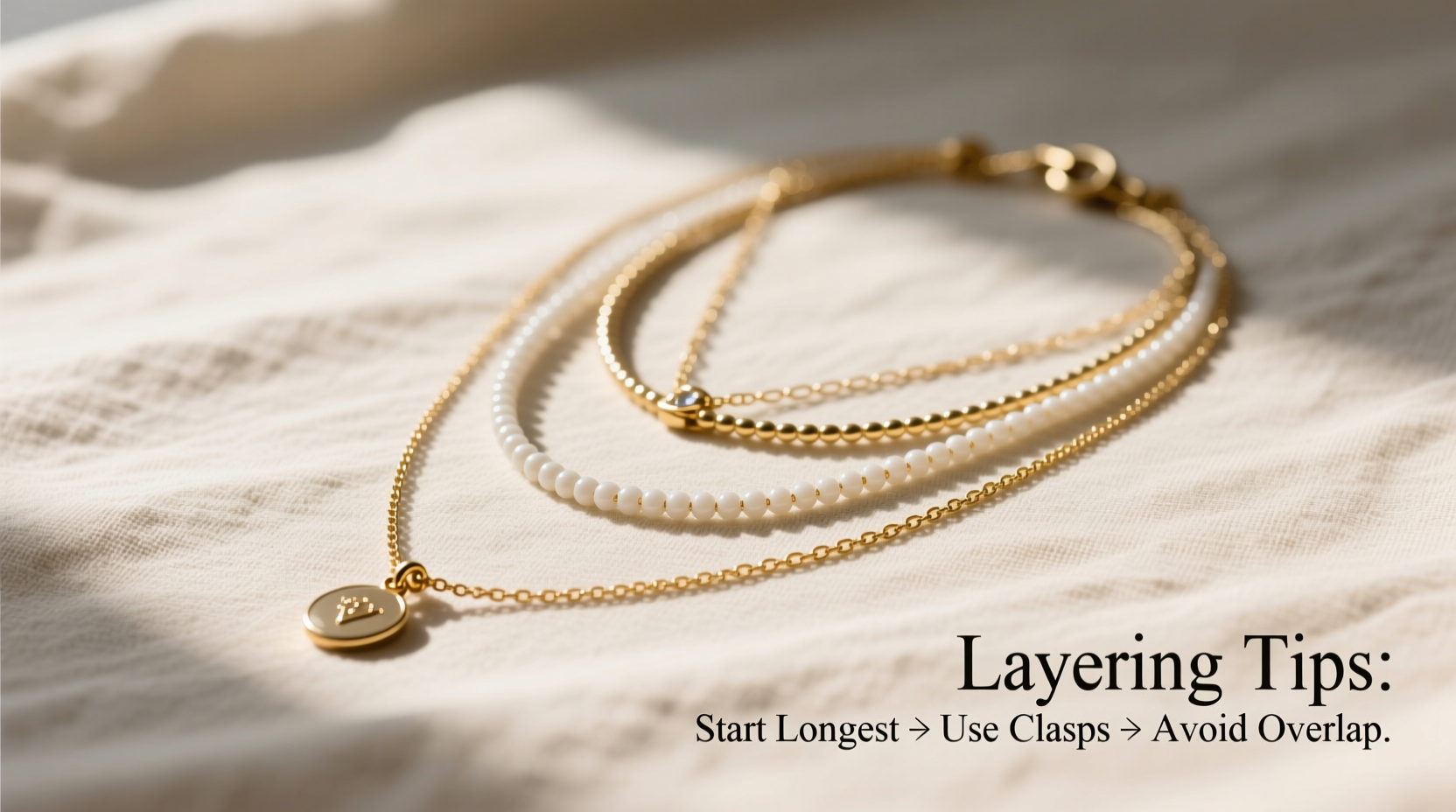
The foundation of tangle-free necklace layering begins with selecting complementary pieces. Not all chains behave the same way when stacked. Some are naturally more prone to twisting and knotting due to their structure, weight, or clasp design.
Opt for chains with different weights and textures. For example, pairing a fine cable chain with a chunkier rope or box chain reduces surface friction and minimizes contact points where tangles typically form. Similarly, avoid stacking multiple ultra-thin chains—they tend to slip and wrap around each other easily.
Length variation is equally important. A common rule in jewelry layering is to space each necklace at least 1–2 inches apart in length. This prevents overlapping and allows each piece to sit independently on the collarbone or chest. A typical layered set might include:
- Choker: 14–16 inches (sits snugly at the base of the neck)
- Princess: 17–19 inches (falls just below the collarbones)
- Matinee: 20–24 inches (drapes mid-chest)
- Opera: 28–34 inches (ideal as a long anchor piece)
Spacing your lengths strategically creates visual separation and physical distance between chains, reducing the chance they’ll twist together during movement.
Secure Clasps and Prevent Slippage
One of the leading causes of midday tangles is clasp slippage. When clasps slide along the chain or loosen slightly, the necklace shifts unpredictably, increasing the likelihood of wrapping around adjacent pieces. Lobster clasps are generally more secure than spring rings, especially for heavier chains. If you frequently experience clasp issues, consider upgrading to magnetic clasps with safety catches or using a small amount of clear nail polish on screw-type closures to reduce loosening.
Another effective trick is to attach a tiny drop of clear, non-toxic jewelry glue to threaded screw clasps. This adds just enough resistance to prevent accidental opening without making removal difficult. Always test this method on a spare clasp first to ensure it doesn’t compromise future adjustments.
To further stabilize your layers, consider using extender chains or adjustable sliders. These allow you to fine-tune fit and balance, ensuring each necklace rests exactly where intended. A necklace that constantly rides up or slips down is more likely to interact with others and cause knots.
Step-by-Step Guide: How to Put On Layered Necklaces Without Tangling
Even the best-designed stacks can fall victim to chaos if applied incorrectly. Follow this step-by-step process every morning to keep your layers neat and organized:
- Start with the longest necklace. Place it around your neck first so it sits deepest on your chest. This serves as the foundation layer.
- Fasten the clasp securely. Ensure it’s fully closed and positioned at the back. Gently tug on both sides to confirm stability.
- Add the next shortest necklace. Slide it over your head and position it above the first, letting it rest higher on your neck.
- Repeat, working upward in length. Continue adding shorter pieces until all are in place.
- Adjust positioning gently. Use your fingers to align pendants or center focal points. Avoid pulling chains across one another.
- Check movement. Turn your head side to side and move your arms to simulate daily motion. Make micro-adjustments if needed.
This bottom-up approach minimizes chain interference during application and keeps each piece isolated during placement. Rushing this process—or putting on multiple necklaces simultaneously—is a fast track to early-morning tangles.
Storage Solutions That Prevent Tangles Before They Start
How you store your necklaces overnight directly impacts their behavior the next day. Throwing them into a drawer or tossing them onto a nightstand invites knots before you even begin layering.
Invest in a dedicated jewelry organizer with individual hooks or slots. Vertical display racks allow chains to hang freely, maintaining their natural drape and preventing cross-contact. Felt-lined trays with dividers are excellent for shorter pieces, while wall-mounted stands keep longer chains separated and visible.
If space is limited, try the “roll-up” method: lay a soft cloth flat, arrange each necklace in a spiral pattern without touching, then roll the cloth tightly and secure with a ribbon. This protects chains and keeps them ready for quick retrieval.
| Storage Method | Best For | Tangle Prevention Level |
|---|---|---|
| Hanging Jewelry Stand | All chain types, especially long layers | ★★★★★ |
| Felt Tray with Dividers | Fine chains, chokers, pendant necklaces | ★★★★☆ |
| Travel Roll-Up Pouch | On-the-go organization | ★★★★☆ |
| Drawer Dump (No System) | None – high risk | ★☆☆☆☆ |
Real Example: Sarah’s Commute Fix
Sarah, a marketing executive in Chicago, loved wearing three layered necklaces to work—a delicate initial pendant at 16 inches, a medium-link chain at 18 inches, and a bold bar necklace at 22 inches. By noon, however, she’d often find them twisted into a tight knot behind her neck, requiring a bathroom mirror session to untangle.
After consulting a local jeweler, she made three key changes: First, she replaced the spring ring clasp on her longest chain with a lobster clasp. Second, she began storing her necklaces on a small acrylic stand by her vanity instead of in a cluttered jewelry box. Finally, she adjusted her routine to put on the longest piece first, followed by the others in ascending order.
Within a week, the tangles stopped. “I didn’t realize how much my old clasp was slipping,” she said. “Now I can wear my favorite stack all day—even during Zoom calls and coffee runs—without worrying about mess.”
Expert Insight: What Jewelers Recommend
Professional jewelers see the consequences of tangled chains daily—not just in customer complaints, but in damaged solder joints, stretched links, and broken jump rings. Their advice emphasizes prevention through design and discipline.
“Most necklace tangles happen because people underestimate movement. Every time you turn your head, reach for something, or adjust your collar, your chains shift. The solution isn’t just better storage—it’s smarter stacking.” — Rafael Mendez, Master Jeweler & Owner of Lumina Fine Jewelry
Mendez recommends using a “anchor chain” strategy: choose one slightly heavier or textured piece to serve as the base layer. Its weight and rigidity help stabilize lighter chains placed above it. He also advises against mixing too many open-chain designs like trace or curb styles in one stack, as their interlocking nature increases friction.
Checklist: Tangle-Free Necklace Layering Routine
Follow this checklist daily to maintain flawless layers:
- ✅ Inspect each clasp for security before wearing
- ✅ Store necklaces separately using hooks or dividers
- ✅ Select chains with varied lengths (at least 1–2 inches apart)
- ✅ Combine different chain weights and textures to reduce friction
- ✅ Put on necklaces from longest to shortest
- ✅ Avoid excessive spraying of perfume or hairspray directly on jewelry
- ✅ Remove necklaces before exercising, showering, or sleeping
- ✅ Clean chains weekly with a soft cloth to prevent grime buildup that increases stickiness
FAQ: Common Questions About Layering Necklaces
Can I layer necklaces if I have thick or curly hair?
Yes, but be mindful of hair catching on chains. Opt for smaller clasps and smooth finishes. Consider tying hair back during active hours or choosing shorter chokers that stay below hairline level.
What should I do if my necklaces get tangled?
Stay calm and work slowly. Lay the chains flat on a well-lit surface. Use a pin or needle to gently tease apart knots, starting from the outer loop. Never pull—this can stretch or break thin links. For stubborn tangles, apply a tiny drop of baby oil or specialized jewelry lubricant to reduce friction.
Is it safe to wear gold and silver together?
Absolutely. Mixing metals is a modern trend and won’t cause damage. Just be aware that frequent rubbing between dissimilar metals may lead to minor surface scratching over time. Wipe them down after wear to remove moisture and oils.
Final Thoughts: Style Shouldn’t Come at the Cost of Sanity
Layering necklaces is an art form that blends personal expression with technical precision. While the aesthetic rewards are undeniable, the frustration of constant tangling can quickly overshadow the joy of accessorizing. By choosing the right combinations, adopting a disciplined wearing and storage routine, and learning from expert practices, you can enjoy beautiful, functional layers all day long.
Remember, consistency matters more than perfection. Even small changes—like switching a clasp or reordering how you put on your jewelry—can yield dramatic improvements. Your necklaces deserve care, and you deserve to wear them with confidence.




 浙公网安备
33010002000092号
浙公网安备
33010002000092号 浙B2-20120091-4
Comments
No comments yet. Why don't you start the discussion?