
The scent of a Christmas tree is one of the most cherished elements of the holiday season. For decades, people have relied on pine boughs, cinnamon sticks, and simmering potpourri to fill their homes with festive aromas. But now, a new method is transforming how we experience seasonal fragrance: essential oil diffuser ornaments. These small, decorative tools allow you to layer complex, evolving scents directly onto your tree—without heat, flames, or synthetic sprays. When done thoughtfully, layered scenting can evoke nostalgia, energize a space, or create a calming atmosphere. This guide walks through the art and science of building a multi-dimensional aroma profile on your tree using essential oils and diffuser ornaments.
Understanding Scent Layering Basics
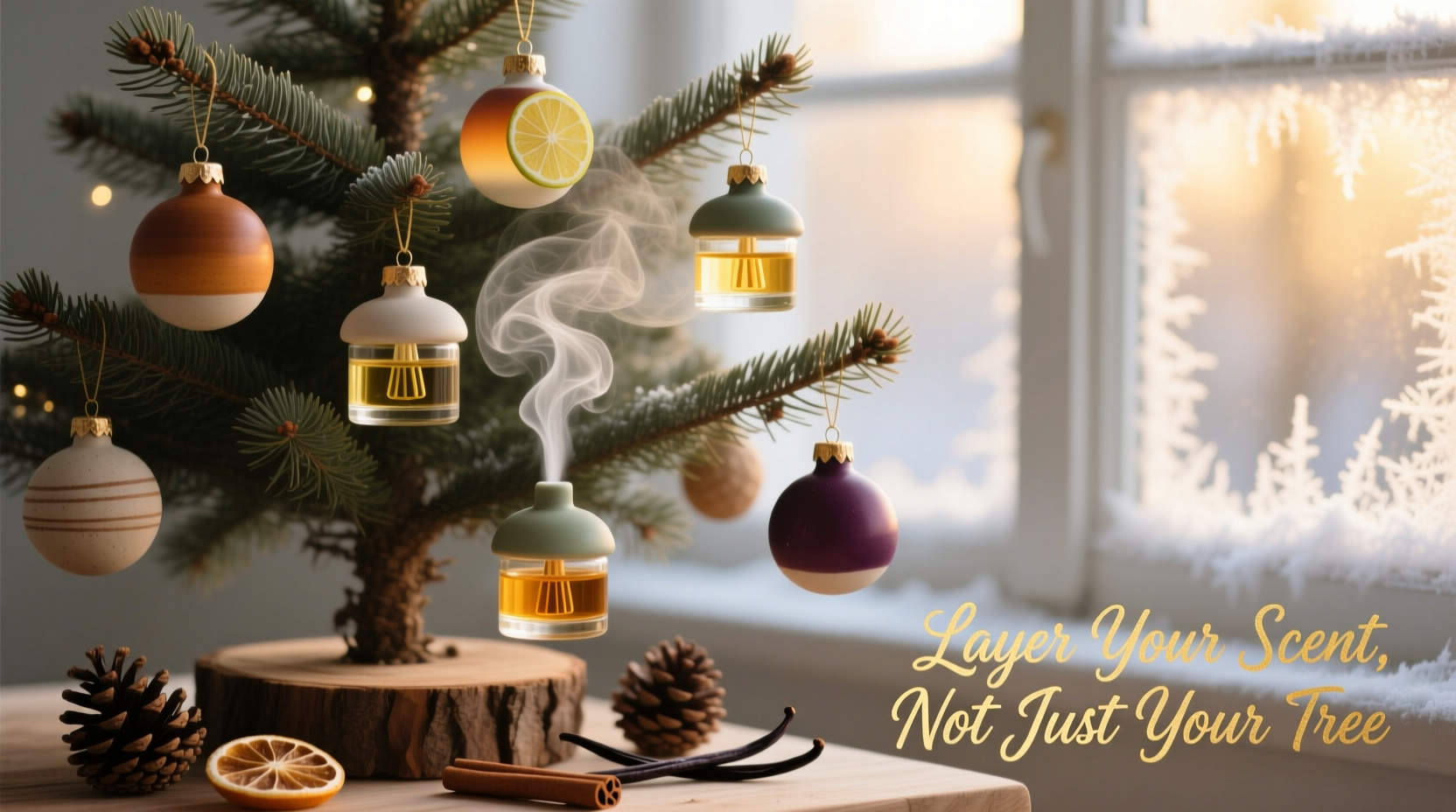
Scent layering isn’t just about mixing oils—it’s about creating harmony between top, middle, and base notes that unfold over time. Just like in perfumery, each note plays a role:
- Top notes: The first impression—light, volatile, and often citrusy or herbal (e.g., orange, peppermint, eucalyptus).
- Middle (heart) notes: The core of the blend—floral, spicy, or fresh (e.g., clove, rosemary, cinnamon leaf).
- Base notes: The foundation—deep, long-lasting, and grounding (e.g., cedarwood, frankincense, sandalwood).
When applied to a Christmas tree via diffuser ornaments, these layers work together to create an evolving olfactory journey. As air circulates around the tree, different notes emerge at different times, mimicking the complexity of a fine fragrance.
“Scent layering transforms a static holiday smell into a dynamic sensory experience. It’s not just pine anymore—it’s memory, emotion, and atmosphere.” — Dr. Lena Torres, Aromatherapy Researcher, Institute of Holistic Living
Choosing the Right Diffuser Ornaments
Not all ornaments are created equal when it comes to essential oil diffusion. Effective diffuser ornaments are typically made from porous materials such as unfinished wood, ceramic, felt, or lava stone beads. These materials absorb oils slowly and release them over days or even weeks.
Popular types include:
- Wooden slice ornaments: Natural, rustic, and highly absorbent. Pre-drilled holes make hanging easy.
- Felt tree-shaped diffusers: Soft, customizable, and excellent for holding oils without dripping.
- Ceramic locket-style diffusers: Contain a small pad or sponge inside where oils are applied, offering controlled release.
- Lava stone bead garlands: Can be strung like tinsel and infused with oils for broad distribution.
Avoid plastic or sealed glass ornaments unless they’re specifically designed for aromatherapy. These materials don’t absorb oils and may trap moisture, leading to mold or degradation.
Material Comparison Table
| Material | Absorption Speed | Release Duration | Best For |
|---|---|---|---|
| Unfinished Wood | Medium | 5–10 days | Base and heart notes |
| Felt | Fast | 3–7 days | Top and middle notes |
| Ceramic (with insert) | Slow | 7–14 days | Controlled, long-term diffusion |
| Lava Stone | Medium-Fast | 5–9 days | Balanced blends |
Step-by-Step Guide to Layering Scents on Your Tree
Creating a layered scent profile requires planning and precision. Follow this timeline-based approach to build depth and longevity into your tree’s fragrance.
- Day 1: Prepare Your Ornaments
Select 3–5 diffuser ornaments per layer (top, middle, base). Clean any previously used ones with mild soap and water, then let them dry completely. Porous materials retain old oils, which can distort new blends. - Day 2: Apply Base Notes
Choose 1–2 deep, woody, or resinous oils like cedarwood, fir needle, or frankincense. Add 3–5 drops per ornament. Place these lower on the tree—near the trunk or bottom branches—where airflow is slower and scents linger longer. - Day 3: Introduce Middle Notes
Use spices or herbs such as clove bud, cinnamon bark, or rosemary. Apply 2–4 drops per ornament. Position these in the mid-section of the tree to balance rising and settling aromas. - Day 4: Activate Top Notes
Brighten the blend with citrus (sweet orange, lemon) or mint family oils (peppermint, spearmint). Use 2–3 drops per ornament. Hang these higher up, where air movement helps disperse their lighter molecules quickly. - Day 5+: Maintain & Refresh
Check scent intensity every 3–4 days. Reapply oils as needed, starting with base notes first. Rotate ornaments slightly to expose fresh surfaces. Avoid oversaturating—too much oil can overwhelm and cause residue.
Recommended Essential Oil Blends for Holiday Trees
Not all essential oils blend well together, and some can be overpowering in enclosed spaces. Below are three balanced, festive combinations tested for compatibility and seasonal appeal.
1. “Winter Forest” – Earthy & Grounding
- Top: Siberian Fir (3 drops)
- Middle: Juniper Berry (2 drops)
- Base: Cedarwood (3 drops)
Ideal for cabins, minimalist decor, or anyone seeking a crisp, outdoorsy feel.
2. “Spiced Hearth” – Warm & Inviting
- Top: Sweet Orange (3 drops)
- Middle: Clove Bud (2 drops)
- Base: Cinnamon Bark* (1 drop)
*Use caution: Cinnamon bark is a skin irritant; never apply undiluted and keep away from pets. This blend evokes mulled cider and cozy evenings.
3. “Peppermint Snow” – Fresh & Energizing
- Top: Peppermint (2 drops)
- Middle: Eucalyptus (2 drops)
- Base: Frankincense (3 drops)
Perfect for high-traffic areas or when you want a clean, uplifting scent that cuts through stuffiness.
“A well-layered tree doesn’t just smell good—it tells a story. The first whiff of orange makes you smile; the cedarwood at the end of the day feels like home.” — Clara Mendez, Seasonal Wellness Coach
Real Example: A Family’s Scented Tradition
The Reynolds family in Vermont began using diffuser ornaments after switching to an artificial tree. “We missed the natural pine smell,” says Sarah Reynolds. “So I bought a set of wooden slice ornaments and experimented with oils.”
They now use a rotating system: base notes go on during setup, middle notes are added the weekend before guests arrive, and top notes are refreshed on Christmas Eve. Their signature blend—orange, clove, and balsam fir—has become so iconic that relatives associate it with their annual gathering.
“It’s not just decoration,” Sarah explains. “It’s part of our ritual. The kids help choose the oils, and we talk about what each scent means to us. It’s mindfulness disguised as holiday prep.”
Common Mistakes to Avoid
Even with the best intentions, scent layering can go wrong. Here are frequent errors and how to prevent them:
- Overloading with oils: More isn’t better. Excess oil can drip, stain, or create an overwhelming aroma. Stick to 2–5 drops per ornament.
- Using synthetic fragrances: Many “Christmas-scented” oils are not pure essential oils. Look for GC/MS-tested brands to ensure authenticity and safety.
- Ignoring pet safety: Oils like tea tree, citrus, and pine can be toxic to cats and dogs. If you have pets, opt for pet-safe options like lavender (in moderation) or avoid diffusion near their resting areas.
- Placing all ornaments in one area: Distribute layers throughout the tree for balanced diffusion. Clustered ornaments create scent pockets that dominate one side of the room.
Do’s and Don’ts Checklist
| Action | Do | Don't |
|---|---|---|
| Oil Application | Use 2–5 drops per ornament | Drench or soak ornaments |
| Blend Selection | Stick to 3-note structure | Mix more than 5 oils at once |
| Placement | Layer low (base), mid (heart), high (top) | Hang all at eye level |
| Pet Safety | Choose pet-safe oils or diffuse in pet-free zones | Use pine or citrus oils freely around cats |
| Maintenance | Refresh every 3–5 days | Forget and leave for weeks |
FAQ
Can I use this method on an artificial tree?
Absolutely. In fact, artificial trees benefit most from scent layering since they lack natural fragrance. Diffuser ornaments provide a safe, non-damaging way to add aroma without sprays that might degrade PVC needles.
How long do essential oils last on diffuser ornaments?
Most porous materials release scent for 5–10 days, depending on oil type, room temperature, and airflow. Citrus oils fade fastest; resins and woods last longest. Reapplication every 3–4 days maintains consistent strength.
Are there child-safe essential oil options for the tree?
Yes. Lavender, sweet orange, and frankincense are generally considered safe when diffused. Always keep oils out of reach, and avoid using strong phenolic oils (like oregano or thyme) in homes with young children.
Conclusion: Elevate Your Holiday Experience
Layering scents on a Christmas tree using essential oil diffuser ornaments is more than a decorating trend—it’s a mindful practice that enhances emotional connection to the season. By understanding scent profiles, selecting quality materials, and applying oils with intention, you create an immersive environment that evolves with the holidays. Unlike plug-ins or sprays, this method offers customization, sustainability, and a deeply personal touch.
Start simple. Try one blend. Observe how the aroma changes throughout the day. Share the process with loved ones. Soon, your tree won’t just look festive—it will carry the invisible threads of memory, warmth, and presence that define the season.




 浙公网安备
33010002000092号
浙公网安备
33010002000092号 浙B2-20120091-4
Comments
No comments yet. Why don't you start the discussion?