
In today’s digital world, QR codes have become essential tools for sharing information—be it contact details, Wi-Fi passwords, website links, or payment data. Most smartphones now come equipped with built-in features that generate personal QR codes, making connectivity faster and more seamless. Whether you're at a networking event, connecting to a new device, or simplifying payments, knowing how to locate and share your phone's QR code can save time and improve efficiency.
The process varies slightly depending on your operating system, but both Android and iOS offer intuitive ways to access and distribute QR codes. This guide walks through practical steps, best practices, and common use cases so you can confidently use this feature in everyday situations.
Understanding What a Mobile QR Code Is
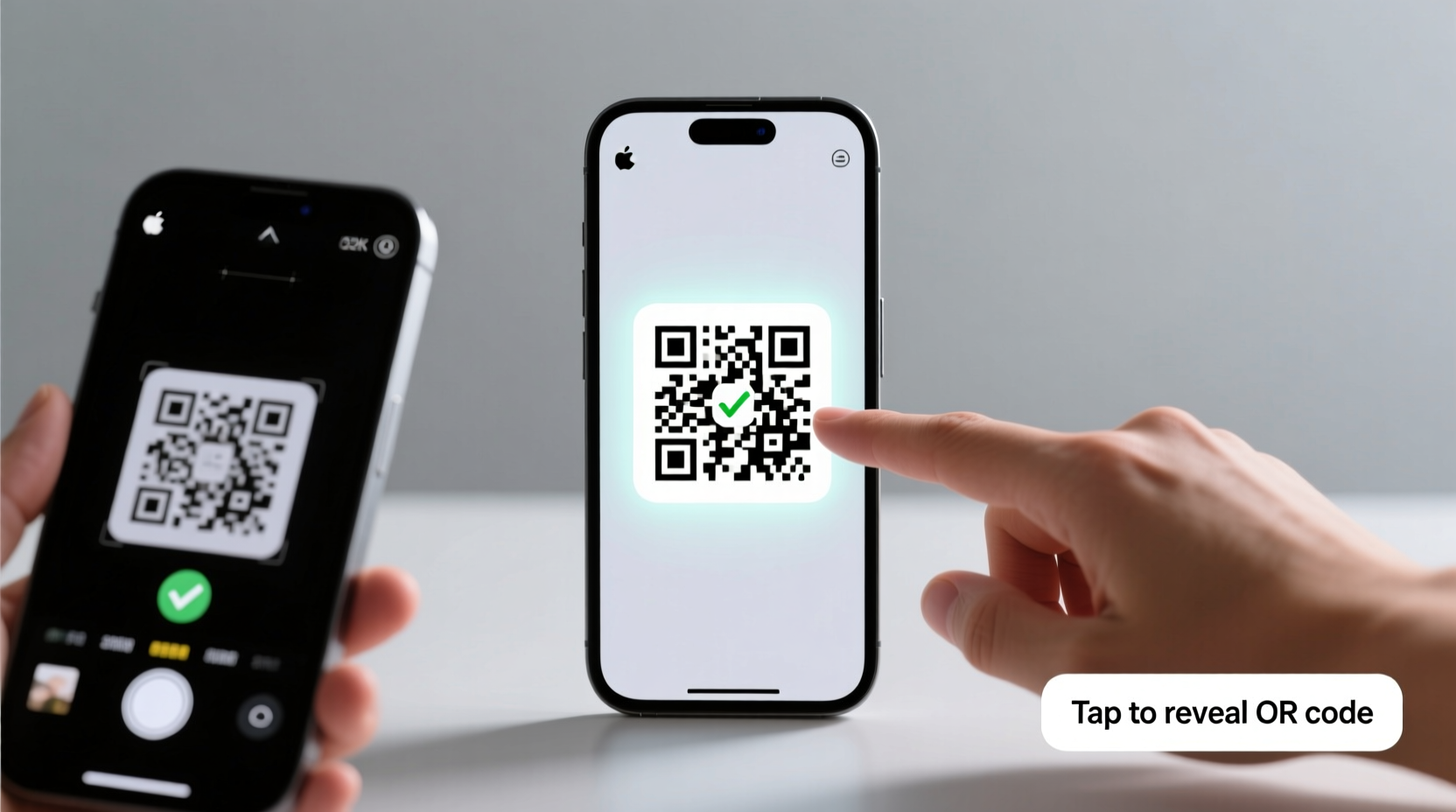
A QR (Quick Response) code generated by your mobile phone typically encodes specific types of data relevant to your device or profile. Unlike static printed codes, dynamic QR codes created by phones often represent live information such as:
- Your contact card (vCard)
- Wi-Fi network credentials
- Payment addresses (e.g., Apple Pay, Google Pay)
- Website URLs or shared files
- Bluetooth pairing requests
These codes are scanned using another smartphone’s camera or dedicated QR reader app. Once scanned, the encoded action is executed automatically—like saving your contact or joining your Wi-Fi network without manual input.
“QR codes bridge physical interactions with digital actions—making them one of the most underutilized yet powerful tools in modern mobile communication.” — Dr. Lena Patel, Digital Interaction Researcher, MIT Media Lab
How to Locate Your QR Code on Android Devices
Android offers multiple pathways to generate and access QR codes, depending on the brand and OS version. Here’s a universal approach applicable to most devices running Android 10 and above:
- Open the Settings app.
- Navigate to Google > Devices & sharing > QR code generator.
- Select the type of information you want to share (e.g., Wi-Fi, contact).
- The device will instantly generate a scannable QR code on-screen.
Alternatively, some manufacturers like Samsung provide shortcuts via the Quick Panel. Swipe down twice from the top of the screen, tap “Smart Share” or “QR code scanner,” and choose “Create QR code” to share your current Wi-Fi network or contact info.
Accessing QR Codes on iPhones (iOS)
iOS integrates QR functionality deeply into its ecosystem. While iPhones don’t display a persistent personal QR code by default, they allow quick generation for key functions:
Sharing Your Contact Information
- Open the Contacts app.
- Select your own profile (tap your name at the top if set up).
- Tap the Share Contact button.
- Choose Share as QR Code.
- A scannable QR appears—others can scan it using their iPhone camera.
Sharing Wi-Fi Credentials
When someone tries to join your connected Wi-Fi network:- Have them select your network on their device.
- On your iPhone, a prompt says “Share Password?” Tap Share.
- A temporary QR code appears containing encrypted login details.
This method uses peer-to-peer encryption and only works when both devices are near each other and logged into iCloud.
Step-by-Step Guide: Sharing Any Link or Text via QR Code
You’re not limited to contacts or Wi-Fi. You can turn any piece of text, URL, or file link into a QR code directly from your phone:
- Copy the desired content (e.g., a YouTube URL).
- Use a trusted QR generator app like QR & Barcode Scanner (Android) or Neat Reader (iOS), or visit a secure web-based tool like
the-qrcode-generator.com. - Paste the copied text into the input field.
- Generate the QR code.
- Screenshot the result or use the app’s share function to send it via messaging apps.
This technique is especially useful for marketers, educators, or anyone distributing digital resources offline.
Best Practices for Secure QR Code Sharing
While convenient, QR codes can pose security risks if misused. Malicious actors sometimes disguise phishing links within deceptive codes. Follow these guidelines to stay protected:
| Do’s | Don’ts |
|---|---|
| Verify the destination URL before scanning unknown codes. | Scan QR codes from untrusted flyers or public posters without caution. |
| Use expiration settings when creating temporary codes (available in advanced generators). | Leave sensitive QR codes displayed publicly for long periods. |
| Double-check what data you’re sharing—especially location or login details. | Automatically enable QR sharing without reviewing permissions. |
Real-World Example: Using QR Codes at a Networking Event
At a recent tech conference in Austin, Sarah, a freelance designer, skipped traditional business cards. Instead, she pulled up her contact QR code from her iPhone and displayed it on her lock screen. Attendees simply opened their camera apps, pointed at her screen, and saved her details instantly. Within an hour, she collected over 30 new connections—all without typing a single email address.
She later used the same method to share a Dropbox link to her portfolio by converting the URL into a custom QR code using a free online generator. The feedback was overwhelmingly positive: “It felt fast, professional, and secure,” one client noted.
Essential Checklist Before Sharing a QR Code
- ✅ Confirm the data encoded is accurate and up-to-date.
- ✅ Ensure sufficient contrast and size for easy scanning.
- ✅ Limit exposure time for sensitive information (e.g., Wi-Fi).
- ✅ Test the QR code yourself using a secondary device.
- ✅ Avoid including personally identifiable information unless necessary.
Frequently Asked Questions
Can I create a permanent QR code for my phone number?
Yes. Use a QR generator to encode your phone number in the format tel:+1234567890. Save the resulting image to your gallery or print it on business materials. Note: Always get consent before distributing your number digitally.
Why won’t my phone generate a QR code for Wi-Fi?
This may occur if your device isn't connected to the network, Bluetooth is disabled, or the receiving device isn’t compatible. On iPhones, both devices must be nearby, unlocked, and signed into iCloud. For Android, ensure NFC and hotspot sharing are enabled where applicable.
Is it safe to let others scan my phone’s QR code?
Generally yes—if you control what’s being shared. Never allow random scans of unsupervised codes, and avoid public displays of QR codes containing passwords or financial data.
Conclusion: Make Connectivity Effortless
Locating and sharing your mobile phone’s QR code doesn’t require technical expertise—it just takes awareness of where the tools are and how to use them responsibly. From exchanging contacts to simplifying internet access, QR codes streamline daily interactions across platforms and devices.
Start integrating QR sharing into your routine: update your digital profile, test generation tools, and educate those around you. In a world moving toward touchless solutions, mastering this small but powerful skill positions you ahead of the curve.




 浙公网安备
33010002000092号
浙公网安备
33010002000092号 浙B2-20120091-4
Comments
No comments yet. Why don't you start the discussion?