
A business logo is more than just a visual mark—it’s the cornerstone of your brand identity. It communicates who you are, what you stand for, and how you want to be perceived. A well-designed logo builds recognition, inspires trust, and differentiates you from competitors. Creating one doesn’t require a design degree, but it does demand strategy, clarity, and attention to detail. Whether you're launching a startup or rebranding an existing business, following a structured process ensures your logo resonates with your audience and endures over time.
Understand Your Brand Identity First
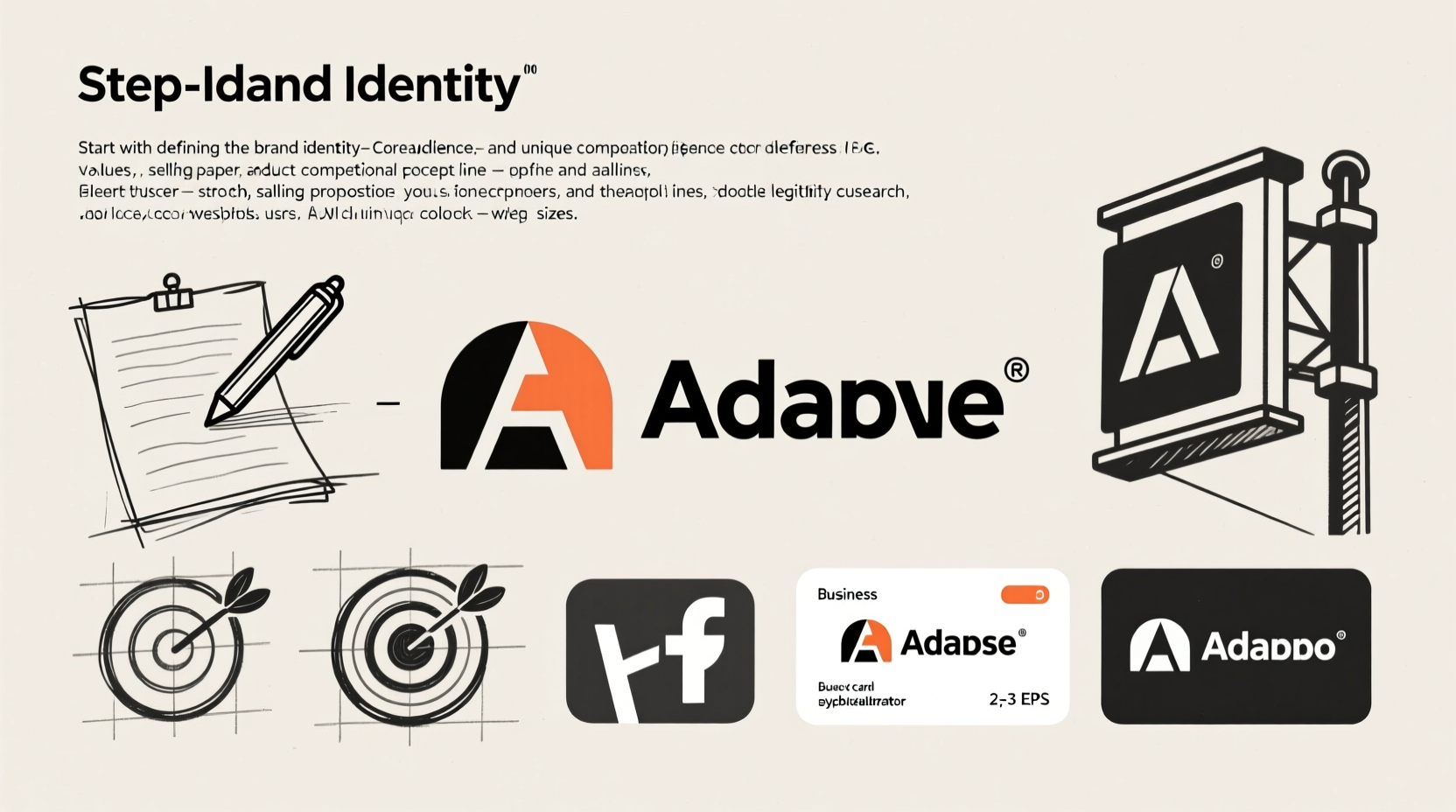
Before sketching or opening a design tool, define the core of your brand. Ask: What values drive your business? Who is your ideal customer? What tone do you want to convey—professional, playful, bold, or minimalist? The answers shape every design decision. A tech startup might lean toward sleek lines and modern fonts, while a bakery may embrace hand-drawn elements and warm colors. Without a clear brand foundation, even the most visually appealing logo can feel disconnected.
“Your logo isn’t just art—it’s a strategic symbol. Design decisions should reflect purpose, not just preference.” — Dana Reyes, Brand Strategist
Begin by writing a short brand statement: one or two sentences describing your mission, audience, and personality. Use this as a compass throughout the design process. For example, “We help eco-conscious families reduce waste through reusable home products” suggests a logo that feels sustainable, approachable, and clean.
Research and Analyze Competitors
Effective logos don’t exist in a vacuum. Study brands in your industry to understand common visual patterns and identify opportunities to stand out. Look at color schemes, typography, icon styles, and overall composition. Are most logos wordmarks with bold sans-serif fonts? Are there recurring symbols like leaves, gears, or abstract shapes?
Create a mood board of 5–10 logos you admire, both within and outside your niche. Include notes on why each appeals to you. Is it the simplicity? The clever use of negative space? This exercise sharpens your eye for effective design and prevents unintentional imitation.
Step-by-Step Guide to Designing Your Logo
With research in hand, follow this structured workflow to create a polished, intentional logo.
- Define your logo type: Choose between a wordmark (text-only), lettermark (initials), pictorial mark (icon), abstract mark, or combination mark. Startups often benefit from combination logos, which pair a symbol with a name for maximum recognition.
- Sketch initial ideas: Use pen and paper to brainstorm freely. Focus on concepts, not perfection. Explore variations of icons, font styles, and layout arrangements.
- Select a color palette: Colors evoke emotion. Blue conveys trust, green suggests growth, red signals energy. Limit your palette to 1–3 colors for clarity. Consider how your logo will appear in black and white for versatility.
- Choose typography wisely: Fonts carry tone. Serif fonts feel traditional; sans-serif exudes modernity; script fonts add elegance. Avoid overly decorative fonts that sacrifice readability. Pair one expressive font with a neutral one if using multiple typefaces.
- Digitalize your design: Use vector-based tools like Adobe Illustrator, Figma, or Canva to refine your sketch. Vector graphics ensure scalability without quality loss.
- Test for versatility: Apply your logo to mockups—business cards, websites, social media avatars, and merchandise. Does it remain legible at small sizes? Is it recognizable in grayscale?
- Get feedback: Share the design with trusted colleagues or target customers. Ask specific questions: “What industry do you think this brand is in?” “Does the logo feel trustworthy?”
- Finalize and export: Once approved, save your logo in multiple formats: SVG for web, PNG for transparency, and EPS or PDF for print.
Design Principles for a Professional Logo
Great logos share common traits. Keep these principles in mind during development:
- Simplicity: The most iconic logos—Nike, Apple, McDonald’s—are instantly recognizable because they’re simple. Avoid clutter and unnecessary details.
- Scalability: Your logo should work on a favicon (16x16 pixels) and a billboard. If tiny details vanish when shrunk, simplify.
- Memorability: Aim for distinctive yet balanced design. Unique shapes or clever symbolism help people remember your brand.
- Timelessness: Trends fade. A logo designed in 2024 shouldn’t look outdated by 2030. Avoid trendy fonts or effects unless they align with long-term vision.
- Relevance: Ensure the design reflects your industry and audience. A law firm logo should inspire confidence, not whimsy.
| Do | Don't |
|---|---|
| Use vector formats for crisp scaling | Rely solely on JPEGs or low-resolution images |
| Limit colors to maintain consistency | Use too many colors that clash or confuse |
| Ensure readability at all sizes | Choose overly stylized fonts that are hard to read |
| Design for monochrome applications | Assume color is always available |
Real Example: How BrewHaven Café Redesigned Their Logo
BrewHaven Café had a cluttered logo: a detailed coffee cup illustration, three fonts, and four colors. Customers found it hard to remember. The owner decided to rebrand. After defining their brand as “warm, community-focused, and artisan,” they simplified everything. The new logo features a minimal steam swirl rising from a single line representing a coffee cup, paired with a clean sans-serif font in deep brown. The redesign boosted brand recall—local customers began spotting the symbol on cups before reading the name. Sales increased 20% within six months, partly due to stronger visual identity.
Checklist: Finalizing Your Business Logo
Before launching your logo, go through this checklist to ensure professionalism and usability:
- ✅ Aligned with brand values and messaging
- ✅ Tested in multiple sizes (from app icon to banner)
- ✅ Works in black and white
- ✅ Saved in vector (SVG/EPS) and raster (PNG) formats
- ✅ Legible across devices and backgrounds
- ✅ Not similar to major competitors’ logos
- ✅ Approved by stakeholders or target audience
- ✅ Accompanied by brand guidelines (color codes, spacing rules, usage examples)
Frequently Asked Questions
How much should I spend on a logo design?
Costs vary widely. DIY tools like Canva offer free options, while freelance designers charge $100–$500 for a custom logo. Agencies may charge $1,000+. Invest based on your budget and business stage. Even on a tight budget, thoughtful design beats rushed execution.
Should I hire a designer or use a logo maker?
If branding is critical to your success and you lack design experience, hiring a professional is worth it. They bring expertise in typography, spacing, and brand alignment. However, AI-powered logo makers like Looka or Hatchful can produce decent results for early-stage businesses—if you customize outputs carefully.
Can I change my logo later?
Yes, but consistency matters. Frequent changes confuse customers. If you rebrand, ensure the new logo maintains visual continuity—such as keeping core colors or shapes—to preserve recognition.
Conclusion: Build a Logo That Lasts
A powerful logo emerges from intention, not chance. By grounding your design in brand strategy, applying timeless principles, and testing rigorously, you create more than a graphic—you build a lasting symbol of trust and identity. Don’t rush the process. Revisit your sketches, challenge assumptions, and prioritize clarity over cleverness. When done right, your logo becomes the silent ambassador of your business, working for you in every interaction.




 浙公网安备
33010002000092号
浙公网安备
33010002000092号 浙B2-20120091-4
Comments
No comments yet. Why don't you start the discussion?