
In small apartments, studio lofts, or multifunctional homes, privacy often comes at a premium. Walls aren’t an option, and store-bought room dividers can be bulky, expensive, or visually overwhelming. The solution? A custom DIY room divider that fits your space, style, and wallet. With just a few basic materials and a few hours of effort, you can create a functional, attractive screen that defines zones without sacrificing floor space or breaking the bank. This guide walks through practical designs, material choices, and space-saving strategies that deliver real results—no carpentry degree required.
Why Build Your Own Room Divider?
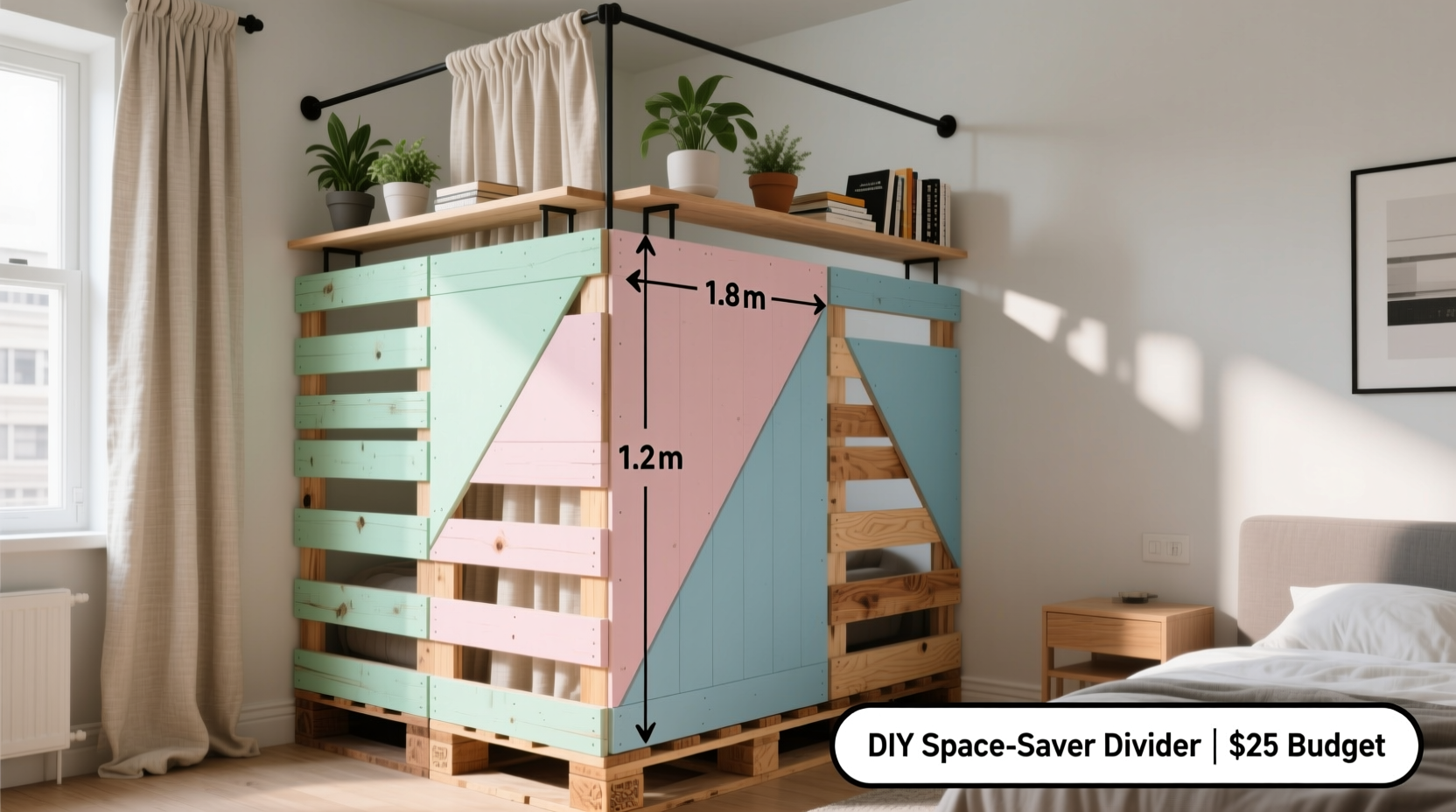
Prefabricated room dividers are widely available, but they rarely account for unique room dimensions, aesthetic preferences, or tight budgets. Off-the-shelf models often use generic patterns, flimsy frames, or heavy construction that makes them hard to move or store. By contrast, a DIY approach allows you to:
- Customize height, width, and configuration to fit awkward spaces
- Select lightweight, sustainable, or recycled materials
- Match your existing décor with fabric, paint, or texture choices
- Build only what you need—no wasted panels or excess hardware
- Repurpose household items to cut costs dramatically
More importantly, building your own divider encourages creative problem-solving. It’s not just about blocking sightlines—it’s about defining space intelligently while maintaining light flow, ventilation, and visual continuity.
Design Principles for Small Spaces
When working with limited square footage, every inch counts. A poorly designed divider can make a room feel cramped or obstruct movement. To avoid this, follow three core principles:
- Vertical Emphasis: Draw the eye upward with tall, narrow designs. Full-height dividers (6–7 feet) create stronger separation than short screens.
- Transparency Balance: Use semi-transparent materials like mesh, sheer fabric, or slatted wood to maintain airflow and light while still offering privacy.
- Foldability & Portability: Choose accordion-style or hinged panels that fold flat when not in use. This allows storage behind furniture or in closets.
For example, a four-panel bifold screen made from bamboo blinds mounted on canvas drop cloths can slide along a tension rod—perfect for renters who can't drill holes. Similarly, a freestanding frame built from PVC pipes and fabric sleeves offers flexibility and weighs less than five pounds.
Material Comparison: Cost, Weight, and Durability
| Material | Average Cost (per unit) | Weight | Durability | Best For |
|---|---|---|---|---|
| Bamboo Roll-Up Blinds | $8–$15 each | Light | Moderate (UV-sensitive) | Renters, temporary setups |
| PVC Pipes + Fabric | $20 total | Very Light | Low (flexible joints) | Tiny homes, kids' rooms |
| Reclaimed Wood Slats | $0–$10 (if salvaged) | Medium | High | Permanent setups, studios |
| Cardboard Honeycomb Panels | $12–$25 | Ultra-light | Low (indoor only) | Photography backdrops, pop-up use |
| Metal Wire Grid + Plants | $30–$50 | Medium | High | Green walls, urban lofts |
Choose based on how long you plan to use the divider and whether it needs to withstand foot traffic or frequent repositioning.
Step-by-Step: Building a Lightweight Folding Divider from Recycled Shutters
One of the most effective low-budget solutions uses old plantation shutters—commonly found at thrift stores, salvage yards, or even curbside during renovations. These come pre-hinged, pre-framed, and ready to repurpose.
Materials Needed
- 2–4 matching louvered shutters (same height and width)
- Heavy-duty fabric tape or brass bookbinding hinges (2–3 per connection)
- Screwdriver and small screws (or rivets if plastic)
- Measuring tape and level
- Optional: Sandpaper, paint, or stain
Assembly Instructions
- Inspect and Clean: Remove dust, nails, or broken louvers. If wooden, lightly sand rough edges.
- Lay Flat and Align: Place shutters side by side on a clean surface, ensuring tops and bottoms are flush.
- Connect Panels: Attach hinges across the inner edges where shutters meet. Use two hinges per joint for stability. For non-drilling options, use strong adhesive-backed Velcro strips rated for 10+ lbs.
- Test Movement: Gently fold and unfold the unit to ensure smooth motion. Adjust hinge tightness if needed.
- Finish (Optional): Paint all panels uniformly or leave natural for a rustic look. Add felt pads to bottom edges to protect flooring.
- Position: Stand upright in desired location. For added stability, attach a discreet L-bracket to wall-side panel if allowed.
This method costs under $25 if sourcing secondhand shutters and creates a breathable, stylish screen ideal for separating a sleeping nook from a living area.
Space-Smart Alternatives Without Tools
Not everyone has access to tools, storage, or time. For instant, no-build solutions, consider these adaptable ideas:
- Hanging Curtains on Tension Rods: Install a ceiling-mounted or wall-to-wall tension rod and drape lightweight curtains. Use double rods for layered looks—one sheer, one opaque.
- Bookshelf as Divider: Turn a narrow bookcase backward so spines face inward. Fill shelves with plants, baskets, or decorative objects. Provides storage and visual break.
- Suspended Fabric Panels: Cut drop cloths into vertical strips, hem edges, and hang from a track system or hooks spaced 12 inches apart. Can be tied back when open.
- Plant Wall: Use a metal grid panel secured to floor and ceiling (with tension rods) and hang trailing plants like pothos or ivy. Natural, air-purifying, and dynamic.
These require zero construction and can be dismantled in minutes—ideal for temporary layouts or rental restrictions.
“Smart space division isn’t about barriers—it’s about creating rhythm within openness. A well-placed screen guides movement and mood without closing off light.” — Lena Torres, Interior Designer & Small Space Specialist
Mini Case Study: Studio Apartment Transformation
Maria, a freelance graphic designer in Brooklyn, converted her 350-square-foot studio into a functional home office-bedroom hybrid using a DIY shutter divider. She found two matching white wooden shutters at a Habitat for Humanity ReStore for $7 each. After cleaning and reinforcing the existing hinge, she connected them with a third hinge for smoother folding. She mounted small rubber feet to the base to prevent scratching her hardwood floor.
The completed three-panel screen stands 70 inches tall and spans 6 feet when open. When folded, it takes up less than 18 inches against the wall. Maria uses it to conceal her bed during work hours, instantly shifting the room’s purpose. “It’s not just physical separation,” she says. “It helps me mentally switch modes. I don’t feel like I’m sleeping in my office anymore.”
Total cost: $18. Time invested: 90 minutes. No tools beyond a screwdriver were needed.
Checklist: Build Your Budget Room Divider in One Weekend
- ☐ Measure the space where the divider will stand (height and width)
- ☐ Decide on portability vs. permanence
- ☐ Source materials (check thrift stores, Facebook Marketplace, or construction dumpsters)
- ☐ Choose a design: folding, hanging, or freestanding
- ☐ Gather tools: scissors, drill, staple gun, or adhesive
- ☐ Assemble and test for stability
- ☐ Style with fabric, paint, or greenery
- ☐ Position and assess functionality during different times of day
Frequently Asked Questions
Can I make a room divider without drilling into walls?
Absolutely. Freestanding designs like folding shutters, weighted curtain systems, or plant-based screens require no wall attachments. Use tension rods, weighted bases, or floor-to-ceiling poles for support instead.
What’s the cheapest material to use?
Recycled materials top the list: discarded shutters, cardboard tubes, old doors, or fabric scraps. Cardboard honeycomb panels from moving boxes can be taped together into rigid hexagonal modules for under $5. Pair with fabric covers for improved aesthetics.
How do I stop a DIY divider from tipping over?
Add weight to the base with sandbags, books inside hollow frames, or attach a low-profile kickplate. For multi-panel units, ensure hinges allow only controlled movement—avoid loose joints. Placing the divider in a corner or bracing one end against a wall also improves stability.
Final Thoughts and Next Steps
A room divider doesn’t need to be expensive, permanent, or complex to be effective. The key is thoughtful design that respects spatial constraints and personal needs. Whether you’re screening a closet entrance, hiding a laundry area, or carving out a quiet reading corner, a DIY solution puts control—and creativity—in your hands.
Start small. Try one of the no-tool methods first. See how it feels in your space over a few days. Then iterate: add height, texture, or mobility as needed. Over time, your divider can evolve alongside your living arrangement.




 浙公网安备
33010002000092号
浙公网安备
33010002000092号 浙B2-20120091-4
Comments
No comments yet. Why don't you start the discussion?