
The holiday season brings joy, warmth, and festive traditions—but for pet owners, it can also introduce unexpected hazards. A decorated Christmas tree is a centerpiece of celebration, yet for curious or playful dogs, it may look like an invitation to explore, chew, or knock down ornaments. The combination of tinsel, lights, fragile baubles, and tempting scents from real trees can be irresistible. Fortunately, it’s entirely possible to enjoy a beautiful holiday display while keeping your dog safe. By choosing chew-proof materials, adjusting your decorating strategy, and understanding canine behavior, you can create a dog-friendly Christmas tree that stands strong through the season.
Understanding the Risks: Why Dogs Are Drawn to Christmas Trees
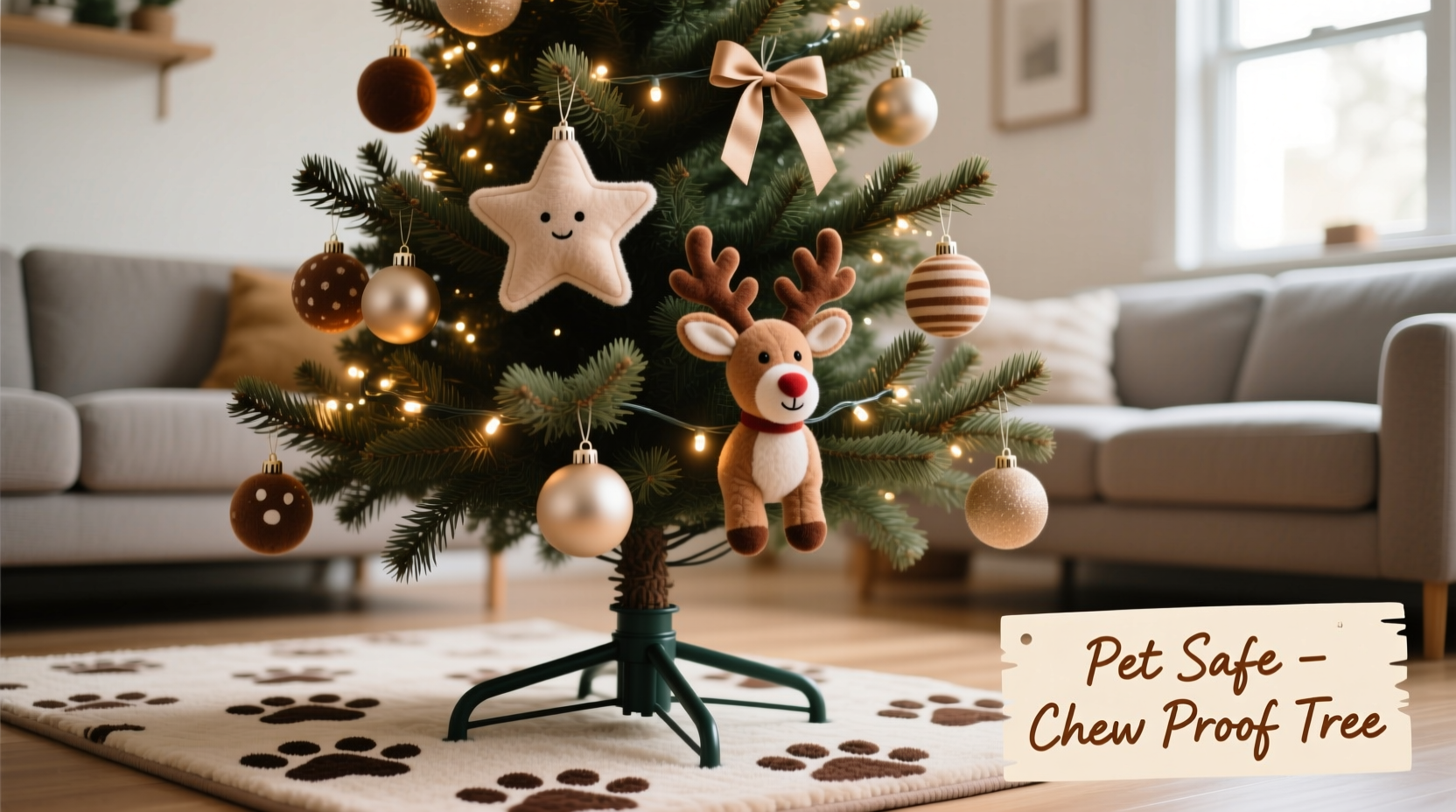
Dogs are naturally inquisitive animals. Their sense of smell is up to 100,000 times more sensitive than humans’, which means even subtle scents from pine needles, food-themed ornaments, or gift wrappings can trigger investigation. Movement from flickering lights or dangling decorations mimics prey-like motion, stimulating their instinct to chase. Chewing is also a natural behavior for dogs—it relieves teething pain in puppies, reduces anxiety, and provides mental stimulation.
Unfortunately, traditional Christmas trees present multiple dangers:
- Ingestion hazards: Tinsel, pine needles, and small ornament fragments can cause intestinal blockages.
- Toxicity risks: Some artificial tree materials, sprayed pesticides on real trees, or water additives (like fertilizers) can be toxic if ingested.
- Electrical dangers: Chewed cords from lights pose electrocution risks.
- Physical injury: Broken glass ornaments or sharp metal hooks can cut paws or mouths.
A proactive approach—not just supervision—is essential. Prevention begins with material selection and structural planning.
Choosing Chew-Proof Materials: What Works and What Doesn’t
The foundation of a dog-safe tree lies in the materials used. While no material is completely indestructible, selecting durable, non-toxic, and unappetizing options significantly reduces risk.
Tree Type: Real vs. Artificial
Real trees offer authentic scent and ambiance but come with drawbacks. Pine needles are mildly toxic and can irritate the gastrointestinal tract. Sap can stick to fur and paws, and standing water may contain mold or chemical additives. If you prefer a real tree, choose a species less aromatic (such as fir over spruce) and use only plain water in the stand—never add commercial preservatives.
Artificial trees are generally safer and more controllable. Look for models labeled “non-toxic” and “fire-resistant.” PVC-based trees are common, but ensure they’re free from phthalates and lead, especially if your dog might mouth the branches. High-quality PE (polyethylene) trees mimic realism without shedding and are easier to clean.
Ornaments: Durable and Dog-Safe Options
Traditional glass or ceramic ornaments break easily and pose serious risks. Instead, opt for:
- Felt or fabric ornaments: Soft, lightweight, and washable. Choose tightly stitched designs without loose threads.
- Wooden ornaments: Solid hardwood pieces are chew-resistant and non-toxic. Avoid painted versions with questionable coatings.
- Plastic ornaments labeled “shatterproof”: Ensure they’re thick-walled and BPA-free.
- Edible dog-safe ornaments: Made from peanut butter, oats, or sweet potato, these can be hung high or given as treats after display.
Avoid anything with small parts, ribbons, or metallic finishes—dogs may swallow them whole.
Lighting and Cords: Securing the Invisible Threat
Electrical cords are one of the most dangerous elements. Even low-voltage LED strings can deliver shocks if chewed. To minimize temptation:
- Use cord protectors or conduit tubing to encase wires.
- Tape cords flat against baseboards or under rugs (if safe).
- Unplug lights when leaving the house or at night.
- Consider battery-operated lights for lower sections.
“Dogs often chew cords not out of mischief, but due to anxiety or boredom. Addressing the root cause—alongside environmental safety—is key.” — Dr. Lena Torres, Veterinary Behaviorist
Step-by-Step Guide: Building Your Dog-Friendly Tree
Creating a safe Christmas tree isn’t just about swapping materials—it’s about thoughtful assembly and placement. Follow this timeline to build a secure, attractive display.
- Week 1: Plan and Source Materials
Select an artificial tree or prepare a real one with precautions. Order chew-proof ornaments, cord covers, and a sturdy stand. - Day of Setup: Anchor the Tree First
Place the tree away from foot traffic and furniture your dog could climb. Use a heavy-duty stand and secure it to the wall with fishing line or a tree tether kit. - Decorate Strategically
Begin with lights, ensuring all cords are concealed. Wrap excess wire neatly and store out of reach. - Hung Ornaments by Zone
Create three zones: bottom (dog-safe items), middle (durable decorations), top (fragile or sentimental pieces). Keep the lower 2 feet clear or use only soft, unbreakable items. - Final Safety Check
Get down to your dog’s eye level. Look for dangling cords, wobbly branches, or tempting textures. Make adjustments before adding final touches.
Do’s and Don’ts: Material and Behavior Guidelines
Even with careful planning, small mistakes can compromise safety. This table summarizes best practices.
| Category | Do | Don’t |
|---|---|---|
| Tree Base | Use a heavy stand; cover water with mesh or a skirt lock | Leave water uncovered or add toxic preservatives |
| Ornaments | Choose felt, wood, or shatterproof plastic | Hang glass, tinsel, or edible-looking fake food |
| Cords | Encase in protective tubing; unplug when unattended | Leave loose cords on floor or within reach |
| Location | Place in low-traffic area; anchor to wall | Set near couches or chairs dogs can jump from |
| Supervision | Train “leave it” command; use barriers when needed | Rely solely on constant monitoring |
Real Example: How One Family Protected Their Golden Retriever
The Carter family in Vermont loves Christmas but faced challenges every year with their golden retriever, Scout. At 18 months, Scout was energetic and mouthy, drawn to the lights and movement of their tree. One year, he chewed through a light cord and swallowed part of a pinecone ornament, requiring a vet visit.
Determined to prevent repeats, they redesigned their setup. They switched to a pre-lit artificial PE tree with built-in cord protection. They used only felt and wooden ornaments below four feet, reserving glass ones for the top. They anchored the tree to a wall stud and installed a decorative lattice skirt that clipped securely around the base, hiding the stand and water.
They also trained Scout using positive reinforcement to stay behind a boundary tape on the floor. Over two weeks, they practiced “leave it” and rewarded calm behavior near the tree. By Christmas Eve, Scout showed curiosity but no destructive actions. The tree remained intact—and Scout stayed healthy.
Checklist: Building Your Dog-Safe Holiday Display
Use this checklist to ensure every safety element is covered before lighting the tree:
- ✅ Choose a stable, chew-resistant artificial tree or prepare a real one safely
- ✅ Secure the tree to the wall or ceiling with invisible supports
- ✅ Use only shatterproof, non-toxic ornaments—especially on lower branches
- ✅ Conceal all electrical cords with tubing or tape
- ✅ Cover the tree stand and water reservoir completely
- ✅ Remove tinsel, ribbons, and small decorative items
- ✅ Train your dog with basic commands like “leave it” and “stay”
- ✅ Provide alternative chew toys nearby to redirect attention
- ✅ Unplug lights when leaving the room or sleeping
- ✅ Perform weekly inspections for wear, looseness, or damage
FAQ: Common Questions About Dog-Friendly Trees
Can I still use a real Christmas tree with a dog?
Yes, but with precautions. Choose a fresh tree to reduce needle drop, use only plain water in the stand, and surround the base with a locked skirt or barrier. Monitor your dog closely, especially in the first few days when novelty is highest.
What if my dog is obsessed with the tree despite training?
Obsession may stem from boredom or anxiety. Increase daily exercise and mental stimulation. Consider rotating in puzzle feeders or long-lasting chews during tree time. If behavior persists, consult a certified dog trainer or veterinary behaviorist.
Are there any safe scents I can use to deter chewing?
Bitter apple sprays are commonly used and generally safe for dogs, though effectiveness varies. Always test on a small area first and avoid spraying directly on ornaments your dog might lick. Citrus scents (like diluted lemon oil) can also deter chewing but should be used sparingly and kept away from cats.
Conclusion: Celebrate Safely Without Sacrificing Style
A dog-friendly Christmas tree isn’t about giving up tradition—it’s about adapting it with care and creativity. By selecting chew-proof materials, anchoring your tree properly, and decorating with both aesthetics and safety in mind, you can enjoy a festive home that protects your pet without dimming the holiday spirit. The goal isn’t perfection, but preparedness. With thoughtful planning and consistent habits, your Christmas can be joyful, beautiful, and safe for every member of the family—including the furry ones.




 浙公网安备
33010002000092号
浙公网安备
33010002000092号 浙B2-20120091-4
Comments
No comments yet. Why don't you start the discussion?