
The holiday season brings warmth, celebration, and a shared joy that fills homes with light and laughter. For many families, this includes setting up a beautifully decorated Christmas tree — a centerpiece of tradition and festivity. But if you share your home with a dog, that same tree can quickly become a hazard. Dogs are naturally curious, energetic, and sometimes mischievous, especially when faced with something new and intriguing like a towering pine adorned with dangling ornaments and twinkling lights.
Creating a dog safe Christmas tree isn’t just about protecting your decorations — it’s about ensuring your pet’s safety during a time when household routines shift and new risks emerge. From toxic plants and electrical cords to small ingestible objects, the dangers are real but entirely preventable. With thoughtful planning, pet-friendly materials, and strategic placement, you can enjoy a festive tree without compromising your dog’s well-being.
Understand the Risks Your Dog Faces
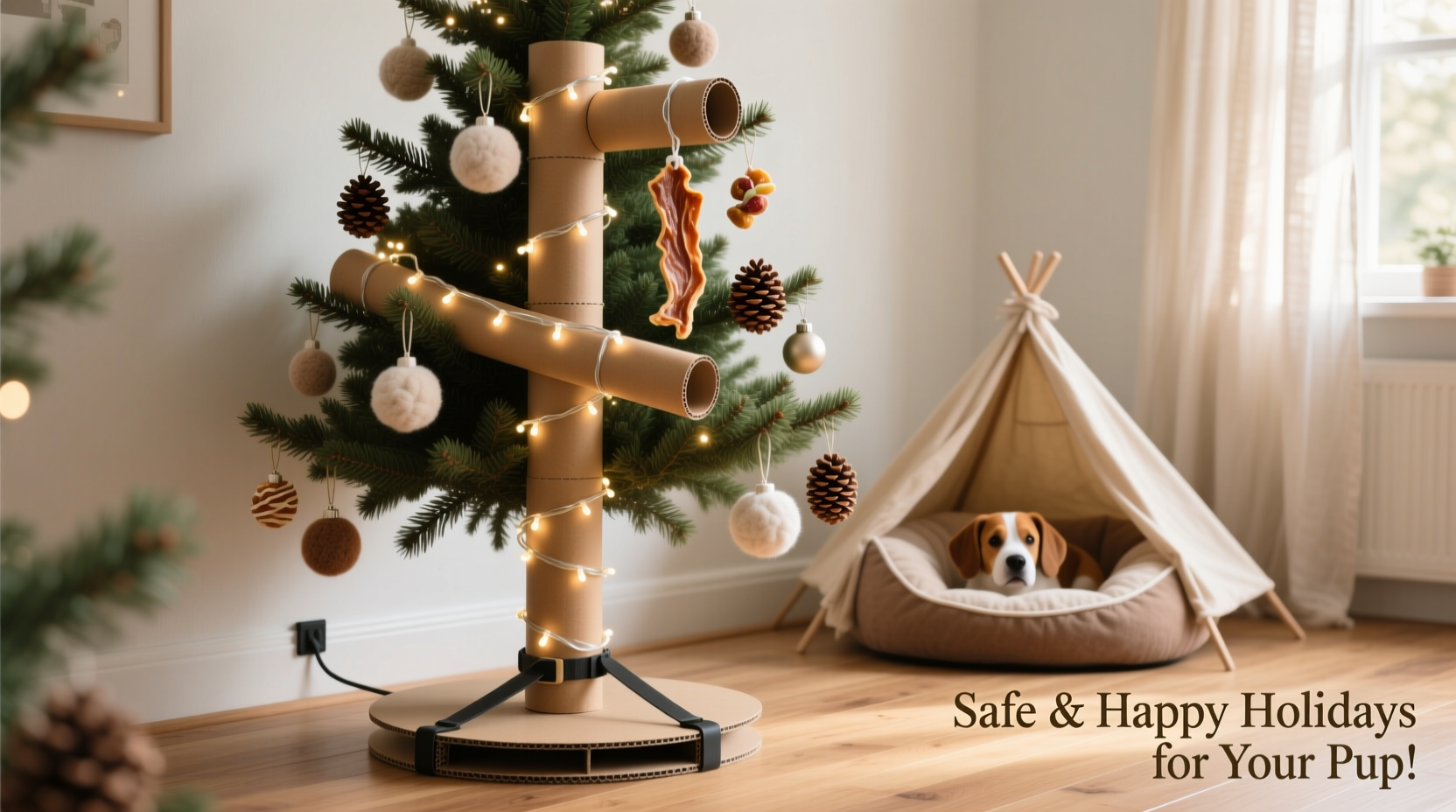
Dogs interact with their environment through scent, taste, and touch. A Christmas tree presents a sensory overload: the smell of pine, the texture of branches, the reflection of lights, and the temptation of low-hanging ornaments. Unfortunately, these attractions come with significant risks:
- Ingestion hazards: Ornaments, tinsel, pine needles, and even parts of fake snow can cause intestinal blockages or toxicity if swallowed.
- Electrical dangers: Chewing on cords can lead to electrocution, burns, or fire hazards.
- Tree instability: An unsecured tree can topple over if your dog jumps on, bumps, or tries to climb it.
- Toxic exposure: Some holiday plants like poinsettias, holly, and mistletoe are poisonous to dogs.
- Stress triggers: Loud music, frequent guests, and changes in routine can increase anxiety, leading to destructive behaviors around the tree.
Recognizing these risks is the first step toward mitigation. Prevention starts long before the first ornament is hung.
Choose Pet-Friendly Materials for a Safer Tree
The materials you select for your Christmas tree and its decorations play a crucial role in pet safety. Opting for non-toxic, durable, and break-resistant items reduces both health risks and cleanup stress.
Tree Selection: Real vs. Artificial
Real Trees: While fragrant and traditional, real pine trees shed needles that can irritate your dog’s digestive tract if ingested. The water basin at the base may contain mold, preservatives, or bacteria harmful to pets. If you choose a real tree, cover the water reservoir with a secure lid or mesh guard.
Artificial Trees: These are generally safer, especially if made from non-toxic, flame-retardant materials. Look for models labeled “pet-safe” or “BPA-free.” Ensure the tree is sturdy and comes with a wide, stable base.
Ornament Guidelines
Avoid glass, metal, or small decorative pieces that can break or be swallowed. Instead, use:
- Felt or fabric ornaments (soft, washable, and chew-safe)
- Wooden or cardboard cutouts (non-toxic finishes only)
- Large, lightweight plastic baubles (too big to swallow)
- Homemade dog-safe treats strung as decorations (use peanut butter, pumpkin, or oats)
Keep fragile or hazardous items high up — above eye level for your dog — and avoid tinsel or ribbon, which can cause life-threatening intestinal obstructions if consumed.
“Dogs often ingest foreign objects out of boredom or curiosity. Using pet-safe decorations removes temptation and prevents emergencies.” — Dr. Lena Torres, DVM, Veterinary Behavior Specialist
Strategic Placement for Maximum Safety
Where you place your Christmas tree matters as much as what you put on it. Even the safest materials won’t help if the tree is in a high-traffic area or within easy reach of your dog.
Optimal Location Criteria
- Low-traffic zone: Choose a corner away from doorways, hallways, or play areas where your dog frequently runs or plays fetch.
- Wall-adjacent: Place the tree against a solid wall to prevent tipping from behind.
- Clear of furniture: Avoid placing near sofas, chairs, or counters that your dog could jump from to reach ornaments.
- Far from cords: Keep power strips, extension cords, and lights out of reach. Use cord covers or tape them flat against the baseboard.
If space is limited, consider using a baby gate or pet barrier to create a designated “no-go” zone around the tree. This not only protects the tree but gives your dog clear boundaries.
Step-by-Step Guide to Building a Dog-Safe Tree
Follow this practical sequence to assemble a Christmas tree that’s festive, functional, and fully pet-proofed.
- Select location: Identify a quiet, cornered area away from foot traffic and furniture.
- Secure the tree: Assemble the artificial tree or anchor the real one firmly. Use a heavy stand and consider screwing the top into a wall anchor for added stability.
- Install barriers: Set up a baby gate or exercise pen around the tree if your dog is highly curious or unsupervised.
- Run and hide cords: Route all electrical cords along walls, under rugs, or through cord protectors. Unplug lights when leaving the house or sleeping.
- Add pet-safe decorations: Begin with lower-level ornaments made of soft, non-breakable materials. Reserve higher branches for delicate or sentimental items.
- Monitor water access (real trees): Cover the water stand completely. Use a floating lid or custom-cut plastic cover to block access.
- Train and supervise: Allow brief, leashed visits to the tree with positive reinforcement for calm behavior. Redirect chewing or pawing immediately.
This process ensures every element — from structure to decor — supports both holiday spirit and canine safety.
Checklist: Dog-Safe Christmas Tree Setup
Use this quick-reference checklist before lighting up your tree:
- ✅ Tree is placed in a low-traffic, wall-adjacent area
- ✅ Base is stable and secured (wall anchor used if needed)
- ✅ Electrical cords are hidden, covered, or elevated
- ✅ Water reservoir (if real tree) is fully covered
- ✅ No tinsel, ribbons, or small ingestible decorations
- ✅ Bottom third of tree has only pet-safe, unbreakable ornaments
- ✅ Toxic holiday plants (poinsettia, mistletoe) are absent or inaccessible
- ✅ Baby gate or barrier is in place if supervision is limited
- ✅ Dog has been introduced to the tree calmly and safely
- ✅ Emergency vet number is posted and easily accessible
Mini Case Study: The Baxter Family’s First Pup-Friendly Holiday
The Baxters welcomed a two-year-old rescue terrier mix named Scout just before the holidays. Eager to include him in traditions, they set up their usual six-foot fir tree in the living room — right next to the couch. Within hours, Scout knocked over a glass ornament, chewed a power cord, and tried to dig into the tree stand.
After a vet visit for mild wire burn and a close call with a swallowed hook, they redesigned their setup. They moved the tree to a spare dining nook, secured it with a wall strap, replaced all glass ornaments with felt stars, and installed a half-gate to limit access. They also trained Scout with short, reward-based sessions near the tree.
By Christmas morning, Scout sat calmly nearby while the family opened gifts. The tree stood intact, and the Baxters celebrated not just the season, but a successful integration of pet safety into their festivities.
Do’s and Don’ts: Pet-Safe Tree Decorations
| Do | Don’t |
|---|---|
| Use large, soft fabric ornaments | Hang glass, metal, or breakable baubles within reach |
| Make DIY dog-treat garlands (peanut butter & oats) | Use tinsel, ribbon, or angel hair — all are choking hazards |
| Place favorite toys nearby to redirect attention | Leave food-based decorations unattended |
| Use LED lights (cooler and less tempting) | Allow exposed or frayed electrical cords |
| Cover tree water with a tight-fitting lid | Let your dog drink from the tree stand |
Frequently Asked Questions
Can I leave my dog alone with the Christmas tree?
It’s best not to, especially if your dog hasn’t been trained around it. Even well-behaved dogs can act impulsively when unsupervised. If you must leave, block access with a gate or crate your dog in another room.
Are pine needles really dangerous for dogs?
Yes. While not highly toxic, pine needles are sharp and can cause irritation or punctures in the mouth, throat, or digestive tract. Ingestion may lead to vomiting, diarrhea, or internal injury. Vacuum fallen needles daily.
What should I do if my dog eats an ornament?
Do not induce vomiting unless directed by a vet. Note the material (glass, plastic, metal), estimate the size, and contact your veterinarian or the ASPCA Animal Poison Control Center immediately. Time is critical in obstruction cases.
Conclusion: Celebrate Safely, Celebrate Fully
A dog safe Christmas tree isn’t a compromise — it’s an upgrade. It reflects care, foresight, and love for every member of the family, including the four-legged ones who wag their tails at your feet. By choosing pet-friendly materials, placing the tree wisely, and preparing with practical steps, you create a holiday environment that’s joyful, inclusive, and free from preventable accidents.
The goal isn’t to eliminate tradition, but to adapt it thoughtfully. When your dog can coexist peacefully with the glow of holiday lights, when curiosity doesn’t lead to catastrophe, and when your tree stands tall through Christmas morning — that’s true success.




 浙公网安备
33010002000092号
浙公网安备
33010002000092号 浙B2-20120091-4
Comments
No comments yet. Why don't you start the discussion?