
Crafting personalized holiday decorations adds warmth and character to any space. One of the most charming and versatile projects is creating a hanging mason jar ornament with tiny working lights. These luminous miniatures can be used as tree ornaments, window accents, or even part of a centerpiece display. Unlike store-bought decor, handmade lighted jars allow full creative control over design, color, and theme. With basic supplies and careful assembly, you can produce a delicate, glowing piece that captures attention and sparks conversation.
The appeal lies not only in their beauty but also in their adaptability. Whether you're aiming for rustic farmhouse charm, elegant winter wonderland vibes, or whimsical fairy-tale magic, this project scales beautifully across styles. The inclusion of functional micro-lights transforms an ordinary jar into a captivating focal point. When done right, the effect is both nostalgic and modern—a blend of vintage container and contemporary lighting technology.
Materials and Tools You’ll Need
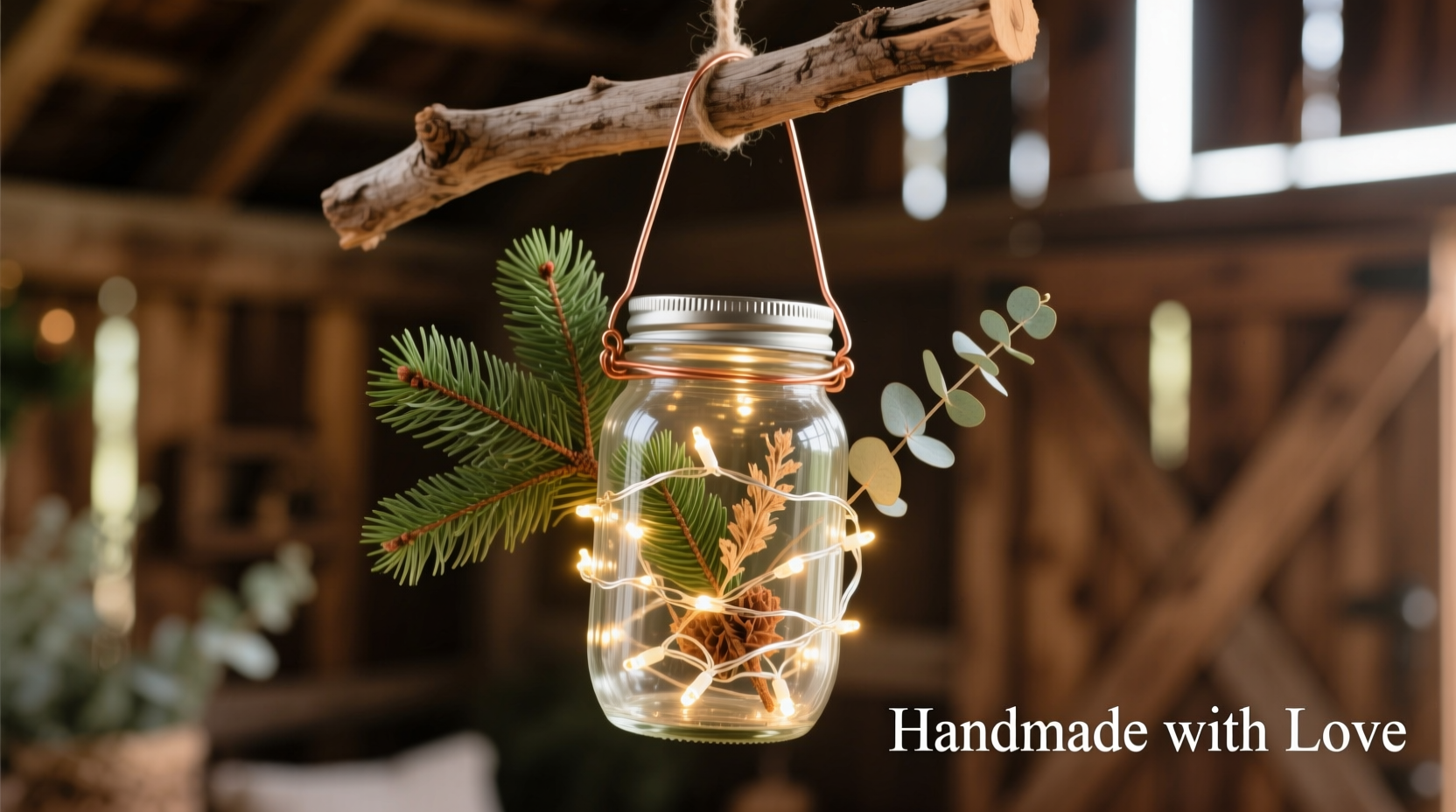
Before beginning construction, gather all necessary components. Using quality materials ensures durability, safety, and visual impact. Below is a comprehensive list of what you'll need to complete the project successfully.
- Small mason jar (4–6 oz size works best for ornaments)
- Tiny battery-operated LED string lights (30–50 lights, under 10 volts)
- Battery pack (preferably with on/off switch and compact design)
- Jute twine, ribbon, or thin wire for hanging
- Hot glue gun and glue sticks
- Wire cutters or scissors
- Decorative elements (fake snow, faux pine sprigs, glitter, miniature figurines)
- Acrylic paint or spray paint (optional, for tinting)
- Clear sealant spray (optional, for weather resistance)
- Pliers (if shaping wire hangers)
Step-by-Step Assembly Process
Creating a functional and visually appealing mason jar ornament requires precision and patience. Follow these steps carefully to ensure both aesthetic quality and electrical safety.
- Prepare the Jar: Wash and dry the mason jar thoroughly. Remove labels and adhesive residue using warm soapy water and a scrub pad. Let it air-dry completely.
- Paint (Optional): If desired, apply a light coat of acrylic or spray paint to the outside of the jar for a frosted or tinted effect. Allow at least two hours to dry between coats. Two thin layers are better than one thick one to prevent drips.
- Create the Hanging Mechanism: Cut a 12-inch length of jute twine or decorative ribbon. Loop it through the metal ring of the jar lid and tie securely with a double knot. Alternatively, bend a piece of floral wire into a loop and twist the ends around the lid’s edge for a sturdier hanger.
- Install the Lights: Carefully coil the LED string lights inside the jar. Begin at the bottom and work upward in a spiral pattern to distribute light evenly. Leave enough slack so the battery pack sits flush against the outside of the lid when closed.
- Secure the Battery Pack: Use a small dab of hot glue to attach the battery pack to the top of the lid. Make sure the on/off switch remains accessible. Route the wire neatly along the side of the lid to minimize visibility.
- Add Decorations: Place lightweight fillers like fake snow, cotton batting (for a foggy effect), or tiny ornaments inside the jar before screwing on the lid. Avoid overcrowding, which can block light diffusion.
- Seal and Test: Screw the lid tightly onto the jar. Turn on the lights to verify functionality. Adjust internal arrangement if shadows or dark spots appear.
- Final Touches: Wrap additional twine around the neck of the jar or add a bow to the hanger for extra flair. Apply a clear matte sealant to painted surfaces if intended for outdoor use.
| Component | Recommended Type | Avoid |
|---|---|---|
| LED Lights | Battery-powered, 3V coin-cell or AAA pack | Plug-in strings or high-voltage sets |
| Adhesive | High-temp hot glue or epoxy | Regular tape or weak glue |
| Hanging Material | Jute, satin ribbon, or coated wire | Thin thread or elastic |
| Fillers | Faux snow, glass beads, tinsel | Heavy stones or moisture-releasing items |
Safety and Longevity Tips
While these ornaments are generally safe due to low-voltage lighting, proper handling extends their lifespan and prevents hazards. Battery-powered LEDs generate minimal heat, but misuse can still lead to short circuits or fire risks in extreme cases.
Never submerge the jar or expose it to rain unless fully sealed and rated for outdoor conditions. Even minor moisture ingress can damage the wiring or cause the battery compartment to rust shut. For indoor displays near windows, avoid direct sunlight, which can degrade plastic components and fade decorations over time.
If using painted jars, consider sealing them with a UV-resistant clear coat. This protects against yellowing and flaking, especially important if the ornament will be displayed seasonally for multiple years. Store completed pieces in padded boxes with individual compartments to prevent scratching or broken wires.
“Miniature lighting projects succeed when balance is achieved between creativity and circuit safety. Never compromise insulation for aesthetics.” — Daniel Reeves, Electrical Safety Consultant for DIY Home Crafts
Customization Ideas and Real-World Applications
One of the greatest strengths of this craft is its versatility. A single base design can evolve into dozens of variations based on occasion, recipient, or setting.
For example, Sarah M., a craft teacher from Vermont, uses this technique annually with her middle school students. Each child creates a personalized jar ornament during December art class. Themes range from “Winter Forest” (with moss, pinecones, and blue-tinted lights) to “Santa’s Workshop” (featuring tiny tools and red-and-gold glitter). The students take pride in gifting them to family members, and parents consistently report displaying them year after year.
Her classroom success stems from structured customization options:
- Seasonal Themes: Halloween (orange lights with plastic spiders), Valentine’s Day (pink lights and heart confetti), Easter (pastel eggs and white lights).
- Personalized Touches: Add name tags, photo cutouts, or engraved wooden charms tied to the hanger.
- Natural Elements: Incorporate dried lavender, cinnamon sticks, or pressed flowers for sensory appeal.
- Color Schemes: Match holiday décor—silver and white for New Year’s, gold and burgundy for Thanksgiving.
These ornaments have also gained popularity in wedding and event planning. Couples hang illuminated mason jars as aisle markers or table numbers, combining elegance with functionality. By scaling up the jar size and using rechargeable battery packs, professionals adapt the same principle for larger installations.
Frequently Asked Questions
Can I use rechargeable lights instead of battery-powered ones?
Yes, provided the light strand includes a slim, removable battery box that fits discreetly on the lid. Rechargeable options reduce waste and save money over time, especially for frequently reused displays. Just ensure the charging port doesn’t interfere with the lid closure.
How long do the lights typically last on a single charge or set of batteries?
Most micro LED strings run between 20 and 45 hours on a fresh set of AAA or button-cell batteries, depending on brightness and number of bulbs. Lower-brightness modes extend runtime significantly. Check manufacturer specs before purchase for optimal performance.
Is it safe to leave the ornament on overnight?
Generally yes, due to the low power draw and minimal heat output of modern LED lights. However, it's best practice to turn them off when unattended for extended periods, particularly around flammable materials like curtains or dry Christmas trees.
Final Checklist Before Displaying Your Ornament
📋 Build & Safety Verification Checklist:- ✅ Jar is clean, dry, and free of cracks
- ✅ Lights function properly before sealing
- ✅ Battery pack is securely attached and switch is accessible
- ✅ Wire is routed cleanly without tension points
- ✅ Hanger is strong enough to support the jar’s weight
- ✅ No sharp edges or loose components
- ✅ Decorations do not obstruct light emission
- ✅ All adhesives are fully cured
Bring Light to Your Holidays—and Beyond
A hanging mason jar ornament with tiny working lights is more than a decoration—it’s a statement of care, creativity, and intention. Whether made for personal enjoyment, gifted to loved ones, or sold at craft fairs, each piece carries the imprint of its maker. The process itself—measuring, assembling, testing, refining—cultivates mindfulness and satisfaction rarely found in mass-produced alternatives.
With the guidance above, you now have everything needed to create stunning, safe, and lasting luminous ornaments. From selecting the right LEDs to avoiding common pitfalls, the details matter. But don’t let perfectionism stall progress. Start small: pick one jar, one color of light, one idea. Build confidence through action. Then expand your repertoire with new themes and techniques.




 浙公网安备
33010002000092号
浙公网安备
33010002000092号 浙B2-20120091-4
Comments
No comments yet. Why don't you start the discussion?