
In an age where skincare routines are increasingly personalized and ingredient transparency matters, turning to your kitchen pantry for beauty solutions makes more sense than ever. Many common kitchen staples—honey, oats, yogurt, turmeric, and avocado—are not only nutritious but also packed with properties that benefit the skin. Creating a homemade face mask with ingredients from your kitchen is cost-effective, eco-friendly, and free from synthetic additives. Whether you're dealing with dryness, acne, or dullness, there's likely a simple recipe in your cupboard that can help restore balance and radiance.
The Science Behind Kitchen Ingredients
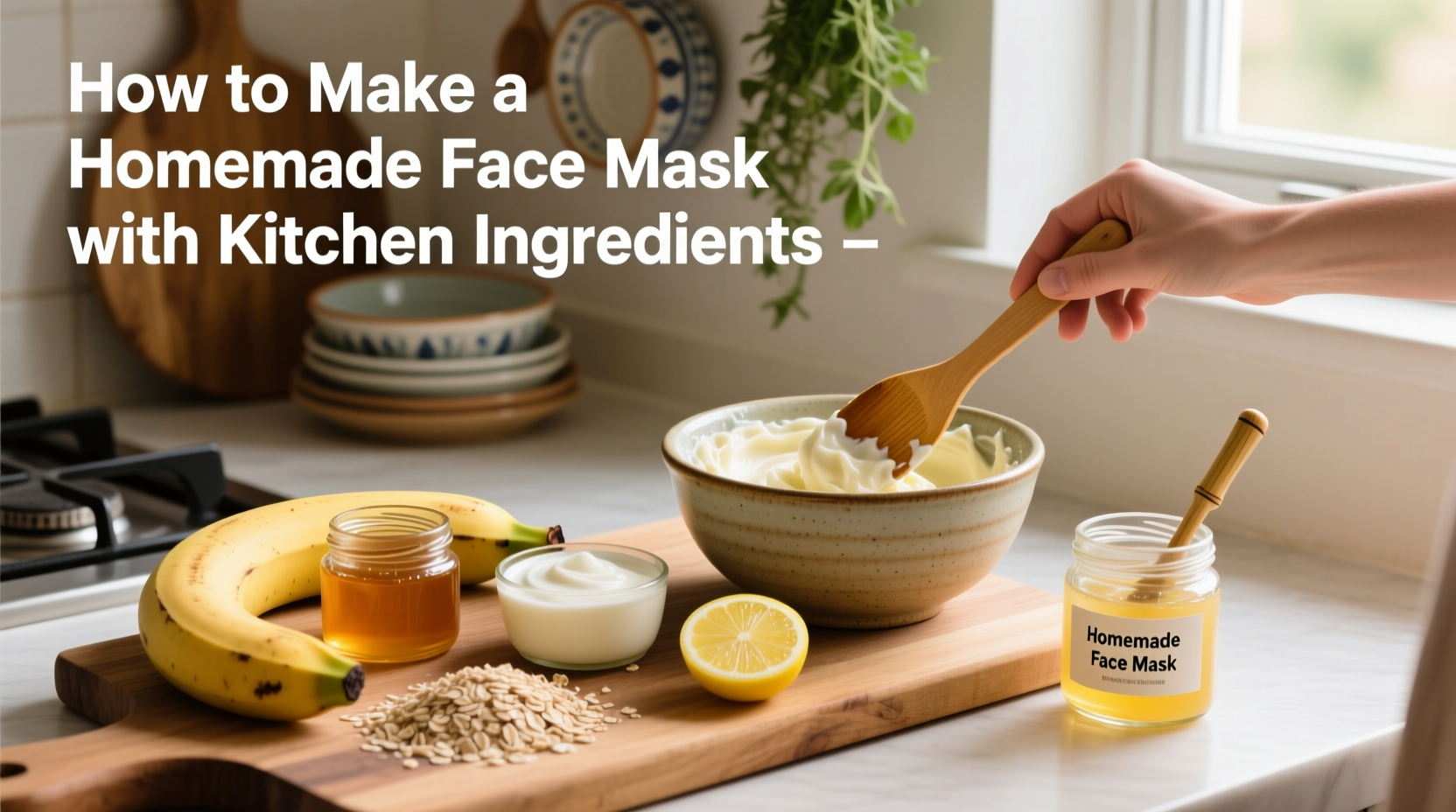
Natural ingredients have been used in skincare for centuries, long before modern cosmetics existed. What sets them apart is their bioavailability—your skin recognizes and absorbs nutrients like vitamins, enzymes, and fatty acids found in whole foods more efficiently than lab-created compounds.
- Honey is a humectant, meaning it draws moisture into the skin. It also has antibacterial and anti-inflammatory properties, making it ideal for acne-prone or sensitive skin.
- Oats contain saponins that gently cleanse, along with beta-glucan, which soothes irritation and strengthens the skin barrier.
- Yogurt contains lactic acid, a mild alpha-hydroxy acid (AHA) that exfoliates dead skin cells, brightens tone, and improves texture.
- Turmeric is rich in curcumin, a potent antioxidant and anti-inflammatory agent that helps reduce redness and even out skin tone.
- Avocado delivers essential fatty acids and vitamin E, deeply nourishing dry or mature skin.
These ingredients work synergistically when combined thoughtfully, offering targeted benefits without harsh chemicals or preservatives.
Step-by-Step Guide to Making Your First Homemade Mask
Creating a facial mask at home doesn’t require special tools or expertise. Follow this straightforward process to ensure safety, effectiveness, and optimal results.
- Identify your skin type: Determine whether your skin is oily, dry, combination, sensitive, or acne-prone. This guides ingredient selection.
- Gather fresh, organic ingredients: Use unprocessed, additive-free items whenever possible. Organic produce reduces exposure to pesticides.
- Prepare a clean workspace: Wash your hands thoroughly and use sanitized bowls and spoons to mix ingredients.
- Mix in small batches: Prepare only enough for one application to maintain freshness and potency.
- Apply evenly: Use clean fingers or a soft brush to spread the mask over cleansed skin, avoiding the eye area.
- Relax for 10–15 minutes: Let the mask sit while active ingredients penetrate the skin. Do not let clay-based masks dry completely.
- Rinse gently: Use lukewarm water and a soft cloth. Pat skin dry—do not rub.
- Follow with moisturizer: Seal in hydration with a light serum or cream suited to your skin type.
Best Time to Apply a DIY Mask
Evening is generally the best time to apply any facial treatment. Overnight recovery allows skin to absorb nutrients while minimizing environmental interference like pollution or UV exposure. However, a quick 10-minute mask during a lunch break can revitalize tired skin if followed by sunscreen.
Top 5 Homemade Face Mask Recipes by Skin Concern
Different skin concerns call for tailored formulations. Below are five proven recipes using only kitchen ingredients, each designed for specific needs.
1. Soothing Oat & Honey Mask (for Sensitive Skin)
Perfect for calming redness, irritation, or post-sun exposure.
- 2 tablespoons finely ground oats
- 1 tablespoon raw honey
- 1 tablespoon plain yogurt
Mix into a smooth paste. Apply for 12 minutes, then rinse with cool water. The oats act as a gentle buffer, while honey hydrates and protects.
2. Brightening Turmeric & Yogurt Mask (for Dull Skin)
Revives lackluster complexions with natural exfoliation and antioxidant power.
- 1 teaspoon turmeric powder (or fresh grated)
- 2 tablespoons plain Greek yogurt
- 1 teaspoon lemon juice (optional, for oily skin)
Combine carefully—turmeric can stain surfaces and towels. Leave on for 10 minutes. Rinse thoroughly. Note: Lemon increases photosensitivity; always follow with SPF if used in daytime.
3. Deep Hydration Avocado & Banana Mask (for Dry Skin)
A rich, emollient blend that replenishes moisture and reinforces the lipid barrier.
- ½ ripe avocado
- ½ ripe banana
- 1 teaspoon olive oil or almond oil
Mash until creamy. Apply a thick layer and leave for 15 minutes. Rinse with warm water. Ideal for winter months or after wind exposure.
4. Clarifying Egg White & Lemon Mask (for Oily/Acne-Prone Skin)
Tightens pores and controls excess sebum production.
- 1 egg white
- 1 teaspoon lemon juice
- 1 teaspoon honey (to prevent over-drying)
Whisk egg white until frothy, then add other ingredients. Apply in thin layers, allowing each to dry slightly before adding another. Remove after 12 minutes. Avoid if you have open blemishes—lemon may sting.
5. Exfoliating Coffee & Coconut Oil Scrub-Mask (for All Skin Types)
Doubles as a gentle scrub and nourishing mask. Best used once weekly.
- 2 tablespoons used coffee grounds (cooled and dried)
- 1 tablespoon melted coconut oil
- 1 teaspoon honey
Mix and gently massage onto damp skin in circular motions for 1 minute, then leave on for 10 more. Rinse well. Leaves skin smooth and refreshed.
Do’s and Don’ts of DIY Skincare
To get the most out of homemade face masks—and avoid adverse reactions—follow these guidelines.
| Do’s | Don’ts |
|---|---|
| Use fresh, organic ingredients | Use expired or spoiled food items |
| Store unused portions in the fridge for up to 24 hours | Keep mixed masks longer than one day |
| Label containers clearly if storing | Reuse applicators or double-dip fingers |
| Perform a patch test first | Apply citrus or strong spices (like cayenne) to broken skin |
| Adjust consistency with water, milk, or aloe vera gel | Add too many active ingredients at once |
Real Example: How Sarah Revived Her Skin After Harsh Weather
Sarah, a graphic designer from Portland, Oregon, struggled with flaky, irritated skin every winter. Store-bought moisturizers provided temporary relief but didn’t address the root issue. After researching natural remedies, she tried the avocado and banana mask twice a week for three weeks. “I was skeptical at first,” she says, “but after the second use, my skin felt softer and looked less red. By week three, I didn’t need to reapply moisturizer midday.” She now keeps a small notebook of her favorite recipes and adjusts them seasonally—switching to lighter yogurt-based masks in summer.
This real-world case illustrates how consistent, thoughtful use of kitchen ingredients can yield visible improvements—without expensive serums or dermatologist visits.
“Natural doesn’t mean risk-free. Even plant-based ingredients can cause reactions. Patch testing and moderation are key.” — Dr. Lena Torres, Dermatologist & Holistic Skincare Advocate
Frequently Asked Questions
Can I use these masks if I have acne?
Yes, but choose non-comedogenic ingredients. Honey, yogurt, and oat-based masks are generally safe. Avoid heavy oils like coconut if you’re prone to clogged pores. Never use sugary or dairy-laden mixes if they trigger breakouts—everyone reacts differently.
How often should I apply a homemade face mask?
For most people, 1–2 times per week is sufficient. Over-masking—even with natural ingredients—can disrupt your skin’s pH and barrier function. Sensitive skin types may limit use to once every 10 days.
Will turmeric stain my skin?
Fresh or powdered turmeric can temporarily tint very fair skin yellow, especially in concentrated amounts. To minimize staining, mix with yogurt or honey (which dilute color), rinse thoroughly, and follow with a gentle toner. Staining usually fades within a few hours.
Checklist: Your DIY Face Mask Success Plan
Before making your next kitchen mask, run through this checklist to ensure safety and effectiveness:
- ✅ Identified my current skin concern (dryness, oiliness, sensitivity, etc.)
- ✅ Chosen ingredients appropriate for my skin type
- ✅ Checked expiration dates on all components
- ✅ Washed hands and sanitized mixing tools
- ✅ Performed a patch test on my jawline or behind the ear
- ✅ Prepared only enough for one use
- ✅ Set a timer to avoid overexposure
- ✅ Have a soft towel and moisturizer ready post-rinse
Final Thoughts and Call to Action
Skincare doesn’t have to be complicated or costly. Some of the most effective treatments come from humble kitchen staples that have stood the test of time. By understanding how ingredients interact with your skin and approaching DIY masking with care, you can create personalized routines that are both sustainable and results-driven. These recipes are not just about aesthetics—they encourage mindfulness, self-care, and a deeper connection to what you put on your body.
Start simple. Try one mask that aligns with your current skin need. Observe how your skin responds over the next few days. Adjust ingredients as needed. Keep notes. Share your experience. The journey to healthier skin begins not in a lab, but in your own home.




 浙公网安备
33010002000092号
浙公网安备
33010002000092号 浙B2-20120091-4
Comments
No comments yet. Why don't you start the discussion?