
In an age where screens dominate our daily lives—from smartphones and laptops to tablets and televisions—keeping them clean is essential for visibility, hygiene, and longevity. However, many commercial screen cleaners contain harsh chemicals that can degrade anti-glare or oleophobic coatings over time. A safer, more cost-effective alternative? Making your own screen cleaning solution at home.
The right homemade formula cleans effectively without leaving streaks, damaging sensitive surfaces, or exposing you to volatile organic compounds (VOCs). But not all DIY solutions are created equal. Some popular recipes circulating online use ingredients that can harm screens, such as vinegar on anti-reflective coatings or alcohol on certain plastics. This guide walks you through the science-backed method of crafting a safe, efficient, and eco-friendly screen cleaner using simple household items.
Why You Should Avoid Commercial Cleaners and Common DIY Mistakes
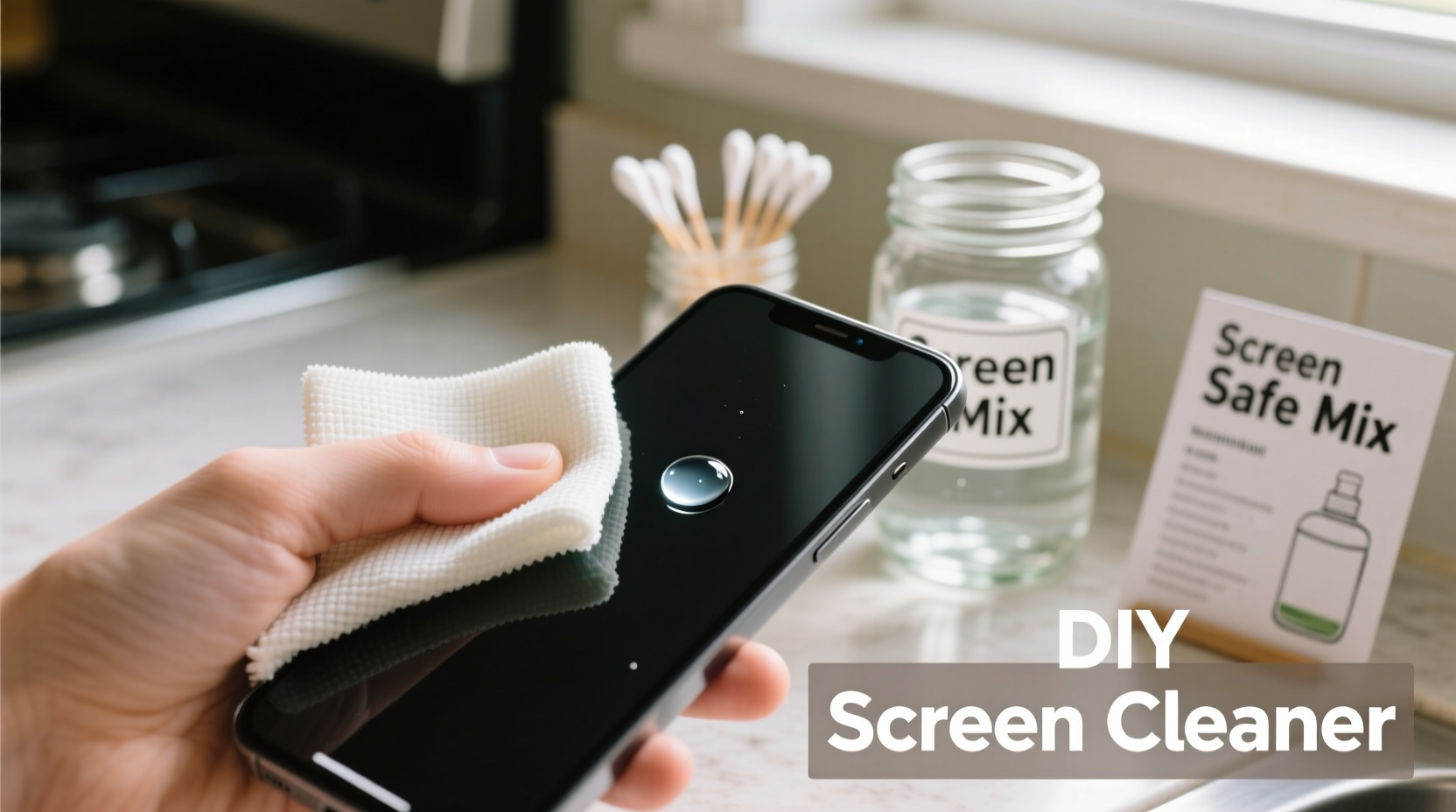
While store-bought screen cleaners promise convenience, many contain ammonia, acetone, or high concentrations of isopropyl alcohol—all of which can erode protective screen layers. Over time, these chemicals cause clouding, hazing, or permanent coating damage, especially on modern devices with specialized finishes.
Similarly, viral DIY hacks often recommend mixing vinegar and water. While vinegar is a strong degreaser, its acidity can compromise anti-reflective and anti-fingerprint coatings found on premium screens. Apple, Samsung, and other manufacturers explicitly warn against using vinegar-based solutions on their devices.
The Science of Safe Screen Cleaning
Screens—especially those on phones, tablets, and monitors—are coated with delicate materials designed to repel oil, reduce glare, and resist scratches. These include:
- Oleophobic coatings: Repel fingerprints and oils from skin.
- Anti-reflective coatings: Reduce glare in bright environments.
- Hydrophobic layers: Resist moisture and smudging.
These coatings are typically only a few nanometers thick and can be degraded by abrasive cloths, acidic substances, or solvents stronger than 70% isopropyl alcohol. The ideal cleaning solution must lift dust and oils without stripping these protective layers.
“Using anything beyond a soft microfiber cloth and a pH-neutral cleaner risks long-term screen degradation.” — Dr. Lena Torres, Materials Scientist at the Consumer Electronics Safety Institute
Step-by-Step Guide to Making Your Own Safe Screen Cleaner
Creating a safe, effective homemade screen cleaner takes less than five minutes and requires just three ingredients. Follow this precise method to ensure compatibility with all screen types, including OLED, Retina, and touchscreens.
- Gather Supplies:
- Distilled water (not tap water—to avoid mineral deposits)
- 70% isopropyl alcohol (do not use higher concentrations)
- Mild dish soap (free of dyes, lotions, or degreasers)
- Spray bottle (preferably glass or BPA-free plastic)
- Microfiber cloth (lint-free, ideally designed for lenses or screens)
- Prepare the Solution:
- Add ½ cup (120 ml) of distilled water to the spray bottle.
- Add ½ cup (120 ml) of 70% isopropyl alcohol.
- Add one small drop (no more than ¼ ml) of clear, fragrance-free dish soap.
- Mix Gently: Swirl the bottle lightly to combine. Do not shake vigorously, as this creates foam that can leave residue.
- Label the Bottle: Clearly mark it “Screen Cleaner – For External Use Only” to avoid accidental misuse.
- Test First: Apply a small amount to a discreet corner of the screen to check for adverse reactions.
This balanced formula uses alcohol to dissolve oils and disinfect, distilled water to dilute and rinse, and a trace of dish soap to break down stubborn smudges—all while maintaining a near-neutral pH that won’t corrode coatings.
Do’s and Don’ts of Screen Cleaning
| Do’s | Don’ts |
|---|---|
| Use a lint-free microfiber cloth | Use paper towels, tissues, or clothing (can scratch) |
| Turn off the device before cleaning | Clean a powered-on screen (increases static and risk) |
| Spray the solution onto the cloth, not the screen | Spray liquid directly onto any device |
| Clean weekly to prevent grime buildup | Wait until the screen is heavily soiled |
| Use 70% isopropyl alcohol max | Use pure alcohol, vinegar, or window cleaners |
Real Example: How Sarah Fixed Her Foggy Laptop Screen
Sarah, a freelance graphic designer, noticed her MacBook Pro screen had developed a persistent haze after months of using a vinegar-water mix she found online. Despite regular wiping, colors looked dull, and reflections worsened. Concerned about damaging her display further, she consulted a repair technician.
The technician explained that the vinegar had stripped the anti-reflective coating, causing permanent light scattering. He recommended switching to a gentler solution and provided a sample of a 70% alcohol-based cleaner. Sarah began using the DIY recipe outlined here and replaced her old cotton rag with a microfiber cloth.
Within two weeks, her screen was visibly clearer, though the underlying coating damage remained irreversible. “I learned the hard way,” she said. “Now I keep a small bottle of my homemade cleaner at my desk and remind my kids to use it too.”
Alternative Formulas for Special Cases
While the standard recipe works for most screens, some situations call for modified approaches:
- For children’s tablets or shared devices: Increase the isopropyl alcohol to 60% of the solution for added disinfection, but never exceed 70%. Add a few drops of tea tree oil (a natural antimicrobial) if desired—only if no one using the device has sensitivities.
- For eyeglasses or camera lenses: Omit the dish soap entirely. Use a 1:1 mix of distilled water and 70% isopropyl alcohol. Lens coatings are even more fragile than those on screens.
- For deep cleaning keyboard keys or phone cases: Use the full recipe with dish soap, but apply it to a cloth or cotton swab—never pour it into openings.
Note: Never use baking soda, lemon juice, or hydrogen peroxide on screens. These are either abrasive or reactive and may cause irreversible damage.
Checklist: Safe Screen Cleaning Routine
To maintain optimal screen clarity and device hygiene, follow this monthly maintenance checklist:
- ☐ Turn off and unplug the device
- ☐ Use compressed air to remove dust from bezels and ports
- ☐ Dampen a microfiber cloth with homemade solution (never saturate)
- ☐ Wipe gently in circular motions, avoiding pressure
- ☞ Focus on oily areas (fingerprints, nose marks)
- ☐ Dry immediately with a second clean, dry microfiber section
- ☐ Store the cleaner in a cool, dark place away from children
- ☐ Inspect the microfiber cloth for wear or stains
Frequently Asked Questions
Can I use tap water instead of distilled water?
No. Tap water contains minerals like calcium and magnesium that can leave behind white, cloudy residues on screens. Distilled water is purified and free of impurities, making it the only safe choice for DIY solutions.
Is it safe to clean a phone screen with alcohol wipes?
Only if they contain 70% isopropyl alcohol or less. Many pre-moistened wipes use higher concentrations or include additives like fragrances or surfactants that can damage coatings. When in doubt, stick to your homemade solution applied via cloth.
How often should I clean my screens?
For personal devices, once a week is sufficient. High-touch screens in shared environments (e.g., kitchen tablets, office monitors) should be cleaned every 2–3 days. Immediate cleaning is recommended after exposure to grease, sweat, or makeup.
Final Thoughts and Call to Action
Keeping your screens clean doesn’t require expensive products or risky chemicals. With a simple blend of distilled water, moderate-strength alcohol, and a drop of gentle soap, you can maintain crystal-clear displays while protecting their delicate coatings. The key is consistency, proper tools, and avoiding common misconceptions about what constitutes a “strong” cleaner.
By adopting this safe, science-based approach, you extend the life of your devices, improve visual clarity, and reduce exposure to unnecessary toxins. Plus, you’ll save money over time compared to buying branded screen sprays.




 浙公网安备
33010002000092号
浙公网安备
33010002000092号 浙B2-20120091-4
Comments
No comments yet. Why don't you start the discussion?