
For many families, the Christmas tree is the centerpiece of holiday joy—twinkling lights, cherished ornaments, and the unmistakable scent of pine. But when young children enter the picture, that same festive symbol becomes a potential hazard. Toddlers are naturally curious, drawn to shiny objects and soft textures, making an unsecured tree irresistible. The combination of dangling cords, breakable decorations, and electrical lighting can lead to accidents in seconds. Fortunately, with thoughtful planning and practical modifications, it’s entirely possible to enjoy a beautiful, glowing tree while keeping little ones safe. This guide walks through proven methods to childproof your Christmas tree without sacrificing style or spirit.
Why Kid-Proofing Your Tree Matters
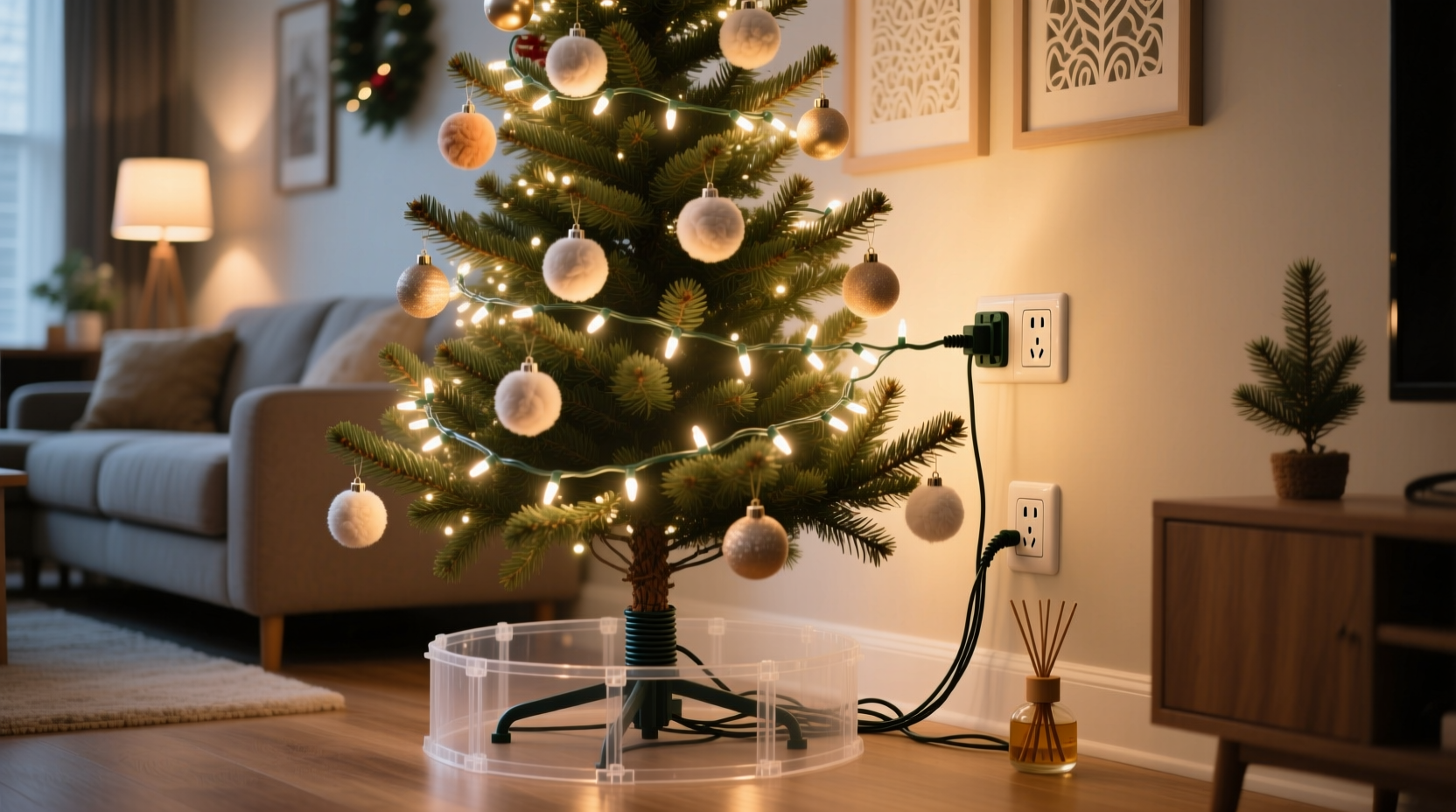
A decorated Christmas tree presents multiple risks for young children: tripping over exposed cords, pulling down heavy branches, breaking glass ornaments, or even chewing on low-hanging light strands. According to the U.S. Consumer Product Safety Commission (CPSC), thousands of children under age five are treated annually for injuries related to holiday decorations. Many of these incidents involve falls from trees or electric shock from damaged wiring. A wobbly tree or frayed cord may seem minor until a toddler tugs at it during play.
Creating a kid-proof setup isn’t about removing all fun—it’s about reimagining safety as part of the decoration process. A well-anchored tree with secure lighting doesn’t just prevent emergencies; it gives parents peace of mind and allows kids to engage safely with the season’s magic.
Step-by-Step: Building a Stable, Safe Tree Base
The foundation of a kid-proof tree starts below the branches. An unstable base is the most common cause of tree collapses. Follow this sequence to ensure stability from the ground up:
- Choose the right stand: Use a weighted metal stand over lightweight plastic models. Look for stands rated for trees heavier than yours to provide extra margin for error.
- Anchor the stand: Place sandbags, decorative boxes filled with books, or non-slip mats around the base. These add weight and create a visual barrier.
- Screw into walls (if possible): For permanent installations or homes with frequent toddlers, use eye bolts and fishing line or thin wire to tether the top third of the tree to a wall stud. Make sure lines are tight and nearly invisible.
- Position wisely: Avoid high-traffic areas like hallways or near furniture corners where kids might bump into it during play.
- Check daily: After setup, inspect the stand each morning for loosening screws or shifting weight, especially after enthusiastic play nearby.
Even artificial trees benefit from anchoring. While they’re lighter than live pines, their rigid branches can still topple if pulled upon. Consider placing the tree in a corner where two walls offer passive support, reducing the need for visible tethers.
Selecting and Securing Child-Safe Lighting
Lights bring warmth and charm to any tree, but they also pose electrical and burn risks. Low-voltage LED strings are the safest choice—they emit minimal heat, consume less energy, and are less likely to overheat. Here’s how to install them securely:
- Start by stringing lights from the trunk outward, wrapping gently around thicker branches to hide cords.
- Use twist ties or reusable zip ties to fasten light strands every 6–8 inches along sturdier limbs. This prevents sagging and keeps cords out of reach.
- Avoid running extension cords across floors. If necessary, tape them flat against baseboards with painter’s tape, or cover them with cord protectors.
- Plug lights into a surge protector with an automatic shutoff feature, placed high on a shelf or behind furniture.
Never leave lights on overnight or when no adults are present. Timers are invaluable here—they can switch lights off automatically after bedtime and turn them back on in the morning.
“LED lights not only reduce fire risk due to lower heat output, but their durability makes them ideal for homes with pets and children.” — Dr. Linda Reeves, Electrical Safety Consultant, National Home Safety Institute
Ornament Strategy: Balancing Beauty and Safety
Traditional ornaments often include fragile materials like glass, sharp edges, or small detachable parts. To minimize risk while preserving tradition, adopt a tiered ornament approach:
| Tree Zone | Safe Materials | Avoid | Child Access Level |
|---|---|---|---|
| Bottom Third (0–3 ft) | Felt, fabric, wood, large paper crafts | Glass, mirrors, small bells | High – within easy reach |
| Middle Section (3–5 ft) | Plastic, coated metal, soft resin | Breakable items, dangling strings longer than 6 inches | Moderate – reachable with a boost |
| Top Third (5+ ft) | All types, including heirlooms | None (out of reach) | Low – requires adult assistance |
Engage older children by letting them decorate the lower sections with handmade ornaments. This fosters inclusion while teaching responsibility. Store sentimental or hazardous pieces in clear, labeled containers for future years when kids are older.
Real Example: The Martinez Family’s Solution
The Martinez family in Austin, Texas, has twin toddlers aged 18 months. Last holiday season, their first fully decorated tree ended in chaos—within hours, one child pulled down a strand of lights, while the other broke a vintage glass star. Determined to try again, they redesigned their setup using safety-first principles.
They purchased a pre-lit artificial tree with built-in LED lights to eliminate loose cords. Around the base, they placed a wooden crate painted red to match their decor, filled with books to add weight. They used fishing line to anchor the top of the tree to a wall behind the sofa, blending it into the garland. On the lower branches, they hung only soft fabric stars and large wooden shapes made by the kids during craft time. Higher up, they displayed family heirlooms and twinkling snowflakes.
The result? A stunning tree that stayed upright throughout the holidays. Their toddlers could touch the bottom safely, point at lights, and feel included—without danger. “We didn’t have to say ‘no’ every five minutes,” said Maria Martinez. “That made the season calmer for everyone.”
Essential Checklist: Kid-Proof Your Tree in One Hour
Follow this concise action list before turning on the lights:
- ✅ Choose a sturdy, weighted tree stand
- ✅ Anchor the tree to a wall or ceiling if possible
- ✅ Use only cool-burning LED lights
- ✅ Secure all light strands with twist ties every 6–8 inches
- ✅ Keep cords taped or covered along floor paths
- ✅ Plug into a timer-equipped surge protector
- ✅ Decorate the bottom third with soft, unbreakable ornaments
- ✅ Store glass, small, or sharp items above 5 feet
- ✅ Perform a gentle shake test—push the trunk slightly to ensure no tipping
- ✅ Establish a nightly routine: turn off lights and check for loose items
Common Mistakes to Avoid
Even well-intentioned setups can fall short. Watch out for these pitfalls:
- Using flammable skirts: Tinsel or synthetic tree skirts can catch fire if near hot bulbs. Opt for flame-resistant fabrics or natural burlap.
- Overloading outlets: Plugging too many light strings into one socket increases fire risk. Spread the load across different circuits.
- Hanging tempting toys too low: Avoid placing stuffed animals or battery-operated decorations within grabbing distance—they encourage climbing.
- Ignoring pet safety: Dogs and cats may chew cords too. Use bitter-tasting cord covers if pets are present.
- Skipping night checks: Lights left on unattended increase fire risk. Always use timers or manual cutoffs.
FAQ: Common Questions About Safe Holiday Trees
Can I use a real tree with young kids?
Yes, but take extra precautions. Real trees dry out and become fire hazards. Water daily, keep away from heaters, and remove the tree promptly after Christmas. Use a tight-fitting metal stand and consider a physical barrier like a baby gate around the base.
Are pre-lit artificial trees safer?
Generally, yes. Factory-installed lights are evenly spaced, securely wired, and often use LEDs. They reduce tangled cords and the risk of DIY mistakes. Just inspect for damage each year and never splice multiple sets together unless designed for it.
What if my child already touched a light cord?
If the cord was intact and the lights were functioning normally, the risk is low—especially with LEDs. However, if you notice burns, redness, or unusual behavior, seek medical advice immediately. In the future, use outlet covers and cord organizers to prevent access.
Final Thoughts: Celebrate Safely, Not Sacrifice Joy
A kid-proof Christmas tree isn’t about limiting celebration—it’s about enabling it. With smart anchoring, secure lighting, and thoughtful decoration, families can enjoy the beauty of the season without constant worry. The goal isn’t perfection but preparedness: creating an environment where wonder and safety coexist.
Children grow quickly. The intense vigilance needed today will ease in just a few years. For now, investing time in a stable, child-friendly setup pays dividends in calm mornings, joyful photos, and memories free from mishaps. Start early, involve the whole family, and remember—your safest tree is also likely your most peaceful one.




 浙公网安备
33010002000092号
浙公网安备
33010002000092号 浙B2-20120091-4
Comments
No comments yet. Why don't you start the discussion?