
There’s something deeply grounding about the scent of a pine forest—crisp air, damp soil, resinous needles, and a hint of cold mountain breeze. It evokes clarity, calm, and connection to nature. While commercial air fresheners often rely on synthetic fragrances, you can create an authentic pine forest aroma at home using natural ingredients. This guide walks you through crafting a long-lasting, eco-friendly reed diffuser that brings the essence of evergreen woods into your living space.
Why Recreate a Pine Forest Scent?
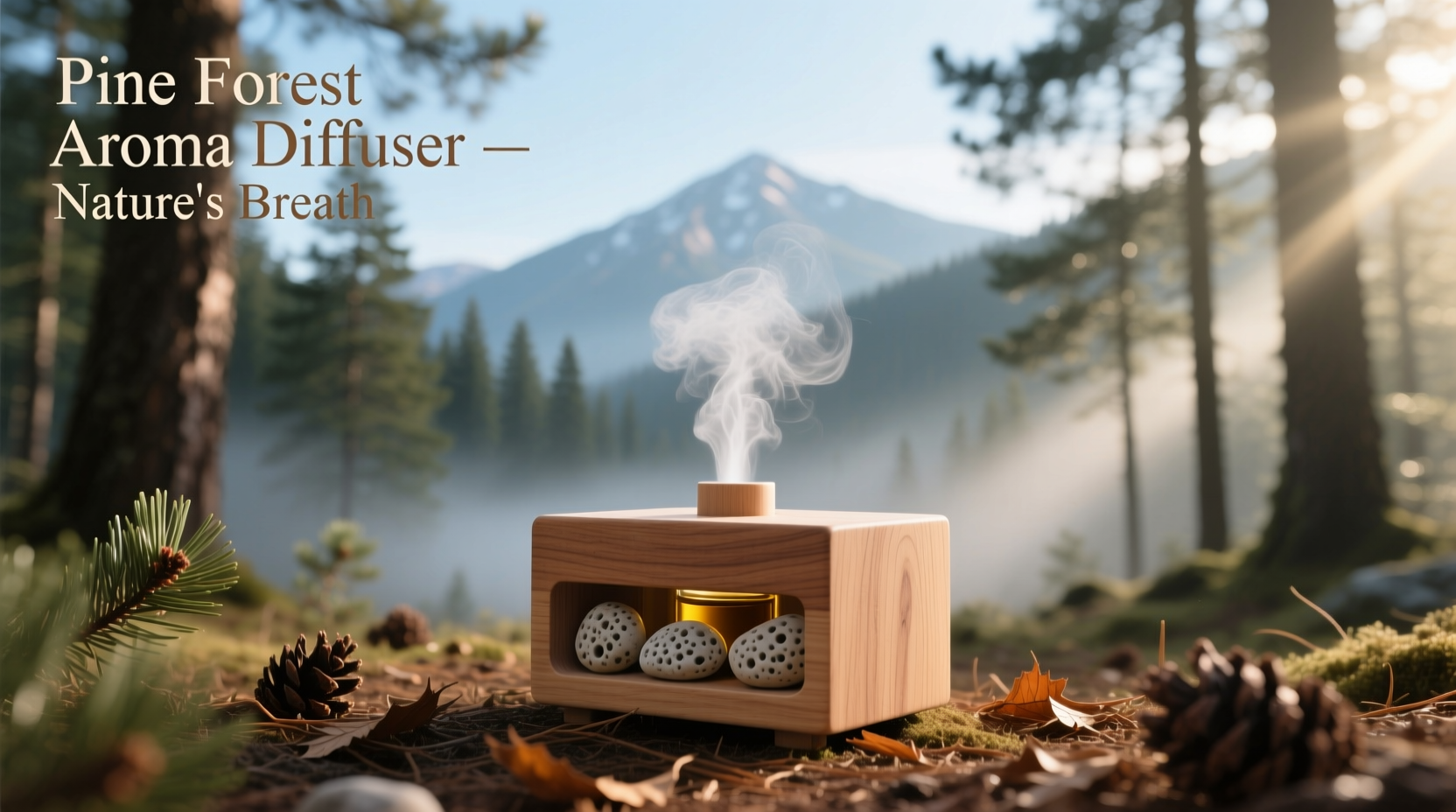
The fragrance of pine isn’t just pleasant—it has measurable psychological benefits. Studies in environmental psychology suggest that exposure to forest-like scents can reduce stress, improve focus, and elevate mood. The terpenes found in pine needles, such as pinene and limonene, are known for their antimicrobial and uplifting properties. By making your own diffuser, you avoid phthalates, parabens, and artificial dyes commonly found in store-bought options.
Creating a homemade pine forest diffuser also allows full control over intensity, longevity, and authenticity. Whether you live in a city apartment or a suburban home, this sensory experience can transport you to a quiet woodland trail with every breath.
Choosing the Right Ingredients for Authenticity
A convincing pine forest aroma is more than just “pine-scented.” It’s a layered profile: bright top notes from citrusy terpenes, middle tones of fresh greenery, and base notes of woody earth and bark. To replicate this complexity, use a blend of essential oils and natural botanicals rather than relying on a single oil.
Essential Oils That Capture the Forest
- Pine Essential Oil – The foundation. Extracted from *Pinus sylvestris*, it delivers sharp, clean evergreen notes.
- Fir Needle Oil – Softer and slightly sweeter than pine, adds depth and realism.
- Cedarwood Oil – Contributes warm, dry woodiness, mimicking fallen trunks and forest floor.
- Black Spruce Oil – Offers a balsamic, slightly medicinal quality reminiscent of sap and cold air.
- Lemon or Grapefruit Oil (optional) – A few drops add brightness, simulating sunlight filtering through branches.
Natural Botanical Enhancers
To deepen the olfactory illusion, consider adding physical elements that release subtle scent when disturbed:
- Dried pine needles (lightly crushed)
- Small pinecones
- Twigs of spruce or fir (ensure they’re clean and pest-free)
These won’t diffuse continuously but add realism when placed near the diffuser or incorporated into a decorative display.
Step-by-Step Guide: Making Your Pine Forest Reed Diffuser
This method produces a non-toxic, alcohol-free diffuser that releases fragrance gradually over 4–6 weeks. You can adjust the strength and composition based on room size and personal preference.
- Gather Supplies
- 1 small glass bottle (4–8 oz), narrow-neck preferred
- 6–10 reed diffuser sticks (rattan reeds work best)
- 1/4 cup carrier oil (sweet almond, safflower, or fractionated coconut oil)
- 30–40 drops total of essential oils (see blend below)
- Funnel (optional, for clean pouring)
- Prepare the Bottle
Wash the glass container with warm, soapy water and let it dry completely. Any residue can interfere with oil absorption.
- Mix the Carrier and Essential Oils
In a small bowl, combine the carrier oil with your chosen essential oil blend. For a balanced pine forest profile, try this ratio:
Oil Drops Role in Scent Profile Pine 15 Top note – crisp, clean evergreen Fir Needle 10 Middle note – soft conifer freshness Cedarwood 8 Base note – warm, woody depth Black Spruce 5 Base note – balsamic, earthy Lemon (optional) 2 Top note – bright, airy lift Stir gently with a glass rod or spoon to blend.
- Pour Into the Bottle
Use a funnel to transfer the oil mixture into the glass bottle without spilling. Fill to about 3/4 full to allow space for reeds.
- Add the Reeds
Insert 6–10 rattan reeds into the bottle. More reeds = stronger scent throw. Let them soak for 24 hours before flipping.
- Flip and Maintain
After 24 hours, flip the reeds so the saturated ends are exposed to the air. This initiates evaporation and scent diffusion. Flip weekly to refresh the aroma.
Customizing for Season and Space
Your ideal pine forest scent may vary depending on the time of year or room function. Here’s how to tailor the blend:
- Winter/Warmth Blend: Increase cedarwood to 12 drops, reduce lemon. Add 2 drops of clove or cinnamon bark for a cozy, fireside feel.
- Summer/Freshness Blend: Boost pine and fir to 18 and 12 drops respectively. Include 4 drops of grapefruit for a sunlit meadow effect.
- Bedroom/Calm Blend: Reduce pine to 10 drops, increase black spruce to 10, and add 3 drops of lavender for relaxation.
- Bathroom/Clean Blend: Maximize pine (20 drops) and add 5 drops of eucalyptus for a spa-like, antiseptic freshness.
For larger rooms, use two diffusers placed diagonally. In smaller spaces like offices or closets, a single 4-oz bottle is sufficient.
Do’s and Don’ts of Natural Diffuser Care
| Do | Don’t |
|---|---|
| Use rattan reeds—they have natural capillary channels for optimal wicking | Use bamboo or synthetic sticks; they absorb poorly |
| Store unused reeds in a sealed bag to prevent clogging | Leave reeds exposed to dust or direct sunlight |
| Place diffuser away from vents and drafts for even dispersion | Put near open windows or heaters—this accelerates evaporation |
| Flip reeds weekly to refresh scent | Flip too frequently (more than once a week)—this depletes oil faster |
| Top up with carrier oil as level drops | Refill with only essential oils—this can overwhelm and damage surfaces |
Real Example: Transforming a City Apartment
Sophie, a graphic designer in Chicago, struggled with seasonal fatigue during gray winter months. Her studio apartment felt closed-in, and artificial air fresheners gave her headaches. After reading about forest bathing’s mental health benefits, she decided to recreate the scent of the Upper Peninsula woods she visited as a child.
She made a pine forest diffuser using a recycled amber bottle, a custom blend of pine, fir, and cedarwood, and added dried pine needles in a small dish nearby. Within days, she noticed improved focus during work sessions and a deeper sense of calm in the evenings. “It doesn’t just smell nice,” she said. “It feels like a reset button for my brain.”
She now rotates blends seasonally and keeps one in her bedroom and another by her desk. Friends often comment on the “cabin in the woods” vibe—without realizing it’s all homemade.
Expert Insight: The Science Behind Scent and Memory
“The olfactory system has direct links to the amygdala and hippocampus—the brain regions responsible for emotion and memory. Scents like pine trigger vivid recollections of outdoor experiences, even if unconsciously. A well-crafted natural diffuser doesn’t just mask odors; it reshapes your emotional environment.” — Dr. Lena Torres, Neuroscientist & Aromachology Researcher, University of Oregon
This neurological connection explains why a simple scent can evoke such powerful feelings of peace or nostalgia. When you replicate a real-world environment like a pine forest, you’re not just perfuming a room—you’re influencing mood, attention, and even sleep quality.
Troubleshooting Common Issues
Even well-made diffusers can encounter problems. Here’s how to fix them:
- Scent is too weak: Increase the number of reeds or refresh with 5–10 more drops of essential oil. Ensure the reeds haven’t become clogged—replace if darkened or stiff.
- Scent is too strong: Remove 2–3 reeds or switch to a smaller bottle. Place in a larger room or near ventilation.
- Oil isn’t traveling up reeds: Check that reeds are fully inserted and not blocked. New reeds may take 12–24 hours to saturate.
- Carrier oil feels greasy on furniture: Use a tray or coaster under the bottle. Opt for fractionated coconut oil—it’s less viscous and less likely to spill.
- Color fading on reeds: Natural discoloration is normal. Replace reeds every 4–6 weeks for optimal performance.
FAQ
Can I use fresh pine needles instead of essential oils?
Fresh pine needles release minimal volatile compounds when submerged in oil and can promote mold. They’re best used as decorative accents near the diffuser, not as primary scent sources. For safety and effectiveness, stick to distilled essential oils.
How long does a homemade diffuser last?
With proper care, a 6-oz diffuser lasts 4–8 weeks depending on airflow, temperature, and number of reeds. Warmer rooms and frequent flipping shorten lifespan. Store extra oil blends in dark glass bottles for up to 6 months.
Are pine-based diffusers safe around pets?
Pine essential oil is toxic to cats and can irritate dogs in high concentrations. If you have pets, place the diffuser in a room they don’t access, or use pet-safe alternatives like diluted fir or cedarwood in very low doses. Always consult a veterinarian before use.
Checklist: Build Your Pine Forest Diffuser in 7 Steps
- Choose a clean, narrow-neck glass bottle (4–8 oz)
- Gather 6–10 rattan reed sticks
- Select carrier oil (sweet almond or fractionated coconut)
- Blend essential oils: 15 pine, 10 fir, 8 cedarwood, 5 spruce, 2 lemon (adjust to taste)
- Mix 30–40 drops total with 1/4 cup carrier oil
- Pour into bottle and insert reeds
- Wait 24 hours, then flip reeds to activate diffusion
Conclusion: Bring the Forest Home, One Breath at a Time
Creating a scent diffuser that truly smells like a pine forest is more than a DIY project—it’s an act of sensory restoration. In a world dominated by synthetic stimuli, taking the time to craft something natural, intentional, and emotionally resonant is a form of self-care. With just a few quality ingredients and mindful blending, you can transform any indoor space into a sanctuary of evergreen calm.
The beauty of this method lies in its simplicity and adaptability. You’re not locked into a single formula. Experiment with ratios, seasons, and moods. Let your diffuser evolve like the forest itself—dynamic, layered, and alive.




 浙公网安备
33010002000092号
浙公网安备
33010002000092号 浙B2-20120091-4
Comments
No comments yet. Why don't you start the discussion?