
The egg and tomato stir fry is a humble yet iconic dish that bridges home kitchens across cultures—particularly in Chinese, Middle Eastern, and Mediterranean households. It requires minimal ingredients, cooks in under 15 minutes, and delivers a satisfying balance of protein, acidity, and richness. Despite its simplicity, mastering this dish lies in understanding the interplay between texture, timing, and seasoning. When executed well, the result is fluffy scrambled eggs nestled in a glossy, lightly sweet-tart tomato sauce, ideal served over steamed rice or tucked into a sandwich. This guide provides a detailed, professional approach to crafting the perfect version at home, with insights on technique, ingredient selection, and customization.
Definition & Overview
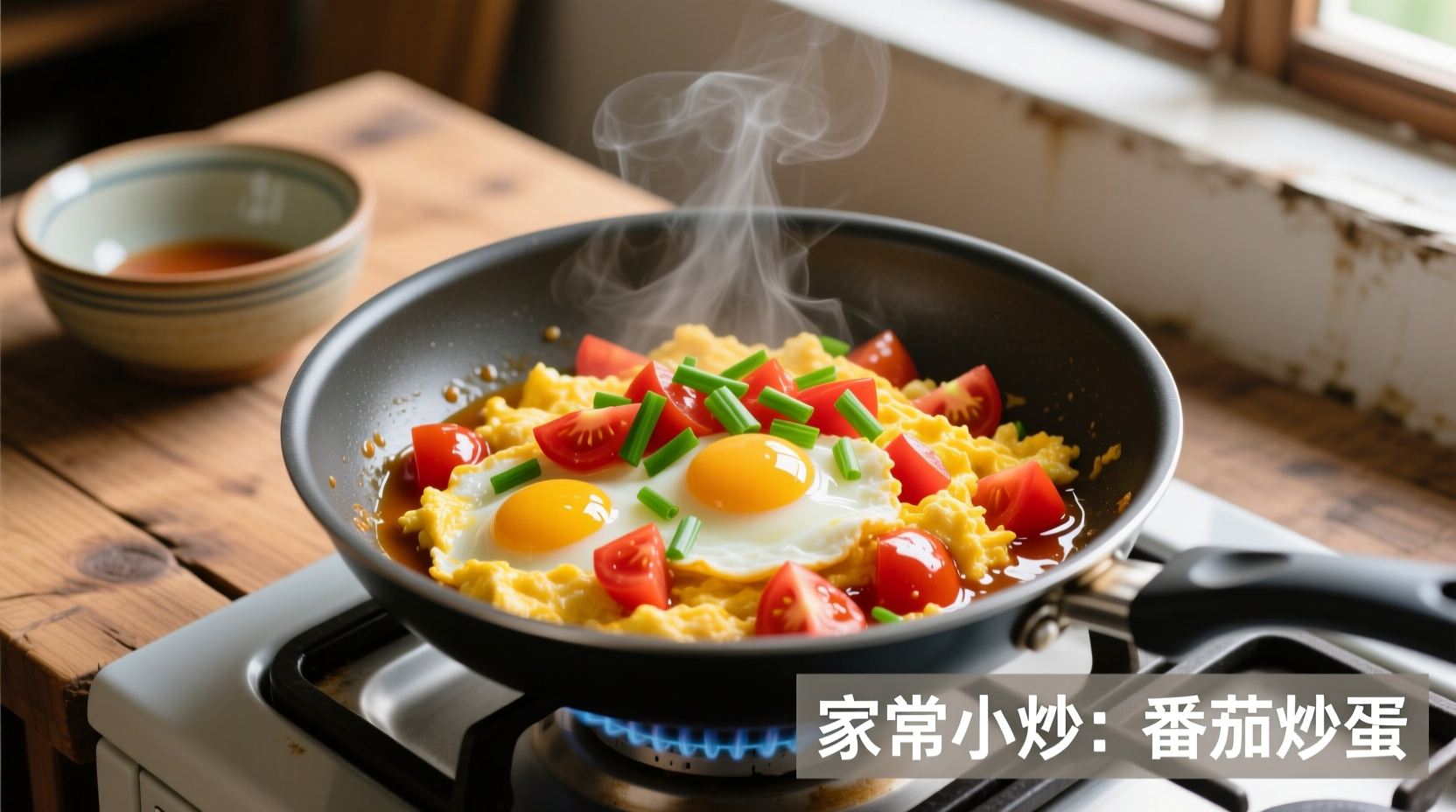
Egg and tomato stir fry is a quick-cooked dish combining beaten eggs and fresh tomatoes, typically seasoned with salt, sugar, and aromatic oil. While variations exist globally, the most widely recognized form originates from northern Chinese home cooking, where it is known as xī hóng shì chǎo jī dàn (西红柿炒鸡蛋). The dish exemplifies the Chinese culinary principle of xiān yán (鲜咸)—a savory freshness achieved through balanced seasoning rather than heavy spices.
It belongs to the category of everyday comfort food: affordable, nutritious, and adaptable. Unlike elaborate restaurant fare, this preparation celebrates seasonal ingredients and fundamental techniques like controlled scrambling and gentle reduction. Its flavor profile is bright and slightly sweet, with umami depth from the eggs and subtle tang from ripe tomatoes. The dish is often enhanced with scallions, garlic, or a splash of Shaoxing wine, but never overwhelmed by complexity.
Beyond China, similar combinations appear in Turkish menemen, Israeli breakfasts, and Italian-style scrambled eggs with tomatoes. However, the Chinese stir-fried version distinguishes itself through high-heat wok cooking, precise layering of ingredients, and a saucy consistency designed to coat rice.
Key Characteristics
| Characteristic | Description |
|---|---|
| Flavor | Bright, mildly sweet, savory; balanced acidity from tomatoes, richness from eggs |
| Aroma | Clean, warm, subtly eggy with a hint of cooked tomato and sesame or vegetable oil |
| Color/Form | Vibrant red-orange sauce with golden-yellow curds of egg; semi-liquid consistency |
| Texture | Soft, custardy eggs; tender, partially broken-down tomatoes; light sauce |
| Culinary Function | Main dish or side; often paired with rice, noodles, or bread |
| Shelf Life | Best consumed immediately; refrigerates up to 3 days; reheats well on low heat |
Practical Usage: Step-by-Step Guide
Creating an exceptional egg and tomato stir fry hinges on two critical phases: preparing the eggs properly and managing the tomato’s moisture and acidity. Follow this method for consistent, restaurant-quality results.
Ingredients (Serves 2–3)
- 4 large eggs
- 3 medium ripe tomatoes (about 500g)
- 2 tablespoons vegetable oil (or peanut oil)
- 1 tablespoon light soy sauce (optional)
- ½ teaspoon fine sea salt (adjust to taste)
- 1 teaspoon granulated sugar
- 1 scallion, thinly sliced (white and green parts separated)
- 1 small garlic clove, minced (optional)
- 1 teaspoon sesame oil (for finishing)
Equipment
- Wok or large nonstick skillet
- Mixing bowls (2)
- Whisk or chopsticks
- Wooden spatula
Method
- Prep the tomatoes: Blanch tomatoes in boiling water for 30 seconds, then transfer to ice water. Peel off the skins. Cut into 1-inch chunks. Removing the skin ensures a smoother texture and faster breakdown during cooking.
- Beat the eggs: Crack eggs into a bowl. Add a pinch of salt and 1 teaspoon water per egg. Whisk vigorously until fully blended and slightly frothy. The added water creates steam during cooking, yielding fluffier eggs.
- Scramble the eggs first: Heat 1 tablespoon oil in a wok over medium-high heat until shimmering. Pour in the eggs and let them set slightly at the edges. Gently push the curds from the outside toward the center, folding softly. Remove from the wok just before fully set—when still slightly runny—onto a plate. Overcooking at this stage leads to rubbery eggs. Set aside.
- Build the tomato base: Add remaining oil to the wok. Sauté white parts of scallion and garlic (if using) for 10–15 seconds until fragrant. Add tomatoes, salt, and sugar. Stir-fry for 1–2 minutes to release juices, then reduce heat to medium-low. Cover and simmer for 3–4 minutes, allowing tomatoes to break down into a loose sauce. Uncover and cook another 2 minutes to thicken slightly.
- Combine and finish: Return the eggs to the wok. Gently fold into the tomato sauce using a spatula. Avoid vigorous stirring to preserve soft curds. Add light soy sauce (if using) and mix lightly. Finish with green scallion and a drizzle of sesame oil. Serve immediately.
Pro Tip: For a silkier texture, some chefs strain the cooked tomato mixture before adding the eggs. This removes seeds and excess pulp, resulting in a velvety sauce—ideal for refined presentations.
Variants & Types
While the basic formula remains constant, regional and household adaptations reflect local tastes and available ingredients. Understanding these variants allows home cooks to experiment while preserving the dish’s essence.
1. Northern Chinese Style (Classic)
The benchmark version described above. Features peeled tomatoes, soft scrambled eggs, a touch of sugar to balance acidity, and minimal aromatics. Often includes a spoonful of tomato paste for deeper color and body in colder months when tomatoes are less ripe.
2. Sichuan-Inspired (Spicy Version)
Add ½ teaspoon chili flakes or 1 tablespoon doubanjiang (fermented broad bean paste) when sautéing aromatics. Introduces a complex umami heat. Some versions include preserved vegetables like zha cai for crunch and saltiness.
3. Vegetarian-Friendly (No Soy Sauce)
Omits soy sauce entirely, relying on salt and natural sweetness. May include bell peppers or zucchini for added volume and nutrition. Popular in Buddhist vegetarian cuisine.
4. Western Fusion (Breakfast Style)
Served open-faced on toast or folded into an omelet. Incorporates butter, black pepper, and herbs like parsley or basil. Sometimes includes cheese such as feta or goat cheese for contrast.
5. Restaurant Technique (Double-Cooked Eggs)
Professional kitchens sometimes deep-fry the scrambled eggs briefly after cooking to create a cloud-like texture that absorbs sauce without disintegrating. This method, while indulgent, enhances mouthfeel and visual appeal.
| Variant | Key Modifications | Best For |
|---|---|---|
| Northern Chinese | Peeled tomatoes, sugar, sesame oil | Everyday meals, family dinners |
| Sichuan Spicy | Doubanjiang, chili oil, pickled veg | Heat lovers, bold flavors |
| Vegetarian Light | No soy sauce, added veggies | Health-conscious, plant-based diets |
| Western Fusion | Butter, herbs, cheese, bread | Brunch, casual dining |
| Restaurant-Style | Fried eggs, refined plating | Dinner parties, gourmet presentation |
Comparison with Similar Ingredients/Dishes
Egg and tomato stir fry is often confused with other egg-based dishes. Understanding distinctions ensures proper technique and expectations.
| Dish | Key Differences | When to Use |
|---|---|---|
| Shakshuka | North African/Middle Eastern; tomatoes stewed with onions, peppers, cumin, paprika; eggs poached, not scrambled | Serving for brunch with crusty bread |
| Menemen | Turkish; includes green peppers, sumac, pul biber; eggs stirred into sauce until softly set | Light lunch with yogurt and olives |
| Omelet with Tomatoes | Tomatoes folded inside; denser, baked or pan-seared; no sauce | Individual portions, sandwiches |
| Tomato Scramble (American Diner) | Often includes onions, ham, cheddar; cooked quickly, drier texture | Fast breakfast, bagels, hash browns |
“The secret to great egg and tomato stir fry isn’t complexity—it’s control. You’re coaxing two fragile ingredients into harmony. Too much heat ruins the eggs. Too little breaks down the tomatoes unevenly. It’s a dance of timing.”
— Chef Lin Mei, Beijing Culinary Institute
Practical Tips & FAQs
What type of tomatoes should I use?
Ripe, firm beefsteak or vine-ripened tomatoes work best. They have balanced acidity and sufficient flesh to yield a rich sauce. Avoid canned tomatoes unless fresh ones are unavailable—they lack brightness and can introduce metallic notes.
Can I skip peeling the tomatoes?
You can, but the skins may remain intact during cooking and create an unpleasant texture. Peeling improves mouthfeel and appearance, especially in formal settings.
Why add sugar to the tomatoes?
Sugar counteracts the natural tartness of tomatoes, especially out of season. It enhances their sweetness without making the dish sugary. A ratio of 1:2 (sugar to salt) maintains balance.
How do I prevent watery stir fry?
Simmer the tomatoes uncovered after initial cooking to evaporate excess liquid. Alternatively, remove seeds and gel before chopping—this reduces moisture content significantly.
Can I make it ahead?
Yes, but reheat gently over low heat to avoid overcooking the eggs. The dish often tastes better the next day as flavors meld. Store in an airtight container for up to 3 days.
Is it possible to freeze egg and tomato stir fry?
Not recommended. Freezing alters the texture of scrambled eggs, making them spongy and grainy upon thawing. Best enjoyed fresh or refrigerated short-term.
Are there vegan substitutions?
For a plant-based version, replace eggs with silken tofu crumbles or chickpea flour scramble. Season accordingly and adjust cooking time. Note that the flavor and texture will differ significantly.
What oil is best?
Use a neutral oil with a high smoke point—vegetable, canola, or peanut oil—for stir-frying. Finish with a few drops of toasted sesame oil for aroma. Avoid olive oil (except in Western fusion versions), as its flavor competes with the dish’s simplicity.
Should I use ketchup or tomato paste?
Ketchup is not traditional due to added vinegar and sweetness. Tomato paste, however, can be used sparingly (½ teaspoon) to deepen color and umami, especially with unripe tomatoes.
Expert Checklist: Signs of a Perfect Stir Fry
- Eggs are soft, moist, and custard-like—not browned or dry
- Tomatoes are broken down into a cohesive, glossy sauce
- Sauce clings to rice without pooling excessively
- Balance of sweet and savory is evident in every bite
- Aromatic finish from scallion and sesame oil lingers pleasantly
Summary & Key Takeaways
The egg and tomato stir fry is deceptively simple, yet its mastery reveals a cook’s attention to detail and respect for foundational techniques. At its core, it is a study in balance: temperature, seasoning, texture, and timing all converge to elevate basic ingredients into something deeply satisfying.
Choose ripe, flavorful tomatoes and handle them properly—peel and deseed if necessary. Treat the eggs gently, removing them from heat just before they’re fully set. Build a sauce, not a soup, by reducing the tomatoes adequately. Season thoughtfully, using sugar to harmonize acidity and soy sauce sparingly for depth.
Variations abound, from spicy Sichuan renditions to Western-inspired brunch plates, but the original remains unmatched in its quiet elegance. Whether served over jasmine rice in a weekday dinner or garnished with microgreens for guests, this dish proves that simplicity, when executed with care, is the highest form of culinary expression.
Try it tonight: Use this recipe as a template, then adapt based on your pantry and palate. Notice how small changes—like omitting sugar or adding garlic—alter the final character. Cooking is observation, repetition, and refinement.




 浙公网安备
33010002000092号
浙公网安备
33010002000092号 浙B2-20120091-4
Comments
No comments yet. Why don't you start the discussion?