
Starting a YouTube channel can feel overwhelming, especially with millions of creators already online. But success isn’t about being first—it’s about being consistent, authentic, and strategic. With over 2.7 billion logged-in monthly users, YouTube remains one of the most powerful platforms for sharing ideas, building communities, and even earning income. The key is knowing where to start and how to grow intentionally.
Step 1: Define Your Niche and Target Audience
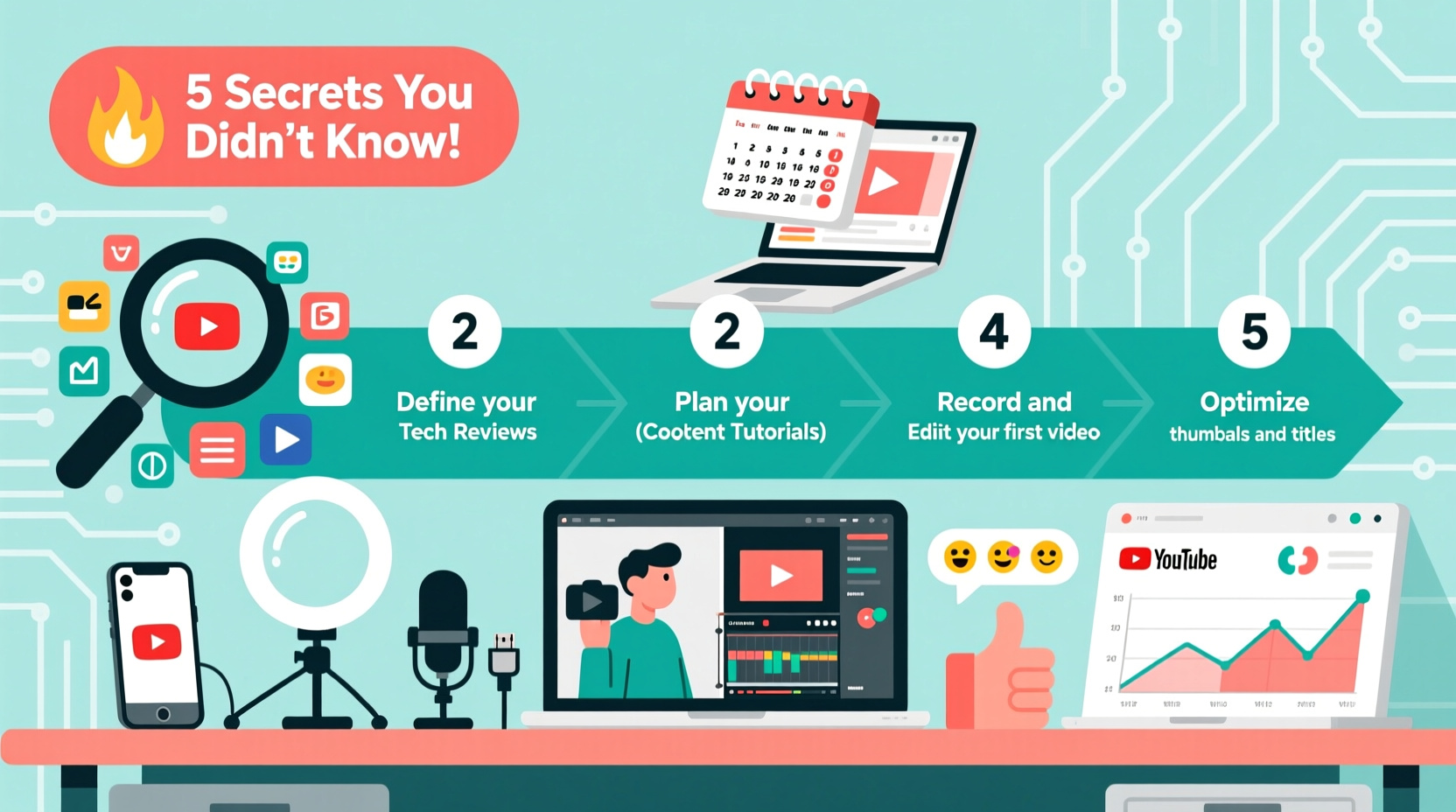
Before recording your first video, ask yourself: Who are you creating for? What value do you bring? A clear niche helps you stand out in a crowded space. Instead of trying to appeal to everyone, focus on a specific audience with shared interests—whether it's vegan baking, budget travel, coding tutorials, or personal finance for college students.
Narrowing your focus increases discoverability. YouTube’s algorithm favors channels that consistently serve a defined audience. For example, “Tech Tips for Seniors” is more targeted than “Technology Channel,” making it easier to build authority and loyalty.
Ask these questions before finalizing your niche:
- Can I create multiple videos on this topic without running out of ideas?
- Is there an existing audience searching for this content?
- Do I have unique experience or perspective to offer?
Step 2: Set Up Your Channel Professionally
Your YouTube channel is your digital storefront. First impressions matter. A well-branded channel builds trust and encourages viewers to subscribe.
- Create a Google Account (if you don’t have one) and sign in to YouTube.
- Go to YouTube Studio and customize your channel art, profile picture, and description.
- Write a compelling channel description that explains who you are, what you offer, and why viewers should subscribe.
| Element | Best Practices |
|---|---|
| Channel Name | Memorable, relevant to niche, easy to spell |
| Profile Picture | Clear logo or high-quality headshot (works at small sizes) |
| Banner Art | Includes tagline, upload schedule, or call-to-action; uses brand colors |
| About Section | Clear value proposition, keywords for SEO, links to social media |
Step 3: Plan and Produce High-Quality Content
Content quality doesn’t require expensive gear—it requires clarity, structure, and value. Focus on solving problems, entertaining, or educating your audience in every video.
Start by creating a content calendar. Plan at least 5–10 videos in advance. Each should address a common question, pain point, or interest within your niche. Use YouTube autocomplete or tools like Ubersuggest to find popular search terms.
Essential Equipment (Budget-Friendly Options):
- Camera: Smartphone (iPhone or Android with 1080p+) or entry-level DSLR
- Microphone: Lavalier mic ($20) or USB mic like Blue Yeti Nano
- Lighting: Natural light near a window or a softbox kit ($30)
- Editing Software: DaVinci Resolve (free) or iMovie
“Your first 10 videos won’t be perfect—and that’s okay. The goal is progress, not perfection.” — Casey Neistat, Filmmaker & YouTuber
Step 4: Optimize Videos for Discovery
YouTube is the second-largest search engine after Google. To get found, you need strong SEO practices.
Every video should include:
- A keyword-rich title (under 60 characters)
- A detailed description (first 2–3 sentences include main keyword)
- Relevant tags (mix of broad and specific)
- Custom thumbnail with readable text and high contrast
For example, instead of titling a video “My Travel Vlog #3,” use “How to Travel Europe on $50 a Day | Budget Tips for Beginners.” The latter targets a real search query and sets clear expectations.
Do’s and Don’ts of YouTube SEO
| Do | Don't |
|---|---|
| Use exact-match keywords in titles and descriptions | Stuff keywords unnaturally |
| Create custom thumbnails with facial expressions or bold text | Use misleading thumbnails (“clickbait”) |
| Add timestamps for longer videos | Ignore viewer retention metrics |
| Encourage likes and comments early in the video | Forget to add end screens or subscribe prompts |
Step 5: Grow Your Audience Strategically
Growth doesn’t happen overnight. Most successful creators take 6–12 months to gain traction. Consistency is more important than virality.
Upload on a reliable schedule—once a week is ideal for beginners. This trains both your audience and the algorithm to expect new content from you.
Engage with every comment in your first few months. Respond thoughtfully. This boosts engagement signals and builds community.
Real Example: From Zero to 10K Subscribers
Sarah, a former teacher, started a YouTube channel called “Simple Science at Home” during lockdown. She focused on 5-minute experiments parents could do with kids using household items. Her first video got 120 views. By uploading every Thursday and responding to every comment, she built momentum. After six months, one video on “DIY Lava Lamp” went viral with 350K views. Within nine months, she reached 10,000 subscribers and partnered with educational toy brands.
Her secret? Niche focus, consistency, and genuine interaction.
Checklist: Launch Your YouTube Channel in 7 Days
- Choose a specific niche and target audience
- Create a Google account and set up your YouTube channel
- Design a profile picture and banner
- Plan your first 5 video topics using keyword research
- Record and edit your first video (keep it under 8 minutes)
- Optimize title, description, tags, and upload a custom thumbnail
- Publish, share with friends, and respond to all early feedback
Frequently Asked Questions
How many subscribers do I need to monetize?
You need 1,000 subscribers and 4,000 valid public watch hours in the past 12 months to apply for the YouTube Partner Program and start earning ad revenue.
Can I start with just a smartphone?
Absolutely. Most top creators started with smartphones. Focus on good lighting, clear audio, and engaging content—not expensive gear.
What’s the best time to upload?
It depends on your audience. Generally, weekdays between 2–4 PM or evenings (7–9 PM) local time work well. Use YouTube Analytics to see when your viewers are most active.
Conclusion: Start Now, Improve Along the Way
Building a successful YouTube channel begins with action, not perfection. The most impactful creators weren’t the most talented at first—they were the ones who kept going. Every expert was once a beginner pressing “Upload” for the first time.
Define your purpose, show up consistently, and prioritize value over views. Over time, your audience will grow—not because you chased attention, but because you earned trust.




 浙公网安备
33010002000092号
浙公网安备
33010002000092号 浙B2-20120091-4
Comments
No comments yet. Why don't you start the discussion?