
The human body operates best within a narrow pH range. Blood pH, for example, is tightly regulated around 7.35 to 7.45—slightly alkaline. While the body has sophisticated mechanisms to maintain this balance, modern diets and lifestyles often push systems toward acidity. Chronic low-grade metabolic acidosis may contribute to fatigue, weakened bones, muscle loss, and inflammation. Though the kidneys and lungs manage pH daily, supporting them through diet and lifestyle can enhance long-term wellness. This guide outlines practical, evidence-informed strategies to encourage a more alkaline internal environment—naturally and sustainably.
Understanding Body pH and Alkaline Balance
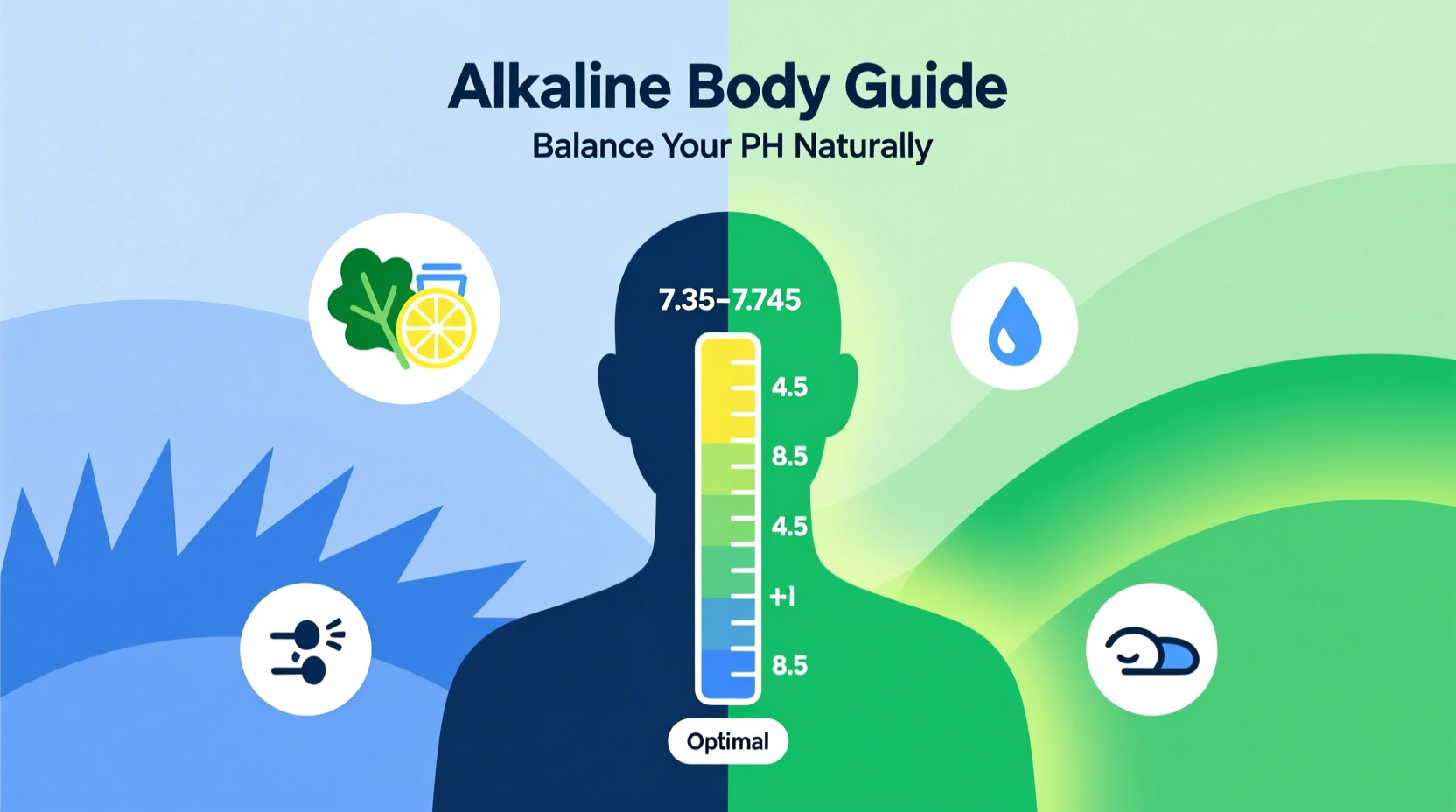
pH measures how acidic or alkaline a substance is on a scale from 0 (highly acidic) to 14 (highly alkaline), with 7 being neutral. Different parts of the body have varying pH levels: stomach acid is highly acidic (pH ~1.5–3.5) to break down food, while blood must remain slightly alkaline. Urine and saliva pH fluctuate and are often used as indicators in at-home testing, though they reflect excretion, not systemic pH.
The concept of \"alkalizing the body\" doesn’t mean changing blood pH—that’s dangerous and tightly controlled by the body. Instead, it refers to reducing dietary and environmental contributors to metabolic acid load, allowing the body to function with less strain. Diets high in processed foods, sugar, red meat, and refined grains generate more acid residues, forcing the kidneys and bones to buffer excess hydrogen ions. Over time, this burden may impact bone mineral density and kidney efficiency.
“While you can’t ‘alkalize’ your blood through diet, you can reduce the acid load your body must neutralize daily. That’s where whole plant foods shine.” — Dr. Susan Lanman, Integrative Nutrition Specialist
Foods That Support an Alkaline Environment
Diet plays the most significant role in influencing the body’s acid-base balance. The Potential Renal Acid Load (PRAL) index estimates how much acid or base a food produces during metabolism. Negative PRAL values indicate alkaline-forming effects; positive values denote acid-forming.
| Alkaline-Forming Foods (Negative PRAL) | Average PRAL (per 100g) |
|---|---|
| Spinach | -14.6 |
| Broccoli | -6.2 |
| Lemons (despite taste) | -2.6 |
| Bananas | -5.5 |
| Cucumbers | -2.1 |
| Acid-Forming Foods (Positive PRAL) | Average PRAL (per 100g) |
|---|---|
| Beef | +9.5 |
| Cheese (cheddar) | +8.8 |
| Rice (white) | +4.0 |
| Pasta | +3.8 |
| Coffee | +1.2 |
Despite their sour taste, citrus fruits like lemons and limes have a net alkalizing effect after metabolism. Focus on filling 70–80% of your plate with vegetables, fruits, nuts, seeds, and legumes. These foods are rich in potassium, magnesium, and calcium—minerals that act as natural buffers.
Step-by-Step Guide to Alkalizing Your Lifestyle
Creating lasting change requires consistent, manageable actions. Follow this 6-week timeline to gradually shift toward a more alkaline-supportive routine.
- Week 1: Audit Your Diet
Track everything you eat for three days. Highlight acid-forming items (processed snacks, meats, dairy, soda). Identify two meals to replace with plant-heavy options. - Week 2: Increase Greens
Add one large serving of leafy greens (kale, arugula, spinach) to lunch or dinner. Try blending greens into smoothies if texture is an issue. - Week 3: Replace One Animal Protein
Swap chicken or beef in one meal per day with lentils, chickpeas, or tofu. Legumes offer protein with a lower acid load. - Week 4: Hydrate Smartly
Replace sugary drinks or coffee with herbal teas or alkaline water. Aim for 2–3 liters of fluid daily, mostly from water and non-caffeinated sources. - Week 5: Reduce Refined Carbs
Switch white rice and bread for quinoa, millet, or oats. These grains are less acid-forming and higher in minerals. - Week 6: Monitor & Adjust
Use pH test strips on first-morning urine (target range: 6.5–7.5). Don’t obsess over numbers, but use trends to guide adjustments.
Common Misconceptions About Alkaline Diets
The popularity of alkaline diets has led to widespread myths. Understanding what’s supported by science helps avoid ineffective or harmful practices.
- Myth: You can “alkalize” your blood with food.
Reality: Blood pH is non-negotiable. The body will always prioritize keeping it stable, using bones and lungs if needed. - Myth: All acidic-tasting foods are acid-forming.
Reality: Lemons, apple cider vinegar, and tomatoes are acidic in taste but metabolize into alkaline byproducts. - Myth: Alkaline water is essential.
Reality: While some studies suggest benefits, regular filtered water is sufficient. Alkaline water may help those with acid reflux, but it’s not a necessity.
Real-Life Example: Maria’s Alkaline Shift
Maria, a 42-year-old teacher, struggled with low energy and frequent joint discomfort. Her typical day included toast and coffee for breakfast, a sandwich with chips for lunch, and grilled meat with potatoes at dinner. After learning about dietary acid load, she began making gradual changes.
She started adding a large green salad to her lunch and replaced afternoon soda with cucumber-infused water. Within three weeks, she swapped two dinners weekly with bean stews and roasted vegetables. She also began walking daily and reduced stress with evening breathing exercises.
After two months, Maria reported improved sleep, less bloating, and more sustained energy. Her morning urine pH shifted from consistently 5.8 to averaging 6.8. While not a medical cure, these changes supported her body’s natural balance and motivated her to continue.
Additional Lifestyle Factors That Influence pH Balance
Diet isn’t the only lever. Stress, sleep, and physical activity all affect acid-base equilibrium.
- Chronic Stress: Elevates cortisol and can increase acid production. Practice mindfulness, deep breathing, or yoga regularly.
- Sleep Deprivation: Disrupts hormonal balance and increases inflammation, contributing to acid load. Aim for 7–8 hours nightly.
- Sedentary Lifestyle: Poor circulation reduces CO₂ removal, impacting respiratory pH regulation. Daily movement helps.
Alkaline Balance Checklist
Use this checklist weekly to stay on track:
- ✅ Eat at least 5 servings of vegetables daily
- ✅ Include fruit at two meals
- ✅ Drink 2+ liters of water (limit caffeine and alcohol)
- ✅ Replace one animal protein with legumes or nuts
- ✅ Practice 10 minutes of stress-reducing activity
- ✅ Get 7+ hours of quality sleep
- ✅ Move your body for at least 30 minutes
FAQ: Common Questions About Alkaline Living
Can I eat meat on an alkaline-focused diet?
Yes, in moderation. Focus on smaller portions of lean meats and balance them with plenty of vegetables. Consider fish and poultry over red meat, which has a higher acid load.
Do I need to buy expensive alkaline water?
No. While alkaline water (pH 8–9) may offer minor benefits, plain filtered water works well. You can naturally increase water alkalinity by adding lemon, lime, or a pinch of baking soda (use sparingly).
Is it safe to follow an alkaline diet long-term?
Yes, especially when based on whole, plant-rich foods. This approach aligns closely with Mediterranean and plant-based diets, both linked to longevity and reduced chronic disease risk.
Final Thoughts: Small Shifts, Lasting Balance
Striving for an alkaline body isn’t about drastic overhauls or chasing perfect pH numbers. It’s about making sustainable choices that reduce the body’s daily acid burden. By emphasizing vegetables, staying hydrated, managing stress, and moving regularly, you support your body’s innate ability to maintain equilibrium.
These habits don’t just influence pH—they improve digestion, energy, immunity, and overall vitality. Begin with one change this week. Let it become routine, then build from there. True wellness grows from consistency, not perfection.




 浙公网安备
33010002000092号
浙公网安备
33010002000092号 浙B2-20120091-4
Comments
No comments yet. Why don't you start the discussion?