
Creating a DIY project is rewarding—but sharing it in a way that others can successfully replicate requires more than just listing materials and snapping photos. A well-crafted step-by-step guide transforms a personal craft into a teachable experience. Whether you're documenting a handmade lamp, a recycled furniture piece, or a textile art installation, the clarity of your instructions determines whether others will succeed—or give up halfway. The best guides are not only accurate but also intuitive, engaging, and inclusive of different learning styles.
This article breaks down the essential components of writing compelling, foolproof DIY guides. From planning your workflow to refining the final draft, you’ll learn how to structure content so that even beginners can follow along confidently.
1. Define Your Audience and Scope
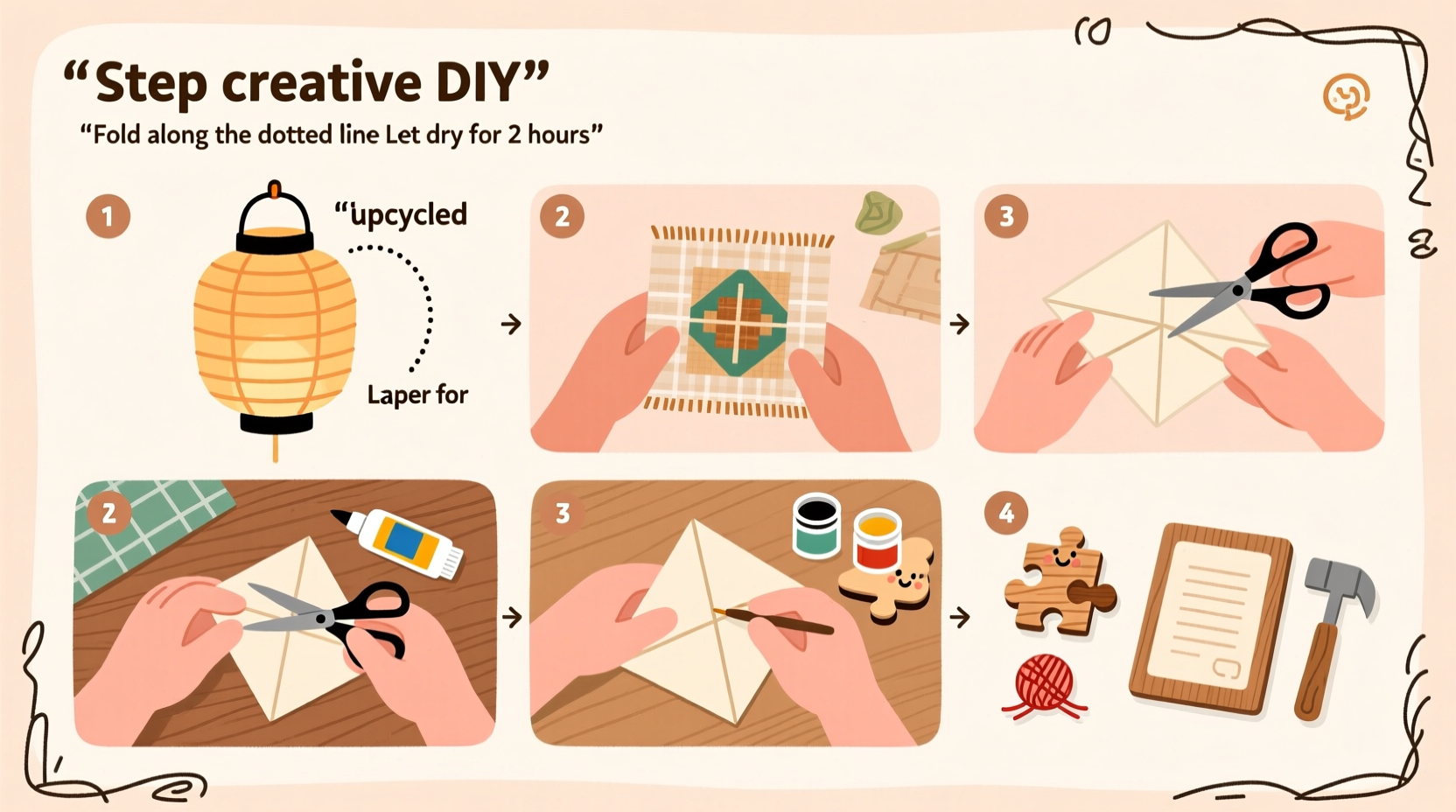
Before writing a single step, consider who will use your guide. Are they experienced makers, weekend hobbyists, or complete novices? Your audience’s skill level directly affects how much detail you include. A guide for children crafting paper lanterns needs simpler language and more safety warnings than one for woodworkers building a coffee table.
Equally important is defining the scope. Don’t try to cover every variation or advanced tip in one post. Focus on one clear outcome: “How to Build a Floating Shelf from Reclaimed Wood,” not “All Things You Can Do With Old Pallets.” Narrowing your topic keeps the guide focused and digestible.
2. Structure Your Guide Logically
A strong DIY guide follows a predictable rhythm. Readers should never wonder what comes next. Use this universal framework:
- Project Overview – Brief summary, estimated time, difficulty level.
- Materials & Tools – Complete list with specifications (e.g., “¾-inch pine board, 4 ft long”).
- Safety Notes – Required gear, ventilation needs, fire hazards.
- Step-by-Step Instructions – Numbered, chronological actions.
- Troubleshooting Tips – Common pitfalls and fixes.
- Customization Ideas – Optional upgrades or variations.
Each section serves a purpose. The overview sets expectations. The materials list prevents mid-project frustration. Safety builds trust. And customization encourages creativity without derailing the core process.
Timeline Example: Building a Wall-Mounted Herb Garden
| Phase | Time Estimate | Key Actions |
|---|---|---|
| Planning & Sourcing | 1–2 hours | Select containers, measure wall space, buy soil and seeds |
| Assembly | 90 minutes | Drill drainage holes, attach brackets, mount boxes |
| Planting | 30 minutes | Add soil, plant seedlings, water lightly |
| Ongoing Care | Daily/weekly | Water, rotate sun exposure, harvest leaves |
This timeline helps readers visualize the full commitment and prepare accordingly.
3. Write Clear, Action-Oriented Steps
The heart of any DIY guide is the instruction sequence. Each step should be:
- Numbered and sequential
- Begins with a verb (e.g., “Cut,” “Sand,” “Attach”)
- Limited to one action per step
- Free of jargon or explained when used
Instead of saying, “Prepare the surface,” say, “Use 120-grit sandpaper to smooth the wood panel for 2 minutes, then wipe away dust with a dry cloth.” Specificity eliminates guesswork.
For complex steps, break them down further. For example:
- Mark the center point of the board with a pencil.
- Align the hole saw bit with the mark.
- Hold the drill perpendicular to the surface.
- Apply steady pressure and drill at medium speed until the bit passes through.
- Remove the cutout and smooth the edges with sandpaper.
“Clarity isn’t about dumbing things down—it’s about removing ambiguity. Every word should serve the maker’s success.” — Dana Ruiz, Craft Educator and Author of *Making Accessible*
4. Include Practical Support Elements
Even the clearest text benefits from supporting features that reinforce understanding. Use these tools strategically:
Checklist: Pre-Writing Essentials
- Test the project yourself from start to finish
- Take notes during each phase
- Photograph or sketch each critical step
- List all materials with exact quantities
- Note time estimates for each stage
- Identify potential failure points
Completing this checklist ensures your guide is based on real experience, not assumptions. If you skip testing, you risk missing crucial details—like realizing the glue needs 24 hours to cure before painting.
Mini Case Study: The Failed Mosaic Planter
Sophie, a ceramic artist, published a tutorial for a mosaic flower pot using broken tiles and outdoor adhesive. She listed “strong glue” as a material but didn’t specify brand or type. Within days, comments flooded in: “My tiles fell off after two rains.” “The glue turned white.”
After revising, she updated the guide with the exact product name (E6000 Craft Adhesive), added a note about curing time, and included a tip to seal the finished piece with clear outdoor varnish. Complaints dropped to zero, and her guide became one of the most shared on her site.
The lesson? Assumptions break trust. Precision builds credibility.
5. Anticipate Questions and Simplify Language
Great guides answer questions before they’re asked. Place troubleshooting tips near likely problem areas. For instance, if aligning pieces is tricky, add: “If the boards don’t line up, loosen the clamp slightly and tap into position with a rubber mallet.”
Also, avoid passive voice and technical overload. Instead of “The application of the finish should be conducted in a ventilated environment,” write: “Paint in a well-ventilated room to avoid fumes.” Active, direct language improves comprehension.
Do’s and Don’ts Table
| Action | Do | Don't |
|---|---|---|
| Describing tools | “Use a Phillips-head screwdriver, size #2” | “Use a regular screwdriver” |
| Timing steps | “Let dry for 4 hours before sanding” | “Wait a while before moving on” |
| Safety advice | “Wear goggles when cutting metal” | “Be careful with sharp tools” |
| Measurements | “Cut three pieces at 18 inches each” | “Cut some medium-sized pieces” |
This contrast highlights how small wording changes dramatically improve usability.
Frequently Asked Questions
How detailed should my guide be?
Include every action needed for someone with minimal experience to complete the project. If you assume prior knowledge (e.g., “solder the wires”), briefly explain or link to a primer. When in doubt, over-clarify.
Can I reuse steps from other guides?
No. Repurposing content violates copyright and often misleads users if context differs. Always write original instructions based on your own process. If inspired by another creator, credit them and adapt thoughtfully.
How do I make my guide accessible?
Use plain language, descriptive headings, and alt-text-ready phrasing (even without images). Avoid color-only cues (e.g., “the red wire”) unless paired with labels. Offer metric and imperial measurements when possible.
Final Steps: Review, Test, Publish
Before publishing, conduct a final review:
- Read the guide aloud to catch awkward phrasing.
- Ask a beginner to follow it blindly and note confusion points.
- Verify all links, sources, and safety warnings are current.
- Cross-check the materials list against the steps.
A second test run—even years later—can reveal outdated techniques or better alternatives. Treat your guide as a living document that evolves with feedback.
Conclusion
Writing a step-by-step DIY guide is an act of generosity. You’re not just sharing a result—you’re offering a pathway for others to discover their own creativity. By structuring your content clearly, anticipating challenges, and writing with empathy, you empower makers of all levels to succeed.




 浙公网安备
33010002000092号
浙公网安备
33010002000092号 浙B2-20120091-4
Comments
No comments yet. Why don't you start the discussion?