
For home cooks seeking a low-carb, nutrient-dense alternative to traditional rice, Trader Joe’s frozen riced cauliflower has become a pantry staple. Packed with convenience and consistency, this product offers a reliable base for everything from stir-fries to grain-free bowls. However, achieving the ideal texture—light, fluffy, and free of excess moisture—requires more than simply heating it up. Understanding how to properly prepare and season Trader Joe’s riced cauliflower transforms it from a bland substitute into a flavorful, restaurant-quality side or main component. This guide provides a comprehensive breakdown of techniques, applications, and best practices to maximize its culinary potential.
Definition & Overview
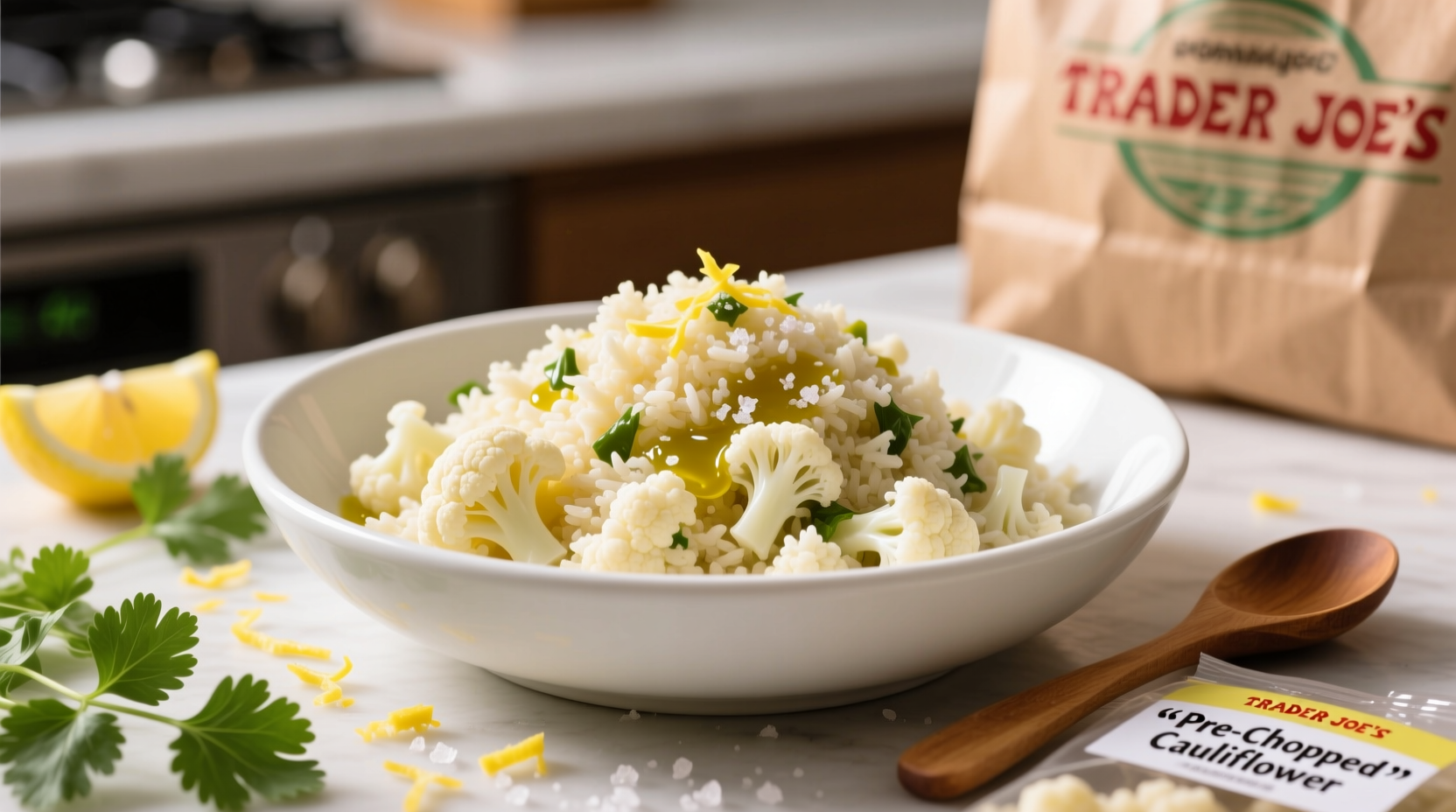
Cauliflower rice is a vegetable-based alternative to cooked rice made by grating or finely chopping cauliflower into small, rice-sized granules. Trader Joe’s offers this in pre-riced, frozen form under the label “Riced Cauliflower,” streamlining preparation for consumers who want to avoid the labor-intensive process of breaking down whole heads. The product contains only one ingredient: cauliflower. It is flash-frozen shortly after processing to preserve freshness and nutritional integrity.
Unlike grain-based rice, cauliflower rice is naturally gluten-free, low in carbohydrates, and rich in fiber, vitamin C, and antioxidants such as glucosinolates. Its neutral flavor profile allows it to absorb seasonings and complement a wide range of cuisines—from Mediterranean to Asian to Latin American. While it cannot replicate the chewy texture of long-grain rice exactly, when handled correctly, it achieves a satisfying, tender-crisp bite that integrates seamlessly into diverse dishes.
Key Characteristics
| Attribute | Description |
|---|---|
| Flavor | Mild, slightly nutty, and subtly sweet; absorbs surrounding seasonings well. |
| Aroma | Faintly vegetal when raw; develops a roasted, nuttier scent when sautéed. |
| Color/Form | White to pale ivory granules, uniformly sized (approximately 2–4 mm). |
| Texture (Cooked) | Tender but should retain slight firmness; prone to sogginess if overcooked or improperly drained. |
| Nutritional Profile (per ¾ cup serving) | 25 calories, 5g carbohydrates, 2g fiber, 2g protein, 50% DV vitamin C. |
| Shelf Life (Frozen) | Up to 12 months unopened; use within 3–4 days after thawing. |
| Culinary Function | Base for grain-free meals, thickener in soups, binder in veggie burgers, stuffing alternative. |
Practical Usage: How to Cook Trader Joe’s Riced Cauliflower
The success of cauliflower rice hinges on moisture control. Frozen riced cauliflower contains inherent water that, when released during heating, can lead to mushiness. Avoiding this requires strategic cooking methods tailored to the desired outcome.
Sauté Method (Recommended for Most Applications)
- Do not thaw: Cooking from frozen prevents premature moisture release.
- Heat oil in a large skillet: Use 1 tsp olive oil, avocado oil, or sesame oil over medium-high heat.
- Add frozen cauliflower directly: Pour 12 oz (one bag) into the hot pan in an even layer.
- Cook undisturbed for 4–5 minutes: Allow surface moisture to evaporate and light browning to occur.
- Stir and continue cooking: Break up clumps and cook another 3–5 minutes until tender but not soft.
- Season at the end: Add salt, pepper, garlic powder, or herbs just before removing from heat to prevent drawing out moisture.
This method yields the best texture for stir-fries, burrito bowls, and pilaf-style dishes. The high heat encourages evaporation and creates subtle caramelization, enhancing flavor depth.
Steaming Method (For Delicate Dishes)
When a softer texture is acceptable—such as in casseroles or infant food—steaming preserves nutrients while minimizing fat. Place frozen cauliflower in a steamer basket over boiling water. Cover and steam for 6–8 minutes until tender. Immediately transfer to a colander and press gently with a paper towel to remove excess water.
Oven-Roasting Method (For Maximum Flavor)
For deeper umami and a drier texture, spread frozen riced cauliflower on a parchment-lined baking sheet. Drizzle with 1 tsp oil and spread evenly. Roast at 425°F (220°C) for 20–25 minutes, stirring halfway, until golden at the edges. This technique excels in grain-free stuffing or as a crispy base for poke-style bowls.
Pro Tip: For every 12 oz bag, add ½ tsp cornstarch or arrowroot powder before sautéing. This binds residual moisture and improves texture stability, especially in saucy dishes.
Pairing Suggestions & Culinary Applications
Trader Joe’s riced cauliflower serves as a blank canvas. Strategic pairings elevate it into complete meals:
- Stir-Fry Base: Sauté with tamari, ginger, garlic, and vegetables. Top with tofu or shrimp. Try adding Trader Joe’s Mandarin Orange Chicken for a ready-made protein boost.
- Mexican-Inspired Bowls: Season with cumin, chili powder, lime juice, and cilantro. Layer with black beans, salsa, avocado, and grilled chicken.
- Mediterranean Style: Toss with lemon zest, oregano, Kalamata olives, cherry tomatoes, and feta cheese.
- Breakfast Hash: Cook with diced bell peppers, onions, smoked paprika, and top with a poached egg.
- Casseroles & Bakes: Mix into lasagna fillings or shepherd’s pie topping as a low-carb alternative to mashed potatoes.
Use a 1:1 substitution ratio when replacing cooked rice by volume. Note that due to lower starch content, it will not hold shape in molded dishes like risotto cakes without a binder such as egg or cheese.
Variants & Types
While the standard riced cauliflower remains the most versatile, Trader Joe’s occasionally rotates seasonal blends that expand usage possibilities:
| Product | Ingredients | Best Uses |
|---|---|---|
| Riced Cauliflower | 100% cauliflower | All-purpose; ideal for seasoning from scratch. |
| Cauliflower & Carrot Blend | Cauliflower, carrots | Adds natural sweetness; excellent in curries and stuffings. |
| Cauliflower & Broccoli Rice | Cauliflower, broccoli | Higher fiber and sulforaphane content; pairs well with bold spices. |
| Pre-Cooked Riced Cauliflower (Refrigerated) | Cauliflower, water, citric acid | Convenience-focused; reheat gently to avoid sogginess. |
The blended varieties offer enhanced nutrition and color but may require adjusted seasoning due to varying moisture levels. The refrigerated version is pre-steamed and designed for speed, though it lacks the textural resilience of frozen counterparts.
Comparison with Similar Ingredients
Cauliflower rice is often confused with other vegetable grains or substitutes. Understanding distinctions ensures proper application:
| Ingredient | Differences from Trader Joe’s Riced Cauliflower |
|---|---|
| White Rice | Higher in carbohydrates (45g per cup vs. 5g), chewier texture, distinct starch-driven mouthfeel. Not suitable for keto diets. |
| Zucchini Noodles (“Zoodles”) | Higher water content, softer texture, less heat-stable. Requires salting and draining before cooking. |
| Shredded Cabbage | More fibrous, stronger aroma when cooked, higher crunch. Common in slaws and Asian pancakes. |
| Commercial Cauliflower Rice (Other Brands) | Some include anti-caking agents or preservatives. TJ’s version is cleaner label but may vary slightly in cut size. |
| Homemade Riced Cauliflower | Fresher taste and customizable grind, but time-consuming. Moisture content depends on head quality and grating tool used. |
Unlike zucchini or cabbage, cauliflower rice maintains structural integrity better under moderate heat and absorbs flavors more neutrally. Compared to homemade versions, Trader Joe’s product offers consistent particle size and eliminates prep labor—a key advantage for weeknight cooking.
Practical Tips & FAQs
How do I prevent cauliflower rice from becoming soggy?
The primary cause of sogginess is excess moisture. Always cook from frozen, use high heat, and avoid covering the pan. After cooking, let it sit in the pan off-heat for 1–2 minutes to allow residual steam to escape. For extra dryness, spread on a clean kitchen towel and press gently.
Can I microwave Trader Joe’s riced cauliflower?
Yes, but with caveats. Place frozen cauliflower in a microwave-safe bowl, cover loosely, and cook on high for 4–5 minutes. Stir halfway. Drain any liquid immediately. Texture will be softer than stovetop methods, so reserve microwaving for mixed dishes like casseroles where uniform softness is acceptable.
How should I store leftovers?
Cool completely within two hours, then transfer to an airtight container. Refrigerate for up to 4 days. Reheat in a skillet over medium heat to restore texture—avoid microwaving if crispness is desired. Do not refreeze once thawed and cooked.
Is it worth buying frozen versus making my own?
From a cost perspective, whole cauliflower averages $2–3 per head, yielding about 4 cups riced. Trader Joe’s sells 12 oz bags (about 4 cups) for $1.99–$2.49. The price difference is minimal, but the time savings are significant—especially considering cleanup from grating. For frequent users, the frozen option offers superior efficiency.
What seasonings work best?
Because of its neutrality, cauliflower rice responds well to bold flavors. Recommended combinations:
- Umami Boost: Soy sauce, toasted sesame oil, garlic, scallions
- Herbaceous: Parsley, dill, lemon juice, chives
- Warm Spices: Turmeric, cumin, coriander, onion powder
- Creamy: Grated Parmesan, nutritional yeast, tahini
Can it be used in baked goods?
No. The high water content makes it unsuitable for flour substitution in baking. However, it can replace mashed potatoes in savory muffins or vegetable loaves when combined with eggs and cheese.
Expert Insight: \"The key to great cauliflower rice isn’t masking its flavor—it’s managing its structure. Think of it like cooking spinach: you’re not just heating it, you’re evaporating water. High heat, no thawing, and minimal stirring early on make all the difference.\" — Chef Elena Rodriguez, plant-forward culinary instructor
Summary & Key Takeaways
Trader Joe’s riced cauliflower is a convenient, nutritious substitute for grain-based rice when prepared with attention to moisture control and seasoning. Cooking from frozen using high-heat methods such as sautéing or roasting prevents sogginess and enhances flavor through gentle browning. Its versatility spans global cuisines, functioning effectively in stir-fries, bowls, casseroles, and breakfast dishes. While similar in appearance to other vegetable grains, its mild taste and stable texture distinguish it as a uniquely adaptable ingredient.
To achieve optimal results:
- Cook directly from frozen—do not thaw.
- Use high heat and avoid overcrowding the pan.
- Season at the end to preserve texture.
- Consider adding a small amount of starch to improve sauce adherence.
- Store leftovers properly and reheat in a skillet.
With these techniques, Trader Joe’s riced cauliflower transitions from a simple shortcut to a foundational element in health-conscious, flavor-forward cooking. Whether adapting family favorites or exploring grain-free cuisine, mastering this ingredient expands culinary possibilities without sacrificing convenience.




 浙公网安备
33010002000092号
浙公网安备
33010002000092号 浙B2-20120091-4
Comments
No comments yet. Why don't you start the discussion?