
Wine doesn't have to be expensive to be enjoyable. Many people assume that low-cost bottles are inherently flawed or harsh, but the truth is that even modest wines can deliver a surprisingly pleasant experience with the right handling. The key lies not in adding ingredients like sugar or fruit, but in understanding how temperature, aeration, glassware, and serving technique influence flavor. With a few thoughtful adjustments, you can elevate an inexpensive bottle into something balanced, aromatic, and smooth—without altering its composition.
The Science Behind Wine Perception
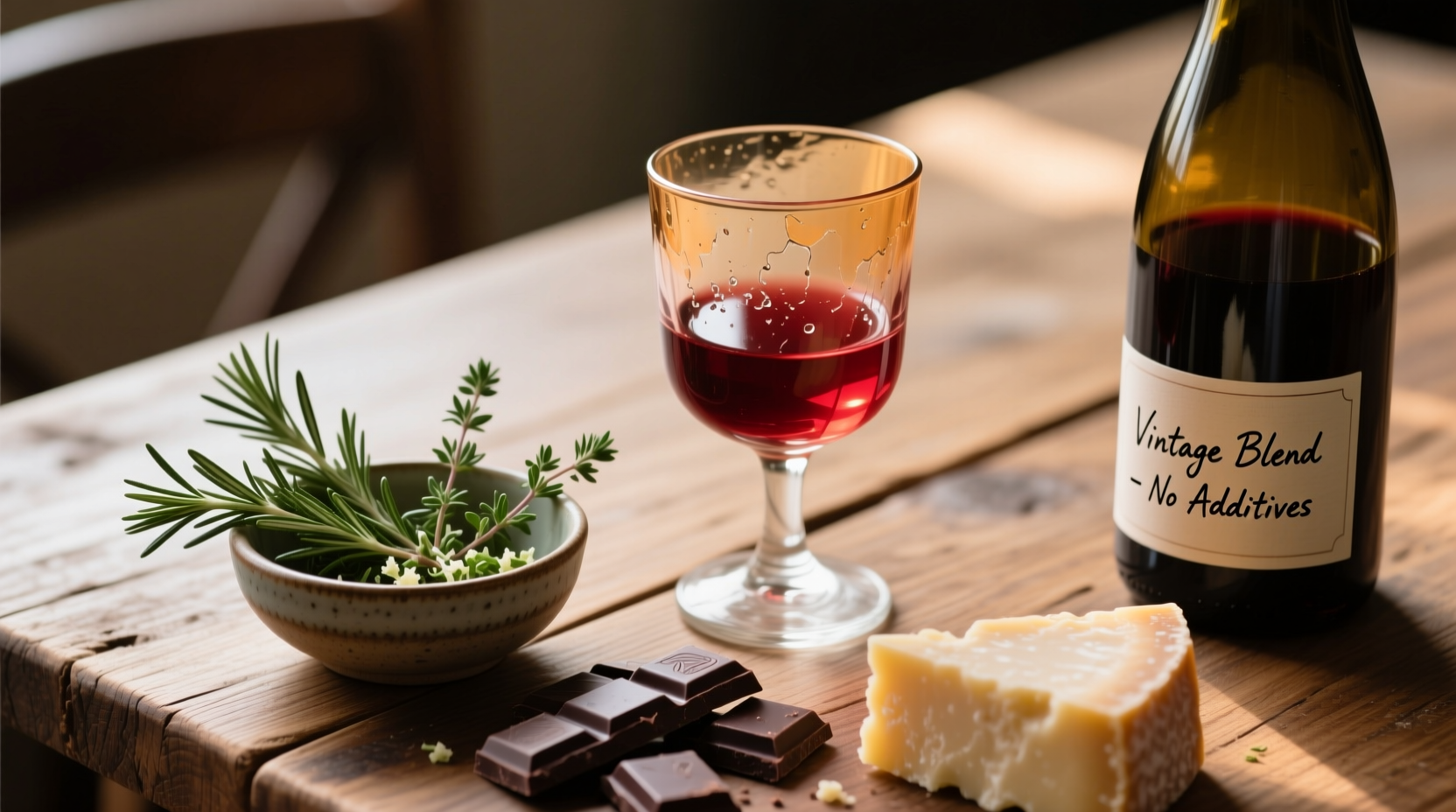
Before diving into practical tips, it's important to understand why cheap wine often gets a bad reputation—and why much of that perception is fixable. Lower-priced wines are typically made for mass production, which can mean faster fermentation, shorter aging, and the use of younger grapes. This often results in higher levels of tannins (in reds), volatile acidity, or residual sugar, leading to bitterness, sharpness, or cloying sweetness.
However, these characteristics aren’t permanent flaws. They’re chemical states influenced by environmental factors. For example, tannins soften when exposed to oxygen, and volatile compounds dissipate with time. Temperature affects viscosity and aroma release. The human palate also plays a role: our senses of smell and taste are highly sensitive to context, including glass shape, ambient temperature, and even expectations.
“Perception is everything in wine. A $10 bottle served correctly can outshine a $50 one served poorly.” — Dr. Laura Hernandez, Oenologist and Sensory Analyst, UC Davis
1. Aerate the Wine Properly
Aeration is perhaps the most powerful tool for improving cheap wine. Oxygen interacts with wine compounds, softening tannins, releasing trapped aromas, and reducing harsh alcohol notes. This process is especially beneficial for young red wines, which often taste closed or aggressive straight from the bottle.
You don’t need an expensive decanter. Simply pouring the wine from the bottle into a glass and swirling it introduces some oxygen. For greater effect, pour the entire bottle into a clean pitcher or large glass container and let it sit for 20–30 minutes. Swirl occasionally to accelerate oxidation.
White wines benefit from mild aeration too, though they require less time—just 10–15 minutes. Over-aerating whites can flatten delicate floral and citrus notes, so moderation is key.
2. Serve at the Correct Temperature
Temperature dramatically affects how we perceive wine. Too cold, and aromas remain locked; too warm, and alcohol dominates the nose. Cheap wines are especially vulnerable to temperature missteps because their balance is more fragile.
| Wine Type | Optimal Serving Temp (°F) | Effects of Incorrect Temp |
|---|---|---|
| Red (e.g., Cabernet, Merlot) | 60–65°F | Too warm: Alcohol overwhelms; too cold: Tannins feel harsh |
| White (e.g., Chardonnay, Sauvignon Blanc) | 45–50°F | Too cold: Flavors muted; too warm: Acidity feels flat |
| Rosé | 45–50°F | Warm temps accentuate sweetness and reduce freshness |
| Dessert Wines | 40–45°F | Higher temps make them cloying |
To achieve ideal temperatures, refrigerate reds for 15–20 minutes before serving if stored at room temperature. Whites should be chilled but not ice-cold—remove them from the fridge 10 minutes before pouring. Use a thermometer if precision matters, or rely on touch: the bottle should feel cool but not frosty.
3. Choose the Right Glassware
Glass shape isn’t just about aesthetics—it directs wine flow and concentrates aromas. A narrow glass traps bouquet; a wide bowl allows volatile compounds to evaporate and enhances nose development. Even a basic $3 glass with a tapered rim performs better than a tumbler.
For reds, use a larger bowl to maximize air contact. For whites, a smaller, U-shaped glass preserves cooler temps and focuses crisp aromas. Avoid drinking wine from mugs, jars, or plastic cups—they absorb odors and distort flavor.
4. Let It Breathe Over Time: The Overnight Method
One of the most underrated tricks is simply letting wine evolve over hours. Open a bottle, pour a glass, and cover the top with plastic wrap or a stopper. Taste it every hour. You’ll often notice dramatic improvements by the second or third glass.
This works because slow oxidation continues in the bottle. Harsh edges fade, fruit notes emerge, and the overall structure integrates. Some budget-friendly wines, particularly those sealed with screw caps, are tightly wound at first and need extended exposure to express themselves.
Mini Case Study: The $8 Cabernet Transformation
Carlos, a casual wine drinker in Denver, regularly buys a $7.99 California Cabernet. He used to find it overly bitter and alcoholic. After reading about aeration, he decided to test it. On Friday night, he opened a bottle and poured a glass immediately—still unpleasantly sharp. He covered the bottle and returned two hours later. The difference was striking: smoother mouthfeel, darker fruit notes, and reduced heat from alcohol. By Saturday evening, the same wine tasted almost like a different product. Carlos now treats all his reds this way, calling it his “poor man’s cellar.”
5. Pair It Wisely with Food
No wine exists in isolation. Food changes how we perceive acidity, sweetness, and body. A mediocre wine paired correctly can seem harmonious, while a great wine mismatched may taste off.
- Fatty foods (like steak or cheese) soften tannic reds.
- Acidic dishes (tomato sauce, vinaigrette) balance sweet or flabby whites.
- Salty snacks (olives, nuts, charcuterie) enhance fruitiness and reduce bitterness.
- Spicy food pairs best with slightly chilled, low-alcohol reds or off-dry whites.
A $10 box wine might taste thin on its own, but served alongside a rich mushroom risotto, its earthy undertones align perfectly. The dish fills in what the wine lacks.
“Food pairing is the great equalizer. I’ve seen people rave over two-buck Chuck with barbecue.” — Marcus Bell, Sommelier and Wine Educator
Step-by-Step Guide: Elevating a Budget Bottle in 60 Minutes
- Choose your wine: Pick a bottle under $12—red, white, or rosé.
- Check temperature: If red, chill for 15–20 min; if white, remove from fridge 10 min early.
- Decant or aerate: Pour into a pitcher or swirl vigorously in a large glass. Let sit 20 min (red) or 10 min (white). <4> Select proper glassware: Use stemmed glasses with inward taper.
- Take the first sip: Note initial impressions—bitter, sour, flat?
- Pair with food: Serve with cheese, bread, or a simple meal.
- Reassess after 30 minutes: Taste again. Notice changes in texture and aroma.
Most users report noticeable improvement within this window. The wine won’t magically become a cult Napa Cab, but it will taste more complete, integrated, and enjoyable.
Common Mistakes That Make Cheap Wine Worse
Just as certain practices improve wine, others degrade it—even if unintentionally.
| Mistake | Why It Hurts | Better Alternative |
|---|---|---|
| Serving reds too warm | Amplifies alcohol burn and dulls freshness | Chill slightly before serving |
| Using dirty glasses | Soap residue or dust alters taste | Rinse with hot water only |
| Over-chilling whites | Suppresses aroma and flavor | Let sit 10 min out of fridge |
| Drinking immediately after opening | No time for aeration | Wait 10–30 min depending on type |
| Pouring large servings | Wine heats up quickly in glass | Smaller pours maintain temp |
FAQ
Can I use a blender to aerate wine?
Yes—though it sounds extreme, blending wine for 30 seconds is a legitimate fast-aeration method used by some experts. It rapidly introduces oxygen and can soften tannins instantly. Just avoid overdoing it with delicate whites.
Does letting wine breathe prevent hangovers?
No. While aeration may reduce some sulfites and aldehydes, it doesn’t lower alcohol content—the primary cause of hangovers. Drink moderately regardless of aeration.
Is older cheap wine better than new?
Generally no. Most inexpensive wines are meant to be consumed within 1–2 years of bottling. They lack the structure to age well and will lose fruit character over time, becoming flat or vinegary.
Checklist: How to Improve Cheap Wine Without Additives
- ✔️ Chill reds slightly (60–65°F)
- ✔️ Avoid over-chilling whites
- ✔️ Decant or swirl for aeration
- ✔️ Use proper wine glasses
- ✔️ Wait 10–30 minutes before drinking
- ✔️ Pair with complementary foods
- ✔️ Taste incrementally to observe evolution
- ✔️ Keep glasses clean and residue-free
Conclusion
Great wine experiences don’t require deep pockets. By mastering simple techniques like controlled aeration, precise temperature management, and thoughtful pairing, you can transform an ordinary bottle into something far more satisfying. The beauty of wine lies in its variability and responsiveness—it’s a living beverage that changes with attention. Treat even the most affordable bottle with care, and it will reward you with moments of genuine pleasure.




 浙公网安备
33010002000092号
浙公网安备
33010002000092号 浙B2-20120091-4
Comments
No comments yet. Why don't you start the discussion?