
Chili is more than a dish—it’s a culinary tradition that brings people together. Whether simmering on the stove during winter or served at a weekend gathering, a well-made pot of chili delivers deep, savory flavors balanced with warmth and spice. Yet many home cooks hesitate, assuming chili requires complex techniques or hard-to-find ingredients. The truth is, making excellent chili is accessible to anyone willing to follow a clear process and understand a few foundational principles. This guide demystifies the method, walking through each stage with precision, offering insight into ingredient selection, layering flavors, and achieving the perfect consistency. From choosing the right meat to mastering spice balance, this is everything you need to create a memorable batch of chili—every time.
Definition & Overview
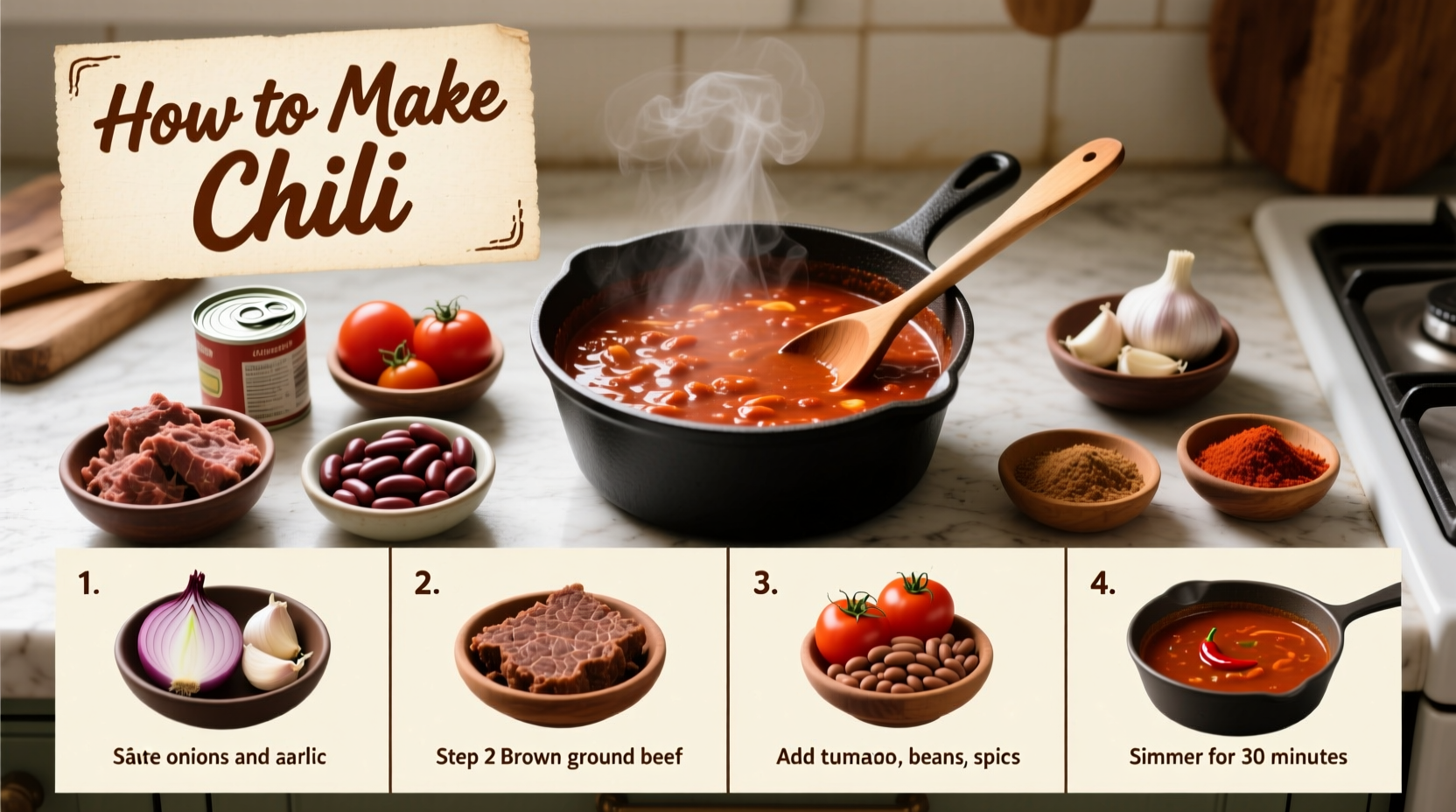
Chili, short for “chili con carne” (Spanish for “chili with meat”), is a hearty stew originating in the American Southwest, particularly Texas and New Mexico. While its roots trace back to Mexican-influenced cuisines, modern chili evolved through 19th-century frontier cooking, where cowboys and settlers combined available ingredients—dried beef, chilies, and spices—into a portable, nourishing meal. Today, chili varies widely by region and household, but the core concept remains consistent: a thick, spiced meat-based stew often enriched with beans, tomatoes, and aromatic vegetables.
The dish is celebrated for its versatility. It can be mild or fiery, bean-heavy or strictly meat-focused, vegetarian or loaded with smoked meats. Despite variations, authentic chili emphasizes depth over heat—complexity derived from toasted spices, slow cooking, and careful seasoning rather than overwhelming spiciness. It's a dish that rewards patience and attention to detail, transforming humble ingredients into something deeply satisfying.
Key Characteristics of Great Chili
- Flavor Profile: Savory, earthy, slightly sweet with layers of smokiness and controlled heat.
- Aroma: Warm, roasted spices, caramelized onions, and simmered tomatoes.
- Color: Deep brick-red to mahogany, depending on tomato and chili content.
- Texture: Thick, cohesive, with tender meat and optional soft beans; not soupy or dry.
- Heat Level: Adjustable—typically medium (3–6 on a 10-point scale), but customizable.
- Culinary Function: Standalone entrée, topping for hot dogs or nachos, filling for burritos or cornbread bowls.
- Shelf Life: Improves over 1–2 days; stores well for up to 5 days refrigerated or 3 months frozen.
Essential Ingredients and Their Roles
The strength of any chili lies in its ingredient synergy. Each component contributes not just flavor but structural integrity and mouthfeel. Below are the foundational elements and their culinary purposes.
Meat
Ground beef (80/20 lean-to-fat ratio) is standard for richness and body. Chuck roast, cut into small cubes, adds chew and depth when browned well. For variety, blends of beef and pork or beef and chorizo introduce complexity—chorizo especially lends smokiness and subtle heat.
Beans
While traditional Texas chili omits beans, most home versions include them for texture and fiber. Pinto, kidney, and black beans are common. Use canned (drained and rinsed) for convenience or soaked dried beans for superior texture and cost efficiency.
Tomatoes
Crushed tomatoes or diced tomatoes with juice provide acidity, moisture, and natural sweetness. Tomato paste, added early and cooked until darkened (“blooming”), builds umami and color.
Aromatics
Onion, garlic, and bell pepper form the base. Yellow onion offers balance; poblano adds mild heat; red bell pepper contributes sweetness. Sautéed slowly, they caramelize slightly, forming the flavor foundation.
Spices
The soul of chili. Core spices include:
- Chili powder: A blend (not pure ground chile), typically containing paprika, cumin, garlic, oregano.
- Ground cumin: Earthy, warm, essential for authenticity.
- Paprika: Sweet or smoked—smoked paprika adds campfire notes.
- Oregano: Mexican oregano preferred—more citrusy than Mediterranean.
- Cayenne: For adjustable heat; use sparingly.
Liquid
Beef broth enhances meatiness. Beer (especially dark lager or stout) adds malty depth. Coffee or espresso intensifies richness. Water works in a pinch, but lacks body.
Pro Tip: Toast whole spices (cumin seeds, coriander) in a dry pan before grinding. This releases volatile oils, dramatically improving aroma and flavor.
Step-by-Step Guide to Making Chili
-
Brown the Meat Thoroughly
Heat 1–2 tablespoons of oil in a heavy pot (Dutch oven ideal). Add ground meat in batches to avoid steaming. Cook over medium-high heat until deeply browned—this develops fond (browned bits), crucial for flavor. Remove meat and set aside. -
Sauté the Aromatics
In the same pot, add chopped onions, peppers, and garlic. Cook 6–8 minutes until softened and lightly caramelized. Scrape the bottom to lift any fond. -
Bloom the Spices
Reduce heat to medium. Add chili powder, cumin, paprika, oregano, and a pinch of cayenne. Stir constantly for 30–60 seconds until fragrant. This step “cooks” the spices, eliminating raw taste and unlocking depth. -
Add Tomato Paste and Cook
Stir in 2 tablespoons tomato paste. Cook 2 minutes, allowing it to darken slightly. This builds richness and prevents tinny aftertaste. -
Return Meat and Add Liquids
Add browned meat back to the pot. Pour in 2 cups beef broth, 1 cup crushed tomatoes, and optionally ½ cup beer or coffee. Stir well. -
Incorporate Beans and Simmer
Add 2 drained cans of beans (or 3 cups cooked). Bring to a boil, then reduce to a gentle simmer. Partially cover and cook 45 minutes to 2 hours, stirring occasionally. Longer cooking = deeper flavor and thicker texture. -
Season and Adjust
Taste and adjust: add salt in increments, a teaspoon of sugar if too acidic, more cayenne for heat. For thickness, simmer uncovered; for thinning, add broth. -
Rest Before Serving
Let chili sit off heat for 15–20 minutes. Flavors harmonize during rest. Reheat gently before serving.
Variants & Types of Chili
Chili is highly adaptable. Regional and cultural interpretations offer distinct experiences. Understanding these helps tailor your recipe to preference or occasion.
| Type | Key Features | Best For |
|---|---|---|
| Texas Red (Chili Con Carne) | No beans, all meat (beef, sometimes venison), heavy on chili spices, thick consistency. | Purists, chili cook-offs, pairing with cornbread. |
| Cincinnati Chili | Sweet-spicy, Mediterranean-inspired (cinnamon, cloves, chocolate), served over spaghetti. | Unique regional style, adventurous eaters. |
| White Chili | Uses chicken or turkey, white beans, green chiles, tomatillos, cumin, no tomato. | Lighter profile, fall/winter meals. |
| Vegetarian/Vegan Chili | Beans, lentils, mushrooms, or soy crumbles; rich spices; vegetable broth. | Plant-based diets, health-conscious meals. |
| Three-Bean Chili | Mix of kidney, pinto, black beans; often includes corn and tomatoes. | Families, potlucks, freezer-friendly batches. |
Comparison with Similar Dishes
Chili is often confused with other stews or saucy dishes. Clarifying distinctions ensures proper technique and expectations.
| Chili vs. | Difference | Why It Matters |
|---|---|---|
| Beef Stew | Stew uses root vegetables (carrots, potatoes), herbs like thyme, no chili spices. | Chili relies on spice blend, not mirepoix and wine; thicker, spicier, no starches beyond beans. |
| Bolognese | Italian meat sauce with milk, tomatoes, pancetta, longer braise, served with pasta. | Bolognese is dairy-enriched, less spicy, and emulsified; chili is bold, dry, and standalone. |
| Ragù | Broad category of Italian slow-cooked sauces; often tomato-based but herb-forward. | Ragù emphasizes meat-tomato harmony; chili emphasizes spice and heat as primary drivers. |
| Goulash | Central European stew with paprika, potatoes, sometimes noodles. | Goulash uses sweet paprika and starches; chili avoids potatoes and focuses on layered heat. |
Practical Tips & FAQs
How hot should my chili be?
Heat is personal. Start with 1–2 teaspoons of chili powder and a pinch of cayenne. Serve with cooling toppings (sour cream, cheese) to balance. Offer hot sauce on the side for customization.
Can I make chili in a slow cooker or Instant Pot?
Yes. For slow cooker: brown meat and sauté aromatics first, then transfer to crock with all ingredients. Cook on low 6–8 hours. For Instant Pot: use Sauté function for steps 1–4, then pressure cook 25 minutes, natural release.
Do I have to use beans?
No. Traditional Texas chili excludes beans to highlight meat and spice. Beans add heartiness and fiber but dilute meat concentration. Choose based on preference or dietary goals.
How do I fix bland chili?
Blandness usually stems from under-seasoning or insufficient spice blooming. Fix by:
- Adding ½ tsp salt and ¼ tsp cumin, simmering 10 minutes.
- Stirring in 1 tbsp Worcestershire sauce for umami.
- Adding 1 tsp apple cider vinegar to brighten flavors.
- Finishing with fresh lime juice or cilantro.
What are the best toppings?
Toppings add contrast in temperature, texture, and flavor:
- Sour cream or Greek yogurt (cooling)
- Sharp cheddar or Monterey Jack (creamy, salty)
- Diced red onion or scallions (crisp, sharp)
- Avocado or guacamole (rich, smooth)
- Cilantro (fresh, herbal)
- Crushed tortilla chips (crunch)
- Lime wedges (acidic finish)
How long does chili last?
Refrigerated in an airtight container, chili lasts 4–5 days. Flavor improves on day two as spices meld. Freeze for up to 3 months in portion-sized containers. Thaw overnight and reheat on stove with a splash of broth.
Can I make chili ahead of time?
Absolutely. Chili is an ideal make-ahead dish. Prepare 1–2 days in advance and reheat gently. The extended rest allows flavors to deepen significantly.
Expert Insight: “The best chili isn’t made in an hour. It’s built in layers—browning, blooming, simmering. If you rush any step, you lose dimension.” — Chef Elena Ruiz, James Beard nominee and Southwestern cuisine specialist.
Summary & Key Takeaways
Chili is a deceptively simple dish that demands respect for technique. Mastery comes not from exotic ingredients but from disciplined execution: browning meat thoroughly, sautéing aromatics, blooming spices, and simmering patiently. The result is a robust, flavorful stew that satisfies and evolves with time.
To recap:
- Start with quality meat and fresh spices—stale spices ruin depth.
- Brown meat in batches to develop fond; don’t steam it.
- Cook spices and tomato paste before adding liquid—this builds flavor foundation.
- Simmer at least 45 minutes; longer is better.
- Adjust seasoning at the end—salt gradually, balance acidity with sugar or lime.
- Let chili rest before serving; flavors integrate during downtime.
- Customize with toppings and serve with cornbread, rice, or crackers.
Whether feeding a family or preparing for a gathering, a well-made pot of chili demonstrates culinary care. It invites variation, welcomes improvisation, and rewards those who pay attention. With this guide, you’re equipped to make chili that doesn’t just fill stomachs—but creates memories.
Try this recipe this week and experiment with one variation—swap in white beans and chicken for a lighter version, or omit beans entirely for a Texas-style experience. Share your results and favorite tweaks with others; chili is best when passed down, one pot at a time.




 浙公网安备
33010002000092号
浙公网安备
33010002000092号 浙B2-20120091-4
Comments
No comments yet. Why don't you start the discussion?