
Cinnamon syrup is a versatile sweetener that transforms ordinary beverages and desserts into aromatic indulgences. Found behind the counters of specialty coffee shops and craft cocktail bars, this golden-hued syrup is surprisingly easy to make in a home kitchen. Unlike commercial versions that may contain artificial flavors or preservatives, homemade cinnamon syrup offers superior flavor, control over sweetness, and the satisfaction of crafting a pantry staple from scratch. Whether you're enhancing your morning latte, elevating an Old Fashioned, or drizzling it over pancakes, mastering this syrup expands your culinary repertoire with minimal effort.
Definition & Overview
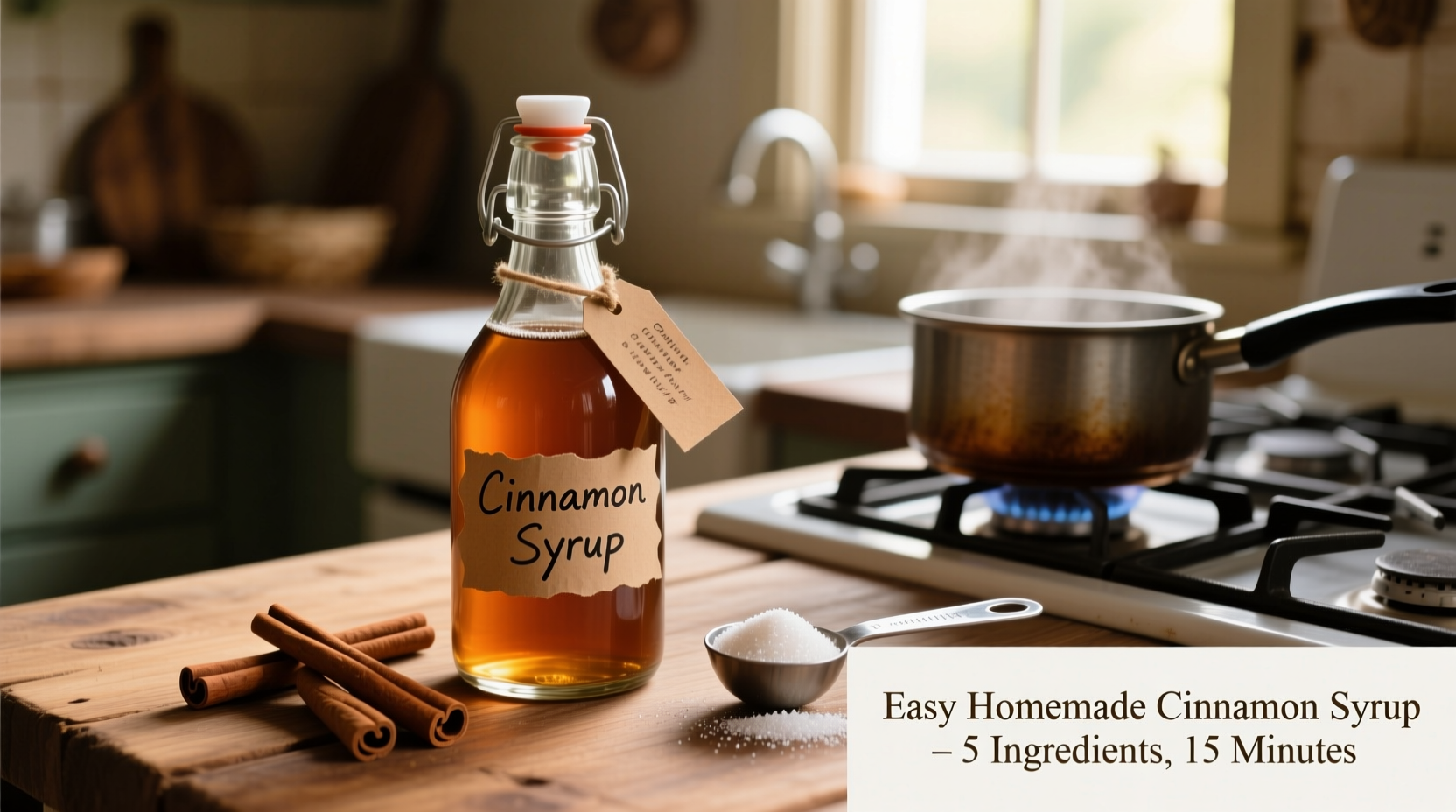
Cinnamon syrup is a flavored simple syrup made by infusing water and sugar with cinnamon. It belongs to the broader category of flavored syrups used to sweeten and aromatize drinks and desserts. The base is typically a 1:1 or 2:1 ratio of sugar to water, simmered with whole cinnamon sticks or ground cinnamon to extract flavor. The result is a clear to amber liquid with a warm, spicy-sweet profile characteristic of true cinnamon.
The use of spiced syrups dates back centuries, with roots in Middle Eastern and European traditions where honey and spice mixtures were used medicinally and culinarily. Modern iterations evolved alongside the rise of coffee culture and mixology, where consistency, clarity, and balanced sweetness are paramount. Homemade versions allow customization—adjusting strength, sweetness, and even blending with other spices like vanilla or clove—for tailored applications across sweet and savory domains.
Key Characteristics
| Characteristic | Description |
|---|---|
| Flavor | Warm, sweet, mildly spicy with woody undertones; varies slightly depending on cinnamon type used. |
| Aroma | Pronounced cinnamon bouquet—sweet, balsamic, and inviting—especially when heated. |
| Color | Clear to light amber; darker if cooked longer or using cassia bark. |
| Texture | Syrupy, smooth, pourable—similar to maple syrup but less viscous when warm. |
| Sweetness Level | Adjustable; standard version matches simple syrup (50% sugar by weight). |
| Shelf Life | Up to 1 month refrigerated in sterile container; longer with preservatives (not recommended for home use). |
| Culinary Function | Flavor enhancer, sweetener, aroma carrier in beverages, desserts, and sauces. |
Practical Usage: How to Use Cinnamon Syrup
Cinnamon syrup integrates seamlessly into both daily routines and special occasion cooking. Its solubility in cold liquids makes it ideal for iced beverages, while its thermal stability allows it to enhance hot preparations without breaking down.
Beverages
- Coffee & Lattes: Replace plain sugar with 1–2 tablespoons per cup. Swirl into lattes before steaming milk for even distribution.
- Tea: Sweeten chai, black tea, or herbal infusions. Particularly effective in apple-cinnamon or rooibos blends.
- Cocktails: Essential in modern twists on classics. Use in Cinnamon Old Fashioned (2 oz bourbon, ¼ oz syrup, orange twist), spiced margaritas, or espresso martinis.
- Mocktails & Sodas: Mix with sparkling water and lemon juice for a house-made “cinnamon soda.” Combine with apple cider for a festive non-alcoholic drink.
Desserts & Baking
- Pancakes & Waffles: Drizzle directly or mix into whipped cream for added dimension.
- Fruit Salads: Toss sliced apples, pears, or bananas with a small amount to intensify natural sweetness.
- Baked Goods: Brush over cakes or muffins post-bake to add moisture and shine. Incorporate into glaze recipes for donuts or scones.
- Ice Cream & Frozen Desserts: Serve as a topping or swirl into softened ice cream before refreezing.
Savory Applications
Less common but equally compelling, cinnamon syrup can balance acidity and heat in savory dishes. A few drops enhance Moroccan tagines, barbecue sauces, or roasted carrot glazes. Its sweetness tempers capsaicin in spicy rubs, while its warmth complements autumnal vegetables like squash and sweet potatoes.
Pro Tip: For consistent dosing in coffee or cocktails, use a 15 ml bar spoon or small measuring jigger. Store syrup in a repurposed olive oil or hot sauce bottle with a flip-top cap for controlled pouring.
Basic Recipe: How to Make Cinnamon Syrup at Home
This foundational method yields approximately 1 cup (240 ml) of syrup and takes under 20 minutes, including cooling time.
- Gather ingredients: 1 cup (200 g) granulated sugar, 1 cup (240 ml) water, 3–4 medium cinnamon sticks (6–8 inches long), or 1½ teaspoons ground cinnamon.
- In a small saucepan, combine sugar and water over medium heat.
- Stir gently until sugar dissolves completely—do not boil vigorously.
- Add cinnamon sticks (or ground cinnamon in a muslin bag or tea filter).
- Reduce heat to low and simmer uncovered for 10–12 minutes. Avoid boiling hard, which can caramelize sugar and darken syrup.
- Remove from heat and let steep for another 15–30 minutes for deeper flavor (optional).
- Strain through a fine-mesh sieve or cheesecloth-lined funnel into a clean glass bottle or jar.
- Cool to room temperature, then seal and refrigerate.
The syrup will thicken slightly upon cooling. If using ground cinnamon, expect a slight haze unless filtered multiple times. Whole sticks yield clearer, more professional results.
Variants & Types
While classic cinnamon syrup stands alone, variations unlock new dimensions of flavor. These adaptations maintain structural integrity while introducing complementary notes.
1. Double-Strength Cinnamon Syrup (Rich Syrup)
Uses a 2:1 sugar-to-water ratio. More concentrated, so less is needed per serving. Ideal for cocktails where dilution from ice is expected. Boil gently to prevent crystallization.
2. Vanilla-Cinnamon Syrup
Add one split vanilla bean (seeds scraped) or ½ teaspoon pure vanilla extract after removing from heat. Combines warm spice with creamy sweetness—perfect for lattes.
3. Spiced Cinnamon Syrup
Infuse with additional whole spices: 1 star anise pod, 3 whole cloves, 1 slice fresh ginger, or a cardamom pod. Remove all solids after steeping. Excellent for holiday drinks.
4. Dark Brown Sugar Cinnamon Syrup
Replace white sugar with dark brown sugar for molasses depth. Produces a richer, more complex syrup suited to whiskey-based cocktails or drizzling over oatmeal.
5. Alcohol-Infused Cinnamon Syrup
After cooling, stir in 1 tablespoon of bourbon, rum, or brandy. Extends shelf life slightly and deepens flavor profile. Best used within 2 weeks.
| Variation | Sugar Ratio | Best Used In | Flavor Notes |
|---|---|---|---|
| Classic | 1:1 | Coffee, tea, mocktails | Clean, balanced, aromatic |
| Rich (2:1) | 2:1 | Cocktails, baking | Intense sweetness, longer shelf stability |
| Vanilla-Cinnamon | 1:1 | Lattes, desserts | Creamy, rounded, comforting |
| Spiced Blend | 1:1 | Holiday drinks, mulled wine | Complex, festive, warming |
| Brown Sugar Base | 1:1 | Oatmeal, BBQ glaze, fall desserts | Molasses-rich, earthy, robust |
Comparison with Similar Ingredients
Cinnamon syrup is sometimes confused with other sweetened or spiced products. Understanding distinctions ensures proper usage.
| Product | Base | Texture | Primary Use | Key Difference |
|---|---|---|---|---|
| Cinnamon Syrup | Sugar + water + cinnamon | Thin, pourable liquid | Beverages, desserts | Water-based, dissolves easily in cold drinks |
| Cinnamon Honey | Natural honey + cinnamon | Thick, viscous | Teas, toast, yogurt | Not vegan; thicker, doesn’t mix well in cold liquids |
| Cinnamon Extract | Alcohol + extracted oils | Liquid, highly concentrated | Baking, flavoring | No sweetness; used in drops, not as syrup substitute |
| Cinnamon Molasses | Molasses + cinnamon (if added) | Very thick, sticky | Baking, gingerbread | Strong bitter-sweet note; not interchangeable in drinks |
| Commercial Flavored Syrups | HFCS, water, artificial flavors | Variable | Coffee chains | Often contains preservatives, artificial taste |
“The difference between store-bought and homemade cinnamon syrup isn’t just about ingredients—it’s about intention. When you infuse slowly, you extract nuance. That’s what elevates a drink from sweet to soulful.” — Clara Nguyen, Beverage Director, Hearth & Thyme
Practical Tips & FAQs
What type of cinnamon should I use?
True cinnamon (Cinnamomum verum), also called Ceylon cinnamon, has a delicate, floral profile and lower coumarin content. Cassia cinnamon (common in supermarkets) is stronger, spicier, and more affordable. Both work, but Ceylon is preferable for subtle applications; cassia for bold syrups. Avoid powdered cinnamon with anti-caking agents for infusion.
Can I use ground cinnamon instead of sticks?
Yes, but strain thoroughly. Ground cinnamon can cloud the syrup and leave sediment. Enclose in a tea ball, muslin sack, or coffee filter for easier removal. Expect a slightly grittier texture unless double-filtered.
Why did my syrup crystallize?
Crystallization occurs when sugar molecules re-form crystals due to agitation, rapid cooling, or impurities. To prevent: avoid stirring once boiling begins, use distilled water, and add a pinch of cream of tartar (¼ tsp per cup) to inhibit recrystallization. If crystals form, gently reheat with a splash of water.
How long does homemade cinnamon syrup last?
Stored in a sterilized glass jar with a tight lid, refrigerated syrup lasts up to 4 weeks. Discard if cloudy, moldy, or fermented-smelling. For longer storage, freeze in ice cube trays and thaw as needed (up to 6 months).
Is cinnamon syrup vegan?
Yes, if made with granulated sugar not processed with bone char. Look for organic or beet sugar, which are typically vegan-certified. Most homemade versions are inherently plant-based.
Can I reduce the sugar?
Reducing sugar compromises preservation and texture. Lower ratios (e.g., 3:4 sugar to water) shorten shelf life and may ferment. For sugar-free versions, use erythritol or monk fruit blend designed for syrups, though results vary in mouthfeel and solubility.
How do I scale the recipe?
The process scales linearly. Double ingredients for 2 cups. Maintain the same ratio and infusion time. Larger batches require longer simmering to fully dissolve sugar—monitor closely.
Can I reuse cinnamon sticks?
Partially. A second batch will be weaker but still usable for cooking or composting. After two uses, discard or repurpose as fire starters or potpourri.
Storage Checklist:
- Use glass container with airtight lid
- Sterilize jar with boiling water before filling
- Cool syrup completely before sealing
- Label with date and type
- Refrigerate immediately
- Inspect weekly for mold or off-odors
Summary & Key Takeaways
Homemade cinnamon syrup is a simple yet transformative ingredient that bridges beverage craft and dessert artistry. Made with just sugar, water, and cinnamon, it delivers a clean, aromatic sweetness unmatched by commercial alternatives. The process requires no special equipment and takes under 20 minutes, yielding a product that lasts up to a month in the refrigerator.
Whole cinnamon sticks produce the clearest, most refined syrup, though ground cinnamon works in a pinch. Variations—such as rich 2:1 syrups, vanilla-infused blends, or spiced profiles—allow customization for seasonal menus or personal preference. Unlike honey or molasses, cinnamon syrup integrates effortlessly into cold drinks, making it indispensable for iced coffee, cocktails, and sparkling beverages.
Understanding how it differs from similar products prevents substitution errors. While honey offers thickness and floral notes, it behaves differently in cold liquids. Extracts provide flavor without sweetness. Only true syrup balances both attributes.
With attention to sanitation, ratios, and infusion time, anyone can master this pantry essential. Once made, it becomes a go-to tool for elevating everyday moments—from a weekday coffee ritual to a curated holiday cocktail.
Try This: Next time you host brunch, serve a DIY mimosa bar with chilled prosecco, apple cider, and a small pitcher of cinnamon syrup. Let guests customize their glass—sweet, spiced, and celebratory.




 浙公网安备
33010002000092号
浙公网安备
33010002000092号 浙B2-20120091-4
Comments
No comments yet. Why don't you start the discussion?