
Hot and sour soup is one of the most iconic dishes in Chinese cuisine, celebrated for its bold interplay of sharp vinegar, pungent heat, and savory depth. Found on nearly every American-Chinese restaurant menu, it’s often reduced to a starchy, oversalted version that barely hints at its true potential. Making classic hot and sour soup from scratch transforms the experience: deep-colored, aromatic, layered in flavor, and satisfyingly textured with wood ear mushrooms, bamboo shoots, tofu, and tender shreds of pork. This is not a quick powder-based shortcut—it's a carefully balanced broth built through technique, timing, and attention to ingredient quality.
The real magic lies in its equilibrium. The \"hot\" comes not just from chili but from white pepper and sometimes fresh ginger or dried chilies; the \"sour\" is primarily from black or Chinkiang vinegar, which adds both acidity and smoky richness. When executed properly, each spoonful delivers warmth, brightness, and umami—all without overwhelming the palate. This guide walks through the authentic method, explains core components, and equips home cooks with the knowledge to replicate restaurant-quality results consistently.
Definition & Overview
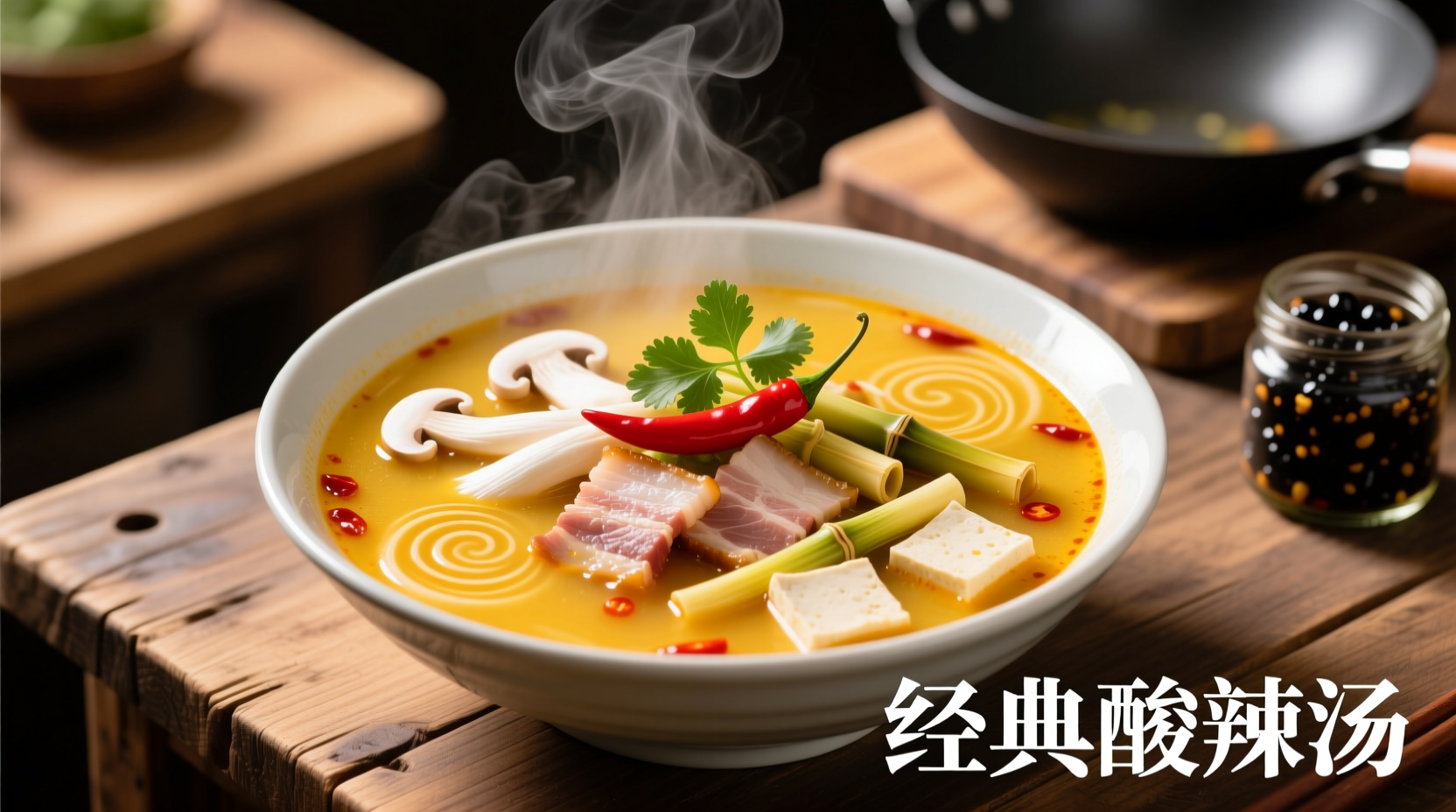
Classic hot and sour soup (酸辣汤, *suān là tāng*) originates from northern China, particularly Henan and Sichuan provinces, where bold flavors are central to regional cooking. Unlike the diluted versions served in many Westernized takeout spots, traditional preparation involves slow-simmered stock, hand-cut ingredients, and precise seasoning. It functions as both an appetizer and a restorative dish, commonly eaten during colder months or when recovering from illness due to its warming properties.
The soup belongs to the category of thickened broths, typically finished with a light cornstarch slurry to give body. Its defining characteristic is the dynamic contrast between sourness and heat, supported by layers of umami from meat, mushrooms, and fermented seasonings. While variations exist across regions—some sweeter, some spicier—the foundational structure remains consistent: a savory base, acidulated finish, aromatic spices, and textural elements like rehydrated fungi and silken tofu.
In Chinese culinary philosophy, this soup aligns with balancing yin and yang—cooling ingredients like tofu are offset by heating ones such as white pepper and ginger. It’s also considered digestive-friendly when seasoned correctly, stimulating appetite without causing discomfort.
Key Characteristics
| Attribute | Description |
|---|---|
| Flavor Profile | Brightly sour, moderately spicy, deeply savory with subtle sweetness. Balanced, not one-note. |
| Aroma | Pronounced vinegar nose with underlying notes of toasted sesame oil, garlic, and white pepper. |
| Color | Deep amber to dark brown, depending on vinegar type and soy sauce use. |
| Texture | Slightly thickened (velouté-like), with chewy mushrooms, crisp bamboo, soft tofu, and tender meat. |
| Heat Level | Moderate—driven more by white pepper than capsaicin. Can be adjusted up or down. |
| Culinary Function | Appetizer, palate cleanser, comfort food, digestive aid. |
| Shelf Life | 3–4 days refrigerated; thickens upon cooling. Reheat gently with water to adjust consistency. |
Practical Usage: How to Make Classic Hot and Sour Soup from Scratch
Creating authentic hot and sour soup requires no exotic tools but does demand precision in sequencing and proportion. Follow these steps for consistent, restaurant-grade results.
- Prepare the Stock: Use homemade chicken or pork bone broth for best flavor (about 6 cups). If using store-bought, choose low-sodium to control salt levels. Bring to a gentle simmer in a heavy-bottomed pot.
- Rehydrate Dried Ingredients: Soak 10g dried wood ear mushrooms and 5g dried shiitake mushrooms separately in warm water for 20 minutes. Slice thinly once softened. Reserve shiitake soaking liquid if desired for extra umami.
- Prep Add-ins: Julienne ½ cup canned bamboo shoots, cut ¼ block firm tofu into matchsticks, and slice 100g lean pork loin into thin strips. Marinate pork briefly in 1 tsp soy sauce, ½ tsp cornstarch, and a dash of rice wine.
- Sauté Aromatics: In a small pan, heat 1 tbsp neutral oil. Add 1 tsp grated ginger, 1 minced garlic clove, and optionally 1 dried red chili (crushed). Cook 30 seconds until fragrant—do not burn.
- Build the Base: Add sautéed aromatics to simmering broth. Stir in prepared wood ears, shiitakes, bamboo shoots, and marinated pork. Simmer gently for 8–10 minutes until pork is cooked through.
- Season Thoughtfully: Add 2 tbsp Chinkiang (black) vinegar, 1 tsp light soy sauce, ½ tsp dark soy sauce (for color), ¾ tsp freshly ground white pepper, and ½ tsp sugar. Taste and adjust—balance should lean slightly sour, with heat present but not dominant.
- Thicken Properly: Mix 2 tbsp cornstarch with 3 tbsp cold water. Slowly drizzle into soup while stirring constantly. Continue cooking 1–2 minutes until broth turns glossy and clings lightly to the spoon.
- Add Delicate Ingredients: Reduce heat. Stir in tofu and 1 beaten egg in a thin stream while stirring slowly to create ribbons. Do not boil vigorously after this step.
- Finish with Oil: Remove from heat. Drizzle ½ tsp toasted sesame oil over the surface. Cover and let sit 1 minute before serving.
Pro Tip: For optimal texture, add eggs off the heat. High temperatures will scramble them into dense chunks instead of silky strands. Similarly, avoid over-thickening—start with less slurry and add more only if needed.
Home Cooking Applications
At home, this soup shines as a weeknight meal starter or light lunch paired with steamed buns or fried dumplings. Scale the recipe easily: double the batch and freeze portions (without eggs) for up to three months. Thaw and reheat, then add egg and vinegar fresh.
Vegetarian adaptations work well by substituting mushroom-soaking liquid for meat stock, using tofu or seitan for protein, and omitting pork. Ensure your soy sauce and vinegar are gluten-free if needed.
Restaurant-Style Enhancements
Professional kitchens often enhance complexity with additional steps:
- Blanching bamboo shoots briefly to reduce any metallic taste.
- Using lily buds (golden needles) for floral aroma and chew.
- Adding a splash of Shaoxing wine during sautéing for depth.
- Finishing with a few drops of aged Huainan vinegar for top-note acidity.
Some upscale versions clarify the broth by straining after simmering, yielding a cleaner mouthfeel while retaining full flavor.
Variants & Types
While the core concept remains constant, regional and dietary variations reflect local tastes and available ingredients.
Regional Variations
- Sichuan Style: Higher heat with added chili oil and Sichuan peppercorns for málà (numbing-spicy) effect. May include preserved mustard greens.
- Henan Style: Considered the origin point—more balanced, with emphasis on vinegar and white pepper. Often includes pork and wood ears exclusively.
- Cantonese Version: Lighter, clearer broth; sometimes uses seafood like shrimp or scallops. Less thickened.
- Taiwanese Adaptation: Sweeter profile, occasionally with tomato or ketchup—reflecting Japanese influence.
Dietary Modifications
| Type | Adjustments | Best For |
|---|---|---|
| Vegetarian | Mushroom stock, extra tofu, no meat. Use tamari instead of fish sauce if used. | Plant-based diets |
| Vegan | Omit egg; replace with blended silken tofu ribbon or nori strips for sea-like texture. | Vegan lifestyles |
| Low-Carb/Keto | Replace cornstarch with xanthan gum (⅛ tsp) or glucomannan powder. Omit bamboo shoots. | Carb-conscious eaters |
| Gluten-Free | Use certified GF soy sauce and verify vinegar source (some malt vinegars contain barley). | Celiac disease or sensitivity |
Comparison with Similar Ingredients
Several soups and seasonings are mistaken for hot and sour soup, but key distinctions set them apart.
| Item | Difference from Hot and Sour Soup |
|---|---|
| Tom Yum (Thai) | Lemongrass, kaffir lime, galangal dominant. Clear broth, often with shrimp. Sourness from lime juice, not vinegar. |
| Kimchi Jjigae (Korean) | Fermented kimchi base, gochujang-driven heat. Heavier, stew-like, usually served with rice. |
| Wonton Soup | Mild, clean-tasting broth with dumplings. No intentional sour or spicy elements unless added. |
| Instant Ramen “Spicy” Packets | Artificial heat and acidity. Lacks layered fermentation notes and natural textures. |
Practical Tips & FAQs
What kind of vinegar should I use?
Chinkiang (Chinese black) vinegar is ideal—rich, malty, and complex. Balsamic can substitute in a pinch but lacks authenticity. Avoid white distilled vinegar; it’s too harsh and one-dimensional.
Can I make it ahead of time?
Yes. Prepare the soup base (up to step 7) and refrigerate for up to two days. Reheat gently and add egg and sesame oil just before serving to preserve texture and aroma.
Why is my soup too thick or gummy?
Overuse of cornstarch or rapid addition without stirring causes clumping. Always mix slurry well and pour slowly into simmering liquid. If too thick, thin with hot broth or water.
Is white pepper really necessary?
Absolutely. White pepper provides a distinct earthy heat different from black pepper or chili. It dissolves into the broth seamlessly and is non-negotiable for authenticity. Freshly ground makes a noticeable difference.
Can I freeze hot and sour soup?
Freeze the unthickened base without egg for best results. Thaw, reheat, thicken fresh, then add egg. Freezing degrades tofu and egg texture significantly.
My soup isn’t sour enough—can I fix it?
Yes, but do so gradually. Add vinegar ½ tsp at a time, reheating slightly between additions. Balance restored? Add a pinch more sugar to round it out.
Expert Insight: \"The hallmark of great hot and sour soup isn’t intensity—it’s harmony. You should feel warmth spreading through your chest, notice a bright lift from the vinegar, and want another spoonful immediately. If you’re reaching for water, something’s unbalanced.\" — Chef Lin Mei, Beijing Culinary Institute
Summary & Key Takeaways
Authentic hot and sour soup is a masterclass in balance: sour and spicy, rich and light, textured and smooth. Made from scratch, it surpasses any canned or powdered version in depth and satisfaction.
- The foundation is a clean, simmered stock enhanced by rehydrated mushrooms, aromatic ginger-garlic paste, and precisely measured vinegar and white pepper.
- Texture matters—wood ear mushrooms, bamboo shoots, tofu, and pork contribute essential mouthfeel.
- Thickening must be controlled; use cornstarch slurry sparingly and stir continuously.
- Finish off-heat with egg and sesame oil to preserve delicate components.
- Variations exist across regions and diets, but the core principles of balance remain universal.
- Storage and reheating require care—best enjoyed fresh, though base can be prepped ahead.
Mastering this soup empowers cooks to understand how contrasting flavors coexist in harmony—a skill transferable to countless other dishes. Whether served as a starter, recovery meal, or cold-weather staple, homemade hot and sour soup delivers comfort with sophistication.
Now that you know the secrets of true hot and sour soup, gather your ingredients and taste the difference craftsmanship makes.




 浙公网安备
33010002000092号
浙公网安备
33010002000092号 浙B2-20120091-4
Comments
No comments yet. Why don't you start the discussion?