
Onion pearl pickles are a staple in charcuterie boards, sandwich platters, and Mediterranean meze spreads. Their compact size, bright acidity, and crisp texture make them ideal for cutting through rich meats, cheeses, and oily dishes. While commonly found in delis and gourmet stores, few realize how accessible and rewarding it is to prepare these pickles from scratch. Homemade versions offer superior flavor control, freshness, and absence of preservatives. With the right technique, anyone can produce consistently crisp, flavorful onion pearls that rival or surpass commercial brands. This guide provides a comprehensive approach to crafting classic onion pearl pickles at home, covering ingredient selection, brine formulation, sterilization practices, and storage—ensuring success even for first-time fermenters and canners.
Definition & Overview
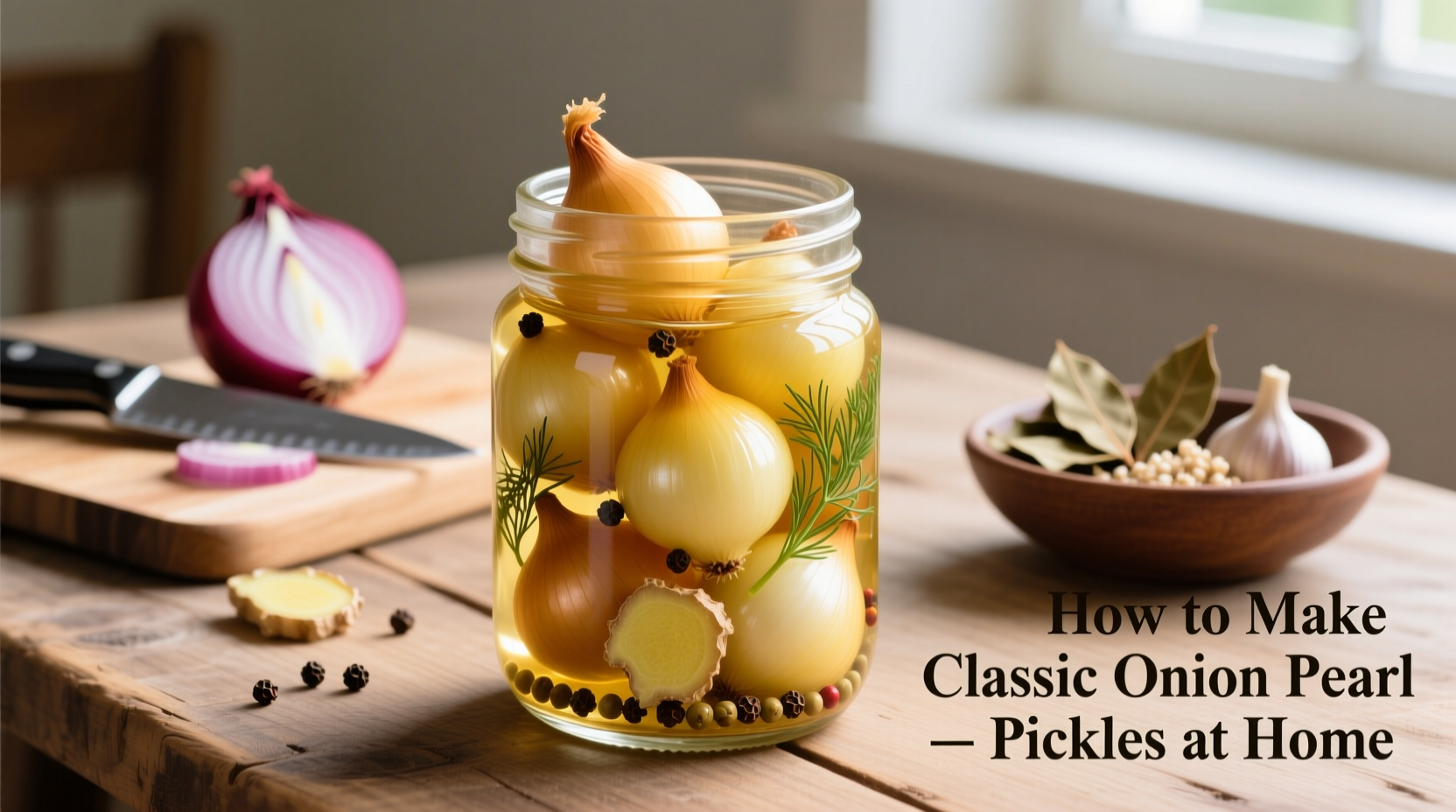
Onion pearl pickles are small, whole onions—typically pearl or boiling onions—that have been preserved in a vinegar-based brine seasoned with spices such as bay leaves, peppercorns, mustard seeds, and cloves. The result is a firm, translucent pickle with a balanced tangy-sweet profile and subtle aromatic warmth. These pickles fall under the category of quick-pickled or shelf-stable canned goods, relying on acidification rather than fermentation for preservation. Originating in European culinary traditions, particularly British, German, and Eastern European cuisines, they were historically used to extend the shelf life of seasonal onions while adding brightness to winter meals. Today, they remain popular in upscale delis, antipasto bars, and cocktail garnishes.
The term “pearl” refers not only to the size of the onion but also to its appearance after pickling—smooth, round, and glistening when removed from the jar. True pearl onions range from ¾ to 1 inch in diameter, though small boiling onions are often used interchangeably. Unlike larger pickled onion varieties (such as red onion rings), pearl pickles maintain structural integrity during processing, offering a satisfying bite without mushiness when prepared correctly.
Key Characteristics
| Characteristic | Description |
|---|---|
| Flavor Profile | Bright acidity balanced with mild sweetness; background notes of spice including clove, allspice, and black pepper. |
| Aroma | Vinegar-forward with warm, earthy undertones from whole spices; slight onion sharpness mellowed by pickling. |
| Texture | Crisp and firm; should retain a slight resistance when bitten, never soft or slimy. |
| Color | Translucent ivory to pale golden; may take on a faint yellow hue from turmeric if included. |
| Heat Level | Non-spicy unless chili flakes or fresh peppers are added; inherently mild. |
| Culinary Function | Acidic counterpoint in rich dishes; palate cleanser; textural accent in cold plates. |
| Shelf Life (Unopened) | 12–18 months in a cool, dark pantry when properly sealed via water bath canning. |
| Refrigerated Shelf Life (After Opening) | 6–8 months, provided clean utensils are used to remove pickles. |
Practical Usage in Cooking
Onion pearl pickles serve both functional and aesthetic roles in modern cuisine. Their primary purpose is to cut richness and refresh the palate. They pair exceptionally well with fatty foods such as pâté, duck confit, lamb sausages, and aged cheeses like Manchego or Gouda. In Scandinavian and Eastern European traditions, they accompany herring platters and smoked fish. In contemporary American gastropubs, they appear skewered alongside cornichons and olives on martini-style cocktail picks.
For home cooks, incorporating onion pearls elevates everyday meals:
- Add two tablespoons chopped to potato salad for acidity and crunch.
- Layer onto burgers or Reubens instead of raw onions for tamed sharpness.
- Serve alongside grilled sausages or roast beef sandwiches.
- Include in a cheese board with mustard, cured meats, and crusty bread.
- Use whole as a garnish for Bloody Marys or Gibson cocktails.
In professional kitchens, chefs often infuse the leftover brine into vinaigrettes or use it to poach shrimp. Some high-end restaurants blanch the pickles briefly and sear them to create caramelized pickled onions with deeper complexity.
Pro Tip: To maximize flavor integration, allow newly canned jars to rest for at least two weeks before opening. This maturation period allows the brine to fully penetrate the onions and harmonize the spices.
Step-by-Step Guide to Making Classic Onion Pearl Pickles
Follow this precise method for reliable, shelf-stable results. Yields approximately four 8-ounce jars (32 oz total).
- Select and Prepare Onions: Use 1 lb of fresh pearl onions (about 40–50 depending on size). Peel them carefully: blanch in boiling water for 60 seconds, transfer to ice water, then trim root ends and slip off skins. Ensure no outer layers remain attached to prevent uneven pickling.
- Prepare Jars and Lids: Wash four heat-safe glass jars and lids in hot soapy water. Place jars in a large pot of simmering water (180°F minimum) for 10 minutes to sterilize. Keep lids in a separate bowl of hot (not boiling) water to soften the sealing compound.
- Create the Brine: In a non-reactive saucepan (stainless steel or enamel), combine:
- 2 cups distilled white vinegar (5% acidity)
- 1 cup water
- 1½ tablespoons pickling salt (do not use table salt with anti-caking agents)
- 1 tablespoon granulated sugar (optional, for balance)
- Add Spices per Jar: Distribute evenly among jars:
- 1 dried bay leaf
- ½ teaspoon mixed pickling spices (whole: mustard seed, coriander, allspice, cloves, cinnamon stick pieces)
- 6–8 black peppercorns
- Optional: pinch of turmeric for color (¼ tsp total per batch)
- Pack Jars: Tightly pack peeled onions into sterilized jars, leaving ½ inch headspace. Avoid pressing down forcefully to prevent breakage.
- Pour Brine: Ladle hot brine over onions, maintaining ½ inch headspace. Remove air bubbles by sliding a chopstick gently along the inside of the jar.
- Seal and Process: Wipe jar rims with a clean damp cloth. Place lids on and screw bands on fingertip-tight. Submerge jars in a boiling water bath canner, ensuring they are covered by at least 1 inch of water. Process for 10 minutes (adjust for altitude: add 1 minute per 1,000 feet above sea level).
- Cool and Test Seals: Remove jars and place on a towel-lined counter. Allow to cool undisturbed for 12–24 hours. Press center of each lid; if it does not flex, the seal is secure. Any unsealed jars should be refrigerated and consumed within two months.
- Label and Store: Label jars with date and contents. Store in a cool, dark place for up to 18 months unopened.
Variants & Types
While the classic version uses clear vinegar and neutral spices, several regional and creative variations exist:
- Sweet-and-Sour (German Style): Increased sugar (up to ¼ cup), addition of sliced carrots or cauliflower florets, and a touch of apple cider vinegar for fruitiness.
- Spicy Version: Add 1–2 dried red chilies or ½ tsp crushed red pepper flakes per jar for gentle heat.
- Herbed Pearls: Include fresh thyme sprigs, dill heads, or tarragon stems for aromatic complexity.
- Golden Turmeric Pickles: Increase turmeric to 1 tsp for vibrant color and earthy depth; common in British pub-style pickles.
- Balsamic Glaze Variation: Replace ½ cup vinegar with balsamic vinegar for a richer, wine-like note—ideal for cheese boards but slightly darker in color.
Each variant suits different pairings. For example, spicy versions complement Mexican-inspired dishes or grilled chorizo, while herbed iterations enhance French or Provençal menus.
Comparison with Similar Ingredients
Onion pearl pickles are frequently confused with other pickled allium products. Understanding distinctions ensures correct usage in recipes.
| Item | Size/Form | Brine Type | Texture | Common Uses |
|---|---|---|---|---|
| Onion Pearl Pickles | Whole, small (¾–1\") onions | Vinegar-salt-sugar with whole spices | Firm, crisp, intact | Charcuterie, sandwiches, cocktails |
| Pickled Red Onion Slices | Thinly sliced large red onions | Quick vinegar brine, often with sugar | Soft, limp after 24 hrs | Tacos, salads, grain bowls |
| Cocktail Onions | Very small onions (sometimes pearl) | Similar brine, often includes MSG or citric acid | Extra firm due to calcium chloride | Gibson martinis only |
| Fermented Pearl Onions | Whole, same size | Saltwater brine, lactic acid fermentation | Softer, funkier taste | Fermentation platters, gut-health diets |
The key difference lies in processing: classic onion pearl pickles rely on acetic acid (vinegar) for immediate preservation and bright flavor, whereas fermented versions develop sourness slowly over time and require refrigeration. Cocktail onions, though similar in form, are typically mass-produced with firming agents and lack the nuanced spice blend of artisanal pickles.
Practical Tips & FAQs
Why did my pickled onions turn out mushy?
Mushiness usually results from one of three causes: using older or oversized onions, overprocessing in the water bath (exceeding 15 minutes), or failing to cool onions rapidly after peeling. Always use freshly harvested pearl onions and adhere strictly to processing times.
Can I use frozen pearl onions?
No. Freezing damages cell structure, leading to sogginess. Only fresh onions yield crisp results.
Is it safe to reduce vinegar in the brine?
No. Vinegar concentration must remain at or above 5% acidity to ensure microbial safety. Diluting increases risk of spoilage and botulism. If less tartness is desired, adjust sugar or salt—not vinegar.
Do I need a pressure canner?
No. High-acid foods like pickled onions are safely processed using a boiling water bath canner. Pressure canning is reserved for low-acid vegetables and meats.
Can I reuse the brine?
Once opened, the brine can be reused once for quick-pickling cucumbers or radishes, but do not reprocess used brine in new canning cycles due to contamination risks.
Are there natural alternatives to white vinegar?
Yes, but with caveats. Apple cider vinegar (5% acidity) works well and adds fruitiness. Avoid homemade vinegars or those below 5% acid. Rice vinegar may be too mild unless blended with stronger vinegar.
How do I prevent discoloration?
Use non-reactive cookware (stainless steel, enamel) and avoid copper or aluminum pots, which react with acids and cause graying. Also, keep spices whole—ground spices cloud the brine and stain onions.
Expert Insight: \"The secret to crisp pickled onions isn’t just the recipe—it’s temperature control. Cooling onions immediately after blanching halts enzyme activity that breaks down pectin. That’s what gives them that signature snap.\" — Chef Elena Torres, Fermentation Specialist, Culinary Institute of America
Storage, Shelf Life, and Safety Guidelines
Proper storage is critical for longevity and food safety. Follow these guidelines:
- Unopened Jars: Store in a cool, dark pantry (below 70°F) away from sunlight. Shelf life: 12–18 months.
- Opened Jars: Refrigerate immediately. Consume within 6–8 months. Always use clean utensils to prevent mold introduction.
- Signs of Spoilage: Bulging lids, fizzing upon opening, cloudy brine (unless from ground spices), foul odor, or visible mold mean the jar should be discarded.
- Altitude Adjustments: Above 1,000 feet, increase processing time by 1 minute per additional 1,000 feet to compensate for lower boiling point.
Never consume pickles from a jar that fails to seal or shows signs of leakage. When in doubt, throw it out.
Summary & Key Takeaways
Classic onion pearl pickles are more than a pantry item—they are a testament to the power of preservation through precision and care. By selecting fresh, properly sized onions and adhering to tested canning procedures, home cooks can produce restaurant-quality pickles with exceptional texture and layered flavor. The balance of vinegar, salt, and aromatic spices creates a versatile condiment that enhances everything from casual sandwiches to elegant appetizers.
Success hinges on several core principles:
- Use only fresh, firm pearl onions—never frozen or wilted.
- Maintain brine acidity at 5% or higher for safety.
- Sterilize jars and process in a boiling water bath for 10 minutes.
- Allow at least two weeks of resting time before consumption for optimal flavor development.
- Store properly and inspect for spoilage before serving.
Ready to Begin? Gather your ingredients this weekend and try your first batch. Once you taste the crisp, vibrant result, store-bought versions will never compare. Share your creations with friends—or gift them in decorative jars for a thoughtful homemade present.




 浙公网安备
33010002000092号
浙公网安备
33010002000092号 浙B2-20120091-4
Comments
No comments yet. Why don't you start the discussion?