
Transforming old book pages into elegant gift tags is a sustainable and sentimental way to elevate your present-giving. The delicate texture and vintage charm of printed paper add character that mass-produced tags can’t match. However, one common frustration stands in the way: ink bleeding. Whether you’re hand-lettering names, stamping designs, or writing heartfelt messages, smudged, blurred text ruins the look and feel of your creation.
The good news is that with the right materials, preparation, and technique, you can create beautiful, professional-looking gift tags from recycled book pages—without a single bleed-through. This guide walks you through every step, from selecting the best pages to sealing your finished tags for lasting durability.
Selecting the Right Book Pages
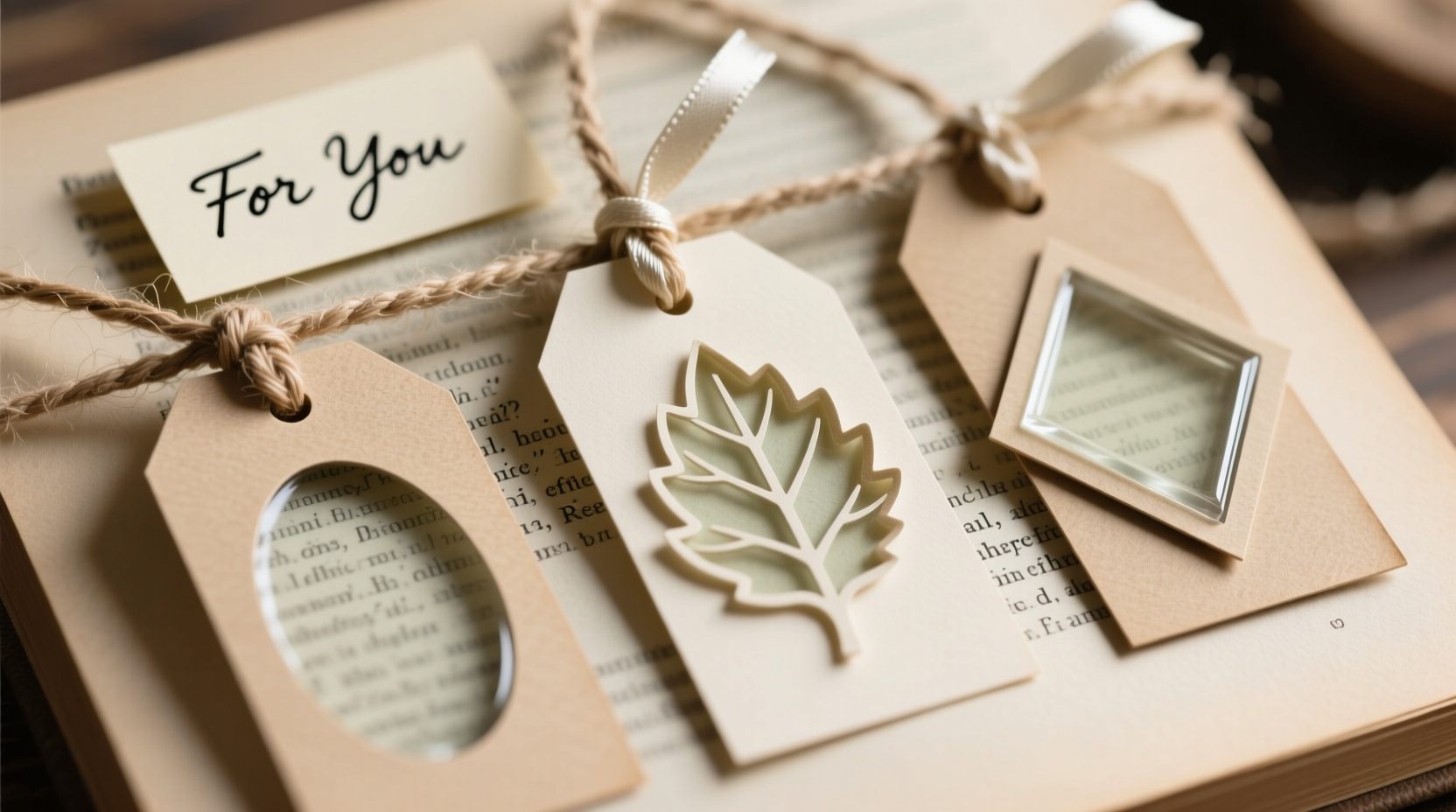
Not all book pages are created equal when it comes to crafting. The paper’s thickness, coating, age, and print density all influence how well it accepts ink. Choosing wisely at the outset prevents most bleeding issues before they start.
Older books, especially those printed before the 1980s, often use higher-quality, less porous paper. These tend to hold up better under liquid-based markers or fountain pens. Avoid glossy magazines or heavily coated pages—they may resist ink entirely, causing skips rather than bleeding, but they lack the classic book-page aesthetic.
- Fiction novels with creamy, matte paper are ideal.
- Hardcover endpapers are thicker and more durable, perfect for sturdier tags.
- Avoid dictionary or textbook pages—they’re thin and densely printed, increasing bleed risk.
Essential Tools and Materials
Gathering the correct supplies is half the battle. Using inappropriate pens or adhesives can sabotage even the most carefully planned project.
| Material | Recommended Options | Avoid |
|---|---|---|
| Pens | Fineliners (e.g., Pigma Micron), gel pens with archival ink, alcohol-based markers (Copic) | Ballpoint pens, water-based markers, highlighters |
| Cutting Tools | Craft knife with metal ruler, precision scissors, hole punch | Regular scissors on thick stacks |
| Adhesives | Glue dots, double-sided tape, glue stick (acid-free) | Liquid white glue (can warp paper) |
| Sealers | Mod Podge Matte, clear acrylic sealer spray, beeswax paper | Hairspray (uneven finish, yellowing over time) |
For longevity and environmental care, choose acid-free and archival-grade products whenever possible. These prevent yellowing and deterioration, preserving both the paper and your handwritten message.
Step-by-Step Guide to Creating Bleed-Free Gift Tags
Follow this detailed process to craft custom gift tags that look polished and last beyond the unwrapping moment.
- Gather and prep book pages: Flatten pages under a heavy book for 24 hours if curled. Trim edges to remove any damaged or torn sections.
- Cut tag shapes: Use a craft knife and metal ruler to cut uniform rectangles (approx. 2” x 3.5”) or use a circle punch for rounded tags. Sand rough edges lightly with fine-grit sandpaper.
- Pre-treat the surface (optional): For extra protection, apply a thin layer of diluted white glue (1:1 with water) with a small brush. Let dry completely. This seals fibers and reduces absorbency.
- Write or stamp your message: Use a fineliner or archival gel pen. Apply light, even pressure. Rest your hand on a scrap piece of paper to avoid smudging.
- Add decorative elements: Embellish with twine, pressed flowers, or stamped motifs. Attach with glue dots to minimize moisture exposure.
- Seal the tag: Apply a light coat of Mod Podge or spray sealer from 8–10 inches away. Let dry 15 minutes, then apply a second coat if desired.
- Punch hole and attach ribbon: Use a small hole punch at the top. Thread with cotton twine or satin ribbon for a finished look.
Real Example: A Wedding Favors Project
Sarah, a DIY bride from Portland, wanted personalized gift tags for her wedding favor jars—mini honey containers labeled with guests’ names. She chose pages from a vintage poetry collection she and her partner had read together.
Her first attempt used a standard ballpoint pen. Ink bled instantly, making names illegible. Discouraged, she nearly abandoned the idea—until she switched to Pigma Micron 01 pens and pre-sealed the tags with a diluted glue solution. The result? Crisp, elegant calligraphy that matched her rustic theme.
She later sprayed the completed tags with a matte acrylic sealer, ensuring they survived outdoor transport and handling. Guests complimented the thoughtful detail, and several saved the tags as keepsakes.
This example shows that even minor adjustments—pen type, sealing method—can transform a failed craft into a cherished memento.
Expert Insight on Paper and Ink Compatibility
“Paper is not passive—it interacts chemically with ink. Porous, uncoated paper pulls liquid inward, causing feathering. Sealing creates a barrier, mimicking the behavior of coated art paper.” — Dr. Lena Torres, Conservation Scientist & Paper Archivist
Dr. Torres emphasizes that understanding paper structure helps prevent damage. “Recycled book pages have variable pH levels and fiber strength. Always test your tools on a scrap first. And never assume ‘paper is paper.’ Each sheet has a history—and a reaction waiting to happen.”
Troubleshooting Common Issues
Even with careful planning, challenges arise. Here’s how to handle them:
- Ink still bleeding? Your pen may be too wet. Switch to a pigment-based fineliner or let the first letter dry 10 seconds before continuing.
- Text smudging after drying? Oils from fingers can reactivate ink. Handle tags by the edges and seal promptly.
- Warping after sealing? You’ve applied too much product. Use thin, even coats and allow full drying between layers.
- Colors fading? UV exposure degrades ink over time. If tags will be displayed, use UV-protective spray or store out of direct sunlight.
Checklist: Create Perfect Book-Page Gift Tags
Use this checklist before starting your next batch:
- ✅ Source undamaged, medium-weight book pages
- ✅ Flatten pages overnight if needed
- ✅ Cut tags to desired size with sharp tools
- ✅ Test pen on scrap piece for bleed resistance
- ✅ Pre-seal with diluted glue (optional but recommended)
- ✅ Write or stamp messages with light pressure
- ✅ Allow ink to dry fully (5–10 minutes)
- ✅ Seal with 1–2 light coats of Mod Podge or spray
- ✅ Punch hole and attach ribbon after complete drying
- ✅ Store flat in a dry, cool place until use
FAQ
Can I use watercolor on book-page gift tags?
Watercolor is high-risk on thin book paper due to its absorbency. If you must use it, pre-seal the tag with a water-resistant barrier like gesso or clear acrylic medium. Work quickly with minimal water, and blot excess immediately.
What’s the best way to write cursive without smearing?
Use a quick-drying gel pen (like Uni-Ball Signo) and write from left to right, lifting your hand frequently. Place a scrap of paper under your writing hand to absorb oils and prevent drag.
Are these tags waterproof?
Not inherently. While sealing improves durability, prolonged moisture exposure will damage paper. For outdoor gifts or humid climates, consider laminating with self-adhesive pouches or using synthetic paper alternatives instead.
Final Thoughts and Call to Action
Creating custom gift tags from recycled book pages isn’t just about sustainability—it’s about storytelling. Each tag carries the echo of a sentence once read, now repurposed into something new and meaningful. With attention to material choice, proper sealing, and the right tools, you can avoid ink bleeding and produce tags that reflect care, elegance, and intention.
Whether you’re preparing for a holiday, wedding, or just want to add a personal touch to everyday gifts, this method empowers you to craft with confidence. Don’t let past failures deter you; refine your approach, test your materials, and embrace the beauty of handmade imperfection.




 浙公网安备
33010002000092号
浙公网安备
33010002000092号 浙B2-20120091-4
Comments
No comments yet. Why don't you start the discussion?