
Stringing popcorn and cranberries into festive garlands is a time-honored holiday tradition. It evokes nostalgia, brings families together, and adds a natural charm to Christmas trees and mantles. But anyone who’s tried it knows the frustration: the thread snaps mid-string, kernels scatter, and enthusiasm wanes. The delicate balance between using edible materials and maintaining structural integrity makes this craft both rewarding and challenging.
The key isn’t just in choosing the right supplies—it’s in technique, preparation, and understanding the subtle physics of threading soft, irregularly shaped items. With the right approach, you can create long-lasting, beautiful garlands that drape elegantly without snapping during assembly or display.
Why traditional methods fail
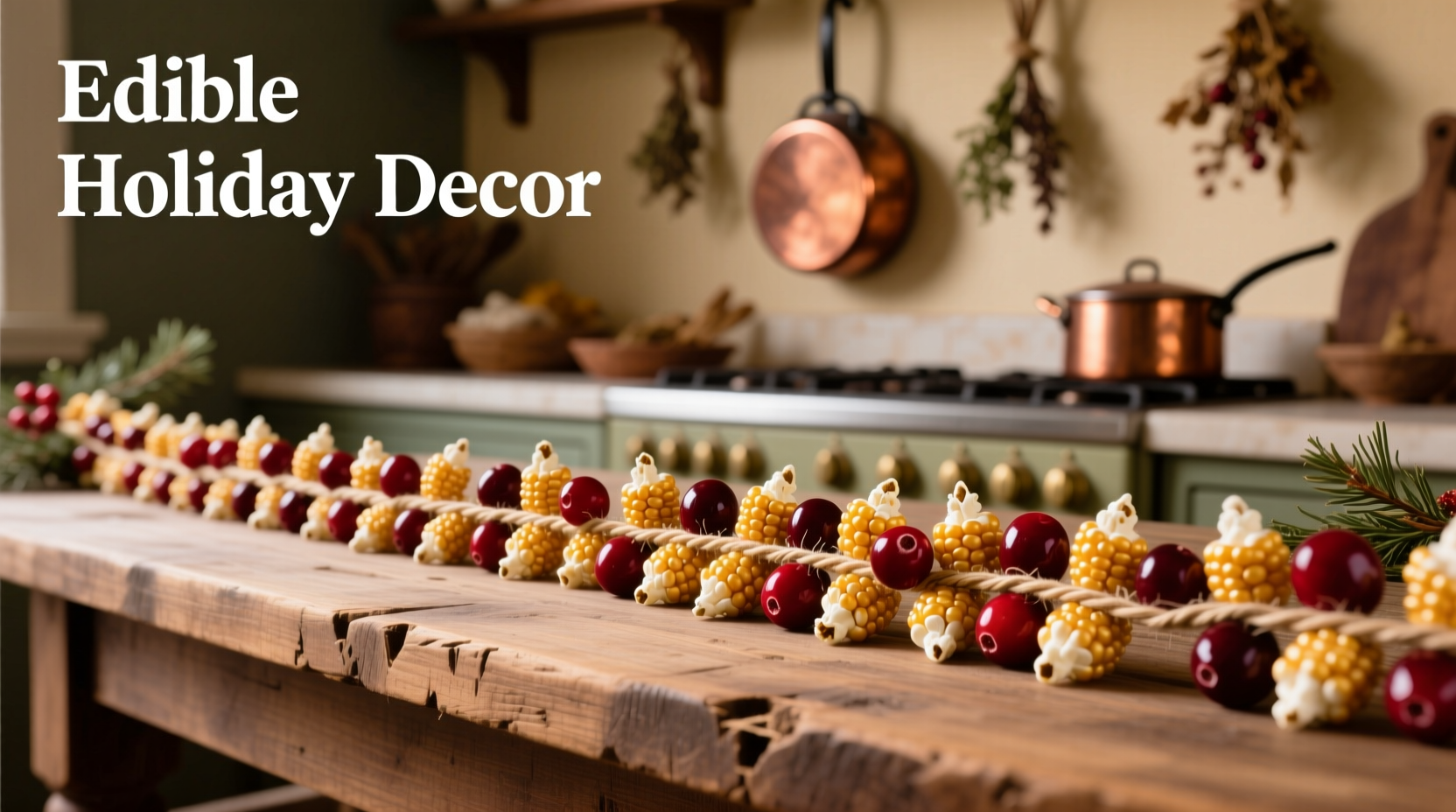
Most people start with a needle and thread, a bowl of popped corn, and fresh cranberries. They thread a few pieces, feel optimistic, then—snap—the thread breaks. This happens for several reasons:
- Frayed or weak thread: Regular sewing thread lacks tensile strength when pulled through abrasive edges like popcorn kernels.
- Poor needle choice: Needles with sharp points can cut fibers rather than glide through them.
- Inconsistent popping: Overly dry or brittle popcorn cracks under pressure.
- Misaligned threading motion: Jerky or angled pulls stress the thread unnecessarily.
Even experienced crafters encounter these issues, especially when involving children or working on large-scale displays. The solution lies not in abandoning tradition but in refining it.
Selecting the right materials
Success begins before you pick up a needle. Choosing the correct components ensures durability and ease of use.
Popcorn: Freshness matters
Use air-popped popcorn made no more than 2–4 hours before stringing. Older popcorn loses moisture and becomes brittle. Avoid buttered, salted, or flavored varieties—they attract pests and degrade faster.
For best results, pop your kernels in a stove-top pot with a clear lid so you can monitor expansion. Remove any unpopped kernels or burnt pieces, which can damage the thread or create weak spots.
Cranberries: Firmness is key
Fresh, plump cranberries are ideal. Squeeze a few before buying—if they spring back, they’re ripe and resilient. Soft or wrinkled berries will split during threading and spoil quickly.
Thread alternatives: Beyond cotton
Cotton thread may seem logical, but it absorbs moisture from the food and weakens over time. Instead, opt for:
- Waxed dental floss: Strong, smooth, and resistant to abrasion.
- Unflavored heavy-duty fishing line (6–8 lb test): Nearly invisible and extremely durable.
- Nylon beading thread: Flexible and designed for repeated pulling through small holes.
Avoid silk or embroidery floss unless waxed—they tend to fray or stretch.
Needles: Blunt over sharp
Use a large-eye blunt needle, such as a tapestry or upholstery needle. These won’t cut the thread or pierce berries prematurely. A bent-tip needle can also help guide the thread without slipping.
“Many people don’t realize that the needle’s shape affects tension distribution. A blunt tip spreads force across the surface instead of concentrating it at a point.” — Dr. Lila Chen, Textile Engineer and Craft Materials Researcher
Step-by-step guide to unbreakable garlands
Follow this methodical process to minimize breakage and maximize efficiency.
- Prepare your workspace: Cover a table with parchment paper or a clean towel. Keep bowls nearby for sorted popcorn and cranberries. Have scissors, needle, and thread ready.
- Cut thread to manageable lengths: Use 6–8 foot segments. Longer strands increase friction and risk of tangles or breakage.
- Wax the thread (if not pre-waxed): Run dental floss or nylon thread through a beeswax block to reduce friction and strengthen fibers.
- Thread the needle and tie a double knot: Use a square knot at the end, leaving a 3-inch tail. Press the knot flat with your fingernail to prevent snagging.
- Start with a popcorn kernel: Slide the first piece onto the needle gently. Do not force it. If resistance occurs, reposition the needle at the center of the kernel.
- Alternate pattern: Popcorn, cranberry, repeat: This creates visual rhythm and balances weight distribution. Push each piece down the thread with your fingers, not by pulling the thread itself.
- Apply steady, even pressure: Move the needle in a smooth arc. Never yank or twist. Let gravity assist when possible.
- Check tension every 10–15 inches: Lay the strand flat. It should drape loosely, not sag excessively or pull tight.
- Tie off securely: At the end, make two knots spaced half an inch apart. Trim excess, leaving quarter-inch tails.
- Hang with care: Drape garlands over tree branches gently. Avoid sharp hooks or metal ornaments that could abrade the thread.
Do’s and Don’ts: Material and Method Comparison
| Category | Do | Don't |
|---|---|---|
| Thread Type | Waxed dental floss, nylon beading thread, light fishing line | Cotton thread, embroidery floss, kite string |
| Popcorn | Air-popped, unsalted, used within 4 hours | Microwave bagged, buttered, stale |
| Cranberries | Fresh, firm, chilled briefly | Soft, bruised, room-temperature for days |
| Needle | Blunt-tipped, large-eye tapestry or upholstery needle | Sharps, sewing needles, pins |
| Technique | Smooth motions, alternating pattern, moderate tension | Jerking, over-tightening, forcing cracked kernels |
Real-world example: The community center holiday project
Last December, the Maplewood Community Center hosted a family crafting day featuring popcorn-cranberry garland making. In previous years, nearly half the participants abandoned their projects due to broken threads and scattered snacks. This time, organizers implemented a new protocol based on material testing and feedback.
They provided waxed dental floss, pre-sorted popcorn, chilled cranberries, and blunt needles. Volunteers demonstrated the proper threading motion using slow, circular hand movements. Children were paired with adults to maintain consistent pacing.
The result? Over 90% of attendees completed at least one six-foot garland. Not a single thread snapped during the event. One parent noted, “We actually finished something together—and it stayed intact!” The garlands were later donated to a senior living facility, where residents appreciated both the decoration and the story behind it.
This case highlights how small adjustments in materials and instruction can transform a frustrating activity into a successful, joyful experience.
Pro tips for durability and display
Even after successful assembly, garlands can degrade if not handled properly. Consider these advanced strategies:
- Prevent pest attraction: Spray finished garlands lightly with a mixture of 1 part lemon juice and 3 parts water. This deters ants and mice without altering appearance.
- Control humidity: Display garlands in rooms with stable temperature and low moisture. High humidity softens popcorn; dry air makes it brittle.
- Rotate annually: Store in a breathable cotton bag inside a cardboard box. Avoid plastic, which traps moisture and encourages mold.
- Use as temporary decor: Plan to hang garlands no more than 2–3 weeks before removing. Edible decorations are not meant to last beyond the season.
- Incorporate non-edible spacers: Add small wooden beads or cinnamon sticks every 12 inches to reduce strain on the thread between heavy sections.
FAQ: Common questions answered
Can I use glue to reinforce the thread?
No. Glue stiffens the strand and creates weak points where flexibility is needed. It can also seep into popcorn or cranberries, accelerating decay. Strength comes from proper materials and technique—not adhesives.
How long should my garland be?
For a standard 6–7 foot tree, aim for 12–15 feet of garland to allow for draping and looping. Measure your space beforehand. For mantles or stair railings, add 25% extra length for gathers.
Are there pet-safe alternatives if I have curious animals?
Yes. While popcorn and cranberries aren’t toxic to dogs or cats in small amounts, ingestion of strings can cause intestinal blockages. Consider using larger pasta rings and dried apple slices instead. These are sturdier, less tempting, and safer if accidentally consumed.
Essential checklist for success
Before you begin, ensure you have the following:
- ✅ Fresh, air-popped popcorn (unsalted, unbuttered)
- ✅ Firm, high-quality cranberries (chilled briefly)
- ✅ Waxed dental floss or nylon beading thread (6–8 ft lengths)
- ✅ Blunt-tipped, large-eye needle
- ✅ Beeswax (optional, for additional thread protection)
- ✅ Parchment paper or towel-lined workspace
- ✅ Scissors and measuring tape
- ✅ Patience and steady hands
Having everything ready prevents interruptions that might lead to rushed movements and broken threads.
Conclusion: Turn tradition into triumph
Creating edible popcorn and cranberry garlands doesn’t have to be a lesson in frustration. By selecting the right materials, applying thoughtful technique, and respecting the limitations of organic components, you can produce beautiful, durable decorations that honor tradition without sacrificing practicality.
This craft connects generations, celebrates seasonal abundance, and adds warmth to any home. Whether you’re teaching a child, sharing a moment with a grandparent, or simply enjoying quiet creativity, the process should be as rewarding as the result.




 浙公网安备
33010002000092号
浙公网安备
33010002000092号 浙B2-20120091-4
Comments
No comments yet. Why don't you start the discussion?