
Fabric baskets are more than just practical storage—they’re a design statement. Whether tucked beside the sofa, stacked in a nursery, or used in the bathroom, handmade fabric baskets bring warmth, texture, and order to any space. Unlike mass-produced plastic bins, custom-made fabric baskets can be tailored to match your décor, repurposed from old textiles, and built to last with sturdy construction. Best of all, they require only basic sewing skills and everyday materials. This guide walks you through every stage—from selecting the right fabrics to finishing durable handles—so you can create beautiful, functional storage that reflects your style.
Why Make Your Own Fabric Baskets?
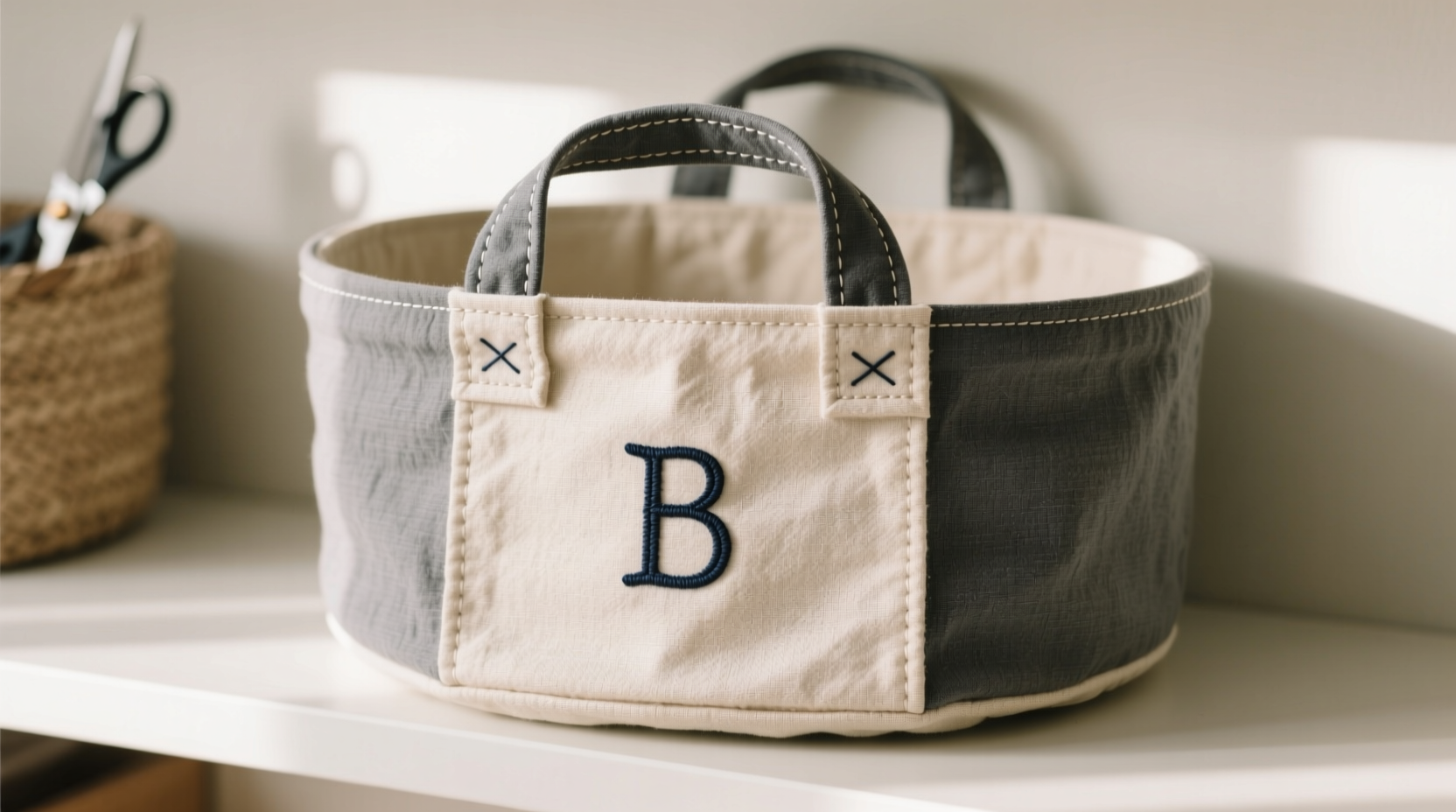
Store-bought baskets often come in limited sizes and generic designs. When you make your own, you control the dimensions, colors, textures, and structural integrity. You can use upcycled denim, cotton canvas, or even vintage quilting scraps, turning sustainability into style. Plus, handmade baskets make thoughtful gifts for housewarmings, baby showers, or as part of a curated self-care kit.
“Handmade storage isn’t just about utility—it’s about intention. Every stitch reflects care, and every basket holds more than items; it holds memory.” — Lena Torres, Textile Artist & Sustainable Design Advocate
Materials and Tools You’ll Need
The beauty of this project lies in its accessibility. Most supplies can be found at home or picked up affordably at craft stores. Here’s what you’ll need to get started:
- Fabric (outer and lining) – cotton canvas, denim, or heavy quilting cotton recommended
- Fusible interfacing (medium or heavy weight) for structure
- Scissors or rotary cutter
- Sewing machine with universal needle (size 90/14)
- Thread (polyester or cotton-wrapped polyester)
- Pins or clips
- Ruler or measuring tape
- Iron and ironing board
- Chalk or fabric marker
- Optional: piping cord, decorative trim, or contrast binding
Step-by-Step Construction Guide
Making a structured fabric basket involves careful cutting, layering, and stitching. Follow these steps to ensure durability and clean finishes.
- Decide on size and shape. Common options include rectangular, square, or round-bottomed baskets. For beginners, a simple square basket (8” x 8” base, 6” height) works well.
- Cut your fabric pieces:
- Outer fabric: One rectangle for the side (height x circumference), one square for the base.
- Lining fabric: Same dimensions as outer.
- Interfacing: Cut same shapes from fusible material to back both outer and lining pieces.
- Apply interfacing. Iron the fusible side onto wrong sides of both outer and lining fabrics. This adds stiffness and prevents sagging.
- Sew the side panels. Join the short ends of the side rectangles (right sides together) to form a loop. Press seam open.
- Attach the base. With right sides facing, pin the base to the bottom edge of the side panel. Ease corners carefully. Stitch all around using a ½” seam allowance.
- Repeat for lining. Do not turn lining right-side out yet.
- Join outer and lining. Place the outer basket (right side out) inside the lining (wrong side out), aligning top edges. Pin together and stitch around the top opening.
- Turn right-side out. Pull the entire piece through the gap left in the lining. Use a blunt tool to push out corners gently.
- Topstitch the rim. Fold the raw edge inward, press flat, then topstitch ¼” from the edge to close the gap and reinforce the rim.
- Add optional handles. Attach fabric loops, braided straps, or leather pulls using bar tacks or X-shaped stitching for strength.
Design Variations and Creative Upgrades
Once you’ve mastered the basic construction, experiment with customization to elevate both function and aesthetics.
| Variation | Description | Ideal For |
|---|---|---|
| Double-Layered Walls | Add extra interfacing or a second fabric layer for rigidity | Heavy items like books or toys |
| Contrast Binding | Finish edges with colored bias tape or folded fabric strips | Kitchen or kids’ rooms |
| Piped Edges | Sew cording into the seam between outer and lining | Luxury look, living room decor |
| Removable Lining | Add snap buttons or Velcro to inner lining | Bathrooms or diaper organizers |
| Fold-Down Tops | Create a cuff that rolls down like a tote bag | Flexible storage, seasonal decor changes |
Mini Case Study: The Nursery Organization Upgrade
Sophie, a new mother in Portland, struggled with clutter in her baby’s room. Standard baskets collapsed under the weight of onesies and blankets. She decided to make six custom fabric baskets using leftover linen-cotton blend and heavyweight interfacing. Each basket measured 10” x 7” x 5”, with contrasting navy binding and fabric labels. After three months of daily use—filled with diapers, burp cloths, and toys—none showed signs of wear. “They hold their shape, wash well, and actually look good next to the crib,” she said. “Now I’m making matching ones for the playroom.”
Dos and Don’ts of Fabric Basket Making
| Do | Don’t |
|---|---|
| Use tightly woven, medium-to-heavyweight fabrics | Choose flimsy voile or stretchy knits |
| Press seams at every stage for professional results | Skip ironing—wrinkles lead to misalignment |
| Reinforce stress points like corners and handle attachments | Stitch handles with single lines; always bar-tack |
| Pre-shrink fabric to avoid post-project distortion | Assume all cotton behaves the same |
| Test washability on scraps first | Use non-washable glues or adhesives |
FAQ: Common Questions About DIY Fabric Baskets
Can I wash my fabric basket?
Yes, but hand-washing or spot-cleaning is best. If machine washing, use cold water and gentle cycle, then air dry completely to preserve shape and interfacing integrity. Avoid high heat, which can melt fusible layers.
What if I don’t have a sewing machine?
You can hand-sew fabric baskets using a backstitch for seams and a whipstitch for assembly. It will take longer and may be less durable for heavy loads, but it’s entirely possible—especially for small, lightweight baskets.
How do I choose coordinating fabrics?
Stick to a cohesive color palette and mix textures instead of patterns. For example, pair solid canvas with subtle herringbone twill. Test combinations under natural light to ensure harmony.
Checklist: Build Your First Fabric Basket
- ☐ Decide on final size and intended use
- ☐ Select outer fabric, lining, and interfacing
- ☐ Pre-wash and dry all materials
- ☐ Cut precise pieces using a ruler and chalk
- ☐ Fuse interfacing to wrong sides of fabric
- ☐ Sew side seams and attach base for outer and lining
- ☐ Assemble outer and lining at top rim
- ☐ Turn right-side out and press carefully
- ☐ Topstitch the opening closed
- ☐ Add handles or decorative elements
- ☐ Label or personalize if desired
Final Thoughts and Call to Action
Creating fabric baskets is more than a craft—it’s a way to reclaim space, reduce waste, and express personal style. With just a few hours and minimal investment, you can transform humble fabric remnants into lasting organizational tools. These baskets age gracefully, developing character with use while continuing to serve their purpose. Whether you're organizing cables, storing linens, or corralling children’s art supplies, handmade storage brings a quiet dignity to everyday life.




 浙公网安备
33010002000092号
浙公网安备
33010002000092号 浙B2-20120091-4
Comments
No comments yet. Why don't you start the discussion?