
In kitchens across South Asia, Southeast Asia, and the Caribbean, a small jar of freshly made ginger and garlic paste is often more valuable than a spice rack. This aromatic blend forms the foundational layer of flavor in countless savory dishes—from rich butter chicken and fiery vindaloo to delicate vegetable stir-fries and robust meat marinades. While store-bought versions are available, they frequently contain preservatives, fillers, or inconsistent ratios that dull the vibrancy of your cooking. Making ginger and garlic paste at home ensures maximum freshness, potency, and control over quality. It takes less than ten minutes, requires only two ingredients and a blender, and can be stored for weeks—elevating everyday meals with minimal effort.
Definition & Overview
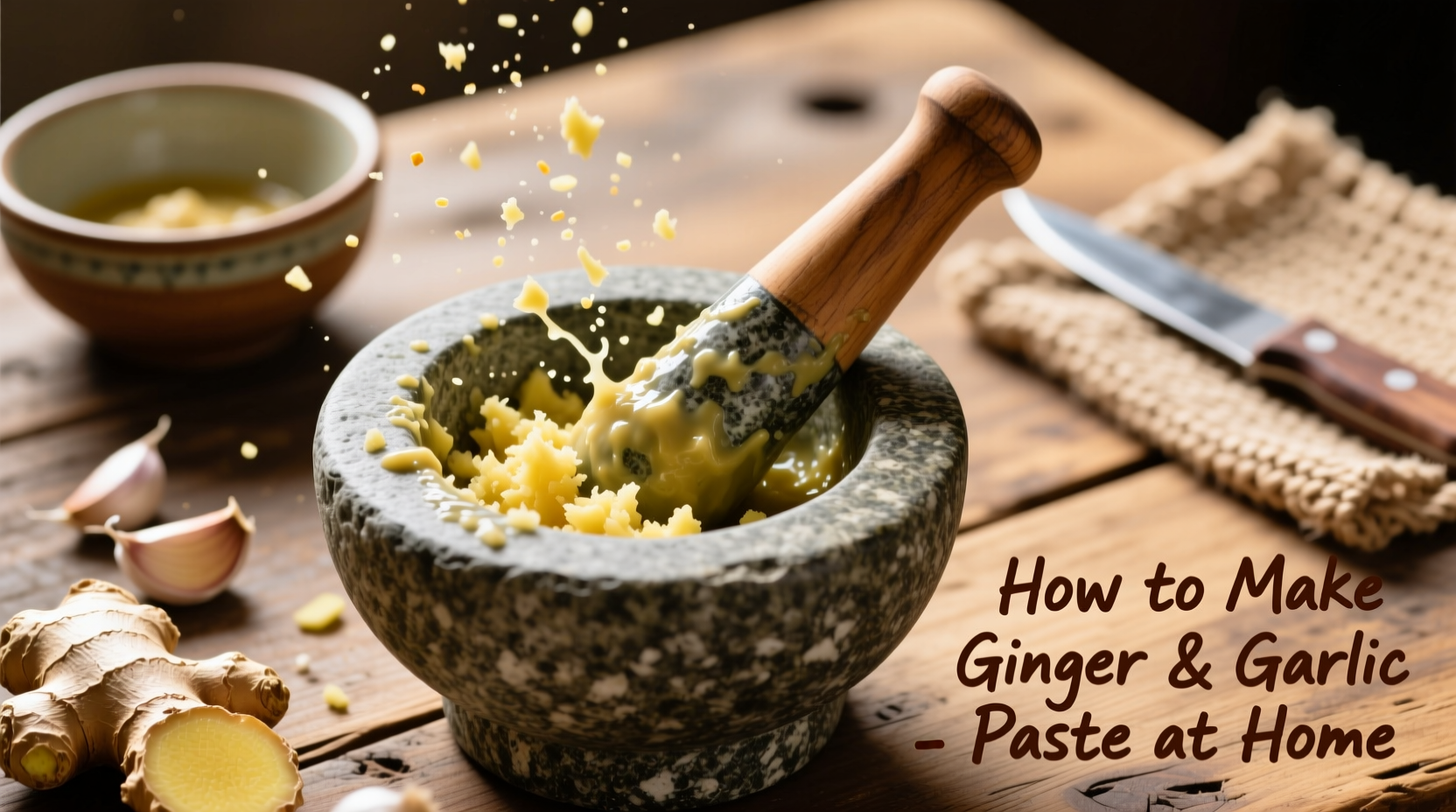
Ginger and garlic paste is a smooth, concentrated mixture of fresh ginger root and garlic cloves, blended together with a small amount of water or oil to form a pourable or spreadable consistency. Commonly referred to as \"ginger-garlic masala\" in Indian and Pakistani cuisines, it functions as a flavor base similar to mirepoix in French cooking or sofrito in Latin American cuisine. Unlike single-ingredient pastes, this combination leverages the synergistic relationship between ginger’s warm pungency and garlic’s sharp umami depth, creating a dynamic foundation that enhances both vegetarian and non-vegetarian dishes.
The paste originated as a time-saving technique in traditional households where daily cooking involved labor-intensive grinding of spices and aromatics using stone mortars (sil batta) or hand-driven grinders. Over generations, cooks realized that pre-grinding ginger and garlic not only saved time but also allowed for deeper infusion into dishes during the tempering (tadka) stage. Today, it remains a staple in home and restaurant kitchens alike, particularly in Indian, Bangladeshi, Sri Lankan, Nepali, and Indo-Caribbean culinary traditions.
Key Characteristics
| Attribute | Description |
|---|---|
| Flavor Profile | Sharp, pungent, slightly spicy from raw garlic; warm, citrusy heat from ginger. Mellow and rounded when cooked. |
| Aroma | Pronounced, earthy, and intensely aromatic—especially when sautéed in oil. |
| Color | Off-white to pale beige, sometimes with faint yellow undertones depending on ginger variety. |
| Texture | Smooth, thick, and creamy when properly blended; may have slight fibrous strands if ginger isn’t strained. |
| Heat Level | Moderate—ginger adds warmth, garlic contributes sharpness. Not chili-hot unless additional peppers are included. |
| Culinary Function | Base flavor enhancer used in sautéing, marinating, stewing, and braising. |
| Shelf Life (Homemade) | Up to 3 weeks refrigerated; up to 6 months frozen. |
Practical Usage: How to Use Ginger and Garlic Paste in Cooking
Ginger and garlic paste is rarely consumed raw due to its intense bite. Instead, it is typically added early in the cooking process—sautéed in hot oil or ghee—to bloom its flavors and integrate them into the dish. This step, known as “tempering,” transforms the harshness of raw alliums into a complex, savory backbone.
Standard Ratio: Most recipes call for one part ginger to one part garlic by weight or volume. For example, 1 tablespoon of paste usually contains about ½ tsp grated ginger + ½ tsp minced garlic. Adjust based on preference—some prefer extra ginger for warmth, others more garlic for boldness.
Common Applications
- Curry Bases: Sauté 1–2 tablespoons in oil before adding onions, tomatoes, or lentils. Essential in dals, kormas, rogan josh, and chana masala.
- Marinades: Mix with yogurt, lemon juice, salt, and spices to tenderize meats and infuse flavor. Ideal for tandoori chicken, kebabs, or paneer tikka.
- Stir-Fries: Add 1 teaspoon to hot wok before vegetables or noodles for an instant aroma boost.
- Soups & Broths: Stir into lentil soups, ramen, or pho-style broths for depth without overpowering.
- Vegetable Dishes: Enhances sautéed greens like spinach (palak), potatoes (aloo gobi), or eggplant (baingan).
- Gravies & Sauces: Blended into tomato-based sauces, coconut milk curries, or barbecue rubs for complexity.
Pro Tip: Always cook ginger-garlic paste in fat before adding liquids. Raw paste can taste metallic or bitter. Sauté for 1–2 minutes until fragrant and slightly golden—this develops sweetness and removes raw edge.
Step-by-Step Guide: Making the Paste at Home
- Select Ingredients: Choose firm, plump ginger root (young, moist skin preferred) and fresh garlic cloves without green sprouts.
- Peel and Prep: Peel both using a spoon (for ginger) and crush garlic lightly to remove skins. Rinse briefly and pat dry.
- Chop Coarsely: Cut ginger into small cubes (~½ inch). Smash garlic cloves slightly to release enzymes.
- Blend: Place equal parts ginger and garlic in a high-speed blender or food processor. Add 2–3 tbsp water or neutral oil (like grapeseed or sunflower).
- Puree Until Smooth: Blend for 1–2 minutes, scraping down sides as needed. Add more liquid only if necessary to achieve a thick, pourable consistency.
- Optional Straining: For ultra-smooth texture (ideal for fine sauces), press through a fine-mesh sieve to remove fibrous strands from ginger.
- Store Immediately: Transfer to clean glass jar or ice cube trays for freezing.
Variants & Types
While the classic version uses only ginger, garlic, and water/oil, several regional and functional variations exist. These adapt the paste for specific cuisines or dietary needs.
1. Basic Fresh Paste (Equal Ratio)
The standard 1:1 blend. Balanced in flavor, suitable for most Indian, Thai, and fusion dishes.
2. Extra-Ginger Paste (2:1 Ratio)
Higher ginger content provides more warmth and anti-inflammatory benefits. Popular in Ayurvedic cooking and winter dishes.
3. Oil-Based vs. Water-Based
- Oil-Based: Uses oil instead of water for blending. Extends shelf life slightly and improves integration into oil-heavy dishes.
- Water-Based: Lower calorie, better for low-fat diets. Requires stricter refrigeration.
4. Enhanced Pastes (With Additives)
Some cooks add complementary ingredients for convenience:
- Onion-Ginger-Garlic Paste: Includes onion for broader base flavor. Reduces prep time for layered gravies.
- Green Chili Addition: Adds heat and color. Common in South Indian and Thai-inspired blends.
- Lemon Juice or Vinegar: Acts as mild preservative and brightens flavor profile.
5. Dry Powder Substitute
Dried ginger and garlic powders can mimic the paste but lack freshness. Reconstitute with water (1 tsp powder + 1 tsp water = ~1 tsp paste), though results will be flatter in flavor.
Comparison with Similar Ingredients
Ginger and garlic paste is often confused with other aromatic preparations. Understanding the differences ensures proper use in recipes.
| Ingredient | Ginger-Garlic Paste | Minced Aromatics | Garlic Paste Only | Garam Masala |
|---|---|---|---|---|
| Composition | Ginger + garlic + liquid | Fresh chopped ginger + garlic | Garlic only | Ground spices (cinnamon, cardamom, cloves, etc.) |
| Flavor Role | Foundational savory base | Same, but coarser texture | Garlic-forward depth | Finishing spice blend |
| When Added | Early in cooking | Early in cooking | Early in cooking | Late or post-cooking |
| Shelf Life | 3 weeks (fridge), 6 months (frozen) | 1–2 days (pre-chopped) | 2 weeks (fridge) | 6–12 months (dry) |
| Best For | Consistent flavor, batch cooking | Immediate use, rustic texture | Dishes needing only garlic | Final seasoning, aroma lift |
“A well-made ginger-garlic paste is the soul of a good curry. It’s not just about convenience—it’s about building layers. When you sauté it properly, you’re not just cooking aromatics; you’re creating chemistry.”
— Chef Meera Sodha, author of *East: 120 Simple Vegan and Vegetarian Recipes*
Practical Tips & FAQs
Q1: Can I use a mortar and pestle instead of a blender?
A1: Yes. Traditional methods yield excellent results, especially with young ginger. Crush garlic first, then add ginger in batches, grinding with circular motions. It takes 5–7 minutes but produces a more textured, artisanal paste.
Q2: Why does my homemade paste separate in the fridge?
A2: Natural settling occurs due to fiber and moisture separation. Simply stir before use. Adding a few drops of oil before storage can help stabilize emulsion.
Q3: Is it safe to store at room temperature?
A3: No. Due to high moisture content and lack of preservatives, refrigeration is essential. Room temperature storage risks bacterial growth, including botulism in oil-based versions.
Q4: How do I freeze it effectively?
A4: Pour paste into silicone ice cube trays (1 cube ≈ 1 tbsp), freeze solid, then transfer to a sealed bag. Label with date. Thaw in fridge overnight or microwave briefly.
Q5: Can I substitute bottled ginger-garlic paste?
A5: Bottled versions (e.g., Patak’s, Shan) are usable in a pinch but often contain salt, citric acid, and stabilizers. Flavor is less vibrant. Use ¾ the amount and adjust seasoning accordingly.
Q6: Does organic matter for this paste?
A6: Preferably yes. Ginger is often heavily sprayed with pesticides and treated with sprout inhibitors. Organic roots are easier to peel and cleaner tasting. Same applies to garlic, which may be irradiated or bleached conventionally.
Q7: What dishes should I avoid using this paste in?
A7: Delicate desserts, dairy-based sweets (like rasgulla), or raw salads unless intentionally featured (e.g., in dressings with strong acids). Its potency can overwhelm subtle flavors.
Q8: Can I add turmeric or other spices to the paste?
A8: Not recommended for long-term storage. Turmeric stains and alters pH, potentially affecting stability. Better to add spices during cooking. However, for immediate use, mixing in cumin or coriander is acceptable.
Storage Checklist:
✅ Use sterilized glass jar with tight lid
✅ Press plastic wrap directly onto surface to limit oxidation
✅ Store in back of refrigerator (not door)
✅ Freeze in portion-controlled units
❌ Do not double-dip with used spoons
❌ Avoid storing near strong-smelling foods (onions, fish)
Summary & Key Takeaways
Homemade ginger and garlic paste is a transformative kitchen staple that bridges tradition and modern efficiency. By combining two powerful aromatics into a single, ready-to-use ingredient, cooks gain consistency, depth, and speed in meal preparation. The paste delivers a balanced fusion of ginger’s bright warmth and garlic’s savory punch, forming the aromatic cornerstone of global cuisines.
Its versatility spans curries, marinades, stir-fries, and soups, while its shelf life—up to three weeks refrigerated or six months frozen—makes it ideal for weekly meal prep. Unlike commercial alternatives, homemade versions are free from additives and tailored to personal taste. Whether blended in a high-speed processor or ground by hand, the result is a fresher, more vibrant foundation than pre-minced substitutes or dried powders.
Understanding the nuances—such as cooking the paste before adding liquids, choosing water versus oil as a medium, and avoiding contamination during storage—ensures optimal performance and safety. Variations like onion-infused blends or chili-enhanced versions offer further customization, but the core 1:1 ratio remains unmatched in balance and utility.
Ultimately, mastering this simple paste is not just about saving time—it’s about elevating flavor at the most fundamental level. A spoonful added to hot oil releases an aroma that signals the beginning of something delicious. In that moment, the kitchen comes alive, and home cooking transcends routine.
Start small: Make a batch this week, freeze it in cubes, and use one cube per dish. Notice the difference in depth and consistency. Once you experience the clarity of fresh, homemade ginger-garlic paste, there’s no going back.




 浙公网安备
33010002000092号
浙公网安备
33010002000092号 浙B2-20120091-4
Comments
No comments yet. Why don't you start the discussion?