
There’s nothing more disappointing than a perfectly brewed cup of coffee turning into a watery mess the moment ice hits the glass. This common issue plagues coffee lovers who crave bold flavor even when their drink is served cold. The culprit? Melting ice. But what if you could enjoy rich, smooth iced coffee that stays strong from first sip to last? With the right techniques and a few clever ice tricks, you can. No more compromise between temperature and taste.
The key lies in rethinking how ice interacts with your coffee. Instead of letting standard cubes dilute your brew, consider methods that preserve concentration while still delivering that refreshing chill. From freezing coffee into custom ice cubes to using alternative cooling tools like metal cubes or chilled glassware, the solutions are both simple and effective. Whether you're a home brewer or a daily commuter with a coffee habit, these strategies will transform your iced coffee experience.
Why Ice Dilutes Coffee (And How to Stop It)
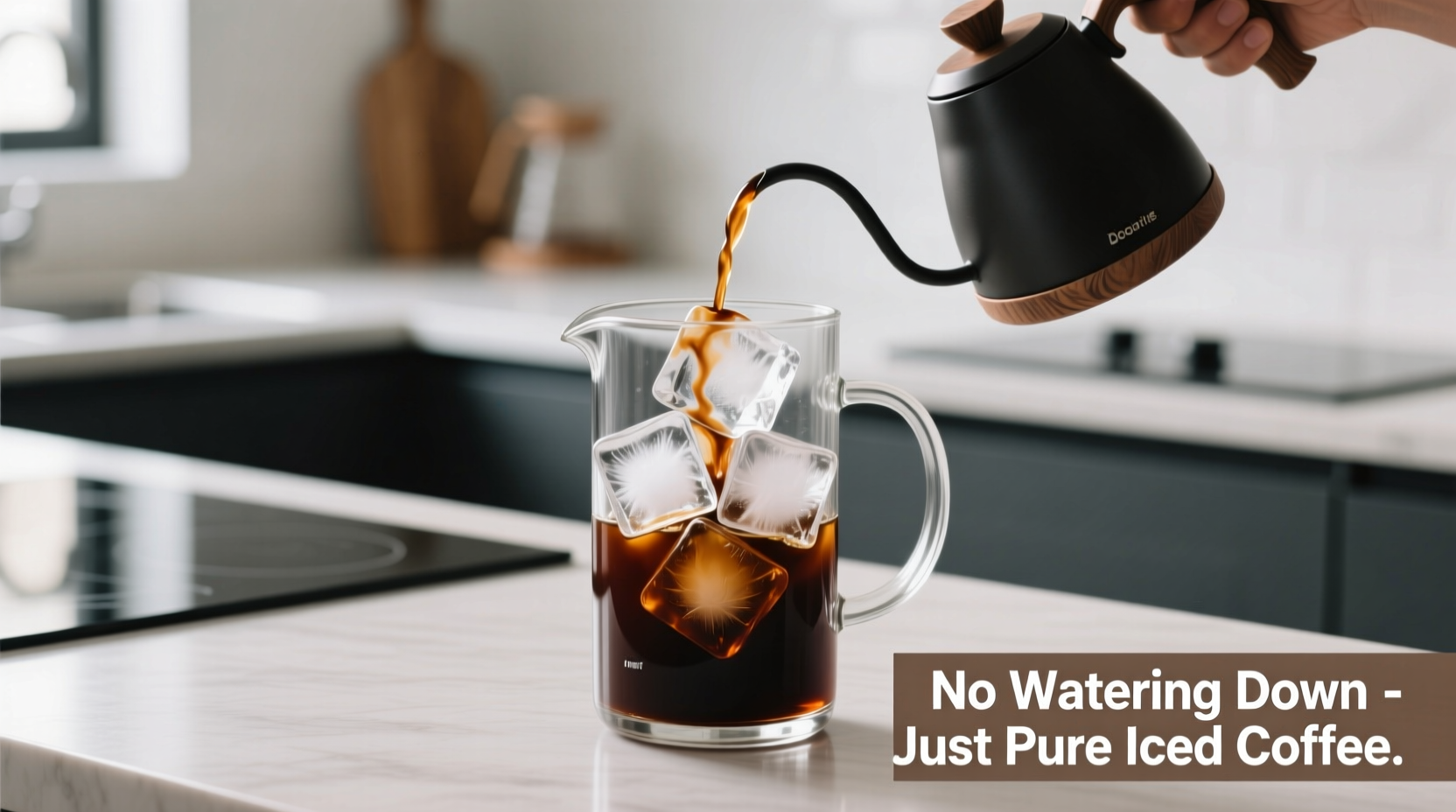
When regular ice melts in coffee, it introduces pure water into an already balanced liquid. Coffee’s flavor profile—its acidity, sweetness, bitterness, and body—is carefully extracted during brewing. Introducing water disrupts this balance, washing out nuanced notes and leaving behind a flat, thin beverage. This isn’t just a minor annoyance; it fundamentally alters the drink.
The rate of melting depends on several factors: the size of the ice cube, the temperature of the coffee, and the ambient environment. Smaller cubes melt faster. Hotter liquids accelerate melting. Even stirring increases heat transfer, speeding up dilution. Understanding this process is the first step toward controlling it.
Instead of fighting physics, smart iced coffee preparation works with it. By either replacing water-based ice with alternatives or pre-chilling components before assembly, you eliminate the source of dilution. The goal isn't to avoid cold—it's to achieve cold without compromise.
Coffee Ice Cubes: The Simple Fix That Actually Works
One of the most accessible and effective solutions is making ice cubes out of brewed coffee. When these freeze-solid cubes melt, they release coffee—not water—into your drink. The result? A consistently flavored iced coffee from top to bottom.
To make them, simply pour cooled or room-temperature coffee into an ice tray and freeze for at least four hours. For best results, use a medium-strength brew—too strong, and the melted cubes overpower the fresh coffee; too weak, and they won’t compensate for dilution. If you don’t have leftover coffee, brew a small batch specifically for freezing.
You can also enhance these cubes by adding ingredients like vanilla extract, a pinch of cinnamon, or even a splash of milk before freezing. This adds subtle flavor layers that emerge as the cubes melt. Just avoid sugary additions unless you’re certain about your final sweetness level—once frozen, adjustments aren’t possible.
For those who batch-brew, this method turns potential waste into value. Leftover coffee no longer needs to be discarded; instead, it becomes a tool for better future drinks.
“Using coffee ice cubes is one of the easiest upgrades a home barista can make. It costs nothing extra and instantly improves consistency.” — Daniel Park, Home Brewing Consultant
Flash-Chilling: Brewing Hot, Serving Cold Without Dilution
Flash-chilling, also known as Japanese-style iced coffee, involves brewing hot coffee directly over a full portion of ice. The immediate contact cools the coffee rapidly, locking in bright, aromatic notes that would otherwise degrade during slow cooling. Because the ice is part of the brewing ratio, the final product is intentionally diluted—just enough—and stops melting once equilibrium is reached.
To execute this method correctly, measure your ice precisely. A typical ratio is 50% ice to total liquid volume. For example, if you want 12 ounces of finished coffee, place 6 ounces of ice in the serving carafe before brewing. Then, brew exactly 6 ounces of hot coffee to melt the ice completely. This ensures a balanced, non-watery outcome.
This technique works best with light to medium roast beans, which highlight floral, citrus, and tea-like qualities amplified by rapid cooling. Dark roasts can become overly sharp or ashy if not calibrated properly, so adjust grind size and brew time accordingly.
Equipment-wise, any pour-over setup (V60, Chemex, Kalita) works. Pre-wet your filter to remove paper taste and stabilize temperature. Place it over the iced carafe, add grounds, and begin pouring just off-boil water in steady concentric circles. Aim to finish brewing within 2–3 minutes for optimal extraction.
Flash-Chill Brewing Timeline
- 0:00 – Place 6 oz ice in carafe, set up pour-over cone.
- 0:15 – Add 20g medium-fine ground coffee.
- 0:20 – Start pour with 40g hot water (bloom phase).
- 0:40 – Begin main pour, maintaining steady flow.
- 2:30 – Final drops pass through; discard filter.
- 2:35 – Stir gently and serve immediately.
Alternative Cooling Methods Beyond Traditional Ice
Sometimes, eliminating ice altogether is the cleanest solution. Several non-melting cooling tools offer chilling power without introducing foreign liquids.
Metal or Stainless Steel Ice Cubes
These reusable cubes are frozen before use and placed in the glass prior to pouring coffee. They cool the drink through conduction but don’t melt. Best used with pre-chilled coffee or in short-contact scenarios (e.g., sipping over 15–20 minutes). Limitation: they provide surface-level cooling and may not chill large volumes evenly.
Chilled Glassware
Pre-cooling your tumbler or mason jar in the freezer for 15–20 minutes significantly reduces initial heat transfer. Combine this with coffee ice cubes or flash-chilled brew, and you extend cold retention without added water. Avoid extreme thermal shock—never put glassware straight from freezer to boiling liquid.
Frozen Coffee Spheres
Using silicone molds, freeze concentrated coffee into large spheres. Their low surface-area-to-volume ratio means slower melting. One or two spheres can chill a tall glass effectively while minimizing dilution. Bonus: they look impressive and rotate smoothly in clear glasses.
Cold Brew Concentrate
While not brewed hot, cold brew concentrate is inherently designed for dilution. Mix it 1:1 with water or milk when serving. Since dilution is intentional and controlled, there’s no surprise weakening mid-drink. Store concentrate in bottles for up to two weeks.
| Method | Dilution Risk | Flavor Integrity | Best For |
|---|---|---|---|
| Regular Ice Cubes | High | Low | Casual drinkers willing to accept weaker taste |
| Coffee Ice Cubes | None (adds coffee) | High | Leftover coffee users, flavor purists |
| Flash-Chilling | Controlled | Very High | Bright, aromatic profiles; quick service |
| Metal Cubes | None | Medium (limited chill) | Short sipping sessions, presentation |
| Cold Brew Concentrate | Controlled | High | Batch prep, long shelf life |
A Real-World Example: Sarah’s Summer Coffee Routine
Sarah, a marketing manager in Austin, Texas, used to dread her afternoon coffee slump. She’d order iced lattes from cafes, only to find them watery and underwhelming by the time she returned to her desk. After researching alternatives, she switched to making flash-chilled coffee at home each morning.
She now brews 10 ounces of single-origin Colombian coffee directly over 10 ounces of ice in a heatproof pitcher. Once cooled, she transfers it to a sealed bottle and stores it in the fridge. At work, she pours 8 ounces over fresh coffee ice cubes and adds a splash of oat milk. The result? A crisp, vibrant drink that holds its character for hours—even in 95°F weather.
Her coworkers noticed the difference. “You can actually taste the chocolate and berry notes,” one said after trying a sample. Sarah reduced her cafe spending by $70 a month and gained confidence in her brewing skills. “I didn’t realize how much control I had until I stopped relying on default methods,” she shared.
Essential Checklist for Undiluted Iced Coffee
- ☐ Use coffee ice cubes instead of water ice
- ☐ Try flash-chilling with precise ice-to-brew ratios
- ☐ Pre-chill your glassware in the freezer
- ☐ Brew with freshly ground, high-quality beans
- ☐ Experiment with cold brew concentrate for convenience
- ☐ Avoid overfilling glasses with ice unless using coffee cubes
- ☐ Store coffee ice separately from food to prevent odor absorption
Frequently Asked Questions
Can I use espresso to make undiluted iced coffee?
Yes. Espresso is ideal for iced coffee because it’s highly concentrated. Pour a double shot over coffee ice cubes or into a chilled glass with milk. The natural strength resists dilution better than regular drip coffee. Many call this an “iced latte” when milk is included.
How long do coffee ice cubes last in the freezer?
Properly stored in an airtight container or sealed bag, coffee ice cubes can last up to two months. However, for peak freshness and flavor, use them within three weeks. Over time, they may absorb freezer odors or develop frost, affecting taste.
Is cold brew the same as flash-chilled coffee?
No. Cold brew is steeped in room-temperature water for 12–24 hours, resulting in a smoother, less acidic concentrate. Flash-chilled coffee is hot-brewed and immediately cooled over ice, preserving brighter, more complex flavors. Both avoid mid-drink dilution when prepared correctly, but they offer distinct taste experiences.
Master Your Iced Coffee Game Today
Great iced coffee doesn’t happen by accident. It requires intention—from bean selection to cooling method. The good news is that none of these techniques demand expensive gear or professional training. What they do require is a shift in mindset: treating iced coffee not as an afterthought, but as a deliberate craft.
Start with one change. Swap in coffee ice cubes this week. Next, try flash-chilling a single serving. Compare the flavor depth, the persistence of aroma, the satisfaction of a drink that tastes as strong at the end as it did at the beginning. Small adjustments compound into lasting habits.
Your palate deserves better than watered-down coffee. With these proven tricks, you’re not just cooling a drink—you’re preserving its soul.




 浙公网安备
33010002000092号
浙公网安备
33010002000092号 浙B2-20120091-4
Comments
No comments yet. Why don't you start the discussion?