
Instant coffee has long been dismissed as a poor substitute for the real thing—a quick fix when time is short and options are limited. But what if it didn’t have to be that way? With a few thoughtful adjustments, you can transform a humble packet of instant coffee into a beverage that rivals what you’d get at your favorite local café. The secret isn’t in replacing instant coffee, but in elevating it. By focusing on water quality, brewing method, temperature control, and smart flavor enhancements, even the most basic instant coffee can deliver depth, aroma, and body reminiscent of a barista-made pour-over or espresso.
This guide reveals practical, low-cost techniques that anyone can use—no machine required. Whether you're in a dorm room, traveling, or just want a better cup without the cleanup, these upgrades will change how you think about instant coffee forever.
Choose the Right Instant Coffee
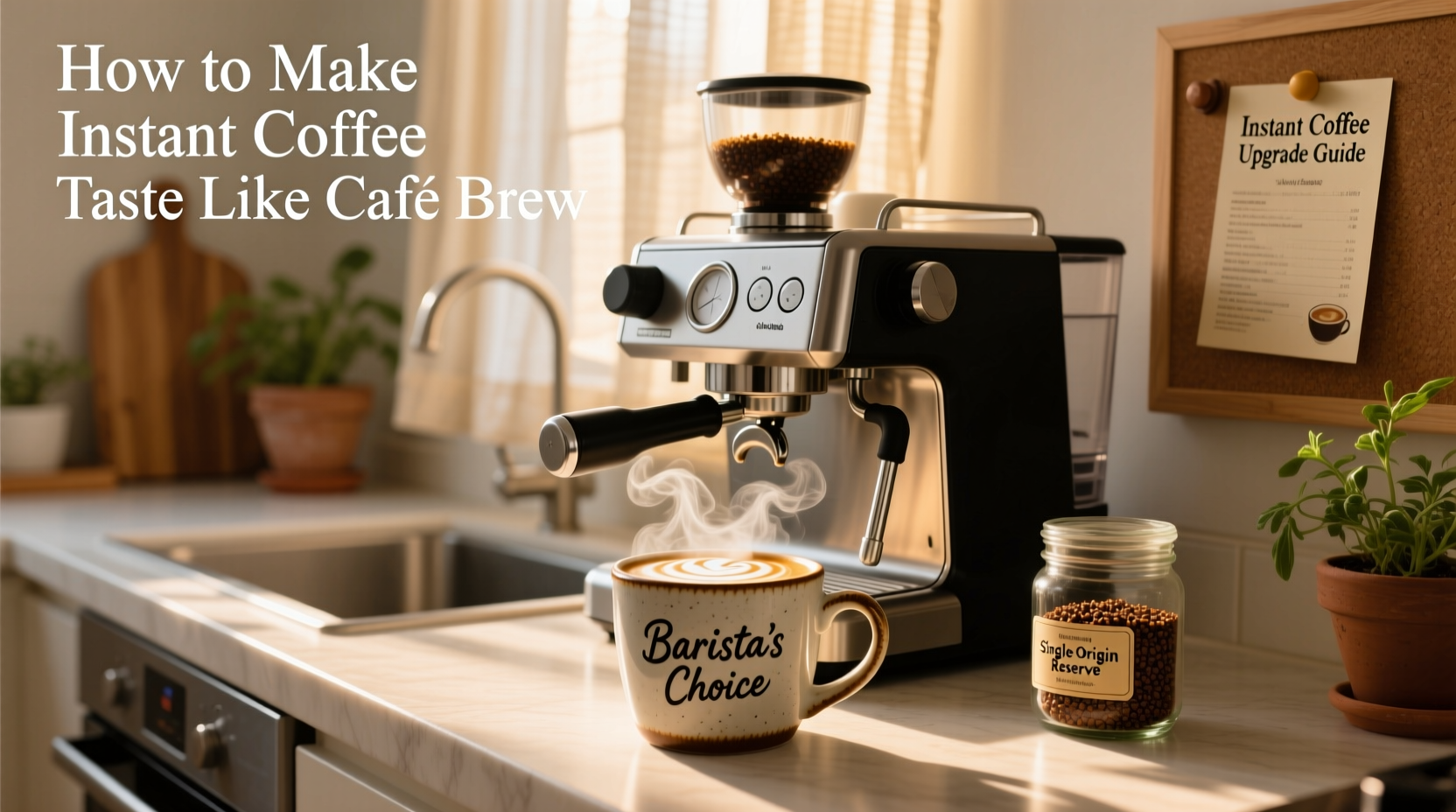
Not all instant coffees are created equal. The foundation of a great-tasting cup starts with selecting a higher-quality product. Most supermarket brands use robusta beans, which are cheaper and more bitter, often resulting in a flat or harsh flavor profile. In contrast, premium instant coffees made from 100% arabica beans, freeze-dried (not spray-dried), preserve more of the original bean’s complexity and aromatic compounds.
Look for labels that specify “freeze-dried” and “single-origin” or “specialty-grade.” Brands like Vittoria, Swift, or Mount Hagen offer noticeably smoother results. Some newer entrants, such as Voilà and Sudden Coffee, are crafted specifically to mimic café-style extraction and are worth trying despite a slightly higher price point.
Optimize Your Water Quality and Temperature
Water makes up over 98% of your coffee, so its quality directly affects taste. Tap water with high chlorine, mineral content, or off-flavors will ruin even the best instant coffee. For optimal results, use filtered or bottled spring water. Avoid distilled water—it lacks essential minerals that help extract flavor compounds.
Temperature matters too. Pouring boiling water (212°F / 100°C) directly onto instant coffee can scald the delicate compounds, creating a burnt or bitter taste. Instead, let freshly boiled water rest for 30 seconds to cool to around 195–205°F (90–96°C). This range extracts the coffee evenly without overcooking it.
“Water is not just a carrier—it’s an active participant in flavor extraction. Great coffee starts with great water.” — James Hoffmann, World Barista Champion and coffee educator
Step-by-Step Guide: Perfect Water Prep
- Boil fresh, cold water using a kettle or microwave-safe cup.
- Let it sit uncovered for 30 seconds to drop below boiling point.
- If using tap water, filter it through a Brita or similar system beforehand.
- Pour slowly over the dissolved coffee mix to maintain heat consistency.
Enhance Flavor with Simple Additions
The difference between a thin, one-dimensional instant coffee and a rich, layered café-style drink often comes down to subtle enhancements. These don’t mask the coffee—they elevate it.
- A pinch of salt: Neutralizes bitterness without adding sweetness. Just a tiny sprinkle goes a long way.
- Vanilla extract: Adds warmth and depth. Use pure extract, not imitation, and start with 1/8 tsp per cup.
- Cinnamon or nutmeg: A light dusting enhances sweetness perception and adds aromatic complexity.
- Butter or MCT oil (for bulletproof-style): Blending in a teaspoon creates a creamy mouthfeel and sustained energy release.
For those who enjoy milk-based drinks, steaming or frothing your milk—even without a machine—can dramatically improve texture. Warm milk in a jar, seal it, and shake vigorously for 30 seconds to create microfoam, then pour it over your coffee like a mini latte.
Tips Box: Flavor Boosters at a Glance
- Add salt before stirring to reduce perceived bitterness.
- Use real vanilla bean paste instead of extract for richer flavor.
- Try oat milk for natural sweetness and creaminess.
- Infuse hot water with orange peel or cardamom pods before brewing.
Brew Technique Matters—Yes, Even for Instant
Most people dump instant coffee into a mug and pour boiling water over it. That works, but it doesn’t maximize flavor. A better approach mimics slow-brew methods by controlling contact time and agitation.
Stirring vs. Whisking: The Texture Difference
Using a small whisk instead of a spoon fully dissolves the granules and incorporates air, giving the coffee a lighter, more vibrant texture. This small action can make the drink feel less flat and more alive on the palate.
The Reverse Bloom Method
In specialty coffee, blooming refers to releasing CO₂ from freshly ground beans. While instant coffee is already dehydrated, you can simulate this step:
- Place instant coffee in your cup.
- Add just enough hot water (about 1 oz / 30 ml) to wet the powder completely.
- Stir gently and wait 30 seconds—this allows full rehydration and degassing.
- Add the remaining water slowly while stirring.
This technique reduces sourness and improves balance, especially with darker roast instant varieties.
Comparison Table: Brewing Methods Side-by-Side
| Method | Flavor Result | Mouthfeel | Time Required |
|---|---|---|---|
| Direct Pour (boiling water) | Bitter, flat | Thin | 1 minute |
| Reverse Bloom + Controlled Temp | Balanced, nuanced | Smoother | 2 minutes |
| Whisked + Frothed Milk | Rounded, creamy | Rich | 3 minutes |
| French Press Simulation* | Full-bodied, layered | Heavy, velvety | 4 minutes |
*Simulate by mixing instant with hot water in a French press, steeping 4 minutes, then plunging slowly.
Real Example: From Office Drab to Café-Quality
Sarah, a project manager working remotely from her home office, used to rely on free instant coffee packets provided by her company. She drank it black out of habit, enduring the sharp aftertaste because she didn’t have time or space for a proper setup. After reading about instant coffee upgrades, she decided to experiment.
She switched to a freeze-dried Colombian arabica brand, started heating filtered water to just off-boil, and began using the reverse bloom method. She added a pinch of sea salt and swapped her regular spoon for a small milk frother to blend in oat milk. The result? A creamy, aromatic cup with notes of chocolate and stone fruit—so good her partner asked if she’d bought a new machine.
“I was shocked,” Sarah said. “It takes two minutes longer, but it feels like a ritual now. I actually look forward to my morning coffee instead of just gulping it down.”
Storage and Freshness: Keep It Vibrant
Even the best instant coffee loses flavor when exposed to air, moisture, heat, or light. Once opened, transfer the contents to an airtight container and store it in a cool, dark cupboard. Avoid keeping it near the stove or dishwasher, where humidity and temperature fluctuate.
Re-sealable foil pouches with zip locks are better than open jars. If you buy in bulk, divide the supply into smaller portions and store the majority in the freezer—yes, the freezer. When sealed properly, frozen instant coffee retains freshness for up to two years. Just let the portion come to room temperature before opening to prevent condensation.
“Oxygen is the enemy of flavor. Protect your coffee like you would a fine spice.” — Rachel Smith, Food Scientist and Beverage Formulation Expert
Checklist: How to Upgrade Your Instant Coffee Routine
- ☑ Switch to a freeze-dried, 100% arabica instant coffee
- ☑ Use filtered water heated to 195–205°F (90–96°C)
- ☑ Try the reverse bloom method: pre-wet, wait 30 sec, then add rest of water
- ☑ Whisk or stir thoroughly to aerate and dissolve completely
- ☑ Add a pinch of salt to neutralize bitterness
- ☑ Experiment with spices (cinnamon, nutmeg) or vanilla
- ☑ Froth your milk for a café-style texture
- ☑ Store coffee in an airtight container away from heat and light
Frequently Asked Questions
Can instant coffee ever really taste like espresso?
While it won’t replicate the pressure-extracted intensity and crema of true espresso, high-quality freeze-dried instant coffee made from dark-roasted beans can come surprisingly close in flavor. Adding a small amount of cocoa powder or using a frothed milk topping helps mimic the richness of a café latte. For a stronger kick, increase the dose from 1 tsp to 1.5–2 tsp per cup.
Why does my instant coffee taste sour sometimes?
Sourness usually indicates under-extraction or water that’s too cool. Make sure your water is hot enough (at least 195°F) and that you’re allowing full dissolution. The reverse bloom method helps here. Also, check expiration dates—old instant coffee can degrade and develop off-acid notes.
Is there a vegan way to make instant coffee creamy?
Absolutely. Oat milk is naturally sweet and blends smoothly. Coconut milk adds tropical richness, while soy provides protein-based creaminess. For a dairy-free “bulletproof” version, blend in a teaspoon of coconut oil or MCT oil. A handheld milk frother ensures everything emulsifies well.
Final Thoughts: Elevate the Everyday
Great coffee shouldn’t be reserved for weekends or special occasions. With a few intentional choices, you can turn a mundane instant coffee routine into a daily pleasure. It’s not about perfection—it’s about presence. Taking an extra minute to measure, stir, and savor transforms a functional habit into a moment of clarity and comfort.
You don’t need a $500 machine or barista certification. You just need attention to detail, a willingness to experiment, and the belief that convenience and quality aren’t mutually exclusive.




 浙公网安备
33010002000092号
浙公网安备
33010002000092号 浙B2-20120091-4
Comments
No comments yet. Why don't you start the discussion?