
There are few dishes as universally beloved as a bowl of perfectly made mashed potatoes. A staple on holiday tables and weeknight dinners alike, this humble side dish has the power to elevate any meal when executed correctly. Yet achieving that ideal balance—creamy without being gluey, rich without being greasy, light without falling apart—can elude even experienced home cooks. The secret lies not in complexity, but in precision: selecting the right potato, controlling moisture and temperature, and using proper technique. This guide delivers a definitive, step-by-step method for making flawless mashed potatoes every time, grounded in culinary science and professional kitchen practice.
Definition & Overview
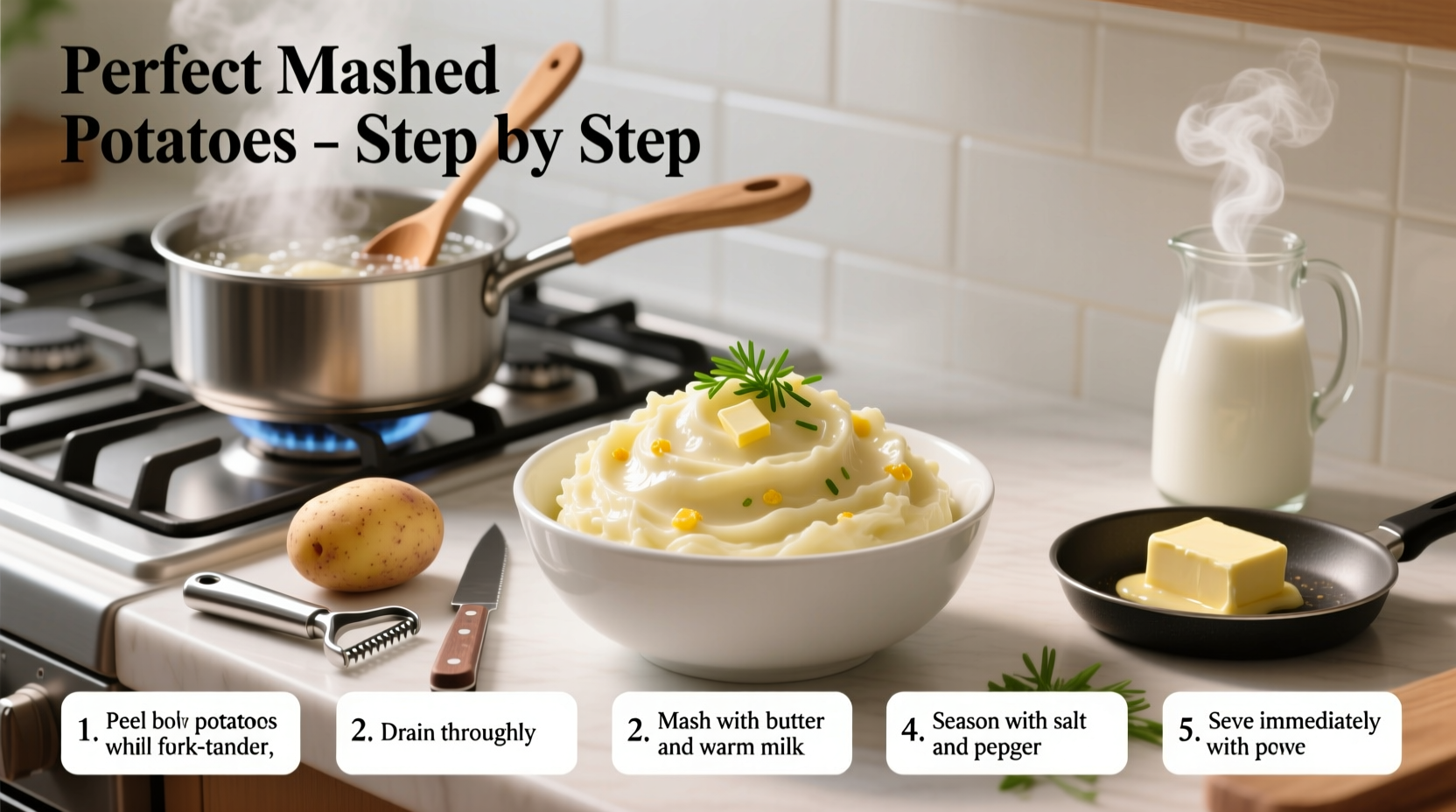
Mashed potatoes are a cooked and puréed preparation of potatoes combined with dairy, fat, and seasonings to create a smooth, creamy side dish. Originating in Europe—most likely Ireland or France—the dish evolved as a way to stretch simple ingredients into something comforting and nourishing. Today, it is a cornerstone of American comfort food, commonly served alongside roasted meats, gravies, and seasonal vegetables.
At its core, mashed potatoes transform starchy tubers into a velvety texture through boiling, draining, mashing, and enriching. While seemingly straightforward, subtle variations in ingredient selection, cooking methods, and mixing technique dramatically affect the final outcome. The best versions are airy and tender, with distinct potato flavor enhanced—not masked—by butter, cream, and salt.
Key Characteristics of Ideal Mashed Potatoes
- Texture: Smooth and creamy, yet still light and fluffy; never gummy or watery.
- Flavor: Clean, earthy potato taste balanced with richness from dairy and a pronounced salinity.
- Aroma: Buttery and warm, with a faint sweetness from slow-cooked starch.
- Color: Pale ivory to soft yellow, depending on added fats and potato variety.
- Temperature: Best served hot (160–180°F) to maintain fluidity and mouthfeel.
- Culinary Function: Acts as a complementary base for sauces, meats, and braises; adds comfort and satiety.
- Shelf Life: Optimal within 2 hours of preparation; refrigerated leftovers last up to 3 days but may lose texture.
Pro Tip: Overmixing is the most common cause of dense, gluey mashed potatoes. Use gentle tools and minimal motion to preserve structure.
The Science Behind Great Mashed Potatoes
Potato cells contain two types of starch granules: amylose and amylopectin. When boiled, these granules absorb water and swell. If ruptured—through excessive mashing or blending—they release excess starch, creating a viscous, sticky consistency akin to paste.
The goal is to rupture the cell walls just enough to separate the granules while minimizing free starch dispersion. That’s why tools matter: a ricer or food mill creates fine flakes without shearing cells, whereas blenders or food processors almost always overwork the mixture.
Dairy temperature also plays a critical role. Cold milk or cream cools the potatoes prematurely, causing them to seize and resist absorption. Warm or heated dairy integrates smoothly, preserving workability and thermal stability.
Step-by-Step Guide to Perfect Mashed Potatoes
- Select the Right Potato Variety
Choose high-starch potatoes such as Russets or Yukon Golds. Russets yield fluffier results ideal for classic American-style mash; Yukon Golds offer natural butteriness and a slightly waxier texture suited for silkier preparations. - Peel and Cut Evenly
Peel the potatoes (optional for rustic styles), then cut into uniform 1.5-inch chunks. Uniform size ensures even cooking—larger pieces undercook, smaller ones disintegrate. - Cook in Salted Cold Water
Place cut potatoes in a large pot and cover with cold water by at least 1 inch. Add 1 tablespoon kosher salt per quart of water. Starting in cold water promotes even heat penetration, preventing outer mushiness and inner firmness. - Boil Until Fully Tender
Bring to a gentle boil over medium-high heat, then reduce to a simmer. Cook 15–20 minutes, or until a knife slips easily into the center of the largest piece with no resistance. Avoid vigorous boiling, which can cause fragmentation. - Drain Thoroughly and Dry
Drain completely in a colander. Return potatoes to the empty pot and place over low heat for 1–2 minutes, stirring gently to evaporate residual moisture. Excess water dilutes flavor and weakens texture. - Warm the Dairy and Fat
Heat ½ cup whole milk or heavy cream with 4–6 tablespoons unsalted butter in a small saucepan until steaming (about 160°F). Do not boil. Warming prevents cooling the potatoes and improves emulsification. - Rice or Mash Gently
Pass potatoes through a ricer or food mill directly into a mixing bowl. Alternatively, use a hand masher for a more textured result. Never use a blender or food processor. - Incorporate Warm Dairy Gradually
Pour warm dairy mixture into the potatoes in two additions, folding gently with a rubber spatula or wooden spoon after each. Stop once desired consistency is reached—over-saturation leads to soupy mash. - Season Thoughtfully
Taste and adjust seasoning with additional salt if needed. For brightness, add a splash of acid like warmed crème fraîche or a few drops of lemon juice. Freshly ground white pepper preserves color better than black. - Serve Immediately or Hold Properly
Transfer to a warmed serving bowl. To hold for up to 30 minutes, cover with buttered parchment paper and foil, then place in a 170°F oven. Stir gently before serving.
Variants & Types of Mashed Potatoes
Different culinary traditions and preferences have given rise to several regional and stylistic variations. Each serves a specific purpose based on accompanying dishes and desired textures.
| Variant | Key Ingredients | Texture | Best Used For |
|---|---|---|---|
| Classic Creamy | Russet potatoes, butter, warm milk/cream | Smooth, fluffy | Holiday roasts, turkey, gravy |
| Yukon Gold Silky | Yukon Golds, butter, minimal liquid | Dense, velvety | Fine dining, seafood pairings |
| Garlic-Herb Infused | Potatoes, roasted garlic, thyme, chives | Creamy with aromatic notes | Pasta nights, grilled meats |
| Sour Cream & Chive | Any variety, sour cream, green onions | Tangy, cool finish | Casual meals, baked potato bars |
| Loaded Mashed Potatoes | Cheddar, bacon, scallions, butter | Rich, chunky | Game day snacks, brunch |
| Dairy-Free/Vegan | Olive oil, plant-based milk, nutritional yeast | Light, savory | Allergen-conscious diets |
Comparison with Similar Dishes
Mashed potatoes are often confused with other potato preparations. Understanding the distinctions helps ensure accurate execution and pairing.
| Dish | Preparation Method | Texture | Key Difference |
|---|---|---|---|
| Mashed Potatoes | Boiled, drained, mashed with dairy | Creamy, aerated | Emphasis on smoothness and richness |
| Smashed Potatoes | Boiled, flattened, roasted | Crispy outside, fluffy inside | Baked or pan-fried; textural contrast |
| Scalloped Potatoes | Sliced raw, baked in cream sauce | Layered, custardy | Requires baking; more structured |
| Gratin Dauphinois | Thinly sliced, slow-baked in milk/cream | Rich, caramelized top layer | Oven-intensive; forms crust |
| Potato Puree (Haute Cuisine) | Double-boiled, forced through tamis | Ultra-smooth, satin finish | More refined; often includes gelatin |
Practical Usage & Pairing Suggestions
Mashed potatoes serve both functional and sensory roles in meal composition. Their mild flavor and soft texture make them an excellent canvas for bolder elements.
- With Roasted Meats: Beef brisket, roast chicken, pork loin—mashed potatoes absorb juices and complement savory crusts.
- Under Gravies and Sauces: Their porous structure holds brown butter, mushroom, or onion gravy exceptionally well.
- In Casseroles: Use as a topping for shepherd’s pie or layered with vegetables and protein.
- As a Base for Eggs: Top with poached eggs and hollandaise for a luxurious brunch dish.
- For Freezing: Portion cooled mash into airtight containers; reheat with added cream to restore texture.
Restaurant Technique: Many chefs infuse the cooking water with aromatics—bay leaf, garlic, peppercorns—to build flavor from within. Try adding one smashed clove of garlic and a sprig of rosemary to the pot while boiling.
Common Mistakes and How to Avoid Them
Using the Wrong Potato
Waxy varieties like red bliss or fingerlings contain less starch and more moisture, leading to a gummy, compact texture when mashed. Stick to Russets or Yukon Golds for reliable results.
Adding Cold Dairy
Cold butter or milk causes the starch to set too quickly, resulting in lumps and poor integration. Always warm dairy and fat before incorporating.
Overmixing
Excessive stirring releases too much amylose, turning the mash into glue. Fold gently and stop once uniform.
Not Draining Well Enough
Waterlogged potatoes cannot absorb butter or cream effectively. Let them steam dry in the warm pot for 1–2 minutes post-drainage.
Skipping Seasoning Layers
Season at multiple stages: salt the water, taste after mashing, adjust before serving. Relying solely on final seasoning leaves flat flavor.
Storage, Reheating, and Make-Ahead Tips
Mashed potatoes can be prepared ahead of time with minor adjustments to preserve quality.
- Refrigeration: Cool quickly, cover tightly, and store within two hours. Lasts 3–4 days.
- Reheating: Warm in a saucepan over low heat with a splash of milk or broth, stirring frequently. Microwave in 30-second bursts, covered, with damp paper towel.
- Make-Ahead (Up to 2 Days): Prepare fully, transfer to buttered baking dish, smooth top, and press plastic wrap directly onto surface. Refrigerate. Reheat at 350°F for 25–30 minutes, then finish with fresh butter.
- Freezing: Possible for up to 3 months, though texture degrades slightly. Thaw overnight in fridge before reheating with extra dairy.
\"The difference between good mashed potatoes and great ones isn't the recipe—it's the rhythm. You don’t beat them; you coax them.\" — Chef Thomas Keller, The French Laundry Cookbook
Frequently Asked Questions
Can I make mashed potatoes without dairy?
Yes. Substitute warm olive oil or avocado oil for butter, and use unsweetened oat or soy milk fortified with fat. Add roasted cauliflower or white beans for creaminess without dairy.
Why did my mashed potatoes turn out gluey?
This typically occurs from overmixing or using a high-speed mixer. The mechanical action breaks down cell walls excessively, releasing starch. Use a ricer and fold by hand to prevent this.
Can I use a hand mixer?
Use caution. A hand mixer can work in short pulses, but it introduces more air and shear force than a spatula. Only use on lowest setting and stop as soon as combined.
How do I fix runny mashed potatoes?
Gently cook over low heat in a saucepan, stirring constantly to evaporate moisture. Alternatively, mix in instant potato flakes or a cornstarch slurry (1 tsp mixed with 1 tbsp cold water), but sparingly.
Are Yukon Golds better than Russets?
It depends on preference. Yukon Golds are naturally buttery and hold shape well; Russets are drier and fluffier when mashed. For ultra-creamy results, blend both: 50% Russet, 50% Yukon Gold.
Can I make them vegan?
Absolutely. Use plant-based butter, warmed almond or cashew milk, and a touch of miso or nutritional yeast for umami depth. Roast garlic enhances richness without animal products.
Summary & Key Takeaways
Perfect mashed potatoes are achievable through attention to detail, not advanced skills. Start with high-starch potatoes like Russets or Yukon Golds, cut uniformly, and boil in salted cold water. Drain thoroughly and dry briefly over low heat. Warm your dairy and fat before combining. Use a ricer or food mill for optimal texture, and fold gently to avoid overworking the starch.
Season thoughtfully at multiple stages, and serve immediately for best results. Variations—from garlic-infused to vegan—allow customization without sacrificing integrity. Avoid common pitfalls like cold ingredients, overmixing, and improper storage.
When done right, mashed potatoes are more than a side dish—they become a centerpiece of comfort, texture, and flavor harmony. Master this technique, and you’ll have a timeless skill that impresses guests and satisfies family meals alike.
Final Tip: For next-level luxury, stir in a small amount of mascarpone or crème fraîche at the end. It adds silkiness without heaviness and rounds out the flavor profile beautifully.




 浙公网安备
33010002000092号
浙公网安备
33010002000092号 浙B2-20120091-4
Comments
No comments yet. Why don't you start the discussion?