
Caramelized onions are a cornerstone of refined home cooking and professional cuisine alike. Their deep golden-brown hue, silky texture, and complex balance of sweetness and umami elevate everything from sandwiches and soups to steaks and casseroles. Yet for many cooks, achieving truly perfect caramelization remains elusive—either the onions burn, dry out, or never develop that rich depth of flavor. The truth is, mastering caramelized onions isn't about advanced technique; it's about understanding heat, timing, and patience. This guide reveals the science-backed methods, practical tips, and common pitfalls so you can produce consistently flawless caramelized onions—every time.
Definition & Overview
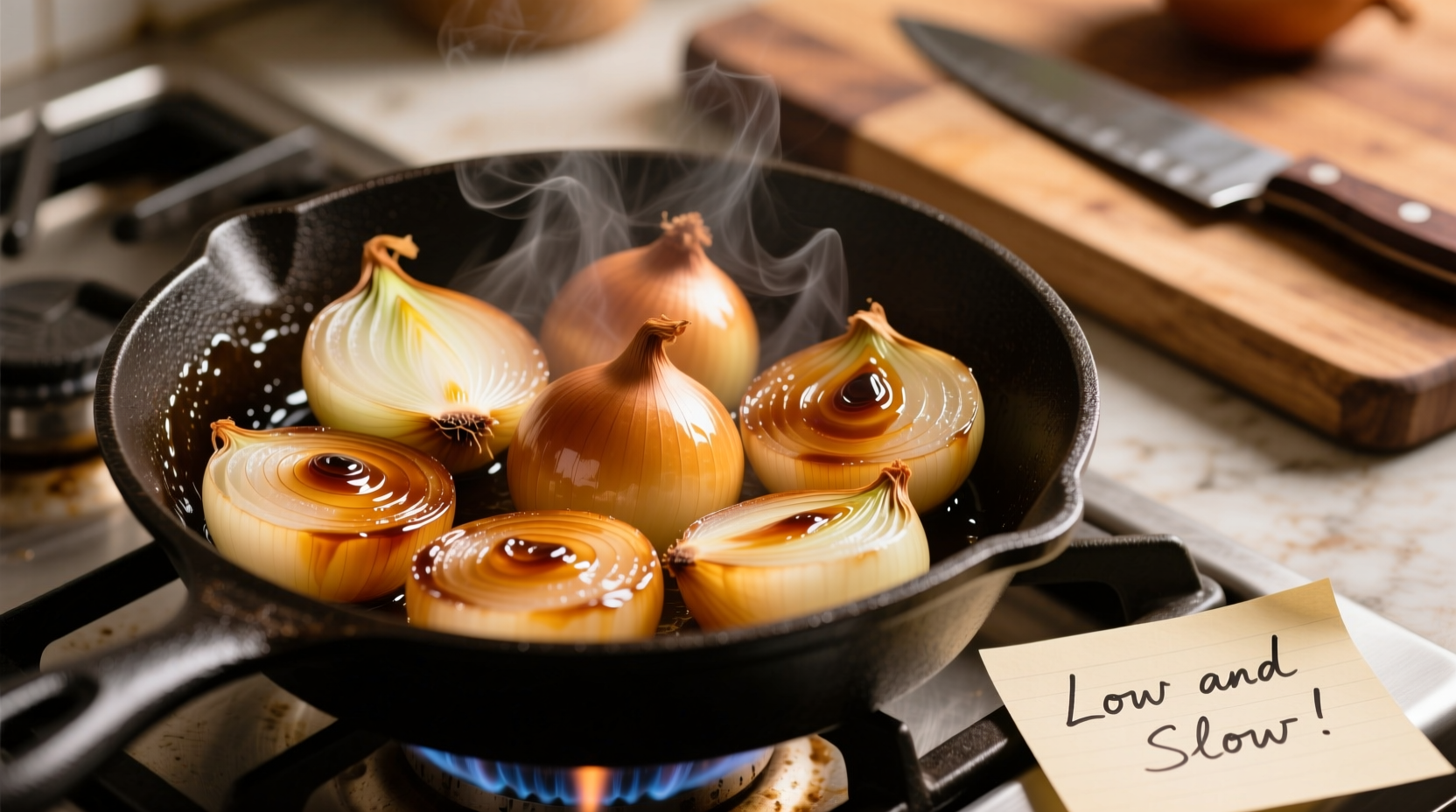
Caramelized onions are onions slowly cooked over low to medium heat until their natural sugars break down and undergo the Maillard reaction and caramelization, resulting in a soft, jam-like consistency and deep, savory-sweet flavor. Unlike sautéed onions, which retain some crispness and color, caramelized onions are transformed through prolonged cooking—typically 30 to 60 minutes—into a concentrated essence of onion flavor.
The process originated in French cuisine, where it forms the base of dishes like French onion soup and tarte à l’oignon. However, variations appear globally: Italian agrodolce preparations, Middle Eastern confit-style onions, and Indian birista (deep-fried caramelized onions) all demonstrate regional interpretations of slow-cooked alliums. While methods vary, the core principle remains: controlled heat applied over time unlocks the onion’s hidden sweetness and complexity.
Key Characteristics
Perfectly caramelized onions exhibit distinct sensory and physical traits that differentiate them from other preparations:
| Characteristic | Description |
|---|---|
| Flavor | Balanced sweet and savory with notes of toffee, nuttiness, and umami; no raw sharpness or bitterness. |
| Aroma | Rich, warm, and deeply aromatic—reminiscent of roasted garlic, brown butter, or toasted bread. |
| Color | Deep amber to mahogany brown; uniform across all pieces without blackened spots. |
| Texture | Soft, tender, and cohesive—individual layers melt together into a spreadable consistency. |
| Moisture Level | Minimal liquid; glossy but not watery or oily. |
| Culinary Function | Flavor enhancer, sauce base, topping, or standalone component in composed dishes. |
| Shelf Life | 5–7 days refrigerated; up to 3 months frozen in airtight containers. |
Practical Usage: How to Use Caramelized Onions
Caramelized onions are one of the most versatile ingredients in a cook’s arsenal. Their ability to deepen flavor profiles makes them ideal for both subtle integration and bold presentation.
Home Cooking Applications
- Sandwiches & Burgers: Add warmth and richness to grilled cheese, Reubens, or beef burgers.
- Pizza & Flatbreads: Pair with goat cheese, arugula, and balsamic glaze for gourmet appeal.
- Omelets & Frittatas: Fold into eggs for weekend brunches with enhanced savoriness.
- Grain Bowls & Risottos: Stir into farro, quinoa, or mushroom risotto for depth.
- Dips & Spreads: Blend with sour cream or cream cheese for an elegant appetizer.
Professional Culinary Uses
In restaurant kitchens, caramelized onions often serve as a foundational element. Chefs use them to build layered sauces, enrich braises, or provide textural contrast in plated dishes. For example, a demi-glace might be finished with a spoonful of caramelized onions to round its acidity, or a duck confit plate may feature them as a sweet counterpoint to gamey meat.
Pairing Suggestions
Caramelized onions pair exceptionally well with ingredients that either contrast or complement their sweetness:
- Cheeses: Blue cheese, aged cheddar, Gruyère, feta, and mascarpone.
- Proteins: Beef (especially ribeye), pork shoulder, duck, lamb, and sausage.
- Acids: Balsamic vinegar, sherry vinegar, lemon juice—used sparingly to brighten heaviness.
- Herbs & Spices: Thyme, rosemary, bay leaf, black pepper, and star anise (in small amounts).
Step-by-Step Guide to Perfect Caramelization
- Select onions: Use yellow or sweet onions (Vidalia, Walla Walla) for optimal sugar content.
- Prep uniformly: Slice into ¼-inch thick rounds or half-moons for even cooking.
- Choose fat wisely: Use unsalted butter, olive oil, or a blend (butter adds flavor, oil raises smoke point).
- Start with medium heat: Melt fat in a heavy skillet (stainless steel or cast iron), then add onions and stir to coat.
- Cook down moisture: Sauté for 10–15 minutes until onions soften and release liquid.
- Reduce heat to low: Drop temperature to maintain gentle sizzle—no splattering or browning yet.
- Stir occasionally: Every 5–10 minutes, scraping the bottom to prevent sticking.
- Add deglazing liquid (optional): After 20 minutes, splash in 1–2 tablespoons of water, broth, or wine to loosen fond and extend cooking time.
- Continue slowly: Cook 30–45 more minutes, allowing color to deepen gradually.
- Finish and season: Once golden-brown, taste and season with salt, optional pinch of sugar, or dash of vinegar.
Pro Tip: For deeper flavor, add a crushed bay leaf or sprig of thyme during cooking. Remove before storing. A tiny pinch of baking soda (⅛ tsp per pound of onions) can accelerate breakdown by raising pH—but use sparingly to avoid mushiness or off-flavors.
Variants & Types of Caramelized Onions
While the basic method remains consistent, several variations exist based on technique, equipment, and cultural approach:
Classic Stovetop Caramelization
The standard method using a skillet or sauté pan. Offers maximum control over browning and stirring frequency. Best for small to medium batches (1–4 onions).
Oven-Caramelized Onions
Onions are tossed with oil and roasted at 300–350°F (150–175°C) in a covered dish for 1–2 hours. Less hands-on, ideal for large quantities. Produces slightly drier results unless liquid is added.
Slow Cooker Method
Convenient for batch prep. Combine onions, fat, and a splash of liquid; cook on low for 8–10 hours. Minimal monitoring required, though final reduction may need stovetop finishing.
Pressure Cooker / Instant Pot
Speeds up initial softening: cook on high pressure for 10–15 minutes, then finish on sauté mode to caramelize. Faster than traditional methods but risks uneven browning if not monitored.
Deep-Fried Caramelized Onions (Birista)
Popular in South Asian cuisine, especially Bengali and Mughlai cooking. Thinly sliced onions are fried slowly in oil until golden and crisp, then drained. Used as garnish for biryanis, kormas, and lentil dishes. Sweeter and crunchier than slow-cooked versions.
| Method | Time Required | Best For | Texture Outcome |
|---|---|---|---|
| Stovetop | 45–60 min | Controlled browning, small batches | Soft, jammy, glossy |
| Oven | 1–2 hours | Large batches, hands-off cooking | Denser, slightly drier |
| Slow Cooker | 8–10 hours | Meal prep, unattended cooking | Mushy unless reduced post-cook |
| Pressure Cooker | 25–35 min | Time-constrained cooks | Partially caramelized, needs finishing |
| Deep-Fried (Birista) | 20–30 min | Garnishes, crispy toppings | Crisp exterior, sweet bite |
Comparison with Similar Ingredients
Caramelized onions are often confused with other onion preparations. Understanding the differences ensures proper usage in recipes.
| Preparation | Cooking Time | Flavor Profile | Texture | Primary Use |
|---|---|---|---|---|
| Caramelized Onions | 45–60+ min | Sweet, savory, complex umami | Soft, jam-like | Base, topping, flavor booster |
| Sautéed Onions | 8–12 min | Mildly sweet, retains some bite | Firm-tender, slightly crisp | Quick dishes, stir-fries, omelets |
| Roasted Onions | 30–45 min | Earthy, mildly sweet, charred edges | Whole or halved, tender inside | Side dish, roast accompaniment |
| French Fried Onions | 5–10 min | Salty, crunchy, shallow sweetness | Crispy, golden strands | Garnish (e.g., green bean casserole) |
| Birista (Fried Caramelized) | 20–30 min | Intensely sweet, nutty | Crisp, brittle | Garnish, spice tempering |
“Caramelized onions aren’t just cooked—they’re transformed. It’s one of the few techniques where time is the primary ingredient.” — Chef Daniel Boulud
Practical Tips & FAQs
What type of onion should I use?
Yellow onions are ideal due to their balanced sugar and sulfur content. Sweet onions like Vidalia or Maui work well but may require closer monitoring as they contain more water and can scorch easily. Avoid red onions for classic applications; their color bleeds and flavor turns metallic when cooked long.
Can I speed up the process?
You can reduce total time slightly with a pressure cooker pre-softening step, but true caramelization cannot be rushed. High heat leads to burning rather than browning. Patience yields superior flavor.
Why do my onions keep burning?
Burning usually results from excessive heat or inadequate stirring. Always cook on low after the initial sauté phase. If the pan becomes too dry, deglaze with a tablespoon of water or broth to lift fond and cool the surface.
Should I add sugar?
No. Onions contain enough natural fructose and sucrose to caramelize on their own. Adding sugar increases risk of burning and creates an artificial sweetness. Salt enhances flavor development but should be added toward the end to avoid drawing out too much moisture early.
How much do onions reduce?
Four large onions (about 2 pounds) yield roughly ¾ to 1 cup of caramelized product. Plan accordingly when scaling recipes.
Can I freeze caramelized onions?
Yes. Cool completely, portion into ice cube trays or small containers, and freeze for up to 3 months. Thaw overnight in the fridge or reheat gently in a pan. Ideal for adding to soups, stews, and sauces.
Do I need to stir constantly?
No. Stirring every 5–10 minutes is sufficient. Constant stirring slows evaporation and delays browning. Occasional scraping prevents sticking while allowing fond to develop.
What pan should I use?
A heavy-bottomed stainless steel or cast iron skillet provides even heat distribution. Nonstick pans are acceptable but less effective at building fond, which contributes to flavor. Avoid thin pans that create hot spots.
Can I make them ahead?
Absolutely. Caramelized onions improve in flavor after resting for 24 hours. Refrigerate in a sealed container and reheat gently with a splash of water or broth to restore moisture.
Storage Tip: Store caramelized onions in glass jars with tight lids. Press a piece of parchment paper directly onto the surface to minimize oxidation. Keeps for 5–7 days in the refrigerator.
Summary & Key Takeaways
Caramelized onions are not merely cooked—they are alchemically transformed through time, heat, and attention. When done correctly, they deliver a luxurious depth of flavor that elevates any dish they touch. The key lies not in complexity, but in discipline: slice evenly, start with moderate heat, then lower it and wait. Resist the urge to rush.
Use yellow or sweet onions, a combination of butter and oil, and a heavy skillet. Allow 45 to 60 minutes for full transformation, deglazing occasionally to preserve fond. Season at the end, store properly, and leverage them across meals—from weekday pizzas to weekend roasts.
Mastering caramelized onions is a rite of passage for serious home cooks. Once learned, it becomes a repeatable skill that quietly distinguishes your cooking. Whether used as a background note or the star of the plate, their presence signals care, craftsmanship, and culinary intelligence.




 浙公网安备
33010002000092号
浙公网安备
33010002000092号 浙B2-20120091-4
Comments
No comments yet. Why don't you start the discussion?