
Baking big, bakery-style cookies with a soft, pillowy center and slightly crisp edges is more than just mixing ingredients—it’s a balance of chemistry, temperature, and timing. Many home bakers struggle with flat, hard, or crumbly results when attempting oversized cookies. The truth is, achieving that ideal soft-and-chewy texture consistently comes down to understanding how ingredients interact and mastering a few key techniques. This guide breaks down the exact methods, ratios, and steps that guarantee thick, gooey, irresistible cookies in every batch.
The Science Behind Soft and Chewy Texture
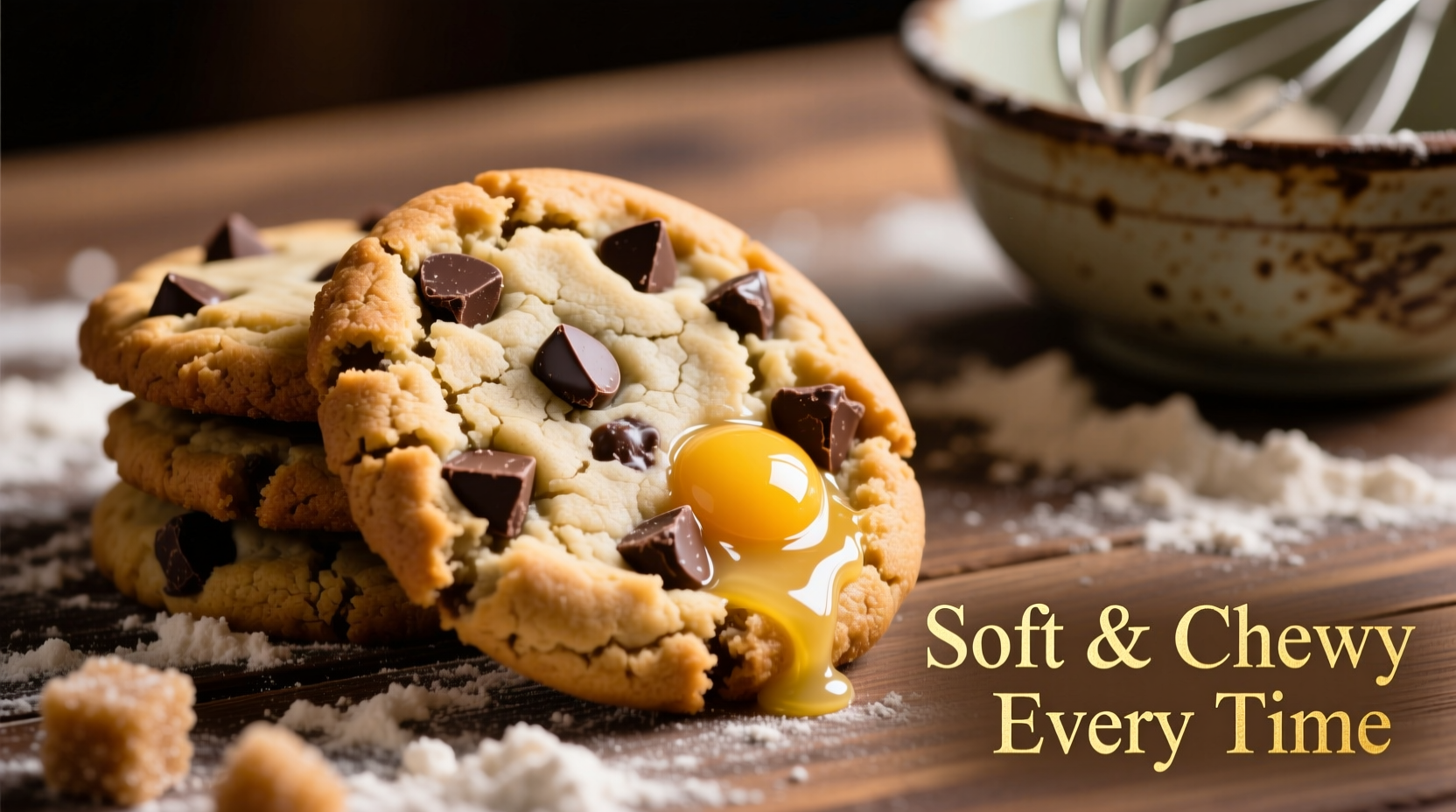
The difference between a cookie that melts in your mouth and one that cracks like a cracker lies in moisture retention and structure. Chewiness is primarily influenced by protein content, sugar type, fat composition, and baking time. To maximize chewiness, you want to encourage gluten development just enough to hold shape without becoming tough, while retaining moisture through hygroscopic (water-attracting) ingredients.
Brown sugar plays a critical role—it contains molasses, which attracts and holds moisture. Using a higher ratio of brown sugar to white sugar (like 3:1 or even all brown) enhances chewiness. Eggs, particularly yolks, add richness and emulsifiers that improve texture. And butter, when used correctly, contributes flavor and flakiness without drying out the dough.
“Moisture control is everything in cookie texture. It’s not just about adding wet ingredients—it’s about how they’re balanced and preserved during baking.” — Dr. Lila Chen, Food Scientist & Baking Consultant
Essential Ingredients and Ratios
For big cookies (think 4–5 inches wide), ingredient proportions matter even more than in standard-sized ones. Larger cookies take longer to bake, so ingredient balance prevents over-drying or under-setting. Below is a proven base formula for soft, chewy giant cookies:
| Ingredient | Function | Recommended Amount (per 12 oz dough ball) |
|---|---|---|
| All-purpose flour | Structure and gluten formation | 1 ¾ cups (220g) |
| Brown sugar (packed) | Moisture retention, chewiness | ¾ cup (150g) |
| White sugar | Slight crispness, spread control | ¼ cup (50g) |
| Unsalted butter (brown + softened) | Flavor, tenderness, browning | ¾ cup (170g) |
| Egg + yolk (room temp) | Binding, richness, moisture | 1 egg + 1 extra yolk |
| Vanilla extract | Flavor enhancement | 2 tsp |
| Baking soda | Leavening for lift | ½ tsp |
| Sea salt | Flavor balance | ¾ tsp |
| Chocolate chunks or chips | Texture contrast, flavor | 2 cups (340g) |
Step-by-Step Guide to Perfect Big Cookies
Follow this detailed process to ensure optimal texture and rise in every oversized cookie:
- Preheat oven to 325°F (163°C). Lower temperature allows slow, even baking without burning edges before centers set.
- Cream butter and sugars for 3–4 minutes. Beat until light and fluffy—this incorporates air for lift and helps dissolve sugar granules for smoother texture.
- Add egg, yolk, and vanilla. Mix just until combined. Overmixing after adding eggs can lead to toughness.
- Mix dry ingredients separately. Whisk flour, baking soda, and salt together to distribute leavening evenly.
- Fold dry into wet gently. Use a spatula to mix until no streaks remain. Avoid overworking the dough.
- Stir in chocolate. Fold in chunks or chips last to prevent breaking them down.
- Chill dough for at least 2 hours (preferably overnight). Cold dough prevents excessive spreading and improves flavor development.
- Portion into large balls (4–5 oz each). Use a cookie scoop or kitchen scale for uniform size.
- Place on parchment-lined baking sheet. Leave at least 4 inches between cookies to allow expansion.
- Bake for 14–17 minutes. Edges should be golden; centers will look slightly underdone but firm up as they cool.
- Cool on pan for 10 minutes. This allows structure to set without collapsing.
- Transfer to wire rack. Finish cooling to maintain chewiness without sogginess.
Common Mistakes and How to Avoid Them
Even experienced bakers fall into traps that ruin texture. Here are frequent errors and their solutions:
- Using melted butter instead of softened. Melted butter increases spread and reduces aeration. For thick cookies, use room-temperature butter unless recipe specifies otherwise.
- Skipping the chill step. Warm dough spreads too fast in the oven. Chilling firms the fat, delaying spread until the flour sets.
- Overbaking. Giant cookies continue cooking on the hot tray. Remove them when centers still appear soft—they’ll finish setting off-heat.
- Incorrect flour measurement. Scooping directly from the bag packs flour down, leading to dry, dense cookies. Spoon and level, or better yet, weigh it.
- Using only white sugar. White sugar promotes crispness. Brown sugar delivers moisture. Adjust the ratio based on desired texture.
Mini Case Study: From Flat to Flawless
Jamie, an avid home baker in Portland, struggled for months with oversized cookies that turned out thin and crispy despite following popular recipes. She used melted butter for convenience, skipped chilling, and baked at 375°F. After switching to softened butter, chilling the dough overnight, and reducing oven temperature to 325°F, her next batch emerged thick, soft-centered, and perfectly chewy. The change wasn’t in the ingredients—it was in the technique. Now, she bakes giant cookies weekly for her café pop-up, receiving consistent praise for their “bakery-quality” texture.
Pro Tips Checklist
Before you start baking, run through this checklist to ensure success:
- ✅ Weigh ingredients for accuracy
- ✅ Use a mix of brown and white sugar (at least 75% brown)
- ✅ Cream butter and sugar thoroughly (3+ minutes)
- ✅ Chill dough for minimum 2 hours—or overnight
- ✅ Portion into 4–5 oz balls for true \"big\" cookies
- ✅ Bake at 325°F for even doneness
- ✅ Remove when centers look underdone (they’ll firm up)
- ✅ Cool on baking sheet for 10 minutes before moving
FAQ
Can I freeze the dough for later baking?
Absolutely. Portion and freeze dough balls on a tray, then transfer to a freezer bag. Bake straight from frozen—add 1–3 minutes to baking time. This method often produces even thicker cookies due to the colder starting temperature.
Why did my big cookies turn out cakey?
Cakey texture usually comes from too much leavening (baking soda/powder), overmixing after adding flour, or using cake flour instead of all-purpose. Stick to the recommended amount of baking soda and mix gently once dry ingredients are added.
Can I make these gluten-free?
Yes, but choose a high-quality 1:1 gluten-free flour blend with xanthan gum included. Some blends absorb more moisture, so you may need to add 1–2 teaspoons of milk or water to maintain softness.
Final Thoughts
Perfectly soft and chewy big cookies aren’t left to chance—they’re the result of precise ingredient selection, proper chilling, and controlled baking. Once you master the balance of moisture, fat, and heat, you’ll never settle for store-bought again. These cookies are ideal for sharing, gifting, or indulging in a warm, melty slice of comfort straight from the oven.




 浙公网安备
33010002000092号
浙公网安备
33010002000092号 浙B2-20120091-4
Comments
No comments yet. Why don't you start the discussion?