
Creating a rich, savory pizza sauce doesn’t require hours of simmering or a pantry full of specialty ingredients. When you know how to work with tomato paste—the concentrated heart of the tomato—you can craft a deeply flavored sauce in under 15 minutes. This method is ideal for home cooks seeking consistency, depth, and control over their pizza toppings. Unlike jarred sauces that often contain added sugars and preservatives, a sauce made from tomato paste allows you to tailor acidity, sweetness, and herbaceous notes to your exact preference. Whether you're preparing Neapolitan-style pies, deep-dish casseroles, or flatbreads for weeknight dinner, mastering this foundational technique elevates your entire pizza-making process.
Definition & Overview
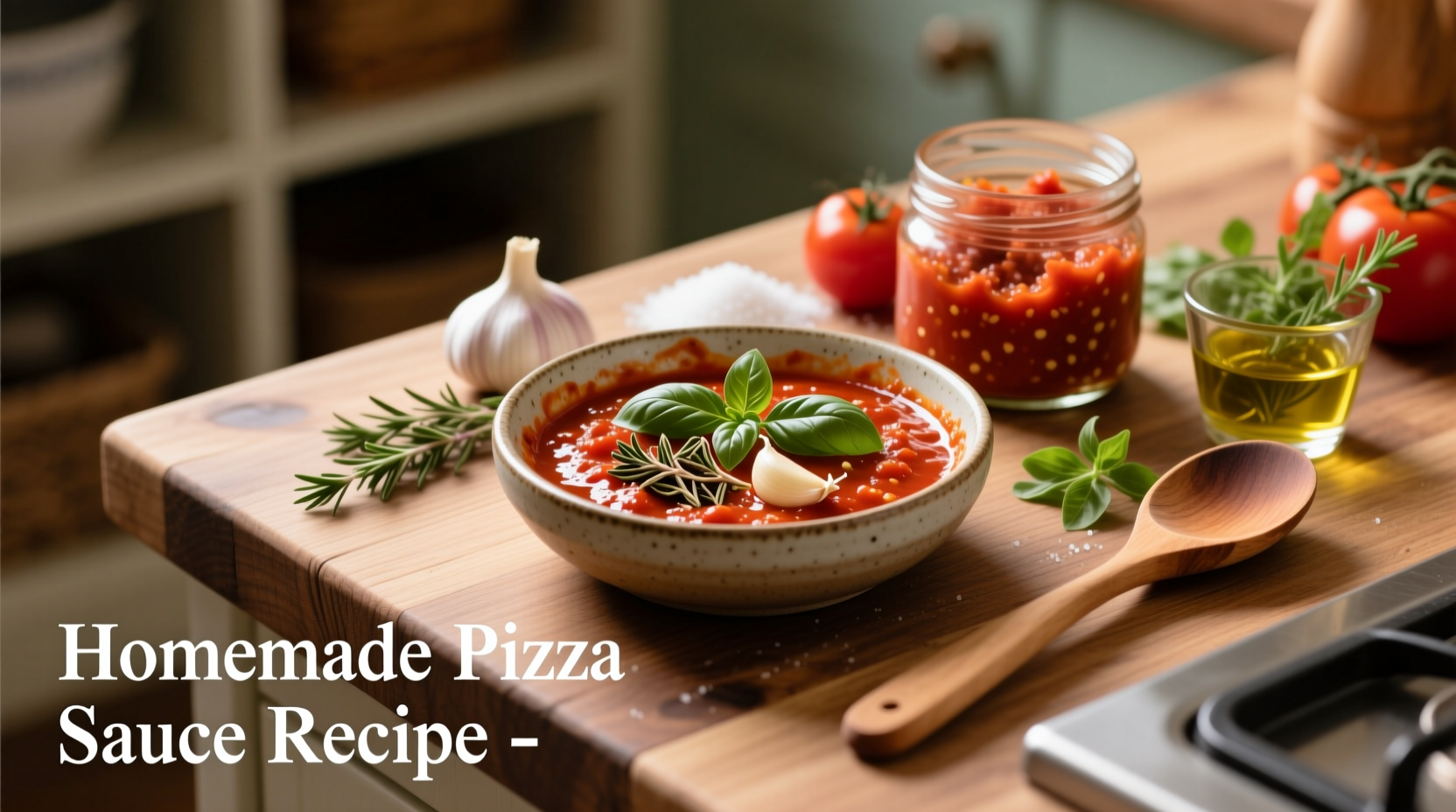
Pizza sauce made with tomato paste is a streamlined, concentrated base crafted by rehydrating and seasoning tomato paste with liquid and aromatics. Unlike traditional pizza sauces that start with crushed or whole peeled tomatoes, this version leverages the intense umami and natural sugars locked within reduced tomato solids. Tomato paste is produced by cooking down ripe tomatoes until nearly all moisture evaporates, leaving behind a thick, brick-red concentrate with a robust, slightly sweet-tart flavor. Because it’s already cooked, using tomato paste as a starting point eliminates the need for long reduction times and ensures a consistent texture free of excess water—critical for preventing soggy crusts.
This approach is especially valuable in both home and professional kitchens where efficiency and flavor intensity matter. In pizzerias across Italy and the United States, many chefs use tomato paste-based sauces not only for speed but also for their ability to caramelize slightly during baking, forming a flavorful crust interface between dough and topping. The resulting sauce adheres well, spreads evenly, and delivers punchy tomato essence without overwhelming other ingredients like fresh mozzarella or basil.
Key Characteristics
- Flavor: Deeply savory (umami), mildly sweet, with balanced acidity
- Aroma: Earthy, sun-ripened tomato with herbal undertones when seasoned
- Color: Rich brick red to deep maroon; darker than fresh tomato sauces
- Texture: Smooth, thick, and spreadable—no seeds or pulp
- Culinary Function: Acts as a flavor foundation, moisture barrier, and browning enhancer
- Shelf Life: Unopened tomato paste lasts 12–18 months; once opened, refrigerate for up to 6 weeks or freeze in portions
- Heat Level: Naturally non-spicy unless red pepper flakes are added
Pro Tip: For best results, choose double-concentrated tomato paste (labeled \"double pass\" or \"concentrato\"). It offers superior depth and color compared to standard varieties.
Practical Usage: How to Make Pizza Sauce with Tomato Paste
The core principle behind making pizza sauce from tomato paste is reconstitution: adding back liquid and seasonings to restore body and complexity while maintaining concentration. Here's a step-by-step guide to crafting a versatile, high-performance sauce suitable for any style of pizza.
- Gather Ingredients:
- ½ cup (120g) tomato paste (preferably double-concentrated)
- ¼ cup (60ml) water or low-sodium vegetable broth
- 1 tbsp extra-virgin olive oil
- 1 tsp dried oregano
- 1 tsp garlic powder (or 1 small clove minced fresh garlic)
- ½ tsp onion powder
- ½ tsp sea salt (adjust to taste)
- ¼ tsp freshly ground black pepper
- ¼ tsp sugar (optional, balances acidity)
- Pinch of red pepper flakes (optional, for heat)
- 1 tsp balsamic vinegar or red wine vinegar (adds brightness)
- Mix Base: In a medium bowl, combine tomato paste and water. Stir vigorously with a fork or whisk until smooth and uniform. The mixture should resemble ketchup in consistency—if too thick, add another tablespoon of water.
- Add Aromatics: Incorporate olive oil, oregano, garlic powder, onion powder, salt, pepper, sugar, and red pepper flakes. Mix thoroughly to distribute spices evenly.
- Brighten Flavor: Stir in vinegar. This step is crucial—it lifts the richness of the paste and mimics the bright top notes found in raw tomato sauces.
- Rest (Optional): Let the sauce sit at room temperature for 10–15 minutes to allow flavors to meld. Unlike cooked sauces, this version does not require heating, though warming gently enhances aroma.
- Adjust & Apply: Taste and adjust seasoning. Spread 3–5 tablespoons (depending on pizza size) evenly over stretched dough, leaving a ½-inch border for the crust.
Why This Method Works
The absence of excess moisture means the sauce won’t bleed into the dough during baking—a common flaw with canned crushed tomatoes. Additionally, because tomato paste has already undergone thermal concentration, its sugars are primed for Maillard browning, contributing to a more complex crust interface. The lack of seeds and skin also ensures a silky mouthfeel, ideal for delicate thin-crust pizzas.
Professional Applications
In commercial kitchens, this technique is favored for batch consistency and storage efficiency. Many pizzerias prepare large quantities of paste-based sauce weekly, storing it in labeled containers with use-by dates. Some upscale restaurants enhance the base with roasted garlic puree, sun-dried tomato oil, or even a splash of fish sauce for additional umami. One Brooklyn-based artisan pizzeria uses a variation with smoked paprika and anchovy paste, creating a subtle depth reminiscent of cured meats without adding actual meat toppings.
Pairing Suggestions
- With Cheese: Pairs exceptionally well with whole-milk mozzarella, burrata, provolone, and aged Parmesan.
- With Toppings: Ideal under pepperoni, mushrooms, caramelized onions, roasted peppers, or fresh arugula added post-bake.
- Dough Compatibility: Best suited for high-hydration Neapolitan dough, sourdough crusts, and par-baked Sicilian styles.
Application Hack: Use the back of a spoon or offset spatula to spread sauce in a spiral motion from center outward. This ensures even coverage without tearing delicate dough.
Variants & Types
While the basic formula remains consistent, several variations exist based on regional preferences, dietary needs, and culinary creativity. Understanding these types helps you customize your sauce for specific dishes or occasions.
1. Classic Italian-American
The most common variant, featuring oregano, garlic, and a hint of sugar. Often used in New York-style pizzerias. May include a splash of red wine for complexity.
2. Spicy Arrabbiata Style
Amplifies heat with increased red pepper flakes (up to 1 tsp) and sometimes fresh chopped jalapeño. Excellent with sausage or chorizo toppings.
3. Herbed Mediterranean
Substitutes oregano with fresh basil and thyme. Includes capers and olives for a briny profile. Common in modern fusion pizzas.
4. Smoky Roasted Version
Adds ½ tsp smoked paprika or 1 tbsp roasted red pepper puree. Imparts a campfire-like depth, ideal for barbecue chicken or eggplant pizzas.
5. Vegan Umami Boost
Enhanced with 1 tsp soy sauce or tamari and nutritional yeast. Increases savoriness without animal products—perfect for plant-based diets.
6. White Pizza Adaptation
Tomato paste is omitted entirely, but the *method* applies: blend ricotta with garlic, olive oil, lemon zest, and herbs. Demonstrates the versatility of paste-based techniques beyond red sauce.
| Variant | Key Additions | Best Used With |
|---|---|---|
| Classic Italian-American | Oregano, garlic powder, pinch of sugar | Pepperoni, mozzarella, mushrooms |
| Spicy Arrabbiata | Red pepper flakes (1 tsp), chili oil | Spicy sausage, pickled peppers |
| Herbed Mediterranean | Fresh basil, thyme, capers | Artichokes, feta, spinach |
| Smoky Roasted | Smoked paprika, roasted red peppers | Barbecue chicken, red onion |
| Vegan Umami | Soy sauce, nutritional yeast | Grilled vegetables, tofu crumbles |
Comparison with Similar Ingredients
Many home cooks confuse tomato paste with other tomato products. Understanding the differences ensures proper usage and prevents recipe failure.
| Product | Consistency | Flavor Profile | Best Use in Pizza |
|---|---|---|---|
| Tomato Paste | Thick, paste-like | Concentrated, savory, slightly sweet | Ideal base for quick, dry sauces |
| Crushed Tomatoes | Chunky, watery | Fresher, brighter, higher acidity | Traditional Neapolitan, slow-simmered styles |
| Tomato Sauce (jarred) | Smooth, thin | Often sweetened, less vibrant | Convenient but risks sogginess |
| Passata | Smooth, pourable | Clean, raw tomato flavor | Raw-style pizzas, light applications |
| Marinara Sauce | Simmered, aromatic | Garlicky, herby, complex | Deep-dish, Detroit-style, or as dipping sauce |
\"Using tomato paste gives me total control. I know exactly what's in my sauce—no hidden sugars or stabilizers. It’s the secret to a crisp, flavorful crust every time.\" — Marco Tullio, Chef & Owner, Via Forno Pizzeria, Chicago
Practical Tips & FAQs
Q1: Can I cook the sauce?
A1: Yes, but it's optional. Gently warming the sauce over low heat for 5–7 minutes can deepen flavors, especially if sautéing garlic or onions first. However, avoid boiling, which may dull freshness.
Q2: How much sauce should I use per pizza?
A2: For a 12-inch pizza, use ⅓ to ½ cup (80–120g). Spread thinly—too much sauce leads to structural collapse and steamed rather than baked crust.
Q3: Can I substitute tomato paste with something else?
A3: Not directly. Ketchup contains vinegar and sugar unsuitable for authentic flavor. Concentrated tomato purée or sun-dried tomato paste in oil can work in a pinch, but adjust liquid accordingly.
Q4: How do I store leftover sauce?
A4: Transfer to an airtight container and refrigerate for up to 1 week. For longer storage, freeze in ice cube trays (1 cube ≈ 1 tbsp), then transfer to freezer bags for up to 3 months.
Q5: Is tomato paste healthy?
A5: Yes. Tomato paste is rich in lycopene, an antioxidant linked to reduced inflammation and heart health. Cooking increases lycopene bioavailability, making paste more potent than raw tomatoes.
Q6: Why isn't my sauce red enough?
A6: Low-quality paste may be diluted or undercooked. Opt for brands packed in tubes or cans labeled “double-concentrated.” Brands like Mutti, Cento, and San Marzano DOP offer superior color and flavor.
Q7: Can I make it without sugar?
A7: Absolutely. If your paste is naturally sweet, omit sugar. Balance acidity with a pinch of baking soda (⅛ tsp) instead—it neutralizes pH without adding sweetness.
Storage Pro Tip: Squeeze leftover tomato paste into a silicone piping bag, portion into 2-tbsp segments, twist between sections, and freeze. Snip off ends as needed—zero waste, perfect measuring.
Summary & Key Takeaways
Making pizza sauce with tomato paste is a smart, efficient method that delivers professional-grade results with minimal effort. By leveraging the concentrated power of cooked-down tomatoes, you gain control over flavor, texture, and moisture—three pillars of great pizza. The sauce requires no cooking, resists sogginess, and adapts easily to personal taste or dietary needs.
Key advantages include rapid preparation, extended shelf life, and compatibility with diverse toppings and crust styles. Whether you’re hosting a weekend pizza night or streamlining weekday meals, this technique belongs in every cook’s repertoire. Choose high-quality tomato paste, balance seasonings thoughtfully, and don’t underestimate the impact of a splash of vinegar or olive oil.
Unlike jarred alternatives laden with additives, this homemade version celebrates simplicity and authenticity. Once mastered, you’ll find yourself reaching for tomato paste not just for pizza, but for shakshuka, braises, and grain bowls—any dish that benefits from a burst of concentrated tomato essence.
Try this sauce with your next homemade pie and notice the difference: a crisp crust, vibrant flavor, and restaurant-worthy finish—all from a two-ingredient foundation elevated by smart seasoning.




 浙公网安备
33010002000092号
浙公网安备
33010002000092号 浙B2-20120091-4
Comments
No comments yet. Why don't you start the discussion?