
In today’s digital landscape, publishing content isn’t enough. Anyone can write a blog post or record a video. What separates successful creators from the rest is their ability to craft content that doesn’t just attract attention—but holds it, resonates emotionally, and ultimately leads people to take action. Whether you’re promoting a product, building an audience, or establishing authority, quality content is your most powerful tool. The challenge lies in creating it consistently and strategically.
This guide breaks down the process into actionable steps, rooted in proven principles of psychology, marketing, and storytelling. You’ll learn how to align your message with audience needs, structure content for maximum engagement, and design calls to action that convert.
Understand Your Audience’s Real Needs
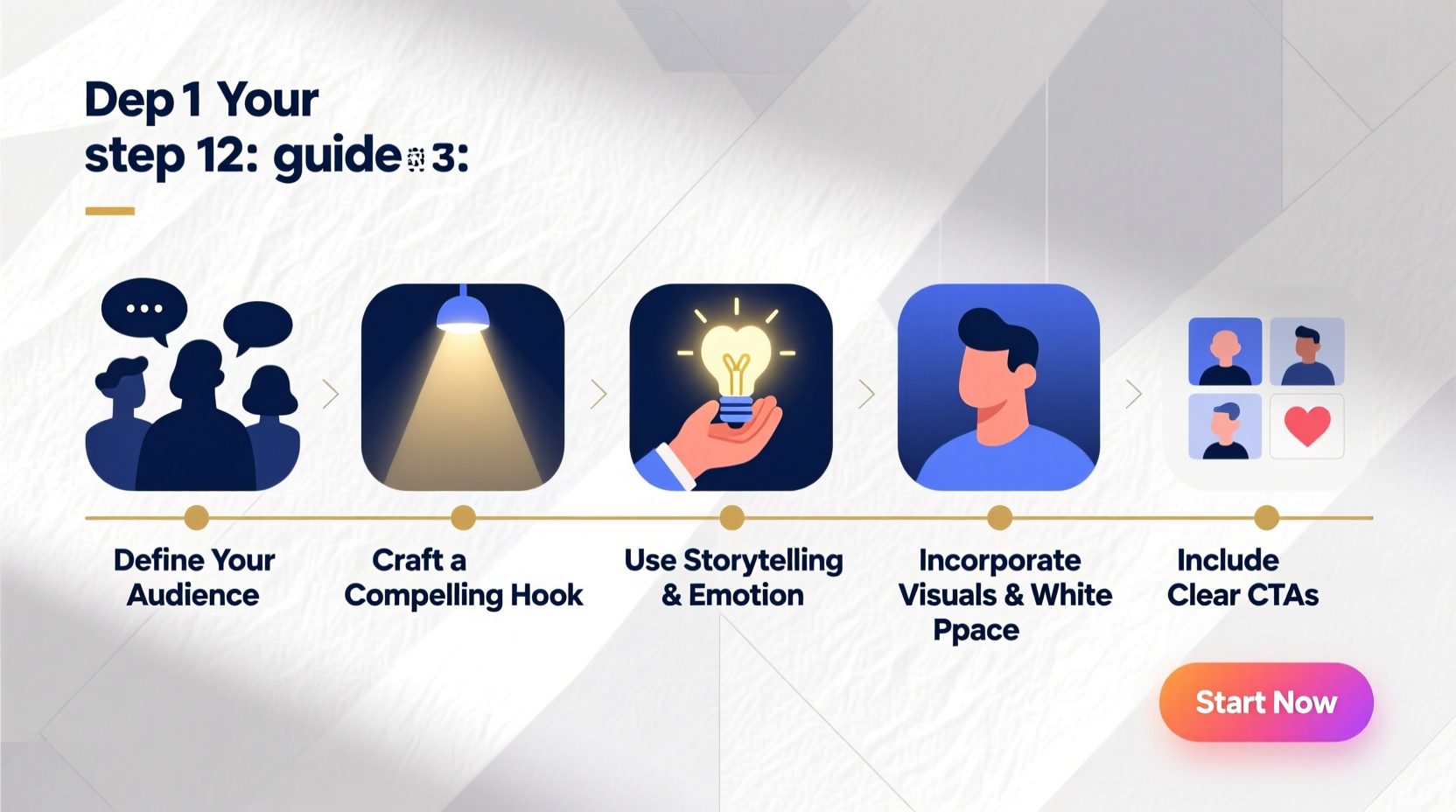
Great content starts long before writing—it begins with insight. Most content fails because it speaks at the audience instead of with them. To create something valuable, you must first understand what your readers truly care about: their frustrations, goals, fears, and aspirations.
Conduct audience research using tools like surveys, social media listening, or customer interviews. Look beyond surface-level demographics. Ask questions like:
- What keeps them up at night?
- What language do they use when describing their problems?
- Where do they go for information?
- What objections might they have to your solution?
The deeper your understanding, the more precisely you can tailor your message. A parent looking for time-saving meal prep tips doesn’t need a technical analysis of nutrition science—they need fast, reliable solutions that work in real life.
Define a Clear Purpose and Outcome
Every piece of content should have a defined objective. Are you aiming to educate, inspire trust, generate leads, or drive sales? Without clarity on the desired outcome, your content lacks direction—and so does your reader.
Use this simple framework to clarify purpose:
- Goal: What do I want this content to achieve?
- Audience Action: What should the reader do after consuming it?
- Value Exchange: What will they gain in return?
If the goal is lead generation, the action might be downloading a guide. If it’s brand awareness, the action could be sharing the article. The value exchange—such as saving time, reducing stress, or gaining exclusive insights—must feel worth the effort.
Common Content Goals and Corresponding Actions
| Content Goal | Desired Reader Action | Example Format |
|---|---|---|
| Educate | Read until the end, apply advice | How-to guide, checklist |
| Build Trust | Follow on social media, subscribe | Behind-the-scenes story, case study |
| Generate Leads | Download resource, sign up | Gated ebook, webinar registration |
| Drive Sales | Purchase, request demo | Product comparison, testimonial video |
Structure for Engagement and Clarity
Even brilliant ideas fall flat without strong structure. Readers decide within seconds whether to stay or leave. Guide them smoothly from headline to conclusion with a logical flow.
Follow this proven content framework:
- Hook: Start with a relatable problem, surprising fact, or compelling question.
- Promised Value: Clearly state what the reader will gain.
- Core Message: Deliver insights in digestible sections with subheadings.
- Social Proof: Include examples, data, or testimonials.
- Call to Action: Tell the reader exactly what to do next.
Break long paragraphs. Use bullet points, bold key phrases, and vary sentence length to improve readability. Tools like Hemingway Editor help identify complex sentences that slow readers down.
“People don’t read online—they scan. Make every section scannable, valuable, and connected.” — Dr. Jakob Nielsen, UX Researcher
Write with Empathy and Authority
Tone shapes perception. A clinical tone may establish expertise but alienate readers seeking connection. Conversely, being overly casual can undermine credibility. The ideal balance blends empathy with confidence.
Use second-person language (“you,” “your”) to speak directly to the reader. Acknowledge their challenges: “If you’ve ever felt overwhelmed trying to grow your email list, you’re not alone.” Then position yourself as a guide—not a savior.
Support claims with evidence: statistics, case studies, or personal experience. Instead of saying, “This method works,” say, “After testing this approach with 12 clients, open rates increased by an average of 47%.” Specificity builds trust.
Optimize for Conversion Without Being Pushy
Conversion doesn’t require aggressive sales tactics. It requires alignment between the reader’s journey and your offer. A well-placed call to action (CTA) feels like a natural next step, not an interruption.
Match the CTA to the reader’s stage in the decision-making process:
- Awareness Stage: “Download our free checklist to get started.”
- Consideration Stage: “Compare three strategies used by top performers.”
- Decision Stage: “Start your 14-day trial—no credit card required.”
Place CTAs where attention peaks: after solving a key problem, following a success story, or summarizing benefits. Avoid generic phrases like “Click here.” Use action-oriented, benefit-driven language: “Get Your Free Template,” “Join 5,000+ Marketers Who Save 6 Hours Weekly.”
Mini Case Study: How One Blog Post Doubled Conversions
A B2B SaaS company noticed high traffic but low sign-ups on their pricing page. They replaced a feature-focused description with a detailed case study showing how a mid-sized agency saved $18,000 annually using their tool. The new content included quotes, metrics, and a clear CTA: “See How Much You Could Save.” Within six weeks, conversion rates rose from 3.2% to 6.7%, doubling qualified sign-ups.
The change wasn’t in the product—it was in the narrative. By focusing on outcomes rather than specs, they spoke directly to the buyer’s motivation.
Measure, Iterate, Improve
Creating quality content is not a one-time task—it’s a cycle. After publishing, track performance using key metrics:
- Engagement: Time on page, scroll depth, comments
- Conversion: Click-through rate, form submissions, purchases
- Retention: Return visits, email open rates
Use analytics tools like Google Analytics, Hotjar, or platform-native dashboards to identify drop-off points. Did readers leave after the introduction? Was the CTA ignored? Adjust accordingly.
Repurpose high-performing content into new formats—a blog post becomes a LinkedIn carousel, a video script, or an email series. This maximizes ROI while reinforcing your message across channels.
Essential Quality Content Checklist
- Does the headline clearly reflect the content’s value?
- Is the primary audience need addressed within the first 100 words?
- Is the structure scannable with clear subheadings?
- Are claims supported by evidence or examples?
- Is there a clear, relevant call to action?
- Have I removed jargon, fluff, and redundant sentences?
- Have I proofread for grammar and tone?
FAQ
How long should my content be to convert well?
There’s no universal ideal length. Focus on completeness, not word count. Some topics require 800 words; others need 2,000. However, research shows that comprehensive content (1,500+ words) tends to perform better in organic search and generates more backlinks—both of which support long-term conversion potential.
Can emotional content still be professional?
Yes. Emotion and professionalism aren’t mutually exclusive. Sharing authentic challenges, celebrating client wins, or expressing passion for your work humanizes your brand. Just ensure tone matches your industry and audience expectations.
What if my audience is broad and diverse?
Narrow your focus. Trying to appeal to everyone results in content that resonates with no one. Identify your primary persona—the person most likely to benefit from and act on your content—and write specifically for them. You can always create separate pieces for other segments.
Final Thoughts
Quality content isn’t measured by word count or SEO keywords. It’s defined by its impact: whether it changes how someone thinks, feels, or acts. When you combine deep audience insight with clear structure, empathetic writing, and strategic intent, you create something far more powerful than clicks—you build trust.
Start small. Apply one principle from this guide to your next piece. Test it. Measure it. Refine it. Over time, your content will become a consistent engine for engagement and conversion.




 浙公网安备
33010002000092号
浙公网安备
33010002000092号 浙B2-20120091-4
Comments
No comments yet. Why don't you start the discussion?