
Salsa Macha is not just another hot sauce—it’s a bold, aromatic condiment that elevates everything from eggs to grilled meats with minimal effort. Unlike vinegar-forward salsas or fresh pico de gallo, Salsa Macha relies on the slow infusion of dried chiles in oil, carrying layers of toasted spice, nuttiness, and umami depth. Originating in coastal Veracruz and gaining popularity across Mexico, this versatile sauce has found its way into modern kitchens for good reason: it transforms simple ingredients into something extraordinary. Making it at home allows complete control over heat, flavor balance, and quality—without preservatives or additives. This guide provides a comprehensive, step-by-step approach to crafting your own Salsa Macha, including variations, storage methods, pairing ideas, and professional insights for both novice and experienced cooks.
Definition & Overview
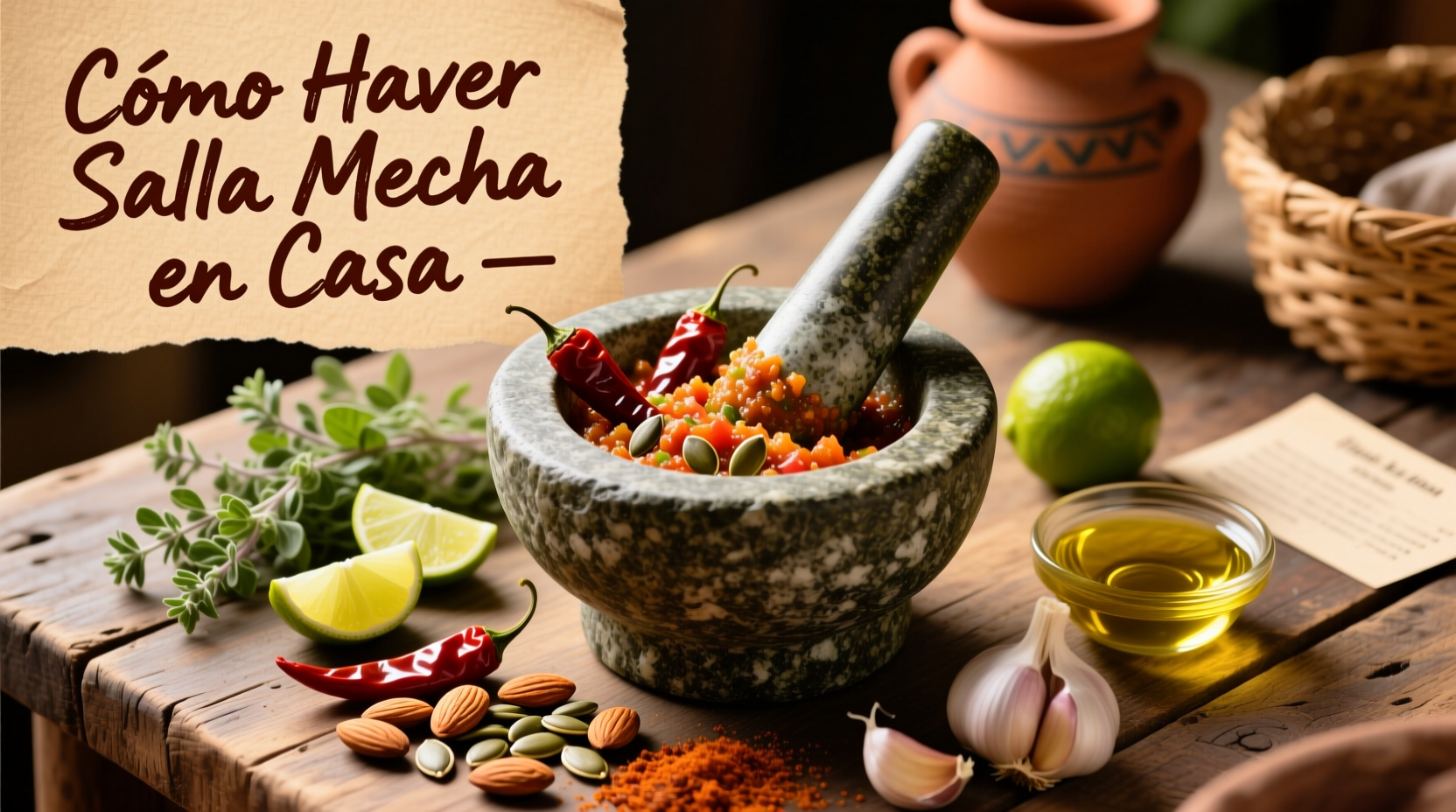
Salsa Macha (pronounced *MAH-cha*) is a Mexican oil-based chili sauce made primarily from dried chiles, garlic, and neutral oil. The term “macha” may derive from the Nahuatl word *machi*, meaning \"to grind\" or \"to crush,\" reflecting its traditional preparation using a molcajete or stone mortar. Unlike fermented or cooked salsas, Salsa Macha is built through infusion—dry-toasted chiles and aromatics are steeped in warm oil, extracting flavor while preserving texture. It contains no vinegar or citrus, distinguishing it from other Mexican salsas like salsa roja or salsa de árbol.
The sauce originated along Mexico’s Gulf Coast, particularly in the state of Veracruz, where seafood dishes benefit from its rich, smoky accent. Over time, regional interpretations have emerged in Oaxaca, Puebla, and beyond, incorporating local chiles and additions like nuts, seeds, or herbs. Its simplicity belies complexity: when properly balanced, Salsa Macha delivers a layered experience—initial heat followed by earthy depth, subtle sweetness, and lingering warmth.
Key Characteristics
| Characteristic | Description |
|---|---|
| Flavor Profile | Toasted chile, roasted garlic, nutty oil; mild acidity from natural chile notes, no added vinegar |
| Aroma | Smoky, warm, slightly sweet with pronounced garlic and toasted pepper fragrance |
| Color & Texture | Deep red to rust-brown depending on chile blend; coarse, chunky consistency with visible flakes and minced garlic |
| Heat Level | Moderate to high (4–7/10), adjustable based on chile selection and ratios |
| Culinary Function | Condiment, marinade base, finishing oil, flavor enhancer |
| Shelf Life | 3–4 weeks at room temperature (in cool, dark place); up to 3 months refrigerated |
Practical Usage: How to Use Salsa Macha in Cooking
Salsa Macha’s oil-soluble nature makes it ideal for drizzling, mixing, or layering into dishes without diluting flavors. Because it lacks water content, it integrates seamlessly into fats and proteins, enhancing mouthfeel and aroma.
Everyday Home Applications
- Breakfast Boost: Swirl into scrambled eggs, huevos rancheros, or avocado toast. A half-teaspoon adds instant depth.
- Taco Finishing: Drizzle over carnitas, al pastor, or fish tacos instead of bottled hot sauce.
- Bean & Legume Enhancer: Stir into refried beans, black beans, or lentil stews before serving.
- Grilled Proteins: Brush onto chicken, steak, shrimp, or tofu during the last few minutes of grilling.
- Dipping Oil: Serve alongside crusty bread, quesadillas, or empanadas as an alternative to chimichurri.
Professional Kitchen Techniques
In restaurant settings, chefs use Salsa Macha as a foundational element rather than a garnish. Some applications include:
- Marinade Base: Combine with lime juice and oregano for carne asada or skirt steak.
- Sauce Layering: Use as a bottom layer under ceviche or tostadas to prevent sogginess while adding heat.
- Infused Broths: Add a spoonful to pozole or menudo for extra dimension.
- Puree Blending: Blend with roasted tomatoes or tomatillos to create complex hybrid sauces.
Pairing Guidelines
The key to effective pairing lies in balancing intensity. Salsa Macha works best when matched with ingredients that can stand up to its robust character:
- Cheeses: Cotija, queso fresco, aged manchego
- Proteins: Grilled octopus, carnitas, chorizo, roasted mushrooms
- Vegetables: Roasted sweet potatoes, charred corn, blistered shishito peppers
- Grains: Cilantro-lime rice, masa cakes, tlayudas
Tip: Always add Salsa Macha at the end of cooking or just before serving. Excessive heat degrades the delicate oil infusion and volatilizes essential aromatics. For cold dishes like salads or ceviche, let the sauce sit at room temperature for 15 minutes before use to release full aroma.
Variants & Types
While the core technique remains consistent—infusing dried chiles in oil—regional and personal preferences have led to several distinct styles of Salsa Macha. Understanding these variants helps tailor the sauce to specific dishes or palates.
1. Classic Veracruzano
The original version features guajillo and pasilla negro chiles, sliced garlic, and peanut oil. Often includes whole peppercorns and cloves of garlic left intact. Mild to medium heat with deep fruitiness.
2. Oaxacan Style
Uses chilhuacle negro, mulato, and sometimes costeño rojo. Frequently incorporates almonds or sesame seeds for added body and richness. Darker, more complex, with earthy undertones reminiscent of mole.
3. Modern Nut-Free Version
Adapted for allergies and availability, this variant uses only chiles, garlic, salt, and sunflower or avocado oil. Simpler but still potent, favored in urban kitchens and commercial production.
4. Herb-Infused (Salsa Macha Verde)
A newer interpretation blending dried chiles with fresh epazote, cilantro, or hoja santa. Not truly green, but carries herbal brightness uncommon in traditional recipes. Best used within two weeks due to fresh ingredient inclusion.
5. Spicy Seafood-Focused
Popular in coastal areas, this type includes arbol or chiltepín chiles for intense heat, plus orange zest or a splash of orange oil to complement shellfish. Ideal for shrimp cocktails or grilled fish.
| Variant | Best For | Heat Level | Special Ingredients |
|---|---|---|---|
| Veracruzano | Seafood, eggs, tortillas | Medium | Peanut oil, black peppercorn |
| Oaxacan | Moles, grilled meats, tlayudas | Medium-High | Almonds, sesame seeds |
| Nut-Free | All-purpose, allergy-safe | Adjustable | Avocado or sunflower oil |
| Herb-Infused | Ceviche, tacos de pescado | Low-Medium | Fresh epazote, cilantro |
| Spicy Seafood | Shrimp, octopus, fish | High | Chiltepín, orange zest |
Comparison with Similar Ingredients
Salsa Macha is often confused with other chili oils and salsas, but key differences in preparation, composition, and function set it apart.
| Condiment | Base | Acidity | Texture | Primary Use |
|---|---|---|---|---|
| Salsa Macha | Dried chiles + oil infusion | None (naturally low pH from chiles) | Chunky, oily, fibrous | Finishing, marinating, dipping |
| Salsa de Árbol | Rehydrated árbol chiles, garlic, vinegar | High (vinegar-based) | Smooth purée | Table condiment, taco topping |
| Chinese Chili Crisp | Fried chiles, aromatics, soy, MSG | Low (sometimes with vinegar) | Crispy bits in oil | Noodles, dumplings, rice bowls |
| Harissa | Roasted red peppers, smoked paprika, olive oil | Moderate (lemon juice) | Paste-like, smooth | Stews, rubs, dips |
| Tapatío / Valentina | Processed chile extract, vinegar, preservatives | High | Liquid, thin | Bottled hot sauce substitute |
“Salsa Macha isn’t about heat—it’s about memory. The smell of toasting chiles, the crackle of garlic hitting warm oil—that’s the soul of the kitchen.” — Chef Elena Ruiz, Culinary Instructor, Escuela de Gastronomía Mexicana
Step-by-Step Recipe: Homemade Salsa Macha
This foundational recipe yields approximately 1 cup and takes 30 minutes, including prep and cooling. Store in a sterilized glass jar with a tight seal.
Ingredients
- 3 large dried guajillo chiles (stemmed, seeded)
- 2 dried pasilla chiles (stemmed, seeded)
- 1 dried chile de árbol (optional, for heat)
- 4 large cloves garlic, thinly sliced
- 1 cup neutral oil (peanut, sunflower, or avocado)
- 1 tsp kosher salt (adjust to taste)
- ½ tsp whole black peppercorns (optional)
- ¼ tsp cumin seeds (optional, lightly toasted)
Equipment
- Cast iron skillet or comal
- Blender or spice grinder (optional)
- Small saucepan
- Heatproof bowl
- Sterilized glass jar with lid
Instructions
- Prepare the Chiles: Heat a dry skillet over medium-low. Toast chiles one at a time, pressing gently with a spatula until fragrant and slightly pliable (about 15–20 seconds per side). Avoid browning. Let cool, then tear into 1-inch pieces.
- Grind the Chiles: Pulse chiles in a blender or spice grinder until coarsely flaked—not powder. Transfer to a heatproof bowl.
- Toast Aromatics (Optional): In the same skillet, lightly toast peppercorns and cumin seeds for 30 seconds. Grind briefly and add to chile flakes.
- Infuse the Oil: In a saucepan, heat oil over medium heat until shimmering but not smoking (approx. 300°F / 150°C). Reduce heat to low.
- Add Garlic: Carefully add sliced garlic and cook slowly, stirring occasionally, until golden (not brown) — about 3–4 minutes. Remove from heat immediately.
- Pour Over Chiles: Immediately pour hot oil and garlic over the chile flakes. The mixture will sizzle and darken. Stir gently to combine.
- Season & Cool: Stir in salt. Let cool completely at room temperature—do not cover while cooling to prevent condensation.
- Store: Once cooled, transfer to a clean glass jar. Seal tightly. Label with date.
Safety Note: Due to the presence of garlic in oil, there is a small risk of botulism if improperly stored. Always refrigerate after opening or if storing longer than 3 weeks. Never use wet utensils when scooping.
Practical Tips & FAQs
Q1: Can I adjust the heat level?
A1: Absolutely. Reduce or omit chile de árbol for milder versions. For more fire, add chiltepín or increase árbol to 2–3 chiles. Remember: seed removal reduces heat, but the inner membranes contain most capsaicin.
Q2: What oil should I use?
A2: Choose neutral, high-smoke-point oils. Peanut oil is traditional and enhances nuttiness. Avocado oil offers a clean profile and health benefits. Avoid olive oil—it can turn bitter when heated and doesn’t pair well with bold chiles.
Q3: Why did my Salsa Macha separate?
A3: Separation is normal. Simply stir before each use. If the oil becomes cloudy, it may have been exposed to cold temperatures—return to room temperature and stir.
Q4: Can I add nuts or seeds?
A4: Yes. Lightly toast 1 tbsp sesame seeds, almonds, or peanuts and add with the chile flakes. These contribute body and richness, especially in Oaxacan-style versions.
Q5: Is homemade Salsa Macha safe?
A5: When prepared and stored correctly, yes. Always use dry ingredients, sterilized jars, and avoid moisture contamination. Refrigeration extends safety and shelf life significantly.
Q6: Can I make it without a blender?
A6: Yes. Tear chiles into very fine strips by hand or crush with a mortar and pestle. The texture will be less uniform but equally flavorful.
Q7: What are common substitutions?
A7: If guajillo or pasilla aren’t available:
- Replace guajillo with ancho chile (slightly sweeter, less bright)
- Substitute pasilla with mulato (deeper, chocolate notes)
- Use smoked paprika (½ tsp) to mimic smokiness if all dried chiles are unavailable
Summary & Key Takeaways
Salsa Macha is a powerful yet accessible tool in any cook’s arsenal. More than just a spicy topping, it represents a philosophy of flavor layering through oil infusion and careful chile selection. By making it at home, you gain full control over ingredients, heat, and quality—avoiding preservatives and artificial flavors common in commercial versions.
Key points to remember:
- Salsa Macha is defined by its oil base, lack of vinegar, and use of dried chiles.
- Regional variations offer diverse flavor profiles—from nutty Oaxacan to bright Veracruzano.
- Always infuse garlic in oil gently to avoid bitterness; never let it burn.
- Storage safety is critical—refrigerate for long-term use and avoid moisture.
- Use as a finisher, not a simmering ingredient, to preserve aroma and texture.
Challenge: Try making two batches—one mild with guajillo and garlic, another fiery with árbol and chiltepín. Taste them side by side over scrambled eggs to understand how chile choice shapes the final dish. Keep notes for future refinement.
Mastering Salsa Macha opens the door to deeper exploration of Mexican condiments and oil-based infusions. Whether drizzled over breakfast, stirred into beans, or used as a secret ingredient in marinades, it exemplifies how minimal ingredients, treated with care, can yield maximum impact.




 浙公网安备
33010002000092号
浙公网安备
33010002000092号 浙B2-20120091-4
Comments
No comments yet. Why don't you start the discussion?