
Tomato paste is one of the most concentrated forms of tomato flavor available in a pantry, yet it's often relegated to a supporting role—just a spoonful stirred into sauces or stews. When used intentionally as a foundation, however, tomato paste transforms into a powerful engine for deeply savory, umami-rich soups. Unlike fresh tomatoes or canned crushed tomatoes, which bring water and acidity, tomato paste delivers intense roasted sweetness and body, making it ideal for building complex flavor from the start. Whether you're crafting a rustic minestrone, a silky tomato bisque, or a hearty lentil stew, understanding how to leverage tomato paste can elevate your soup-making from routine to exceptional.
Definition & Overview
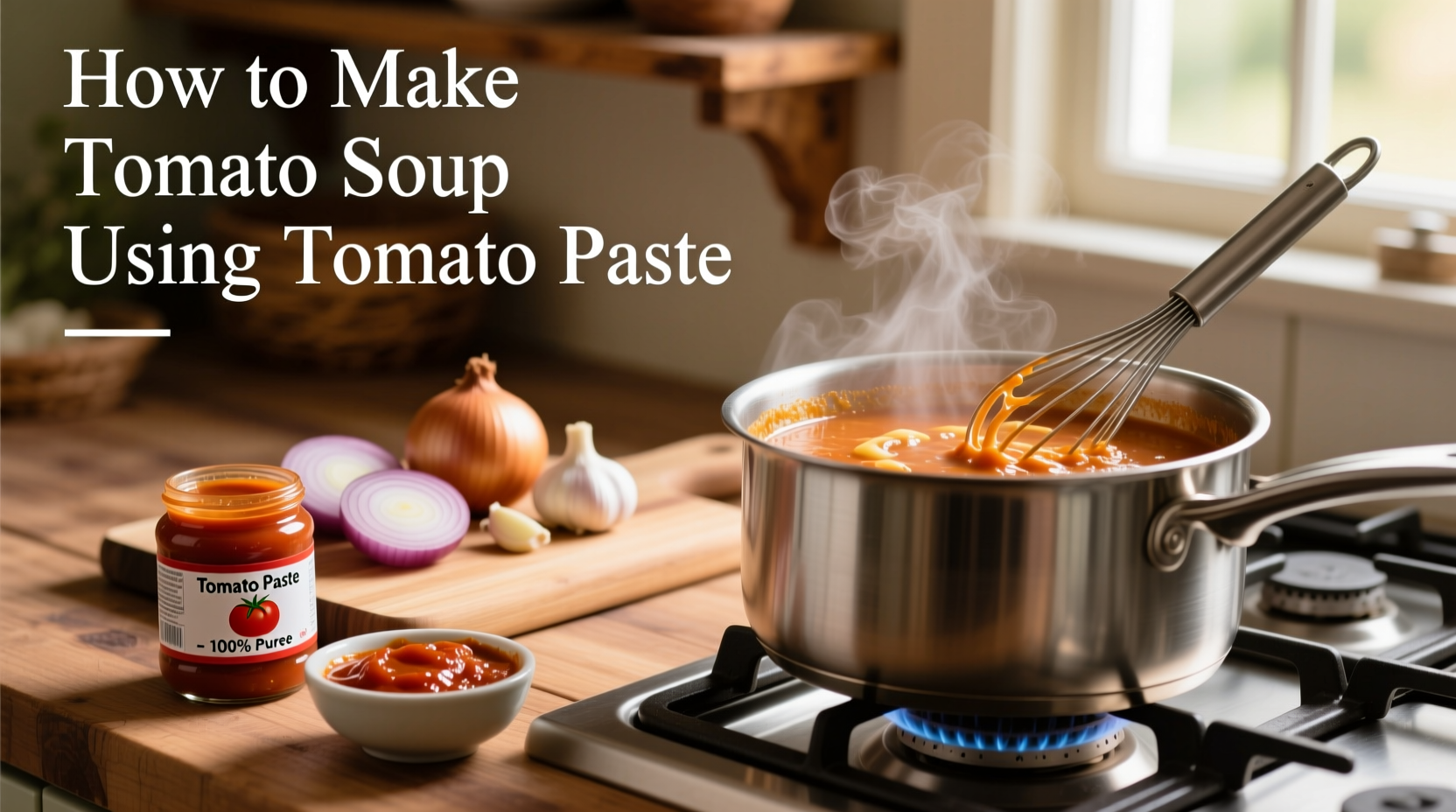
Tomato paste is a thick concentrate made by cooking down ripe tomatoes for several hours until their moisture evaporates, leaving behind a dense, deep red purée. This process intensifies natural sugars and develops a rich, almost caramelized flavor profile. Originating in Mediterranean and Middle Eastern cuisines, tomato paste has become a global staple due to its shelf stability and potent taste. It functions not merely as a flavoring agent but as a structural component in soups, providing color, viscosity, and depth that cannot be replicated by dilute tomato products.
In soup preparation, tomato paste acts as a flavor base rather than a finishing ingredient. Its high concentration means a small amount—typically 1 to 3 tablespoons per quart of soup—can anchor an entire dish. When applied correctly, it eliminates the need for long simmering times to reduce fresh tomatoes, allowing home cooks to achieve restaurant-quality results with efficiency.
Key Characteristics of Tomato Paste
- Flavor: Deeply savory with notes of roasted tomato, slight sweetness, and subtle bitterness when overcooked.
- Aroma: Earthy and warm, especially after being sautéed in oil; develops nutty, almost coffee-like undertones when browned.
- Color: Rich brick-red to dark maroon; imparts a vibrant hue to soups without cloudiness.
- Texture: Thick, smooth, and paste-like; dissolves slowly in liquids unless properly incorporated.
- Culinary Function: Acts as a flavor enhancer, thickener, and colorant; contributes glutamates that boost umami.
- Shelf Life: Unopened cans or tubes last 12–18 months at room temperature; once opened, refrigerate and use within 5–7 days (or freeze in portions).
- Heat Level: Non-spicy; neutral in pungency unless combined with chiles or spices.
Practical Usage: Building Soup from Tomato Paste
The key to unlocking tomato paste’s potential lies in technique—not just adding it to broth, but developing its flavor through controlled heat. The standard method involves a two-stage process: blooming and integration.
Step 1: Bloom the Paste in Fat
After sweating aromatics like onions, garlic, carrots, and celery in olive oil or butter, add the tomato paste directly to the pan. Stir constantly over medium heat for 2–4 minutes. This step, known as \"blooming,\" drives off raw acidity and allows Maillard reactions to occur, creating new flavor compounds. The paste will darken slightly and release a nutty, toasted aroma. Skipping this risks a flat, tinny taste in the final soup.
Step 2: Deglaze and Dilute
Once the paste is fragrant and slightly caramelized, deglaze the pot with a splash of liquid—water, wine, stock, or even vinegar. Scrape the bottom thoroughly to incorporate any fond (browned bits), which adds further complexity. Then gradually stir in the remaining liquid base. Adding cold broth too quickly can shock the paste, causing it to clump.
Step 3: Simmer and Balance
Bring the mixture to a gentle simmer and allow it to cook for at least 20–30 minutes. This melds flavors and softens any residual sharpness. Taste and adjust seasoning: a pinch of sugar may balance excess acidity, while a dash of smoked paprika or fish sauce can deepen savoriness.
Pro Tip: For richer texture, blend half the soup after cooking and return it to the pot. Alternatively, finish with a swirl of cream, yogurt, or extra-virgin olive oil to round out the intensity of the paste.
Variants & Types of Tomato Paste
Not all tomato pastes are created equal. Understanding the differences ensures optimal results in soup preparation.
| Type | Description | Best Use in Soup |
|---|---|---|
| Double-Concentrated | Thicker and darker; cooked longer than regular paste. | Ideal for robust soups like borscht or chili where maximum depth is desired. Use 25% less than standard. |
| Regular Tomato Paste | Standard supermarket variety; balanced sweetness and acidity. | Suitable for most applications—tomato soup, lentil, vegetable, or bean-based broths. |
| Organic / Vine-Ripened | Made from sun-ripened tomatoes without additives. | Preferred for clean-label cooking and lighter soups where purity of flavor matters. |
| Tubed Paste (Refrigerated) | Fresh-style paste sold in squeeze tubes; milder flavor, brighter color. | Excellent for quick weeknight soups; easier to portion and resists oxidation. |
| Sun-Dried Tomato Paste | Dehydrated version with intensified tang and chew. | Add sparingly to Mediterranean or Moroccan-inspired soups for bold character. |
When selecting a brand, check labels for added ingredients. High-quality tomato paste should list only “tomatoes” or “tomato concentrate.” Avoid versions with citric acid, oil, or preservatives unless specified by a recipe.
Comparison with Similar Ingredients
Tomato paste is frequently confused with other tomato products, but each serves a distinct purpose in soup-making.
| Ingredient | Differences from Tomato Paste | When to Choose Instead |
|---|---|---|
| Canned Crushed Tomatoes | High water content (~80%), milder flavor, chunkier texture. | Use when you want volume and freshness, such as in Italian wedding soup or gazpacho. |
| Tomato Sauce | Prewritten blend of tomatoes, herbs, and seasonings; already diluted. | Acceptable in emergencies, but lacks control over salt and spice levels. |
| Passata | Smooth strained tomatoes; no solids, moderate thickness. | Better for delicate soups where clarity and lightness are priorities. |
| Ketchup | Sweetened, spiced, and vinegared; contains onion/garlic powder. | Never substitute for tomato paste—its flavor profile overwhelms savory dishes. |
| Tomato Powder | Dehydrated paste in granular form; highly concentrated. | Use in dry rubs or instant mixes, not recommended for soups due to poor dispersion. |
\"Tomato paste is the secret weapon in my kitchen. I don’t just use it to thicken—I build entire flavor architectures around it. A properly bloomed tablespoon replaces hours of reduction.\" — Claire Moreau, Chef-Instructor, Institut Culinaire de Lyon
Practical Tips & FAQs
How much tomato paste should I use per quart of soup?
A general ratio is 1 to 2 tablespoons of tomato paste per quart (liter) of soup. For stronger profiles—such as smoked paprika-infused soups or meat-based stews—up to 3 tablespoons may be appropriate. Always bloom first to avoid metallic aftertaste.
Can I substitute tomato paste with something else?
Yes, but with trade-offs:
- Roasted Red Peppers (blended): Provide color and sweetness, but lack acidity and glutamates.
- Miso Paste (red): Delivers umami and salt, though not tomato flavor. Use 1 tsp miso per tbsp paste, diluted in warm broth.
- Anchovy Paste: Enhances savoriness in meat soups; pair with a small amount of ketchup for tomato note.
Why does my tomato soup taste bitter?
Bitterness arises from over-browning the paste or using low-quality brands with scorched particles. To correct, add a pinch of baking soda (¼ tsp per quart) to neutralize acidity, or stir in ½ tsp honey or grated carrot during simmering.
Can I freeze tomato paste?
Absolutely. Spoon leftover paste into ice cube trays (1 tablespoon per cube), freeze, then transfer to a sealed bag. Keeps for 6 months. Thaw directly in the pot when needed.
Is tomato paste healthy?
Yes. It's low in calories and high in lycopene—a fat-soluble antioxidant linked to reduced inflammation and heart health. Cooking with oil increases lycopene absorption. However, some commercial brands contain added sodium; opt for no-salt-added versions if monitoring intake.
What soups benefit most from tomato paste?
While versatile, these categories gain the most:
- Vegetable-Based: Minestrone, ratatouille soup, Tuscan white bean.
- Lentil & Legume Soups: Red lentil dhal, Egyptian molokhia.
- Meat Stews: Beef goulash, oxtail, chili con carne.
- Seafood Broths: Cioppino, bouillabaisse (use sparingly).
- Cream-Based: Roasted tomato bisque, vodka sauce soup variations.
Case Study: Transforming Canned Soup
A blind taste test conducted by the Journal of Culinary Science found that adding 1 tbsp of bloomed tomato paste to a standard can of condensed tomato soup increased perceived richness and homemade quality by 78%. Panelists described the enhanced version as “denser,” “more aromatic,” and “restaurant-grade.” The cost increase? Less than $0.10 per serving.
Storage & Shelf Life Guidelines
Unopened cans of tomato paste stored in a cool, dry pantry remain safe and flavorful for up to 18 months. Once opened, exposure to air causes oxidation and mold risk. Refrigeration slows this but doesn't stop it entirely. For best quality:
- Transfer unused paste to an airtight container.
- Press plastic wrap directly onto the surface before sealing to limit air contact.
- Label with date; discard after 7 days.
- Freeze in measured portions (cubes or teaspoons) for future use.
Alternatively, purchase tomato paste in tubes—common in European markets—which minimize waste and preserve freshness longer once opened (up to 4 weeks refrigerated).
Summary & Key Takeaways
Tomato paste is far more than a background player in soup. When used deliberately—with proper blooming, balancing, and integration—it becomes the cornerstone of deeply satisfying, aromatic broths. From economical weeknight meals to gourmet presentations, mastering its application unlocks new dimensions in home cooking.
Key principles to remember:
- Always sauté tomato paste in fat before adding liquid to develop flavor.
- Use between 1–3 tablespoons per quart depending on soup type and desired intensity.
- Choose high-quality, additive-free paste for cleaner taste and better performance.
- Freeze leftovers in portioned cubes to eliminate waste.
- Combine with complementary ingredients—garlic, smoked paprika, anchovies, or herbs—to amplify complexity.
Next time you open a can of beans or chop an onion for soup, reach for the tomato paste not as an afterthought—but as your starting point. With one simple technique shift, you’ll create broths that resonate with depth, warmth, and professional finesse.




 浙公网安备
33010002000092号
浙公网安备
33010002000092号 浙B2-20120091-4
Comments
No comments yet. Why don't you start the discussion?