
Fresh ginger root has been used for centuries across Asia, the Middle East, and Africa as both a culinary staple and a medicinal remedy. One of its most accessible and effective preparations is ginger tea—a simple infusion that delivers warmth, digestive support, and immune-boosting compounds in a single cup. Whether you're seeking relief from nausea, looking to soothe a sore throat, or simply craving a caffeine-free beverage with bold character, brewing tea from fresh ginger is an essential kitchen skill. This guide explores the science, technique, and tradition behind crafting exceptional ginger tea at home, offering actionable methods, flavor enhancements, and storage insights to elevate your daily ritual.
Definition & Overview
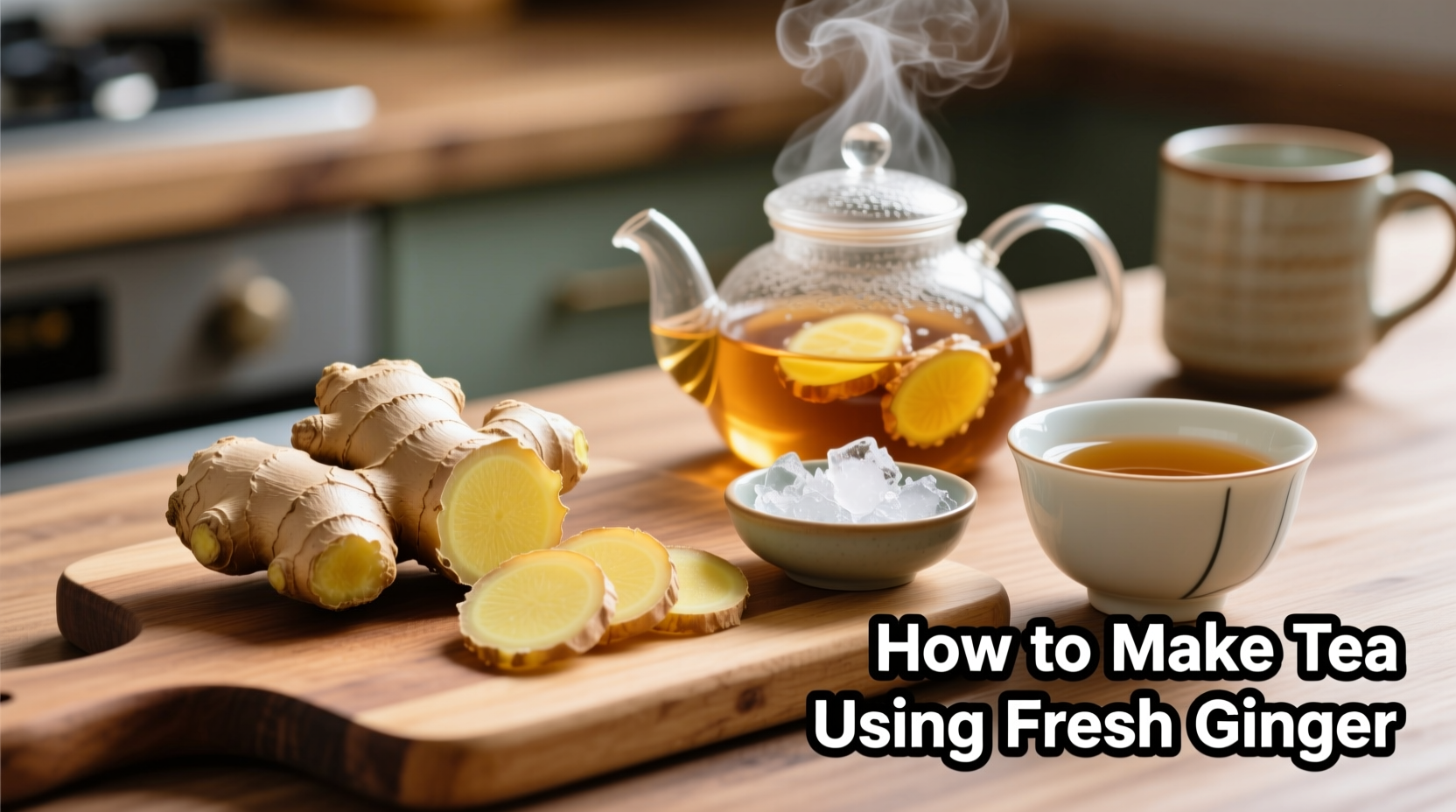
Ginger tea made from fresh ginger refers to a hot infusion prepared by steeping sliced, grated, or crushed rhizomes of *Zingiber officinale* in boiling water. Unlike commercial tea bags that may contain powdered or dried ginger—often blended with additives—fresh ginger tea captures the full spectrum of volatile oils, including gingerol, shogaol, and zingerone, which are responsible for its pungency, aroma, and therapeutic properties. The result is a vibrant, spicy-sweet brew that can be enjoyed plain or enhanced with citrus, honey, or herbs.
The use of ginger as a healing food dates back over 5,000 years to ancient Ayurvedic and Traditional Chinese Medicine systems, where it was prescribed for digestive imbalances, respiratory conditions, and circulatory stimulation. Today, modern research supports many of these traditional claims, showing that ginger possesses anti-inflammatory, antioxidant, and antiemetic (nausea-reducing) effects. Brewing it into tea offers one of the purest ways to access these benefits without added sugars or preservatives.
Key Characteristics of Fresh Ginger
- Flavor Profile: Pungent, warm, slightly sweet with peppery heat that intensifies when raw or freshly grated.
- Aroma: Citrusy, earthy, and sharp due to high concentrations of gingerol and other terpenes.
- Color/Form: Creamy yellow interior with tan-brown skin; typically sold as knobby rhizomes.
- Heat Level: Medium to high spiciness, depending on age and preparation method—older roots tend to be hotter.
- Culinary Function: Adds depth, warmth, and brightness to beverages and dishes; acts as a natural digestive aid.
- Shelf Life: Up to three weeks in the refrigerator when stored properly; longer if frozen.
| Trait | Description |
|---|---|
| Botanical Name | Zingiber officinale |
| Family | Zingiberaceae (same as turmeric and cardamom) |
| Active Compounds | Gingerols, shogaols, zingerone, paradols |
| pH Range (brewed tea) | 5.6–6.0 (mildly acidic) |
| Solubility in Water | Partial—compounds extract best with heat and time |
Practical Usage: How to Make Tea Using Fresh Ginger
Brewing ginger tea from fresh root requires minimal equipment but benefits greatly from precise technique. The key lies in maximizing extraction of bioactive compounds while balancing flavor intensity. Follow this professional-grade method for optimal results.
- Select the ginger: Choose firm, smooth-skinned rhizomes with taut flesh and no soft spots. Younger ginger (with pale skin and moist texture) yields a milder, juicier tea; mature ginger provides deeper heat and more concentrated flavor.
- Wash thoroughly: Scrub the ginger under running water to remove dirt and debris. Do not peel unless necessary—the skin contains fiber and some phytonutrients.
- Prepare the ginger: Slice thinly (about 1/8 inch), grate coarsely, or crush with the side of a knife. Grating increases surface area and accelerates infusion but may produce a cloudier tea.
- Use the right ratio: For one 8–12 oz cup, use ½ to 1 inch of fresh ginger (about 10–15 grams). Adjust based on desired strength—start low and increase gradually.
- Boil, don’t steep: Place ginger in a small saucepan with 1–1.5 cups of filtered water. Bring to a rolling boil, then reduce to a simmer for 10–20 minutes. Extended simmering converts gingerols into shogaols, increasing both potency and spiciness.
- Strain and serve: Pour through a fine-mesh sieve into a mug. Discard solids or reserve for composting.
- Enhance (optional): Add lemon juice (¼ fruit), raw honey (1 tsp), cinnamon stick, or a few mint leaves after straining to complement the base flavor.
Pro Tip: For stronger medicinal effect, cover the saucepan during simmering to prevent volatile oils from evaporating. Uncovered brewing allows lighter aromatics to escape, yielding a cleaner but less intense cup.
Advanced Techniques for Flavor Depth
To refine your ginger tea beyond basic infusion, consider these chef-inspired variations:
- Dual-Extraction Method: Simmer ginger in water for 15 minutes, then add a splash of high-proof alcohol (like vodka or brandy) off-heat and let sit for 5 minutes. This pulls out additional resinous compounds insoluble in water alone.
- Infused Honey Addition: Combine finely minced ginger with raw honey in a jar and let macerate for 24 hours before adding to tea. The enzymes in honey interact with gingerol, creating subtle new flavor notes.
- Cold-Brew Option: Steep sliced ginger in cold water for 6–12 hours in the refrigerator. Produces a smoother, less fiery tea ideal for sensitive stomachs or summer consumption.
Variants & Types of Ginger Preparations
While fresh ginger is unmatched in aroma and potency, several alternative forms exist for convenience or specific applications. Understanding their differences ensures proper usage in tea-making.
| Type | Best For | Tea Yield Equivalent | Notes |
|---|---|---|---|
| Fresh Ginger Root | Daily wellness tea, digestive support | 1 inch = 1 strong cup | Highest concentration of active compounds; requires prep |
| Ground/Dried Ginger Powder | Quick brewing, spice blends | ¼ tsp ≈ 1-inch fresh | Less aromatic; may settle at bottom; higher oxalate content |
| Candied/Crystallized Ginger | Sweet infusions, garnishes | 1 piece ≈ mild flavor | High sugar content limits health benefits; use sparingly |
| Frozen Ginger | Long-term storage, batch cooking | Same as fresh | Freezing ruptures cell walls, enhancing extractability |
| Ginger Juice (Fresh-Pressed) | Concentrated shots, mixology | 1 tsp juice ≈ 1-inch grated | Potent but short shelf life; dilute in hot water |
For maximum control over flavor and efficacy, fresh ginger remains the gold standard. However, having ground ginger on hand allows for rapid preparation when time is limited. Frozen ginger—especially when pre-grated—is excellent for emergency use and retains nearly all nutritional value.
Comparison with Similar Ingredients
Ginger is often confused with related spices, particularly given overlapping uses in teas and remedies. Clarifying distinctions prevents misapplication and enhances culinary precision.
| Ingredient | Flavor | Appearance | Tea Use Case |
|---|---|---|---|
| Galangal | Sharper, pine-like, less sweet | Paler, harder, segmented | Thai tom kha gai—not interchangeable with ginger |
| Turmeric | Earthy, bitter, mustard-like | Bright orange flesh | Golden milk; adds color and curcumin |
| Horseradish | Nasal heat, fleeting burn | Long, white taproot | Rarely used in tea; more common in condiments |
| Garlic | Sulfurous, pungent, savory | White cloves in bulb | Immune tonics only; very different profile |
“Many people reach for ‘ginger’ tea thinking they’re getting fresh rhizome, only to find powdered galangal or turmeric instead. True ginger tea starts with the real root—nothing substitutes for its unique synergy of flavor and function.” — Dr. Lena Cho, Integrative Nutritionist
Practical Tips & FAQs
What is the best time of day to drink ginger tea?
Morning is ideal for stimulating digestion and metabolism. Avoid late evening consumption if sensitive to spice, as it may disrupt sleep. Post-meal sipping aids bloating and indigestion.
Can I reuse ginger after making tea?
Yes, though potency diminishes significantly. Re-steep once more for a milder second cup, or dry the spent pieces in a low oven (200°F for 2 hours) and grind into homemade powder.
Is it safe to drink ginger tea every day?
For most adults, up to 4 grams of ginger per day (approximately four 1-inch slices) is considered safe. Consult a physician if pregnant, on blood thinners, or managing gallstones.
How should I store fresh ginger?
Wrap unpeeled ginger in a paper towel and place in a resealable container in the crisper drawer. It will keep for 2–3 weeks. Alternatively, submerge in dry sherry or vodka in a sealed jar—this preserves it for months and creates an instant tincture base.
Does peeling affect the tea’s quality?
No significant loss occurs if left unpeeled. The skin contributes minimal bitterness and contains beneficial fibers. Only peel if soiled or waxed (common in imported produce).
Why does my ginger tea taste bitter?
Over-simmering beyond 20 minutes or using old, fibrous ginger can introduce woody tannins. Stick to younger roots and limit cook time to 10–15 minutes for balanced flavor.
Can I make large batches for the week?
Absolutely. Prepare a quart of concentrated ginger tea (double the usual amount of ginger) and store refrigerated for up to 5 days. Reheat portions as needed, diluting with hot water if too strong.
Storage Hack: Freeze brewed ginger tea in ice cube trays. Drop 1–2 cubes into hot water for instant tea, or use in soups and sauces for subtle heat.
Are there any contraindications?
Ginger may interact with anticoagulants (like warfarin), diabetes medications, and hypertension drugs due to its mild blood-thinning and glucose-lowering effects. Moderation is key. Discontinue use two weeks before surgery.
Summary & Key Takeaways
Tea made from fresh ginger is more than a comforting beverage—it is a functional food with deep roots in global healing traditions. When prepared correctly, it delivers a potent blend of flavor and pharmacologically active compounds that support digestion, immunity, and inflammation regulation.
The foundation of great ginger tea lies in selecting high-quality rhizomes, extracting flavors through controlled simmering, and adjusting variables like cut size, time, and additives to suit individual needs. While alternatives like powders or syrups offer convenience, none match the complexity and efficacy of the whole root.
Understanding how ginger differs from similar spices prevents substitution errors and expands culinary intelligence. Meanwhile, proper storage and batch-prep strategies ensure consistent access without waste.
Ultimately, mastering this simple infusion empowers home cooks to harness nature’s pharmacy with precision and confidence. Whether consumed for wellness, flavor, or ritual, fresh ginger tea stands as a timeless practice rooted in science and sustained by tradition.




 浙公网安备
33010002000092号
浙公网安备
33010002000092号 浙B2-20120091-4
Comments
No comments yet. Why don't you start the discussion?