
Many home cooks assume that crushed or whole peeled tomatoes are the only acceptable base for a homemade tomato sauce. However, diced tomatoes—often overlooked as a shortcut ingredient—are not only convenient but also an excellent foundation for deeply flavored sauces when used correctly. The key lies in technique: breaking down texture, managing liquid content, and layering flavors over time. Whether you're preparing a quick weeknight pasta dish or building a slow-simmered Sunday gravy, understanding how to transform canned diced tomatoes into a velvety, balanced sauce elevates your cooking with minimal effort and maximum reward.
Definition & Overview
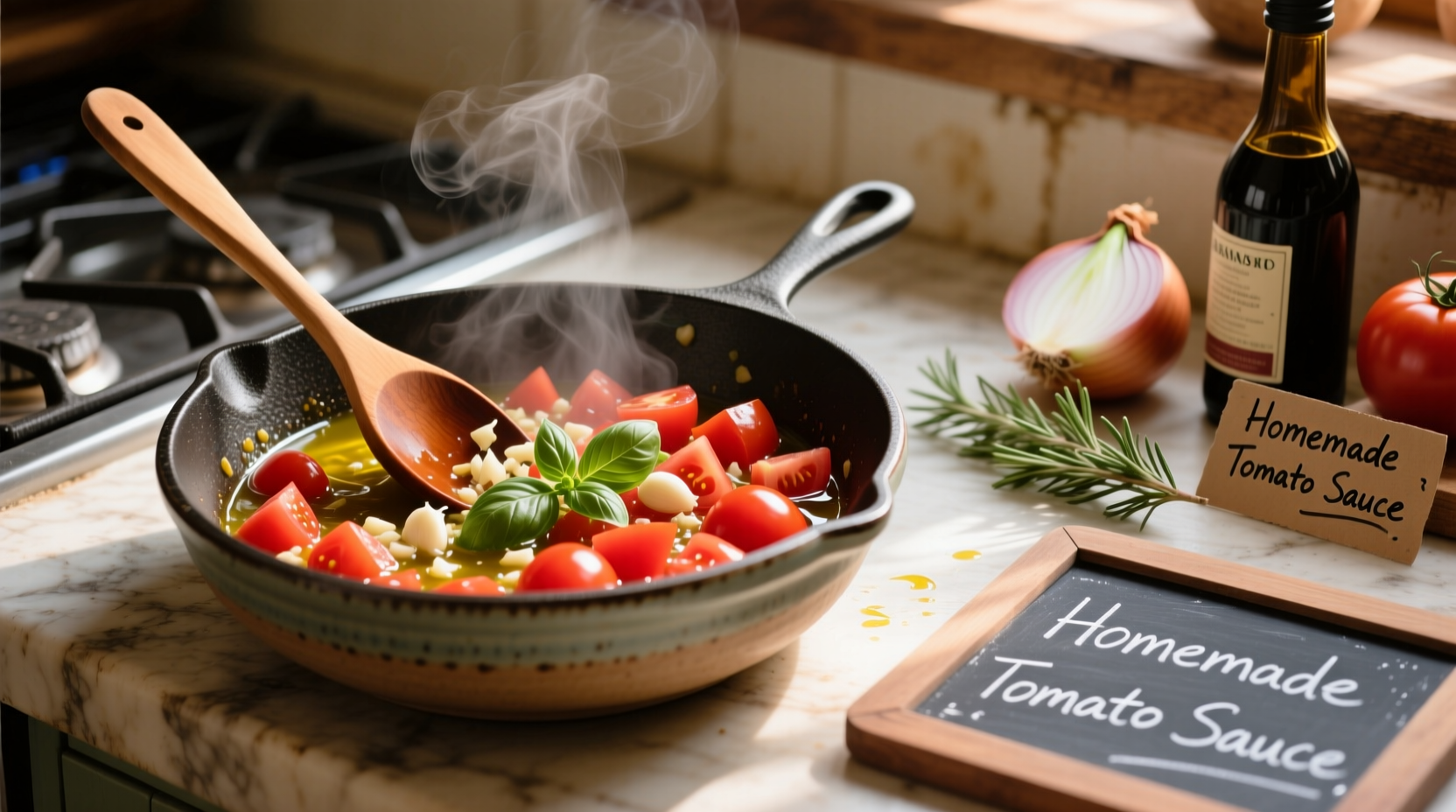
Tomato sauce made from diced tomatoes is a versatile culinary staple composed primarily of processed tomatoes cut into small cubes, typically 1/4 to 1/2 inch in size, preserved in juice or light tomato puree. Unlike passata (strained tomatoes) or tomato paste, which offer smoothness or concentrated flavor respectively, diced tomatoes retain structural integrity out of the can—making them ideal for dishes where texture matters, such as stews, soups, and chunky salsas. When converted into a cohesive sauce, they undergo physical and chemical transformation through heat, enzymatic breakdown, and reduction.
This form of tomato product originated in the early 20th century as food preservation technology advanced, allowing year-round access to summer-ripe tomatoes. Today, most commercial diced tomatoes are made from vine-ripened varieties like Roma or San Marzano, chosen for their thick flesh, low seed count, and high acidity. In sauce preparation, these pieces serve as both body and flavor carrier, absorbing aromatics, herbs, and fats while releasing natural pectins that contribute to mouthfeel.
Key Characteristics of Diced Tomatoes in Sauce Making
| Characteristic | Description |
|---|---|
| Flavor Profile | Bright, slightly acidic, with subtle sweetness; less concentrated than paste, more structured than crushed. |
| Aroma | Fresh tomato scent with earthy undertones; intensifies with sautéing and herb infusion. |
| Texture/Form | Cubed pieces suspended in liquid; requires simmering to break down and emulsify. |
| pH Level / Acidity | Naturally acidic (~4.3–4.5), helping preserve the sauce and balance richness. |
| Culinary Function | Serves as base for sauces, adds volume and moisture, binds fat and seasonings. |
| Shelf Life (Unopened) | 12–18 months in pantry; once opened, refrigerate and use within 5 days or freeze. |
| Heat Tolerance | Withstands prolonged simmering; extended cooking deepens flavor and reduces graininess. |
Practical Usage: Transforming Diced Tomatoes into Sauce
The success of a tomato sauce from diced tomatoes hinges on controlling three variables: moisture content, textural integration, and flavor development. Unlike crushed tomatoes, which begin life partially broken down, diced versions require active intervention to achieve a unified consistency. Below is a professional-grade method suitable for everyday use.
- Drain (Optional but Recommended): Pour canned diced tomatoes into a colander. Allow excess liquid to drain for 2–3 minutes. This step prevents watery sauce, especially important if using standard grocery-store brands with added juice.
- Sauté Aromatics: In a heavy-bottomed pot (preferably enameled cast iron or stainless steel), heat 2 tablespoons of extra-virgin olive oil over medium heat. Add finely chopped onion, one minced garlic clove per cup of tomatoes, and a pinch of red pepper flakes. Cook until onions are translucent and fragrant—about 5 minutes—without browning.
- Add Tomatoes: Stir in the drained diced tomatoes. Use a wooden spoon to crush larger pieces against the side of the pot. For smoother results, press through a potato masher during cooking.
- Season and Deglaze: Add salt (start with 1/2 teaspoon per 14.5 oz can), freshly ground black pepper, and 1/4 teaspoon sugar if needed to counter acidity. Splash in 1/4 cup dry white wine or water to deglaze the pan, scraping up any browned bits (fond), which enriches flavor.
- Simmer: Reduce heat to low. Cover partially and simmer for at least 25–30 minutes, stirring occasionally. Longer cooking—up to 90 minutes—results in deeper color, richer taste, and better cohesion.
- Finish: Off heat, stir in fresh basil leaves, a tablespoon of butter or olive oil for gloss, and grated Parmesan if desired. Adjust seasoning before serving.
Pro Tip: For restaurant-quality silkiness without blending, extend the simmer to 60+ minutes and include a Parmesan rind. The rind releases glutamates and lipids that enhance umami and create a creamy mouthfeel naturally.
Pairing Suggestions and Culinary Applications
- Pasta: Ideal with short cuts like penne, rigatoni, or fusilli that trap chunkier textures. Toss directly into warm pasta with reserved starchy water for adhesion.
- Polenta & Grits: Spoon over creamy polenta for a rustic Italian-American meal.
- Eggs: Poach eggs in the finished sauce for shakshuka-style breakfasts.
- Meat Dishes: Serve alongside meatballs, chicken parmesan, or grilled sausages.
- Vegetarian Mains: Layer in lasagna, stuffed peppers, or eggplant rollatini.
Variants & Types of Diced Tomatoes
Not all diced tomatoes behave the same in sauce preparation. Understanding available variants ensures optimal results based on availability and recipe needs.
| Type | Features | Best Used For |
|---|---|---|
| Regular Diced Tomatoes | Cut uniformly, packed in tomato juice. May contain calcium chloride to maintain firmness. | General-purpose sauces, soups, casseroles. |
| Diced Tomatoes with Basil, Oregano, or Garlic | Pre-seasoned; convenient but limits control over final flavor profile. | Quick meals where seasoning complexity isn't critical. |
| Fire-Roasted Diced Tomatoes | Charred over open flame before canning; smoky depth and caramelized notes. | Sauces needing boldness—Mexican-inspired ragùs, arrabbiata, or barbecue-style glazes. |
| No-Salt-Added Diced Tomatoes | Same texture, no added sodium—ideal for controlled diets or precise seasoning. | Low-sodium cooking, medical dietary plans, professional kitchens. |
| Organic Diced Tomatoes | Grown without synthetic pesticides; often higher Brix (sugar) levels due to ripening practices. | Health-conscious consumers, clean-label recipes. |
When selecting a type, read labels carefully. Calcium chloride—a common firming agent—can inhibit softening during cooking. If using such a product, increase simmer time by 15–20 minutes or add a splash of lemon juice to help break down cell walls.
Comparison with Similar Ingredients
Diced tomatoes are frequently substituted—or substituted for—other tomato forms. Each has distinct advantages depending on context.
| Ingredient | Differences from Diced Tomatoes | When to Choose It |
|---|---|---|
| Crushed Tomatoes | Partially pureed; smoother starting point, less need for mashing. | When seeking faster sauce development with moderate texture. |
| Whole Peeled Tomatoes | Larger pieces, fewer additives; superior flavor and purity. | High-end sauces where full control over texture is desired. |
| Tomato Passata | Sieved liquid; completely smooth, no solids. | Delicate sauces, infant food, or finishing touches requiring silkiness. |
| Tomato Paste | Concentrated, cooked-down tomatoes; intense umami punch. | As a flavor booster—not a standalone base unless diluted. |
| Fresh Diced Tomatoes | Higher water content, seasonal availability, less consistent. | Summer sauces, bruschetta bases, or raw applications. |
“Diced tomatoes get a bad rap because people treat them like a finished product instead of a raw material. They’re not meant to be dumped and heated. Treat them like fresh produce—build around them, coax out their potential.” — Chef Elena Rossi, James Beard nominee for Italian cuisine
Practical Tips & FAQs
Can I blend the sauce after cooking?
Yes. If a perfectly smooth texture is desired, use an immersion blender directly in the pot or transfer to a countertop blender while hot (vent lid to prevent pressure buildup). Blending after simmering yields better flavor integration than pre-blending raw tomatoes.
Why does my sauce taste metallic?
Metallic notes usually come from overcooking in reactive pans (aluminum, uncoated copper) or using low-quality canned products lined with BPA-containing coatings. Opt for enamel-coated, stainless steel, or glass-lined cookware and choose BPA-free cans labeled “no lining” or “lined with plant-based resin.”
How do I thicken sauce made from diced tomatoes?
Simmer uncovered to reduce liquid. Alternatively, mix 1 teaspoon cornstarch with 1 tablespoon cold water and whisk into bubbling sauce. Simmer 2 more minutes. Avoid flour unless making a roux first, as it can leave a raw taste.
Can I freeze tomato sauce made from diced tomatoes?
Absolutely. Cool completely, then portion into airtight containers or freezer bags, leaving 1-inch headspace. Freeze up to 6 months. Thaw overnight in the refrigerator and reheat gently on the stove.
Do I need to peel or seed tomatoes before dicing?
If using canned diced tomatoes, peeling and seeding have already been done. For fresh preparations mimicking this process, yes—peels become tough when cooked, and seeds add unwanted bitterness and water. Blanch fresh tomatoes in boiling water for 30 seconds, plunge into ice water, then slip off skins and scoop out seeds with a spoon.
What herbs work best with diced tomato sauce?
Dried oregano and basil withstand long simmers well. Add dried herbs at the beginning. Reserve fresh herbs—especially basil, parsley, and marjoram—for the final minute of cooking to preserve volatile oils and brightness.
Is there a vegan alternative to butter for finishing?
Yes. Substitute butter with extra-virgin olive oil, avocado oil, or a neutral plant-based butter. A teaspoon of nutritional yeast can mimic cheesy depth without animal products.
Storage Guide: Store unused portion of opened diced tomatoes in a sealed container in the refrigerator for up to 5 days. Do not store in the original can—transfer to glass or plastic to prevent metallic contamination. Label with date.
Summary & Key Takeaways
Creating a delicious tomato sauce from diced tomatoes is neither difficult nor inferior to methods using other tomato forms—it simply demands attention to detail. By recognizing that diced tomatoes are a starting point rather than a finish line, cooks unlock their full potential. The process involves draining excess liquid, building flavor through aromatic sautéing, crushing pieces manually, and allowing sufficient simmer time for integration.
Among the most valuable insights:
- Diced tomatoes benefit from longer cooking to overcome calcium chloride-induced firmness.
- Fire-roasted varieties introduce complexity ideal for bold dishes.
- Proper finishing—fat, fresh herbs, umami boosters—makes the difference between good and exceptional sauce.
- Substitutions matter: know when to reach for crushed, whole, or passata based on desired outcome.
Mastering sauce from diced tomatoes empowers home cooks to produce consistent, restaurant-quality results regardless of season or ingredient constraints. With a single can, some pantry staples, and deliberate technique, a humble jar becomes the heart of countless meals—from simple spaghetti dinners to elegant braises. Keep a few cans stocked, experiment with additions like olives, capers, or roasted peppers, and refine your version until it bears your personal signature.




 浙公网安备
33010002000092号
浙公网安备
33010002000092号 浙B2-20120091-4
Comments
No comments yet. Why don't you start the discussion?