
A balcony is more than just an outdoor extension of your home—it’s potential waiting to be realized. When designed thoughtfully, it can become one of the most intimate and peaceful corners in your living space: a personal sanctuary where you can escape with a book, a warm drink, and the quiet rhythm of the outside world. Creating a cozy reading nook on your balcony doesn’t require a large space or a big budget. It demands attention to comfort, atmosphere, and intentionality. Whether your balcony is compact or spacious, urban or leafy, the goal is to craft a retreat that invites stillness and encourages immersion in a good story.
Assess Your Space and Climate
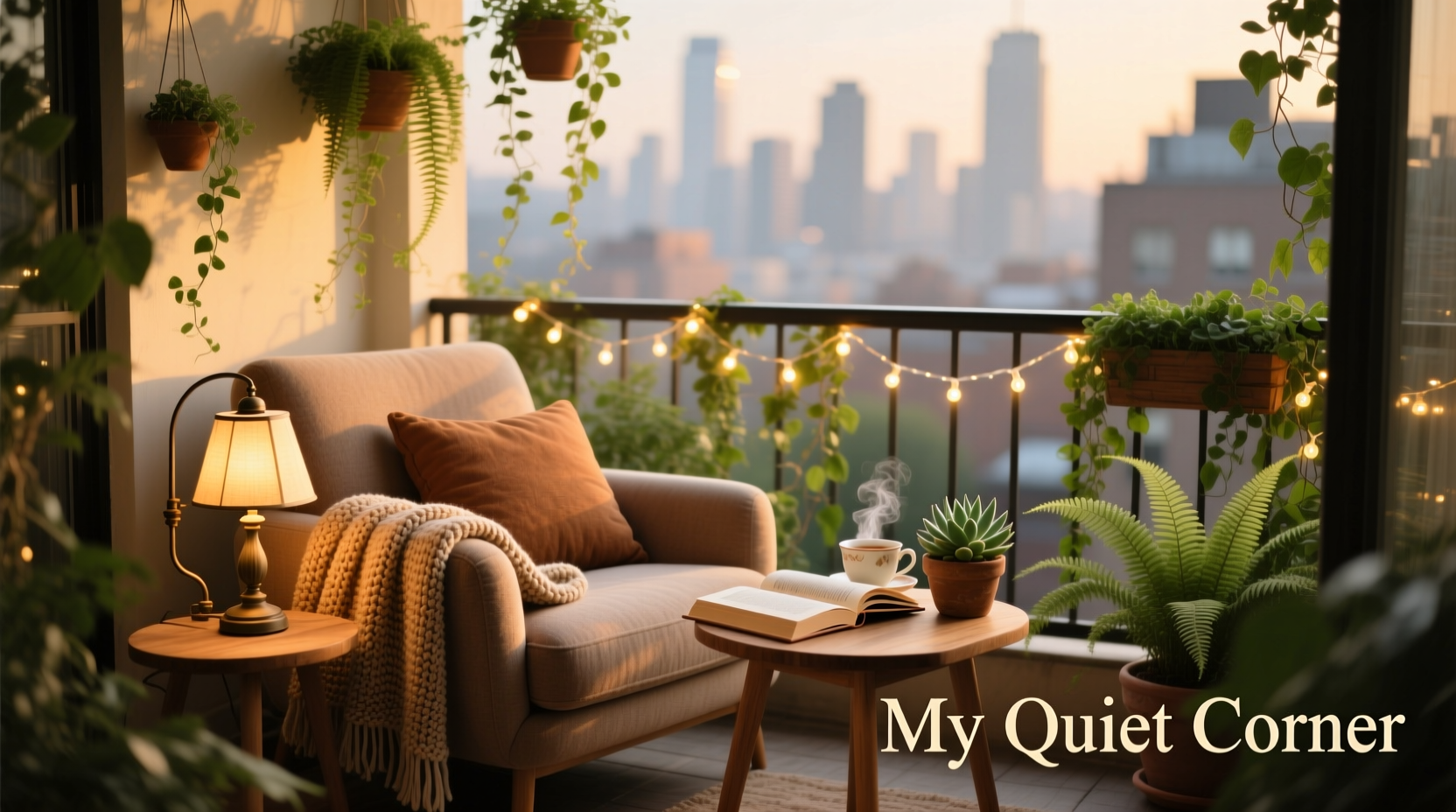
Before selecting furniture or decor, take stock of your balcony’s dimensions, sun exposure, wind patterns, and local weather conditions. These factors shape what’s possible and sustainable. A tiny city balcony may only accommodate a single chair and side table, while a larger wraparound deck could support a loveseat, rug, and even a small bookshelf. Measure the available floor area and note any architectural features—railings, overhangs, or shared walls—that influence airflow and privacy.
Sunlight plays a critical role in comfort. South-facing balconies receive strong, direct light all day, which may require shade solutions like retractable awnings or UV-blocking curtains. North-facing spaces stay cooler and shadier, ideal for those who prefer softer natural light. Consider how early morning sun or afternoon glare affects your ability to read without squinting. Wind is another factor; high-rise balconies often experience gusts that can scatter pages or make lightweight furniture unstable.
If you live in a region with cold winters or humid summers, think about seasonal usability. Can your nook function in light rain? Is it exposed to frost or heavy snow? Choosing durable, weather-resistant materials ensures longevity and reduces maintenance. Alternatively, plan to store delicate items indoors during off-seasons, treating your balcony as a spring-through-fall retreat.
Select Comfort-Focused Furniture
The cornerstone of any reading nook is seating. This isn’t the place for hard benches or flimsy folding chairs. Prioritize ergonomic support and tactile comfort. Look for pieces with cushioned seats, lumbar support, and armrests that allow you to relax without strain during long reading sessions.
Popular options include:
- Outdoor lounge chairs: Reclining models with adjustable backs offer excellent posture support and can be paired with footrests for full-body relaxation.
- Balcony swings or hanging chairs: Egg-shaped hammock chairs or porch swings add whimsy and gentle motion, enhancing the sense of escape.
- Compact bistro sets: A small table with two chairs allows for tea service or laptop use when not reading.
- Built-in window seats: If structural modifications are allowed, a padded bench along the railing maximizes limited square footage.
When space is tight, opt for foldable or multi-functional furniture. A storage ottoman doubles as a seat and a place to stash blankets or books. A nesting side table tucks neatly under a chair when not in use.
“Comfort is not a luxury in a reading environment—it’s a necessity. The body must be supported so the mind can wander freely.” — Lena Tran, Interior Designer & Author of *Spaces of Stillness*
Material Considerations
Furniture must withstand moisture, UV rays, and temperature changes. Avoid untreated wood or fabrics that mildew easily. Instead, choose:
- Teak, powder-coated aluminum, or recycled plastic lumber for frames
- Solution-dyed acrylic fabrics (like Sunbrella) for cushions
- Water-resistant foam inserts that dry quickly
If buying secondhand, inspect for rust, fraying, or warping. Even minor damage can worsen outdoors. Always cover or store cushions when not in use for extended periods.
Layer in Cozy Textures and Atmosphere
Coziness comes from texture, warmth, and sensory richness. While outdoor settings lean toward minimalism, a reading nook benefits from soft layers that invite lingering. Start with textiles: outdoor-safe throw pillows and a water-resistant blanket folded over the back of your chair add both color and comfort.
Choose fabrics labeled “all-weather” or “mildew-resistant.” Polyester blends and olefin fibers mimic the feel of cotton or wool but endure damp conditions. Deep tones like navy, moss green, or charcoal gray hide dirt better than whites, though pastels work well in sheltered spaces.
Rugs define the space and soften hard flooring. Outdoor rugs made from polypropylene or rubber-backed synthetics provide grip and visual warmth. Choose a size that fits under all furniture legs to anchor the zone. Patterns can help disguise wear, while neutral weaves blend into natural surroundings.
Lighting transforms the mood after sunset. String lights are a classic choice—warm white LEDs strung along railings or overhead beams create a magical ambiance. For functional reading, add a focused source: a clamp-on LED book light attached to a shelf or chair, or a slim solar-powered floor lamp with adjustable heads. Avoid harsh blue-toned bulbs; opt for 2700K–3000K color temperature for a soothing glow.
Optimize for Function and Flow
A truly usable reading nook anticipates needs before they arise. Position a small side table within arm’s reach to hold your coffee mug, reading glasses, or current book. Choose one with drainage holes if it will remain outside, or use a removable tray you can bring indoors.
Storage is often overlooked but essential. Without it, books get damp, pages blow away, and clutter accumulates. Consider these compact solutions:
| Solution | Best For | Tips |
|---|---|---|
| Wall-mounted shelf | Small balconies | Use closed-back or covered shelves; angle slightly downward to shed rain |
| Hanging planters with flat tops | Vertical spaces | Place books or candles on top; ensure stability in wind |
| Weatherproof crate | Temporary storage | Line with fabric; label clearly; store indoors during storms |
| Magnetic spice rack (indoor use only) | Attic or glass-door balconies | Mount inside a door or wall; holds paperbacks vertically |
Privacy enhances focus. If your balcony faces neighboring windows or busy sidewalks, use bamboo screens, lattice panels with climbing vines, or sheer outdoor curtains on a tension rod. These elements filter sightlines without blocking fresh air.
Mini Case Study: Clara’s Sixth-Floor Escape
Clara, a freelance editor in Chicago, transformed her 5x8-foot concrete balcony into a daily refuge. With northern exposure, the space stayed cool even in summer. She installed a fold-down teak bench with built-in storage beneath, painted the railing black to reduce visual clutter, and added a retractable canopy for rainy days. Her essentials: a quick-dry cushion, a magnetic clip to hold her book in breezes, and a solar lantern clipped to the edge. “I read at least 20 minutes every morning out there,” she says. “It feels like my own treehouse—even though I’m six stories up.”
Step-by-Step Guide to Building Your Nook
Follow this timeline to build your balcony reading nook in under two weeks, even with limited DIY experience:
- Week 1, Day 1–2: Measure your balcony and sketch a rough layout. Note sun paths, wind direction, and access points.
- Day 3: Research and order weather-resistant furniture and textiles. Prioritize items with positive reviews for durability.
- Day 4–5: Plan lighting and storage. Decide between plug-in, battery, or solar options based on outlet availability.
- Day 6–7: Prepare the space—sweep, wash the floor, repair cracks, and seal grout if needed.
- Week 2, Day 1: Assemble and arrange furniture. Test sightlines and movement flow.
- Day 2: Install lighting and hang privacy elements. Test all fixtures.
- Day 3: Add soft layers—cushions, rugs, throws. Place a few favorite books and a drink coaster.
- Day 4–7: Use the space daily. Adjust positioning, replace uncomfortable pillows, and refine storage.
This gradual approach prevents overwhelm and allows real-world testing. You might discover that a chair blocks sunlight at noon or that wind carries napkins too easily—small insights that lead to smarter tweaks.
Checklist: Your Balcony Reading Nook Essentials
Before declaring your nook complete, run through this checklist:
- ✅ Comfortable, supportive seating with weather-safe cushions
- ✅ Side table or surface within arm’s reach
- ✅ Functional reading light (clamp, floor, or overhead)
- ✅ Weather-resistant rug to define the space
- ✅ Throw blanket stored in a dry, accessible spot
- ✅ Small storage for books, mugs, or glasses
- ✅ Shade solution (umbrella, awning, or curtains)
- ✅ Privacy screen or greenery to shield views
- ✅ All items secured or weighted against wind
- ✅ A “cozy signal”—a candle, plant, or personal object that tells your brain: time to unwind
FAQ
Can I leave my reading nook furniture outside all year?
Only if it’s specifically rated for year-round outdoor use and your climate is mild. In areas with freezing temperatures, heavy rain, or snow, store cushions, electronics, and wooden pieces indoors during winter. Metal and synthetic wicker can usually stay out but benefit from breathable covers.
How do I keep bugs away without using harsh chemicals?
Natural deterrents work well: citronella candles, lemongrass oil diffusers, or planting mosquito-repellent herbs like lavender, basil, or marigolds in pots nearby. Avoid standing water, and use a small fan—mosquitoes struggle to fly in moving air.
What if my balcony has weight restrictions?
Many upper-floor balconies have load limits (often 30–50 lbs per square foot). Stick to lightweight materials: aluminum frames, hollow-core tables, and thin outdoor rugs. Avoid stone planters or large water features. When in doubt, consult your building manager.
Final Thoughts: Make It Yours
A balcony reading nook isn’t about perfection—it’s about presence. It’s the moment you step outside, sink into your chair, and let the world slow down. The details matter, but not as much as the habit of showing up. Whether you read fiction, poetry, or philosophy, this space becomes sacred through use.
Start small. You don’t need everything at once. A single cushion, a book, and five minutes of stillness can begin the transformation. Over time, layer in what serves you—more light, better storage, a favorite scent in the air. Let the nook evolve with your seasons, moods, and reading rhythms.




 浙公网安备
33010002000092号
浙公网安备
33010002000092号 浙B2-20120091-4
Comments
No comments yet. Why don't you start the discussion?