
Urban living often means limited outdoor space, but that doesn’t mean you can’t enjoy the tranquility of nature. A small balcony can become a personal sanctuary—a green retreat where you unwind, read, or sip morning coffee surrounded by life and color. The best part? You don’t need deep pockets to create this haven. With thoughtful planning, resourcefulness, and a few strategic choices, even the most modest balcony can bloom into a garden oasis without straining your finances.
The key lies not in spending more, but in designing smarter. From repurposing household items to selecting resilient, low-cost plants, every decision can stretch your budget while amplifying charm. This guide walks through practical, tested methods to transform bare railings and concrete floors into a lush escape—without compromising on beauty or sustainability.
Start with Smart Space Planning
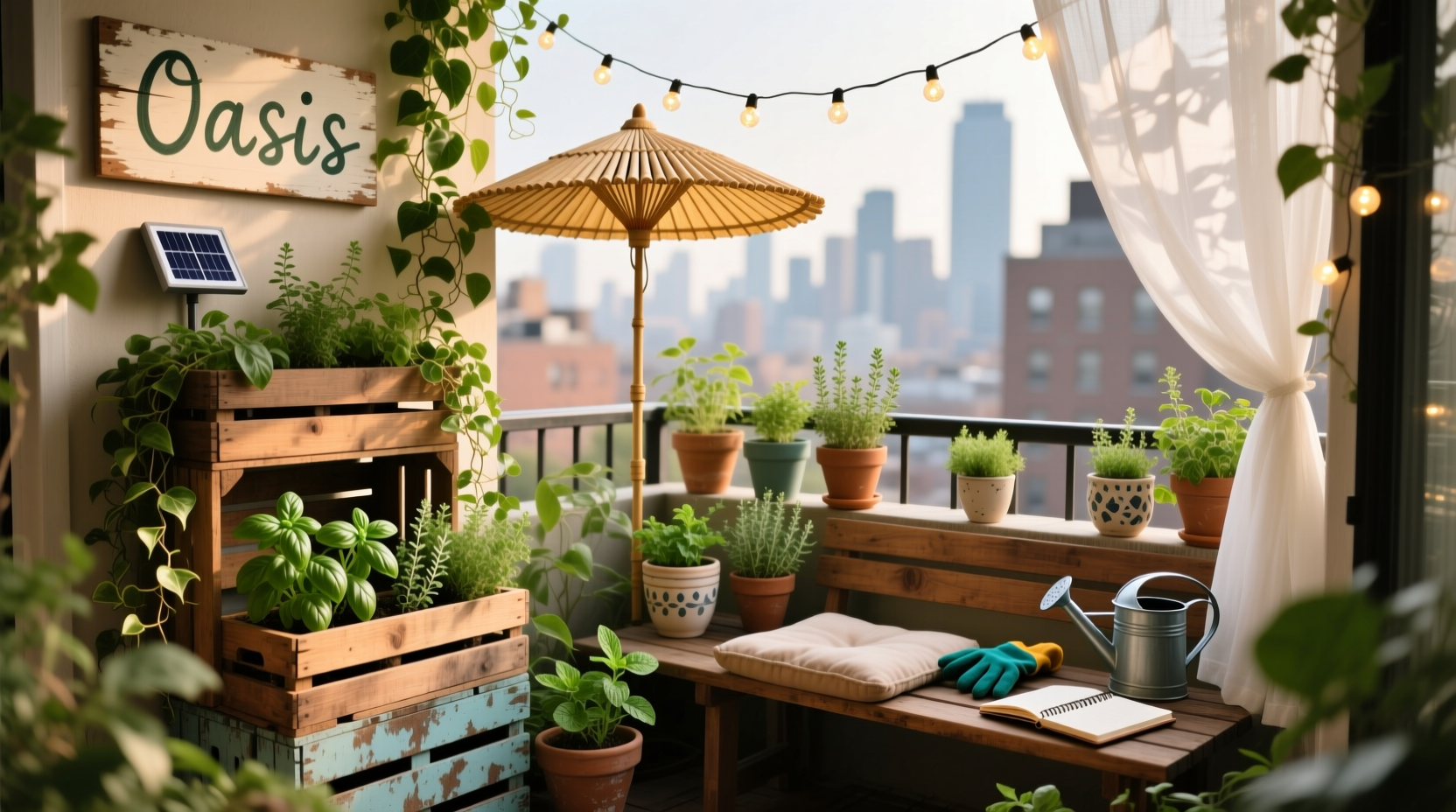
A successful balcony garden begins long before the first plant arrives. Assessing your space’s dimensions, sun exposure, wind patterns, and weight limits ensures safety and sets the foundation for healthy growth. Most balconies are designed to support moderate loads, but stacking heavy pots or overloading with soil can be risky. Stick to lightweight containers and avoid dense materials like solid stone or thick ceramic unless they’re securely placed.
Observe how sunlight moves across your balcony throughout the day. South-facing spaces receive the most light—ideal for herbs and flowering plants. North-facing areas remain shaded and suit ferns, hostas, or mosses. East and west exposures offer partial sun, suitable for a broader range of foliage. Knowing your light conditions helps you choose plants that thrive naturally, reducing the need for artificial aids or constant replacement.
Define Zones for Function and Flow
Even in tight quarters, defining zones adds structure and purpose. Consider separating a small seating corner from a growing area. Use low plant stands or railing baskets to frame the edges, leaving the center open for movement or relaxation. A folding bistro set takes up minimal space when not in use and instantly elevates the ambiance.
If privacy is an issue, bamboo screens or recycled wooden pallets painted green can shield your oasis from neighboring views. These materials are often inexpensive or free, especially if sourced from local community boards or construction sites (with permission).
Select Budget-Friendly, High-Impact Plants
You don’t need rare specimens to create visual impact. Common, hardy plants often deliver the most value—growing quickly, adapting well, and multiplying over time. Focus on species that propagate easily, tolerate neglect, and provide continuous interest through texture, scent, or bloom.
Herbs like mint, thyme, oregano, and basil are affordable, edible, and aromatic. They thrive in small pots and respond well to pruning, encouraging bushier growth. Succulents such as sedum, echeveria, and sempervivum require little water and survive in bright, dry spots—perfect for forgetful gardeners. For instant greenery, spider plants and pothos trail beautifully from hanging baskets and can be propagated from cuttings shared by friends.
“Some of the most beautiful gardens grow from cuttings passed between neighbors. It’s not about what you buy—it’s about what you nurture.” — Lila Chen, Urban Horticulturist & Community Garden Coordinator
Prioritize Perennials and Self-Seeding Annuals
Perennial plants return year after year, eliminating the need for annual replanting. While some perennials may cost slightly more upfront, their longevity makes them economical over time. Look for cold-hardy varieties like lavender, yarrow, or ornamental grasses depending on your climate.
Self-seeding annuals such as nasturtiums, calendula, and borage drop seeds that sprout the following season, creating naturalized patches with zero effort. Once established, these plants maintain themselves with minimal input, spreading color and attracting pollinators like bees and butterflies.
Repurpose and Upcycle Containers
One of the easiest ways to cut costs is by skipping branded planters and turning everyday items into functional pots. Old tin cans, wooden crates, plastic bottles, and chipped mugs can all serve as unique plant homes with a bit of creativity.
Clean containers thoroughly and drill drainage holes in the bottom using a nail or drill. Paint or wrap exteriors to match your aesthetic—chalk paint works well on metal and terracotta, while twine or fabric strips add rustic charm. Group mismatched pots together in odd numbers (three or five) for a curated, eclectic look that feels intentional rather than haphazard.
| Household Item | Ideal For | Preparation Tips |
|---|---|---|
| Gallon milk jugs | Deep-rooted herbs (rosemary, sage) | Cut top off; poke holes in base; use handle for hanging |
| Wine crates | Succulents, strawberries, trailing ivy | Line with landscape fabric to retain soil |
| Tin cans (large) | Compact flowers (marigolds, pansies) | Punch holes with hammer and nail; decorate with paint |
| Plastic bottles (2L) | Microgreens, lettuce, scallions | Cut horizontally; invert top as funnel; self-watering design |
Build Soil and Fertility Without Spending Much
Healthy soil is the backbone of any thriving garden, but bagged potting mixes can add up. Instead of buying new soil every season, learn to enrich what you have. Composting—even on a small scale—transforms kitchen scraps into nutrient-rich humus.
Use a compact indoor compost bin or worm farm to process coffee grounds, eggshells, vegetable peels, and tea bags. After a few weeks, blend the resulting compost into existing potting mix at a ratio of 1:4 (compost to soil). This boosts microbial activity and reduces reliance on synthetic fertilizers.
If composting isn’t feasible, collect fallen leaves in autumn and store them in a bag. Shredded and mixed with soil, leaf mold improves moisture retention and provides slow-release nutrients. Many cities also offer free mulch or compost pickup during seasonal cleanups—check with local parks departments.
Water Wisely to Save Time and Resources
Overwatering wastes money and harms plants. Instead of daily watering, adopt a deeper, less frequent schedule that encourages strong root development. Water early in the morning to reduce evaporation and prevent fungal diseases.
To conserve water, place trays under pots to catch runoff and reuse it later. Install a simple drip irrigation system using recycled plastic bottles with pinprick holes—bury the bottle neck-down near plant roots for slow, targeted delivery. Rainwater collection is another low-cost option: position a bucket under a downspout or use a collapsible rain barrel if permitted by building rules.
Step-by-Step Guide: Transform Your Balcony in 5 Weeks
Creating a garden oasis doesn’t require a weekend overhaul. Spread the work over several weeks to manage costs and avoid burnout. Here’s a realistic timeline for gradual transformation:
- Week 1 – Audit & Plan: Measure your balcony, note sun patterns, and sketch a rough layout. List available containers and identify gaps. Set a total budget (e.g., $50).
- Week 2 – Source Materials: Gather free or reused containers. Visit community swap groups, Freecycle, or Facebook Marketplace. Ask friends for plant cuttings or extra soil.
- Week 3 – Start Small: Begin with three easy plants—like aloe vera, mint, and marigold—in repurposed pots. Position them according to light needs.
- Week 4 – Expand Vertically: Hang two shoe organizers on a railing (liner intact) and fill pockets with succulents or herbs. Add a shelf for stacked pots.
- Week 5 – Add Ambiance: String up solar fairy lights ($8–$12), place a foldable stool, and include one decorative item (painted rock, handmade wind chime).
By the end of five weeks, you’ll have a layered, inviting space that feels complete—even if only ten plants are present. Growth will continue naturally with time.
Mini Case Study: Maria’s 45-Square-Foot Balcony Revival
Maria, a graphic designer in Chicago, inherited a dull, gray balcony when she moved into her apartment. With a strict $60 limit, she committed to transforming it over two months. She started by collecting six wine crates from a neighborhood restaurant and lining them with scrap fabric from old curtains.
She asked coworkers for cuttings—two pothos vines, a spider plant pup, and a rosemary stem—which rooted in water within weeks. At a local farmers market, she bought four packs of wildflower seeds for $12 and sowed them in staggered rows. Using a salvaged shutter mounted vertically, she created a trellis for climbing beans.
For comfort, she added a secondhand folding chair spray-painted turquoise and hung solar-powered string lights from the ceiling. Within eight weeks, her balcony buzzed with bees, offered fresh herbs for cooking, and became her favorite spot to sketch and relax. Total spent: $57.32.
Budget Gardening Checklist
Follow this checklist to stay on track while maximizing impact:
- ☐ Assess sunlight, wind, and weight capacity
- ☐ Sketch a simple layout using graph paper or app
- ☐ Collect at least five repurposed containers
- ☐ Source three free plant cuttings or seeds
- ☐ Prepare basic potting mix (combine garden soil, compost, perlite)
- ☐ Install one vertical element (hanging basket, shelf, trellis)
- ☐ Add one comfort feature (seat, cushion, shade)
- ☐ Set up a water-saving method (tray, bottle irrigator)
- ☐ Include one sensory element (fragrant herb, rustling grass)
- ☐ Take weekly photos to track progress
Frequently Asked Questions
Can I grow vegetables on a small, shaded balcony?
Yes, but choose shade-tolerant varieties like leafy greens—spinach, arugula, and lettuce—or herbs such as parsley and cilantro. Avoid fruiting plants like tomatoes, which require at least six hours of direct sun. Use reflective surfaces (white walls, aluminum foil panels) to bounce available light onto plants.
How do I keep pests away without chemicals?
Encourage beneficial insects like ladybugs by planting nectar-rich flowers such as marigolds or alyssum. Remove aphids by spraying plants with a gentle mix of water and a few drops of dish soap. Crushed eggshells around pots deter slugs, while diatomaceous earth creates a safe barrier against crawling pests.
Is it safe to paint old containers for gardening?
Yes, but use non-toxic, water-based paints and seal with a food-safe clear coat if growing edibles. Avoid painting the inside of containers where roots contact surfaces. Let paint cure fully (48+ hours) before adding soil.
Create More Than a Garden—Create a Refuge
A garden oasis isn’t defined by size or expense. It’s shaped by intention, care, and the quiet joy of watching life unfold in unexpected places. On a tight budget, each choice becomes meaningful—a rescued pot, a shared cutting, a moment spent pruning. These small acts accumulate into something deeply personal and restorative.
Your balcony doesn’t need to rival botanical displays. It only needs to belong to you—to offer shade, scent, stillness, and the satisfaction of having built something alive with your own hands. Start today with one container and one plant. Tend it faithfully. Let it grow, and let it remind you that beauty thrives not in perfection, but in persistence.




 浙公网安备
33010002000092号
浙公网安备
33010002000092号 浙B2-20120091-4
Comments
No comments yet. Why don't you start the discussion?