
The holiday season brings joy, warmth, and an irresistible urge to deck the halls. For many, that means transforming homes into winter wonderlands filled with twinkling lights, festive ornaments, and the scent of pine. But if you share your space with cats, dogs, or other curious pets, the same decorations that delight humans can pose real dangers. Tinsel ingestion, electrical cord chewing, tree-toppling antics—these aren’t just anecdotes; they’re common risks during December.
The good news? You don’t have to choose between a stunning holiday display and a safe environment for your furry companions. With thoughtful planning, creative alternatives, and a few strategic swaps, it’s entirely possible to design a Christmas aesthetic that’s both elegant and pet-conscious. The key lies in balancing safety with style—transforming potential hazards into opportunities for innovation.
Understanding Pet Risks During the Holidays
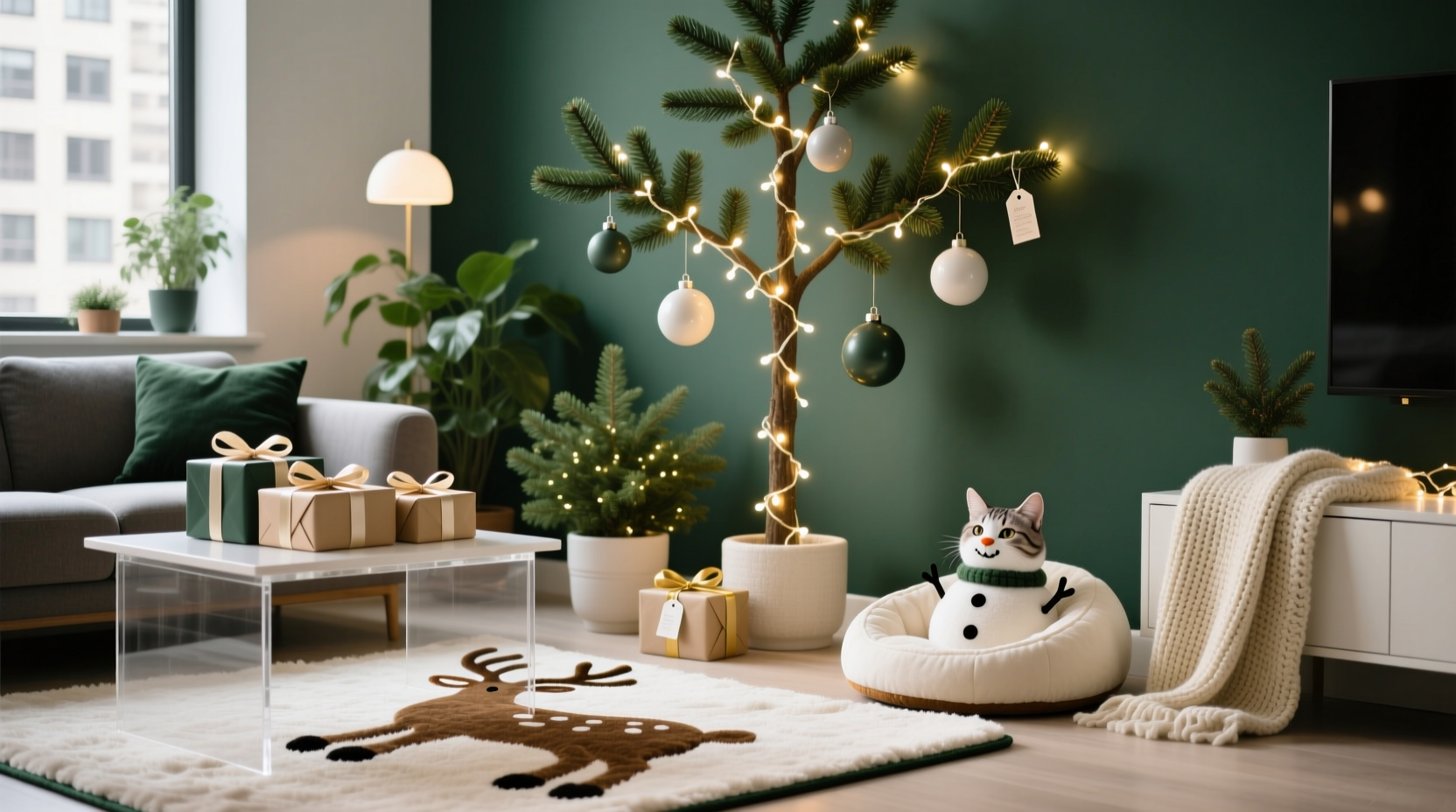
Pets experience the world differently than people do. A dog might see a dangling ornament as a chew toy. A cat could treat tinsel like a shiny new plaything. Even the scent of certain plants or foods can be toxic. Recognizing these behaviors is the first step toward prevention.
Common holiday hazards include:
- Ingestion of toxic materials: Tinsel, pine needles, and certain plants (like poinsettias, holly, and mistletoe) can cause gastrointestinal distress or worse.
- Electrical dangers: Chewing on cords from lights or rotating displays can lead to burns or electrocution.
- Physical injury: Broken glass ornaments, sharp edges, or heavy items falling from shelves can harm animals.
- Stress triggers: Loud music, sudden movements from animatronic figures, or changes in routine can overwhelm sensitive pets.
According to the ASPCA Animal Poison Control Center, calls increase by nearly 30% during the holiday season, with many involving household décor and seasonal plants. This isn’t about eliminating tradition—it’s about reimagining it with compassion and foresight.
Smart Swaps: Stylish Yet Safer Alternatives
You don’t need glittering glass balls or miles of tinsel to create a festive atmosphere. Modern design offers plenty of pet-safe options that maintain—or even elevate—the visual appeal of your space.
Consider replacing traditional elements with these safer alternatives:
| Risky Item | Safer Alternative | Style Benefit |
|---|---|---|
| Glass ornaments | Felt, wood, or fabric ornaments | Warm, rustic charm; excellent for minimalist or Scandinavian themes |
| Tinsel and garland | Paper chains, popcorn strings (unsalted/unbuttered), or yarn braid | Vintage-inspired look; customizable colors |
| Real pine trees | Artificial trees with soft tips or potted evergreens (kept out of reach) | No shedding; reusable for years |
| String lights on low branches | Lights tucked inside lanterns, ceiling-mounted strands, or battery-operated flameless candles | Softer ambient lighting; reduced clutter |
| Hanging stockings near floor level | Wall-mounted hooks at higher levels or decorative baskets on tables | Cleaner lines; doubles as storage |
These substitutions aren’t compromises—they’re upgrades. Felt stars hand-stitched with embroidery thread add texture. Wooden reindeer cutouts bring a woodland elegance. And LED string lights woven through ceiling beams cast a magical glow without dangling temptations.
“Pet-friendly decor doesn’t mean dull. In fact, some of the most sophisticated holiday designs I’ve seen use natural textures and intentional placement to keep both people and pets comfortable.” — Lena Reyes, Interior Designer & Certified Pet Behavior Consultant
Strategic Placement and Structural Security
No matter how safe your materials are, placement matters. A poorly anchored tree is a disaster waiting to happen—especially when a puppy leaps at a moving ornament or a cat uses it as a climbing post.
Follow this step-by-step guide to secure your centerpiece:
- Choose the right location: Place the tree away from foot traffic, furniture that pets can jump onto, and direct access to other rooms.
- Use a sturdy stand: Ensure it’s weighted and designed for your tree size. Fill with water and check daily.
- Anchoring method: Attach the top of the tree to a wall hook using thin, clear fishing line. Use multiple points if needed.
- Clear the perimeter: Keep all lower branches free of ornaments, especially those resembling toys or food.
- Conceal cords: Run light cords behind furniture or use cord covers painted to match baseboards.
For additional stability, consider placing a large decorative basket around the base. Fill it with wrapped faux gifts in coordinated paper—this hides the stand while contributing to the overall theme.
Designing with Pets in Mind: A Real-Life Example
Sarah Thompson, a graphic designer in Portland, Oregon, loves hosting holiday gatherings. Her golden retriever, Milo, adores attention—and anything that dangles. After two Christmases involving emergency vet visits (one for ingesting tinsel, another for chewing a live wire), she decided to redesign her entire approach.
Her solution?
- A slim artificial tree placed in a corner, secured to the wall with invisible brackets.
- All ornaments above 4 feet, made from felt and cork in deep forest tones.
- Lights mounted along the mantel and stair railing instead of the tree.
- A “pet zone” under the tree with Milo’s bed, favorite toys, and a fake gift labeled “For Milo – Do Not Open!”
The result? Her Instagram feed was flooded with compliments. Guests called it “the coziest setup we’ve seen,” and Milo didn’t touch a single decoration. By giving him his own festive space, she redirected his curiosity into positive engagement.
This case illustrates a core principle: pet-friendly design works best when it includes the pet, not just excludes hazards.
Creating a Festive Atmosphere Without Physical Decor
Decoration isn’t limited to objects. Ambiance comes from scent, sound, lighting, and ritual—all of which can be pet-safe when chosen wisely.
Instead of relying solely on visual elements, try:
- Scent: Simmer pots with orange slices, cinnamon sticks, and cloves (kept out of reach). Avoid essential oil diffusers, as many oils are toxic to cats.
- Sound: Curate a playlist of soft jazz or acoustic carols. Avoid sudden loud noises or strobe-effect music.
- Lighting: Use dimmable LEDs in warm white or amber. Layer light sources—floor lamps, sconces, and floating shelves with small fixtures—to reduce reliance on tree lights.
- Ritual: Bake pet-safe treats together. Create a “first advent candle” moment where everyone—including the dog—gathers for a quiet moment each evening.
These subtle touches foster a holiday mood without increasing risk. They also tend to calm anxious pets, making the season enjoyable for the whole family.
Essential Checklist: Pet-Safe Holiday Prep
Before you hang the first ornament, run through this checklist to ensure your home is ready:
- ✅ Secure the Christmas tree to a wall or ceiling support.
- ✅ Replace glass, tinsel, and small ornaments with soft, lightweight alternatives.
- ✅ Elevate all decorations beyond pet jumping or stretching height.
- ✅ Cover or conceal electrical cords with protective tubing or furniture.
- ✅ Remove or fence off access to toxic plants (poinsettia, mistletoe, holly).
- ✅ Store edible decorations (gingerbread houses, candy canes) out of reach.
- ✅ Designate a quiet retreat for pets during busy gatherings.
- ✅ Introduce decorations gradually to monitor pet reactions.
Print this list or save it digitally. Revisit it annually—it’s a foundation for stress-free celebrations.
Frequently Asked Questions
Can I still have a real Christmas tree with pets?
Yes, but with precautions. Real trees shed needles, which can irritate digestive tracts if ingested. Water may contain additives harmful to pets. If you choose a real tree, place a barrier around the base (like a decorative gate or skirt), check water levels daily, and vacuum fallen needles frequently. Many prefer high-quality artificial trees for long-term safety and cost savings.
Are LED lights safer than incandescent ones?
Yes. LED lights run cooler, reducing burn risk if touched or chewed. They also use less energy and last longer. However, the cord remains a hazard. Always supervise initial exposure and use cord protectors. Battery-powered lights eliminate cord risks entirely and work well for wreaths or centerpieces.
How do I train my pet to leave decorations alone?
Start early. Use positive reinforcement when your pet ignores or walks away from decorations. Redirect with toys or treats. Never punish after the fact—instead, manage the environment so temptation is minimized. Consistency and patience yield better results than correction.
Final Thoughts: Celebrating Together, Safely
The holidays are meant to be shared—not just among people, but with every member of the household. Your dog wagging through a room lit with soft gold lights, your cat curiously sniffing a pine-scented corner, your rabbit lounging beneath a decorated shelf—they’re part of the magic too.
Making your Christmas display pet-friendly isn’t about limitation. It’s about intention. It challenges you to think deeper about design, to prioritize well-being, and to create spaces where joy isn’t interrupted by worry. When safety and style coexist, the result is more meaningful: a home that feels truly welcoming, peaceful, and alive with genuine celebration.




 浙公网安备
33010002000092号
浙公网安备
33010002000092号 浙B2-20120091-4
Comments
No comments yet. Why don't you start the discussion?