
The scent of a freshly cut pine tree is one of the most cherished signs of the holiday season. That crisp, earthy aroma—resinous bark, damp needles, cool air—evokes memories of snowy woods and quiet mornings in nature. But not every tree delivers that deep forest fragrance, especially if it’s been stored for days or comes from a warmer climate. And while many turn to scented candles or aerosol sprays to enhance the smell, those solutions often come with trade-offs: artificial chemicals, flammable materials, or overpowering perfumes that mask rather than mimic nature.
There’s a better way. You can intensify and preserve your tree’s natural scent—or even create the illusion of a woodland grove indoors—using only organic, non-toxic, and flame-free methods. These techniques draw from traditional practices, aromatherapy principles, and botanical science to deliver a clean, authentic forest experience, safely and sustainably.
Why Natural Tree Scent Fades—and How to Preserve It
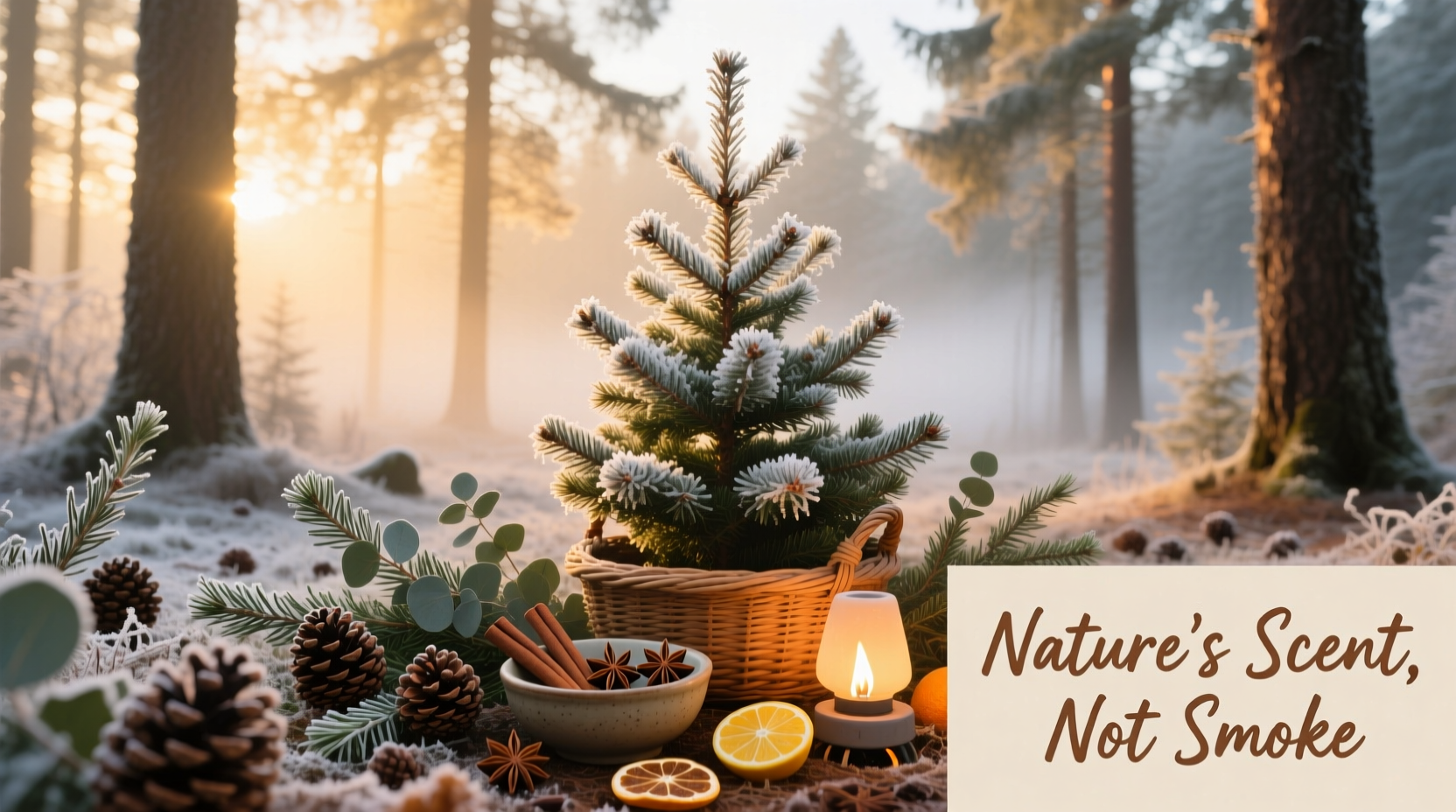
A live Christmas tree emits its strongest fragrance when the sap channels are active and the needles are hydrated. The primary aromatic compounds—alpha-pinene, beta-pinene, and limonene—are volatile organic compounds (VOCs) released as the tree resins warm slightly indoors. However, once cut, the tree begins to dry out. As moisture drops below optimal levels, resin flow slows, and so does the release of these forest-like scents.
Preserving the smell starts with preserving the tree’s condition. A well-hydrated tree doesn’t just look better—it smells stronger and lasts longer. Studies from the National Christmas Tree Association show that trees kept in water lose their scent up to 40% slower than those in dry stands.
But hydration alone isn’t enough. Temperature plays a role too. Heat sources like radiators, fireplaces, and direct sunlight accelerate drying and degrade aromatic compounds. Keeping the tree away from such zones helps maintain both freshness and safety.
Natural Methods to Enhance Forest-Like Aromas
When your tree needs a scent boost, reach for ingredients found in nature—not the chemistry aisle. These methods amplify the existing pine profile or layer complementary woodland notes without introducing synthetic fragrances or combustion risks.
1. Simmer Pots with Fresh Evergreen Trim
A simmer pot is a stovetop method of releasing natural aromas through gentle steaming. Instead of using store-bought potpourri mixes loaded with artificial scents, use fresh evergreen clippings from your tree’s base or local farm.
“The combination of heat and moisture unlocks the essential oils in pine, cedar, and spruce more effectively than sprays or diffusers.” — Dr. Lila Nguyen, Botanical Aromatics Researcher, University of Vermont
Add a few sprigs of balsam fir or Douglas fir to a saucepan with water, orange slices, and a cinnamon stick. Simmer on low heat (never leave unattended), allowing the vapors to circulate. This creates a layered forest-and-citrus bouquet that feels invigorating, not cloying.
2. DIY Evergreen Spray Using Essential Oils
Create a room and tree mist using only water, witch hazel, and pure conifer essential oils. Unlike commercial sprays that coat needles with flammable propellants, this formula hydrates lightly while enhancing scent.
Mix in a glass spray bottle:
- ½ cup distilled water
- 2 tablespoons witch hazel (acts as emulsifier)
- 15 drops pine essential oil
- 10 drops cedarwood essential oil
- 5 drops spruce essential oil
Mist the tree from a distance of 12 inches, focusing on dense branches. Avoid electrical lights or outlets. Reapply every 3–4 days or when the scent fades.
3. Pinecone and Herb Sachets
Place small cloth sachets around the tree stand or tuck them into lower branches. Fill them with dried pinecones, crushed bay leaves, rosemary, and a few drops of fir oil absorbed into baking soda. These breathe slowly, releasing subtle forest notes over weeks.
Step-by-Step: Creating a Forest-Scented Environment Safely
Follow this timeline to maximize natural fragrance from setup to takedown:
- Day 1 – Select & Prepare: Choose a tree with strong natural scent (Fraser fir, Balsam fir, or Scotch pine). Ask the vendor to make a fresh cut before transport.
- Day 1 – Immediate Hydration: Place the tree in a water-filled stand within 4 hours of cutting. Use plain water—no additives needed.
- Day 2 – Air Circulation: Position the tree away from heat vents and direct sun. Open nearby windows briefly each morning to introduce cooler air, which helps preserve resins.
- Day 3 – Add Simmer Pot: Begin daily simmering with evergreen trimmings and citrus. Limit to 2–3 hours at a time for safety.
- Day 5 – Deploy Sachets: Hang 3–4 herb-filled sachets near the trunk. Rotate location weekly.
- Weekly – Light Mist: Apply DIY essential oil spray to mid-level branches. Avoid lights and electrical cords.
- Ongoing – Monitor Moisture: Refill water daily. If the tree drinks less than ¼ cup per day after week two, it may be drying out—remove promptly.
What Not to Do: Common Mistakes That Diminish Scent or Create Risk
Even well-intentioned efforts can backfire. Below is a comparison of effective versus harmful practices:
| Do | Don’t |
|---|---|
| Use fresh-cut evergreen trim in simmer pots | Burn pine branches in fireplaces or wood stoves (releases creosote, toxic fumes) |
| Mist with water and essential oils in glass spray bottles | Use aerosol sprays near tree lights (flammable propellants) |
| Place dried pinecones around the base | Soak pinecones in lamp oil or kerosene (common DIY “fire starter” idea—extremely hazardous) |
| Refresh sachets with plant-based oils | Use plastic “scented” ornaments with embedded chemicals (off-gassing, potential allergens) |
| Keep room temperature below 72°F (22°C) | Place tree near radiators or space heaters (accelerates drying, increases fire risk) |
One of the most persistent myths is that adding sugar, aspirin, or floral preservatives to tree water significantly improves scent or longevity. According to research from the U.S. Department of Agriculture, plain tap water performs just as well—if not better—than treated water in maintaining needle retention and aroma.
Real Example: A Brooklyn Apartment Transformed
In a small Brooklyn apartment with no fireplace and strict building codes against open flames, interior designer Maya Tran wanted her Christmas tree to evoke the Adirondacks where she spent childhood holidays. Her pre-lit artificial tree had no natural scent, and plug-in diffusers felt too medicinal.
She took a hybrid approach: she purchased fresh evergreen garlands from a local farmers’ market and wrapped them around the artificial branches. She filled linen sachets with dried white pine needles, rosemary, and juniper berries, tucking them between layers. Every morning during her coffee routine, she simmered a pot of water with orange peels, cloves, and a sprig of hemlock (non-toxic variety).
Within two days, neighbors commented on the “woodsy” smell in the hallway. Her solution required no electricity beyond the stove, no sprays, and posed zero fire hazard. By combining tactile greenery with slow-release aromatics, she created a multisensory forest illusion—even in a high-rise.
Checklist: Achieving a Safe, Natural Forest Scent
Use this checklist to ensure your tree smells authentic and stays safe throughout the season:
- ☐ Choose a fresh, fragrant tree species (e.g., Balsam or Fraser fir)
- ☐ Make a fresh cut before placing in stand
- ☐ Fill stand with plain water and check levels daily
- ☐ Keep tree away from heat sources and direct sunlight
- ☐ Create a DIY essential oil spray (water + witch hazel + conifer oils)
- ☐ Simmer fresh evergreen trimmings with citrus on stove (supervised only)
- ☐ Prepare 3–4 herb-filled sachets with rosemary, bay, and pinecones
- ☐ Avoid aerosols, chemical sprays, and flammable liquids
- ☐ Replace water and refresh ingredients weekly
- ☐ Remove tree when needles become brittle or water consumption stops
FAQ
Can I use real pine essential oil around pets?
Most conifer essential oils are safe when used in low concentrations and properly diffused. However, cats are particularly sensitive to phenols in some oils. Always ventilate the room well and avoid direct exposure. Consult your vet if you have concerns about specific animals.
Will misting the tree with oil-based spray damage the lights?
Yes, oils can degrade rubber insulation on older light sets and attract dust. Always use water-based mists with minimal oil dispersion (like the witch hazel formula), and never spray directly onto lights or plugs.
How long will the forest scent last naturally?
A well-maintained real tree will retain noticeable fragrance for 3–4 weeks. With supplemental methods like simmer pots and sachets, the ambient forest-like atmosphere can persist the entire holiday season, even after the tree is removed.
Final Thoughts: Reclaiming Nature’s Holiday Signature
The true spirit of the holidays lies not in manufactured perfection but in authenticity—the crackle of paper, the warmth of shared meals, and yes, the unmistakable scent of a forest brought indoors. You don’t need synthetic shortcuts or risky solutions to achieve that feeling. With attention to hydration, careful use of botanicals, and respect for safety, you can fill your home with the honest aroma of pine, earth, and winter air.
This year, skip the chemical sprays and glowing plug-ins. Let your tree breathe naturally. Enhance it thoughtfully. Invite the woods in—not through smoke or solvents, but through the quiet power of plants, steam, and memory.




 浙公网安备
33010002000092号
浙公网安备
33010002000092号 浙B2-20120091-4
Comments
No comments yet. Why don't you start the discussion?