
Cologne is more than a scent—it’s an extension of identity. A well-chosen fragrance can leave a lasting impression, boost confidence, and elevate your presence in any room. Yet one common frustration persists: the scent fades within hours, prompting repeated sprays that risk overwhelming those around you. Over-application doesn’t solve the problem; it creates new ones. The real solution lies not in quantity, but in strategy.
Longevity in fragrance isn't just about the brand or price tag. It's influenced by chemistry, application technique, skin type, and even environmental factors. With the right approach, you can enjoy a consistent, subtle trail of your favorite scent from morning until night—without reapplying more than once. This guide reveals science-backed methods and expert-recommended habits to extend your cologne’s lifespan naturally and elegantly.
Understand Why Cologne Fades
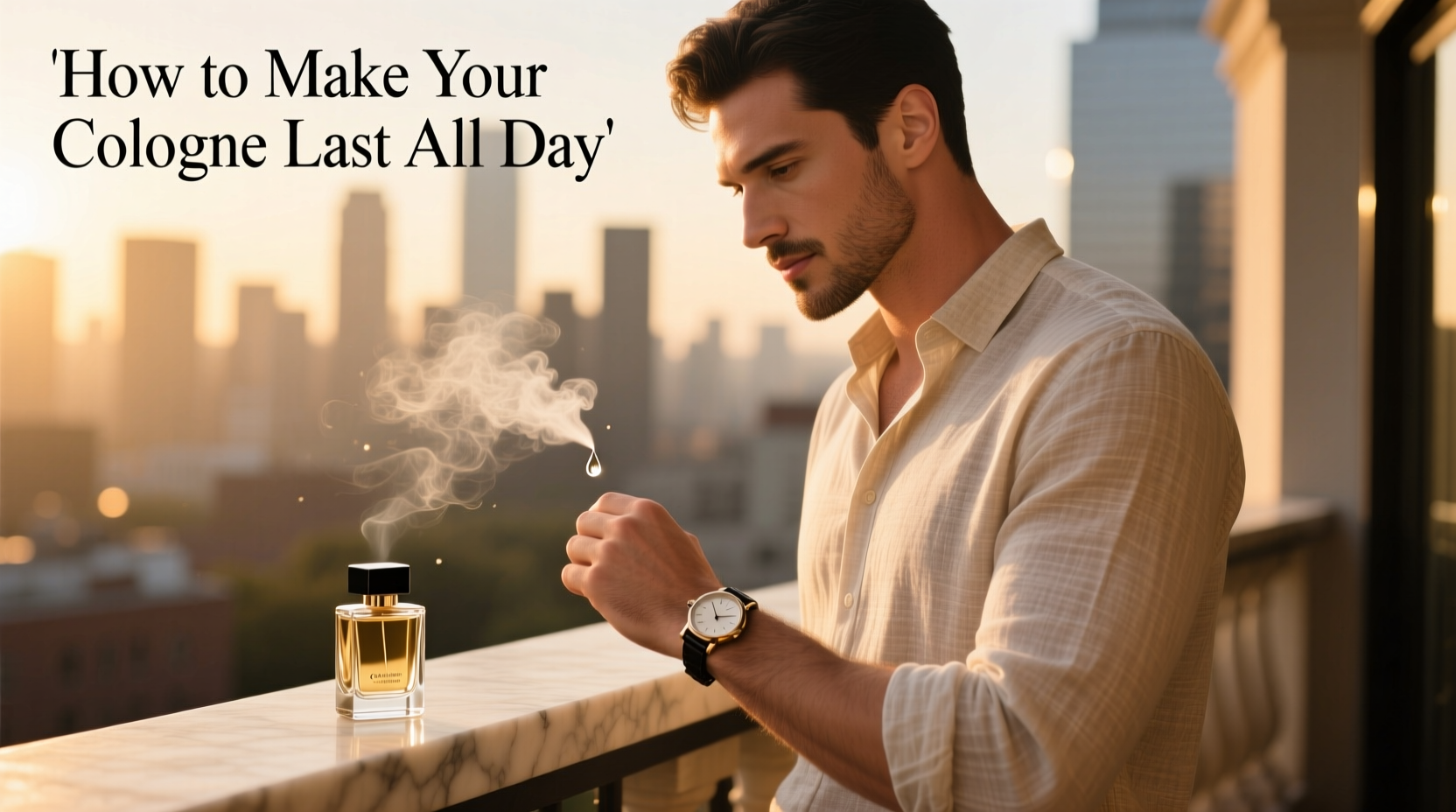
Before improving longevity, it’s essential to understand why fragrances disappear. Perfume molecules evaporate at different rates, categorized into top, middle (heart), and base notes. Top notes are light and volatile, often gone within 15–30 minutes. Heart notes emerge next, lasting a few hours. Base notes—the foundation—are deep and long-lasting, sometimes lingering for 8+ hours.
Fragrance longevity depends on several variables:
- Skin chemistry: Oily skin retains scent longer than dry skin due to natural moisture and lipid content.
- Hydration: Well-moisturized skin acts as a better canvas for fragrance adhesion.
- pH levels: Individual body chemistry alters how ingredients react and evolve on the skin.
- Concentration: Eau de Parfum (15–20% oil) lasts longer than Eau de Toilette (5–15%).
- Environment: Heat accelerates evaporation; humidity can amplify projection.
Ignoring these factors leads to ineffective spraying patterns and wasted product. Instead, treat your cologne like a layered experience—one built on preparation, precision, and patience.
Step-by-Step Guide to All-Day Longevity
Extending your cologne’s wear time isn’t complicated, but it requires consistency. Follow this six-step routine each morning to maximize performance:
- Exfoliate and hydrate: Start with clean, smooth skin. Use a gentle body scrub followed by unscented lotion to create a neutral, moisturized base. Dry skin repels fragrance oils.
- Use matching scented products: Begin with a shower gel, soap, or aftershave balm from the same fragrance line. This builds a “scent layer” that anchors the cologne.
- Target pulse points wisely: Spray on warm areas where blood flow is high—wrists, neck, chest, and behind ears. These spots radiate heat, diffusing the scent gradually.
- Avoid rubbing wrists together: This crushes delicate top notes and breaks down aromatic molecules prematurely.
- Layer strategically: For extra staying power, apply a small amount of unscented petroleum jelly (like Vaseline) to pulse points before spraying. The ointment traps fragrance molecules.
- Reinforce subtly if needed: If fading occurs after 6+ hours, lightly mist the air and walk through it—never spray directly again unless absolutely necessary.
This sequence leverages both physical and chemical principles to prolong scent life. Each step enhances adhesion, slows evaporation, and maintains balance.
Do’s and Don’ts of Fragrance Application
Mistakes in application are often the reason colognes fail to last. Below is a comparison of best practices versus common errors.
| Do’s | Don’ts |
|---|---|
| Apply to moisturized skin | Apply to dry, flaky skin |
| Use matching scent line products (shower gel, balm) | Mix multiple strong fragrances |
| Spray 6–8 inches from skin | Spray too close, causing pooling |
| Store cologne away from sunlight and heat | Leave bottle in bathroom or car dashboard |
| Limit to 2–4 sprays max | Spray 6+ times per use |
| Reapply via fabric (collar, scarf) if needed | Re-spray heavily midday |
Adhering to these guidelines ensures optimal diffusion and prevents olfactory fatigue—where your nose stops detecting the scent, making you think it’s gone when others can still smell it strongly.
Expert Insight: What Professionals Recommend
Fragrance development and performance are deeply studied in perfumery. Experts emphasize formulation compatibility and behavioral habits over sheer volume.
“Most people over-apply because they don’t understand sillage versus longevity. A good fragrance should leave a soft trail, not announce your arrival from two rooms away. Layering with unfragranced moisturizers and using the ‘skin prep’ method can double wear time.” — Laurent Dubois, Master Perfumer & Consultant, Givaudan
Dubois also notes that modern lifestyles—chlorinated showers, synthetic fabrics, and air-conditioned environments—can degrade scent faster than ever. His recommendation? Treat fragrance like skincare: prepare, protect, maintain.
Real Example: From Fade-Out to All-Day Presence
James, a 34-year-old sales executive, struggled with his cologne vanishing by noon. He’d spray four times each morning—twice on the neck, twice on the chest—but coworkers rarely noticed. By afternoon, he’d reapply, only to be told later he smelled “too strong.”
After consulting a fragrance specialist, James changed his routine:
- Switched to an unscented daily moisturizer post-shower.
- Began using a matching pre-shave oil and aftershave balm from his cologne’s line.
- Limited sprays to three: one on the chest, one behind each ear.
- Stopped rubbing his wrists.
- Stored his bottle in a drawer instead of his humid bathroom.
The result? His cologne lasted 9–10 hours consistently. Colleagues commented positively on the “soft, clean scent,” and he received compliments for the first time. More importantly, he used half the amount of cologne per month—saving money and reducing waste.
This case illustrates that small, deliberate changes yield significant improvements in performance and perception.
Maximize Longevity with Smart Storage
Your cologne’s environment plays a crucial role in its shelf life and effectiveness. Exposure to heat, light, and oxygen degrades the volatile compounds responsible for scent integrity.
To preserve your fragrance:
- Keep it cool: Store in a dark cabinet or drawer, ideally between 60–75°F (15–24°C).
- Avoid bathrooms: Humidity and temperature swings from showers accelerate breakdown.
- Minimize air exposure: Keep the cap tightly closed. Consider decanting into smaller, opaque atomizers if using infrequently.
- Never leave in the car: Summer temperatures inside vehicles can exceed 140°F (60°C), altering chemical structure permanently.
Properly stored, an unopened bottle lasts 3–5 years. Once opened, expect 1–3 years depending on formula and care. Older colognes may develop a sour or flat odor—signs of oxidation.
Checklist: How to Make Your Cologne Last All Day
Follow this daily checklist to ensure maximum performance:
- ✅ Shower and exfoliate skin gently
- ✅ Apply unscented body lotion or balm
- ✅ Use matching scented grooming products (if available)
- ✅ Spray cologne on pulse points from 6–8 inches away
- ✅ Avoid rubbing wrists together
- ✅ Limit to 2–4 sprays total
- ✅ Store bottle in a cool, dark place
- ✅ Reapply subtly through fabric if needed (e.g., collar)
Consistency with this routine builds a reliable sensory signature. Over time, you’ll notice fewer complaints about being “too strong” and more positive feedback about your refined presence.
Frequently Asked Questions
Can I make an eau de toilette last as long as parfum?
While eau de toilette has lower oil concentration and typically lasts 3–5 hours, you can extend its performance using layering techniques. Applying a matching scented balm, moisturizing first, and targeting pulse points can push its wear time closer to 6–7 hours—nearly matching lighter parfum applications.
Why does my cologne last longer on clothes than skin?
Fabric fibers absorb and trap fragrance molecules more effectively than skin, especially natural materials like cotton and wool. However, spraying directly on clothing can stain delicate fabrics or alter dyes. Use caution and test on inconspicuous areas first. A safer alternative is to lightly mist the air and walk through it, allowing micro-droplets to settle evenly.
Is it bad to wear the same cologne every day?
Wearing the same scent daily isn’t harmful, but it increases the risk of olfactory adaptation—where you stop noticing it, leading to over-application. To prevent this, rotate between 2–3 complementary fragrances. This keeps your sense of smell sensitive and adds variety to your personal style.
Final Thoughts: Less Is More
True elegance in fragrance isn’t measured by how much you apply, but by how thoughtfully you wear it. A cologne that lasts all day isn’t the result of excessive spraying—it’s the outcome of preparation, precision, and respect for the craft. By understanding your skin, optimizing application, and storing your fragrance properly, you achieve sustained presence without overpowering those around you.
In professional settings, social gatherings, or quiet moments, a well-placed scent speaks volumes. It suggests attention to detail, self-awareness, and confidence. You don’t need to announce yourself with force; let your fragrance linger with intention.




 浙公网安备
33010002000092号
浙公网安备
33010002000092号 浙B2-20120091-4
Comments
No comments yet. Why don't you start the discussion?