
There’s nothing quite like the feeling of pulling fresh, beautifully scented laundry from the dryer—soft, clean, and inviting. For years, fabric softeners have been the go-to solution for adding a lasting fragrance to clothes. But growing awareness about their chemical composition, environmental impact, and potential irritation to sensitive skin has led many to seek alternatives. The good news? You don’t need fabric softener to achieve that luxurious, long-lasting freshness. With smart techniques, natural ingredients, and a few household staples, you can make your laundry smell amazing—naturally.
Why Skip Fabric Softener?
Fabric softeners often contain synthetic fragrances, preservatives like methylisothiazolinone, and quaternary ammonium compounds (quats), which can trigger allergies, irritate skin, and even contribute to respiratory issues. They also leave behind a waxy residue that coats fibers over time, reducing absorbency in towels and athletic wear. Additionally, many conventional softeners aren’t biodegradable, raising concerns about water pollution and ecological harm.
Despite these drawbacks, people continue using them primarily for one reason: scent. But fragrance doesn’t have to come at the cost of health or performance. By understanding how odors develop and what truly refreshes fabrics, you can create a safer, more effective laundry routine.
“Fragrance retention starts with cleanliness. If odors linger, it’s usually because bacteria and moisture remain trapped in fibers—not because you skipped softener.” — Dr. Lena Patel, Textile Scientist & Sustainable Cleaning Consultant
Natural Alternatives That Actually Work
The key to great-smelling laundry lies not in masking odors but in eliminating their sources while enhancing freshness through natural means. Below are proven alternatives to fabric softener that deliver exceptional results.
Vinegar: The Odor Neutralizer
White distilled vinegar is a powerhouse in laundry care. It naturally breaks down detergent residue, softens fabrics, and neutralizes odors without leaving any scent behind. Add ½ cup of vinegar to the rinse cycle—either manually or via the fabric softener dispenser—to help remove lingering smells and improve overall freshness.
Baking Soda: The Freshness Booster
Baking soda lifts odors and balances pH levels in the wash water, helping detergents work more effectively. Add ½ cup directly to the drum before loading clothes. It’s especially useful for workout gear, baby clothes, and towels that tend to hold onto sweat and mildew smells.
Essential Oils: Scented Naturally
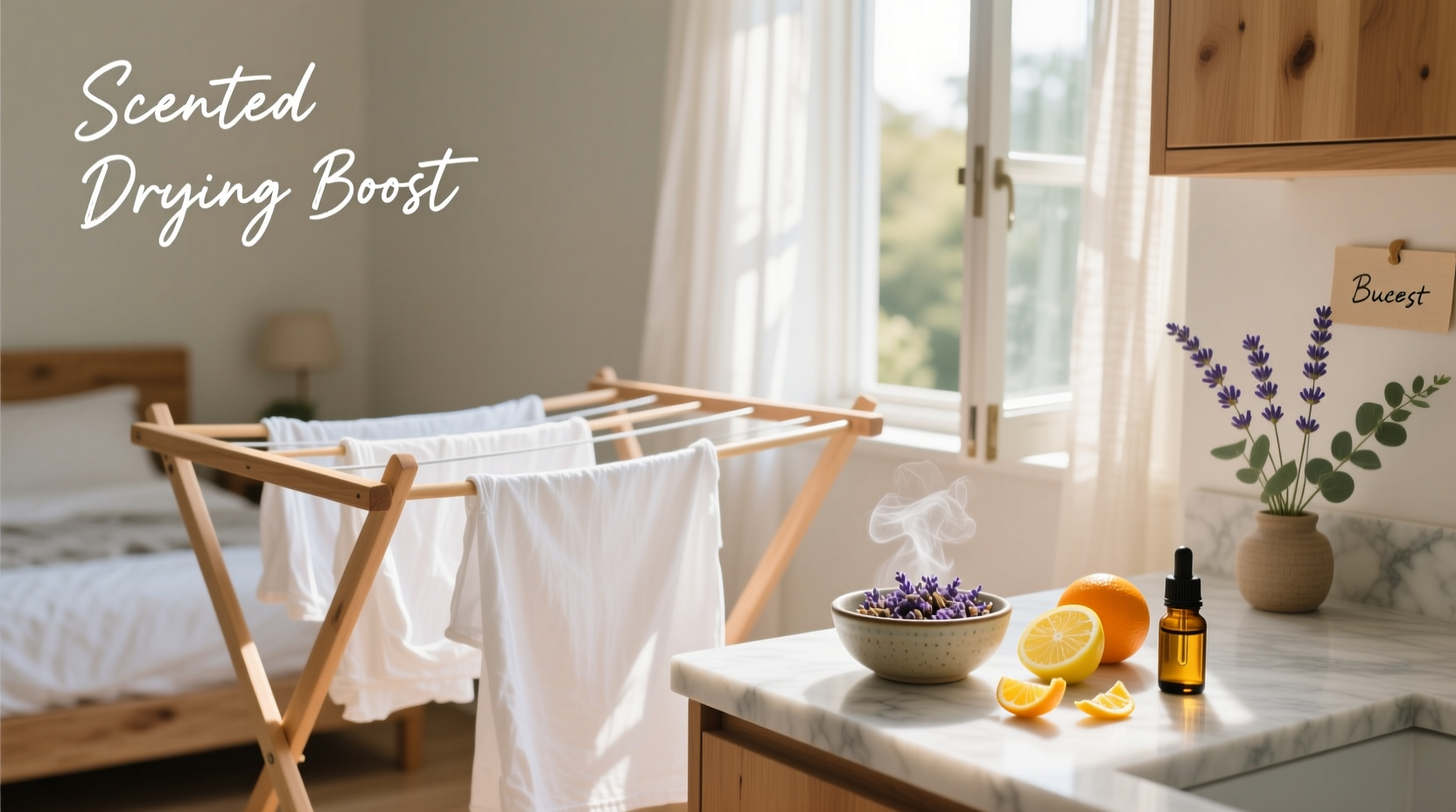
A few drops of high-quality essential oils can infuse your laundry with a subtle, natural fragrance. Lavender, eucalyptus, lemon, tea tree, and peppermint are excellent choices—not just for scent, but for their antibacterial properties too.
To use: Add 5–10 drops to a wool dryer ball, a damp washcloth placed in the dryer, or mix with baking soda for a scented booster. Never pour essential oils directly into the washer or dispenser—they’re too concentrated and may damage machine components.
Wool Dryer Balls: Softening + Scent Carrier
Wool dryer balls reduce drying time, soften fabrics naturally, and minimize static—all without chemicals. To add fragrance, apply 2–3 drops of essential oil per ball before each load. As they tumble, they release a light, consistent aroma into your clothes.
Unlike fabric softener sheets, wool dryer balls are reusable for over 1,000 loads, making them both eco-friendly and cost-effective.
Step-by-Step Guide to Fragrant, Soft Laundry Without Softener
Follow this simple routine to consistently achieve fresh-smelling laundry without relying on traditional fabric softeners.
- Shake Out Clothes Before Washing – Remove dust, lint, and residual moisture that can trap odors.
- Add Baking Soda to the Drum – Pour ½ cup into the empty washer before loading clothes.
- Use Quality Detergent – Choose a plant-based, fragrance-free detergent if you’re sensitive, or one with natural essential oils if you want a light base scent.
- Include Vinegar in the Rinse Cycle – Use ½ cup white vinegar in the dispenser or manually add during rinse.
- Incorporate Essential Oils via Dryer Balls – Apply a few drops to 2–3 wool dryer balls and toss them in the dryer.
- Dry Completely – Ensure clothes are fully dry before storing. Dampness breeds mildew and musty smells.
- Store Clean Laundry Properly – Keep in a dry, ventilated area away from humidity and strong ambient odors.
Common Mistakes That Ruin Freshness
Even with the best intentions, certain habits can sabotage your efforts to keep laundry smelling great. Avoid these common pitfalls:
| Mistake | Why It’s a Problem | Solution |
|---|---|---|
| Overloading the Washer | Prevents proper water circulation and rinsing, leaving odor-causing residues. | Leave space equivalent to two fists between clothes and the top of the drum. |
| Leaving Wet Laundry in the Machine | Creates a breeding ground for mold and mildew within hours. | Transfer clothes immediately after the cycle ends. |
| Using Too Much Detergent | Excess suds trap dirt and bacteria instead of removing them. | Follow label instructions; less is often more. |
| Drying Clothes Partially Then Folding | Trapped moisture leads to sour smells later. | Ensure full dryness—especially in collars, cuffs, and seams. |
| Storing Deteriorating Towels | Old towels retain biofilm and bacteria even after washing. | Replace towels every 1–2 years or when they no longer feel absorbent. |
Real Example: How Sarah Transformed Her Family’s Laundry Routine
Sarah, a mother of three in Portland, Oregon, struggled with persistent musty smells in her children’s sports uniforms despite using heavy-duty detergents and fabric softeners. After her youngest developed eczema flare-ups, she suspected the laundry products were the culprit.
She eliminated fabric softener and began using ½ cup of vinegar in the rinse cycle, along with ¼ cup of baking soda at the start. She added lavender-scented wool dryer balls and made a point to hang damp clothes immediately after washing. Within two weeks, the odors disappeared, towels felt softer, and her child’s skin improved significantly.
“I was shocked,” Sarah said. “I thought I needed more chemicals to fight smells. Turns out, I just needed cleaner cleaning.”
DIY Scented Laundry Boosters
Create your own customizable, non-toxic laundry enhancers using ingredients you likely already have at home.
Citrus & Herb Dryer Sachets
Fill small cotton pouches with dried orange peel, rosemary, and a few drops of essential oil. Toss one into the dryer per load for a refreshing herbal-citrus aroma.
Scented Baking Soda Booster
Mix 1 cup of baking soda with 10–15 drops of your favorite essential oil (e.g., lemon and eucalyptus). Let it sit overnight to absorb the scent, then store in a glass jar. Use 1–2 tablespoons per load as a detergent booster.
Vinegar Infusion for Light Fragrance
While plain vinegar has no lasting smell, you can lightly scent it by steeping citrus peels or lavender sprigs in a bottle of white vinegar for 2–3 weeks. Strain and use ½ cup per rinse cycle. This adds a faint, pleasant background note without compromising vinegar’s deodorizing power.
“The most effective fragrances in laundry are those that complement cleanliness, not overpower it. Subtlety wins every time.” — Marcus Tran, Perfume Chemist & Home Care Formulator
Checklist: Achieve Amazing-Smelling Laundry Without Softener
- ✅ Use white vinegar in the rinse cycle for odor removal
- ✅ Add baking soda at the start of the wash for freshness
- ✅ Switch to wool dryer balls for softening and scent diffusion
- ✅ Apply essential oils to dryer balls—not directly into the machine
- ✅ Wash clothes promptly after wearing, especially sweaty items
- ✅ Dry laundry completely before folding or storing
- ✅ Clean your washing machine monthly to prevent odor buildup
- ✅ Store clean clothes in dry, ventilated spaces
- ✅ Replace old towels and worn-out garments that harbor bacteria
- ✅ Experiment with seasonal essential oil blends for variety
FAQ
Can I use apple cider vinegar instead of white vinegar?
It’s not recommended. Apple cider vinegar has color and sugars that may stain fabrics or leave residues. Stick to clear, distilled white vinegar for best results.
Will essential oils stain my clothes?
When used correctly—applied to dryer balls or diluted in baking soda—essential oils won’t stain. Always avoid applying them directly to fabrics, especially delicate or light-colored materials.
How do I keep my towels soft without fabric softener?
Use vinegar in the rinse cycle, avoid over-deterging, and don’t overload the dryer. Tumble with wool dryer balls to fluff fibers naturally. Line-drying partway then finishing in the dryer also enhances softness.
Final Thoughts
Making your laundry smell amazing without fabric softener isn’t just possible—it’s often better. You gain fresher, cleaner results without the chemical burden, residue buildup, or environmental toll. By focusing on true cleanliness, natural scent infusion, and proper drying practices, you create a system that works with your clothes, not against them.
The shift away from fabric softener isn’t a compromise—it’s an upgrade. Healthier fabrics, safer for sensitive skin, kinder to the planet, and still luxuriously scented. Whether you’re motivated by wellness, sustainability, or simply better results, this approach delivers on all fronts.




 浙公网安备
33010002000092号
浙公网安备
33010002000092号 浙B2-20120091-4
Comments
No comments yet. Why don't you start the discussion?