
Air fresheners are a staple in homes aiming to maintain a clean, inviting atmosphere. However, many commercial products contain synthetic fragrances, phthalates, and volatile organic compounds (VOCs) that can compromise indoor air quality. A safer, more sustainable alternative is to create your own air freshener using essential oils and vinegar. This natural solution neutralizes odors at the source while adding a pleasant aroma without harsh chemicals. With just a few simple ingredients, you can craft a custom-scented spray that’s effective, affordable, and eco-friendly.
The Science Behind Natural Air Freshening
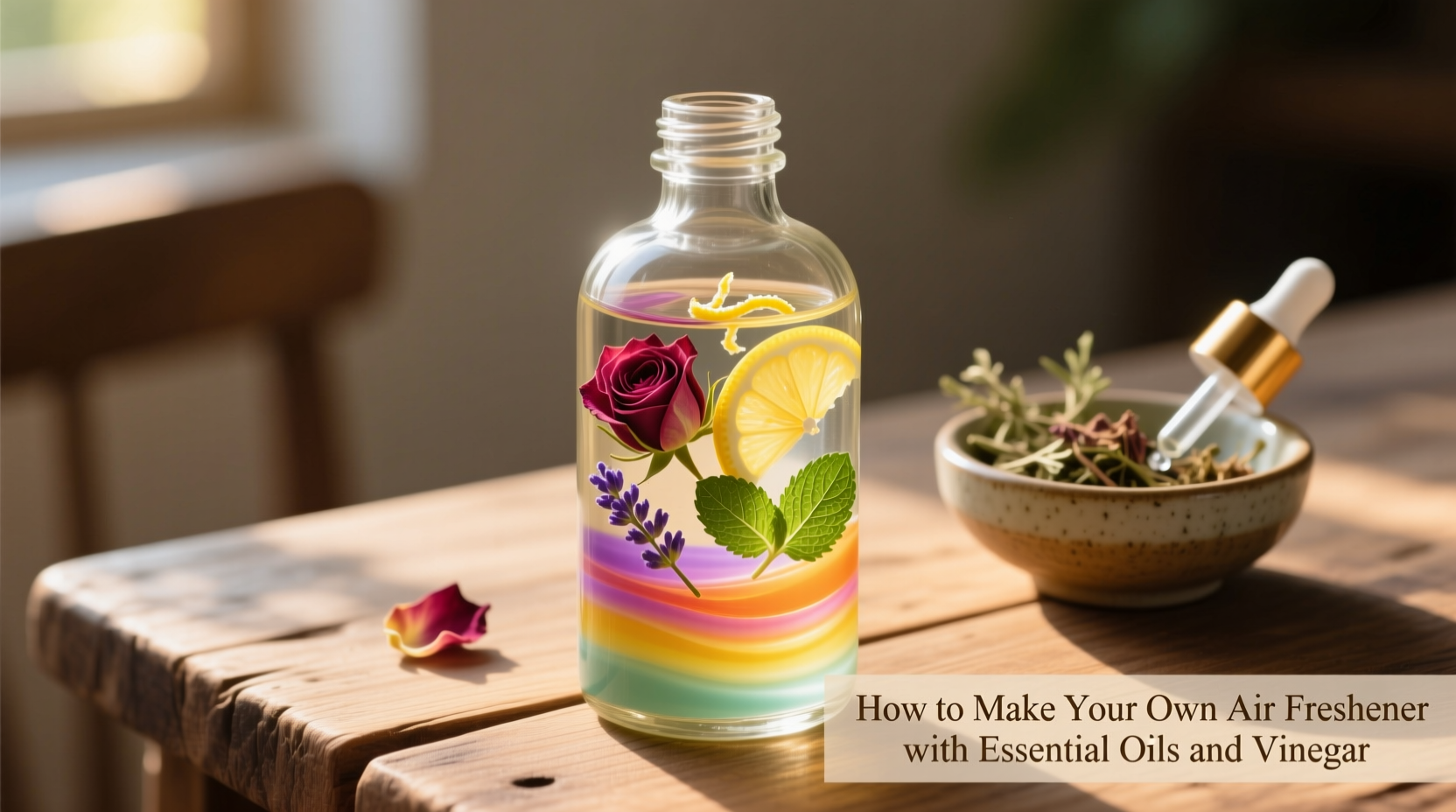
Vinegar and essential oils form a powerful duo when it comes to odor elimination and fragrance diffusion. White vinegar, or acetic acid, has long been used as a natural deodorizer due to its ability to break down alkaline odor molecules like those from pet urine, cooking smells, and mildew. Its strong scent dissipates quickly once it dries, leaving behind no lingering vinegar smell if properly diluted.
Essential oils contribute both aromatic complexity and antimicrobial properties. Oils such as tea tree, eucalyptus, and lavender have been studied for their ability to inhibit airborne bacteria and mold spores. When combined with vinegar, they transform a basic cleaning agent into a multi-functional room spray that refreshes the air and supports a healthier living environment.
“Natural air fresheners made with essential oils offer aromatherapeutic benefits and reduce exposure to endocrine-disrupting chemicals found in synthetic sprays.” — Dr. Lena Patel, Environmental Health Researcher
Benefits of DIY Air Fresheners
- Safety: Free from artificial fragrances, parabens, and propellants common in aerosol sprays.
- Cost-Effectiveness: A single batch costs less than $3 and lasts for weeks.
- Customization: Blend scents to match your mood, season, or room function (e.g., calming blends for bedrooms).
- Eco-Friendliness: Reusable glass bottles reduce plastic waste; ingredients are biodegradable.
- Odor Neutralization: Unlike masking agents, vinegar actively breaks down odor molecules.
Step-by-Step Guide to Making Your Own Air Freshener
Creating a homemade air freshener is simple and requires minimal equipment. Follow this detailed process to ensure optimal performance and longevity.
- Gather Supplies: You’ll need a clean 16-ounce glass spray bottle, distilled water, distilled white vinegar, and high-quality essential oils.
- Rinse the Bottle: Wash the spray bottle with warm, soapy water and let it dry completely to prevent contamination.
- Add Vinegar: Pour 1/4 cup (about 60 ml) of distilled white vinegar into the bottle.
- Add Essential Oils: Add 20–30 drops of essential oil in your preferred blend. For example: 15 drops of lemon, 10 drops of lavender, and 5 drops of peppermint.
- Fill with Water: Top off the bottle with distilled water, leaving about an inch of space at the top to allow for shaking.
- Shake Well: Secure the spray nozzle and shake the bottle vigorously to emulsify the oils with the water and vinegar.
- Label and Store: Label the bottle with contents and date. Store in a cool, dark place when not in use to preserve oil potency.
Before each use, give the bottle a gentle shake to redistribute the essential oils, which naturally separate from water over time.
Recommended Essential Oil Blends by Room Type
Different rooms benefit from tailored scent profiles based on function and foot traffic. Below are tested combinations that enhance ambiance while supporting air quality.
| Room | Recommended Oils | Blend Ratio (Drops) | Benefits |
|---|---|---|---|
| Bathroom | Tea Tree, Eucalyptus, Lemon | 10 + 10 + 10 | Antibacterial, mold-resistant, fresh scent |
| Kitchen | Lemon, Orange, Rosemary | 15 + 10 + 5 | Cuts grease odor, uplifting, antiseptic |
| Bedroom | Lavender, Bergamot, Cedarwood | 12 + 8 + 10 | Promotes relaxation and sleep |
| Living Room | Orange, Clove, Frankincense | 10 + 5 + 15 | Warm, inviting, grounding aroma |
| Home Office | Pine, Peppermint, Lemon | 10 + 8 + 12 | Boosts focus and mental clarity |
Common Mistakes to Avoid
While making a natural air freshener is straightforward, certain errors can diminish effectiveness or damage surfaces. Be mindful of these pitfalls:
- Using tap water: Minerals in tap water can cloud the solution and promote bacterial growth. Always use distilled water.
- Overloading with oils: More than 30 drops per 16 oz can cause residue buildup or overpowering scent. Stick to recommended ratios.
- Not shaking before use: Essential oils float on water—shaking ensures even distribution and consistent fragrance.
- Spraying on wood or stone: Vinegar can etch natural stone and dull waxed wood finishes. Test on a small area first or avoid direct application.
- Storing in sunlight: Heat and light degrade essential oils. Keep the spray in a cupboard or drawer.
Real-Life Example: Reviving a Musty Basement
Jessica, a homeowner in Portland, Oregon, struggled with persistent mustiness in her basement laundry room. Despite frequent cleaning, damp odors lingered, especially during rainy months. Commercial sprays only masked the issue temporarily and irritated her allergies.
She decided to try a DIY solution: a blend of 25 drops of tea tree oil, 15 drops of lemon, and 10 drops of eucalyptus in a vinegar-based spray. She applied it weekly after laundry sessions, misting the air and wiping down surfaces with a diluted version on a microfiber cloth.
Within two weeks, she noticed a significant reduction in odor. After a month, the basement smelled clean and fresh without chemical irritation. “It’s not just about scent,” she said. “I feel better knowing I’m not breathing in toxins while doing laundry.”
Do’s and Don’ts of Natural Air Freshener Use
| Do’s | Don’ts |
|---|---|
| Use high-quality, pure essential oils (look for GC/MS tested brands) | Use fragrance oils—they lack therapeutic properties and may contain synthetics |
| Shake well before each use | Leave the bottle in direct sunlight or hot cars |
| Test on a small surface area before widespread use | Spray directly on delicate fabrics or untreated wood |
| Refresh the blend every 4–6 weeks for maximum potency | Store in plastic containers—essential oils can degrade plastic |
| Dilute further for use around pets or sensitive individuals | Use citrus oils near animals—many are toxic to cats and dogs |
Frequently Asked Questions
Can I use apple cider vinegar instead of white vinegar?
While apple cider vinegar has similar deodorizing properties, it has a stronger, more persistent smell and may leave a slight color residue. Distilled white vinegar is clearer and evaporates more cleanly, making it the preferred choice for air fresheners.
How long does a homemade air freshener last?
When stored properly in a cool, dark place, a vinegar-based spray remains effective for up to six weeks. After that, the essential oils begin to oxidize and lose potency. Mark the preparation date on the bottle to track freshness.
Is it safe to use around pets?
Caution is advised. Vinegar is generally safe, but many essential oils—including tea tree, eucalyptus, citrus, and peppermint—are toxic to cats and dogs when inhaled in concentrated amounts. If you have pets, opt for pet-safe oils like lavender (in low concentrations) and diffuse sparingly. Always consult a veterinarian before regular use in pet-inhabited spaces.
Enhancing Longevity and Scent Throw
To extend the life and strength of your air freshener, consider these advanced tips:
- Add a solubilizer: A few drops of polysorbate 20 or vodka help bind essential oils to water, reducing separation and improving dispersion.
- Layer your scents: Place dried herbs or reed diffusers with the same essential oil blend in the room to create a sustained fragrance environment.
- Mist into the air, not at surfaces: For general freshening, spray upward and let droplets fall naturally. This avoids over-wetting and potential damage.
- Use cold-mist diffusers: Complement your spray by running a portion of the mixture in a water-based diffuser for continuous scent release.
Conclusion: Take Control of Your Indoor Air Quality
Making your own air freshener with essential oils and vinegar is more than a cost-saving hack—it’s a step toward a healthier, more intentional home. By replacing synthetic sprays with a natural alternative, you eliminate exposure to harmful chemicals while gaining full control over scent and ingredients. Whether you're refreshing a bathroom, soothing a bedroom, or eliminating kitchen odors, this simple formula delivers real results without compromise.
The process takes minutes, uses accessible ingredients, and allows for endless personalization. Once you experience the clean, balanced freshness of a homemade spray, store-bought options may never measure up.




 浙公网安备
33010002000092号
浙公网安备
33010002000092号 浙B2-20120091-4
Comments
No comments yet. Why don't you start the discussion?