
Birdwatching is a rewarding pastime that connects people with nature, supports local ecosystems, and brings life to backyards. One of the most accessible ways to attract birds is by setting up a feeder. While store-bought options are available, creating a bird feeder from household items is not only cost-effective but also environmentally responsible. With common materials like plastic bottles, milk cartons, or mason jars, you can build a safe, functional feeder in under an hour. The key lies in doing it correctly—ensuring hygiene, structural stability, and bird safety. This guide walks through the process with practical steps, material comparisons, and expert-backed recommendations to help you build a feeder that benefits both birds and your peace of mind.
Why Build a DIY Bird Feeder?
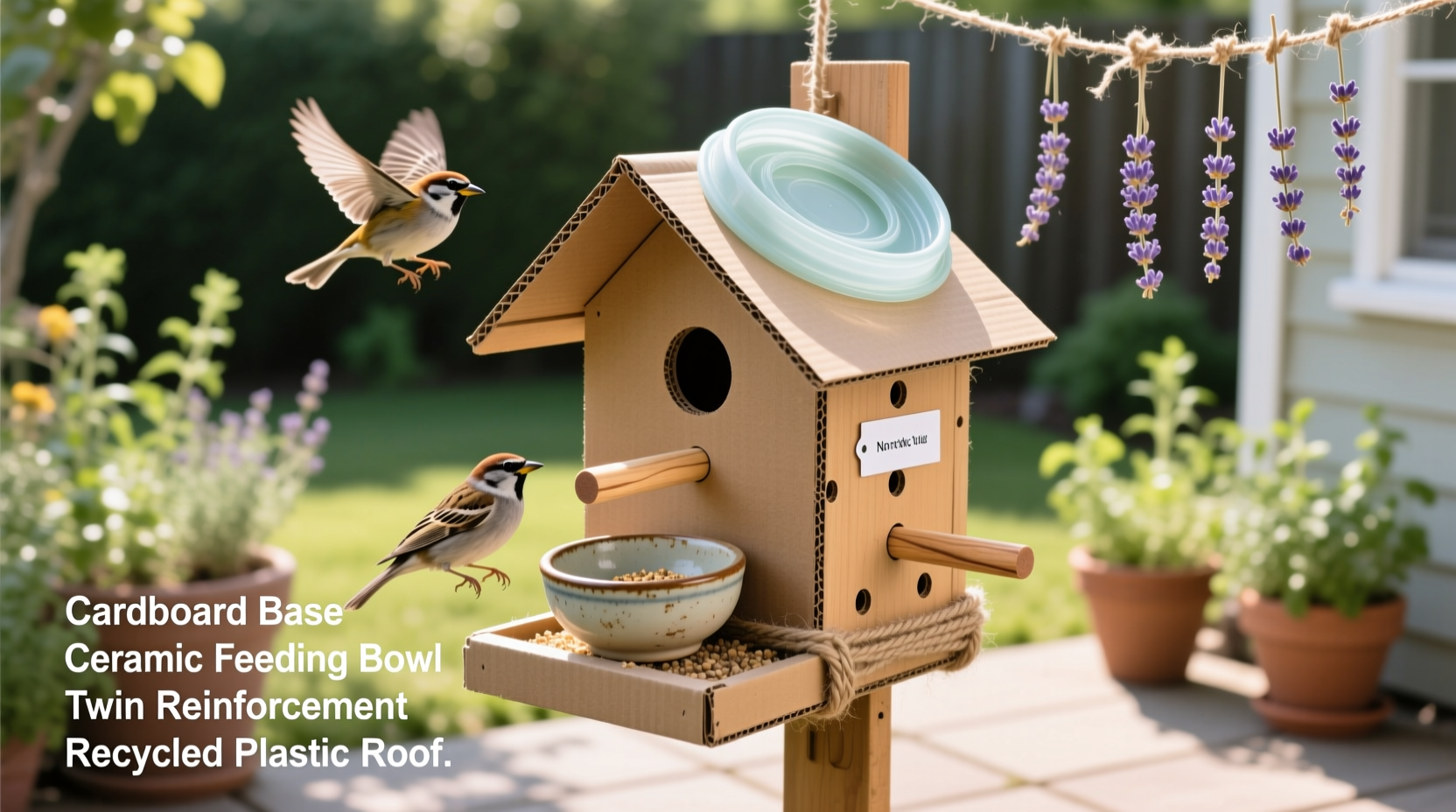
Creating a bird feeder at home offers more than just a fun weekend project. It reduces waste by repurposing containers that might otherwise end up in landfills. Glass jars, plastic bottles, and cardboard tubes can be transformed into functional habitats for birds during colder months when food sources are scarce. Beyond sustainability, DIY feeders allow customization based on the types of birds in your region. You control the size of feeding ports, placement of perches, and seed type, which helps attract specific species while discouraging pests like squirrels or invasive birds.
Additionally, building your own feeder fosters a deeper connection with nature. Observing birds up close encourages mindfulness and environmental awareness, especially for children. However, this responsibility comes with the need for safety—not just for the birds, but also for your household and pets. A poorly constructed or unsanitary feeder can spread disease, attract unwanted animals, or pose choking hazards if parts break off.
Choosing Safe Household Materials
Not all recyclable items are suitable for bird feeders. Some materials degrade quickly, leach chemicals, or create sharp edges over time. The safest options are non-toxic, weather-resistant, and easy to clean. Below is a comparison of common household items and their suitability for bird feeders.
| Material | Safety Rating | Pros | Cons |
|---|---|---|---|
| Plastic soda bottle (PET) | ★★★★☆ | Waterproof, lightweight, widely available | Can degrade in UV light; avoid colored plastics |
| Glass mason jar | ★★★★★ | Durable, chemical-free, easy to sanitize | Heavy; risk of breakage if dropped |
| Milk or juice carton (waxed paper) | ★★☆☆☆ | Easily cut and shaped | Absorbs moisture; degrades quickly outdoors |
| Tin can (aluminum or steel) | ★★★☆☆ | Sturdy, long-lasting | Sharp edges after cutting; may rust |
| Wooden spoon or chopstick (for perches) | ★★★★☆ | Natural, biodegradable, non-slip surface | May splinter if untreated |
When selecting materials, prioritize those that have held food or beverages and are free of strong odors or residue. Avoid containers that once stored motor oil, cleaning chemicals, or paint—even thorough washing may not remove harmful residues. Also, skip glossy or laminated papers, as they often contain synthetic coatings that can contaminate birdseed.
Step-by-Step Guide to Building a Bottle Feeder
One of the most effective and widely used designs is the plastic bottle feeder. It’s wind-resistant, holds a generous amount of seed, and deters rain from soaking the contents. Follow these steps to assemble a safe, durable version using a 1-liter soda bottle.
- Clean the bottle thoroughly. Remove labels and adhesive residue. Wash inside and out with warm, soapy water. Rinse well and air-dry upside down overnight.
- Mark feeding holes. Use a marker to draw two sets of small circles (about 1 inch diameter) opposite each other, 3 inches from the bottom. These will hold the perches and seed ports.
- Drill or melt holes. Using a heated nail or drill bit slightly smaller than a wooden skewer, carefully puncture the marked spots. Work slowly to avoid cracking the plastic.
- Insert perches. Push a wooden dowel or sturdy stick through one side, just below the hole. On the opposite side, insert another perch directly beneath the first. Seed will spill onto the lower perch for birds to access.
- Add drainage. Poke 3–4 small holes in the bottom of the bottle to prevent water accumulation.
- Fill with birdseed. Use black oil sunflower seeds or nyjer for finches. Avoid bread, salted nuts, or sugary foods.
- Seal and hang. Screw the cap back on tightly. Tie a strong cord around the neck or use wire to form a hanger. Hang from a tree branch or hook at least 5 feet off the ground.
Position the feeder away from windows to reduce collision risks—birds can mistake reflections for open space. Ideally, place it near shrubs or trees that offer cover from predators but far enough to prevent cats from ambushing.
“DIY bird feeders are excellent educational tools, but they must be maintained. A dirty feeder is worse than no feeder at all.” — Dr. Laura Bennett, Ornithologist and Wildlife Educator
Safety and Maintenance Best Practices
A homemade feeder is only beneficial if it’s kept clean and secure. Moldy seed, stagnant water, and accumulated droppings can spread diseases such as avian conjunctivitis or salmonella. To protect bird health, follow a regular maintenance schedule.
- Clean the feeder every 7–10 days with a solution of one part white vinegar to nine parts water. Scrub all interior surfaces and rinse thoroughly.
- Inspect for cracks, loose parts, or signs of wear. Replace broken components immediately.
- During humid or rainy seasons, clean more frequently—weekly or even bi-weekly.
- Store extra seed in airtight containers to prevent spoilage and deter rodents.
- Relocate the feeder periodically to prevent ground contamination from seed husks and droppings.
Real Example: A Family’s First Feeder Project
The Thompson family in Portland, Oregon, wanted to engage their two young children in outdoor learning. With limited budget and no prior crafting experience, they chose to make a feeder from a recycled peanut butter jar. They cleaned the glass jar, attached a wooden spoon across the opening as a perch, and filled it with millet and sunflower seeds. After hanging it from a low branch, they observed house finches and chickadees within two days.
However, after a week of heavy rain, they noticed the seed had clumped and grown mold. Realizing the design lacked drainage, they modified it by drilling tiny holes in the lid and elevating the perch slightly. They also began cleaning the jar weekly. Within a month, their observations notebook listed six different species visiting regularly. Their experience highlights how minor adjustments based on real-world feedback improve both functionality and bird safety.
Common Mistakes to Avoid
Even well-intentioned projects can go wrong if critical details are overlooked. Below are frequent errors and how to correct them.
- Using toxic adhesives: Glues or tapes containing solvents can leach into seed. Instead, rely on mechanical fasteners like knots, wire, or friction fits.
- Ignoring ventilation: Sealed containers trap moisture. Always include small drainage or airflow holes.
- Placing feeders too close to the ground: Increases exposure to predators and dampness. Keep at least 4–5 feet above soil level.
- Offering inappropriate food: Bread, chocolate, or salty snacks can be fatal to birds. Stick to species-appropriate seeds and suet.
- Overfilling small feeders: Old seed gets buried and spoils. Only fill what birds can consume in 3–5 days, depending on traffic.
Frequently Asked Questions
Can I use a cardboard tube or toilet paper roll as a feeder?
Yes, but only as a short-term or decorative option. Cardboard absorbs moisture quickly and breaks down in rain. If using one, coat it lightly with food-safe beeswax to extend its life, and place it under a sheltered area. Never leave it out longer than 48 hours.
How do I keep squirrels from raiding my homemade feeder?
Squirrels are agile and persistent. To deter them, hang the feeder on a thin wire between two trees, at least 10 feet from launch points. Alternatively, add a baffle—a dome-shaped guard above or below the feeder. Avoid adding oils or sticky substances, as these can harm birds’ feathers.
Is it safe to paint or decorate the feeder?
Only if you use non-toxic, water-based acrylics labeled safe for children or crafts. Avoid painting the interior or any surface that contacts seed. Let paint cure fully for 48–72 hours before use. Natural finishes like linseed oil (food-grade) are safer alternatives for wood components.
Final Checklist Before Hanging Your Feeder
Before installing your DIY bird feeder, run through this quick verification list to ensure safety and effectiveness:
- ✅ All materials are clean and free of chemical residues
- ✅ No sharp edges or loose parts that could injure birds
- ✅ Drainage holes present to prevent water buildup
- ✅ Perches are stable and positioned to minimize seed spillage
- ✅ Feeder is hung securely, out of reach of pets and predators
- ✅ Appropriate birdseed is used, free of additives or contaminants
- ✅ Cleaning schedule established (every 7–10 days minimum)
Conclusion: Start Small, Think Big
Building a bird feeder from household items is more than a craft—it’s a small act of stewardship. With minimal effort, you create a lifeline for birds during lean seasons and open a window into the rhythms of local wildlife. Safety, simplicity, and consistency are the pillars of success. Choose non-toxic materials, maintain cleanliness, and observe how your design performs over time. Adjust as needed, learn from each season, and share your experiences with neighbors or schools. Every safe feeder contributes to healthier bird populations and a more connected community.




 浙公网安备
33010002000092号
浙公网安备
33010002000092号 浙B2-20120091-4
Comments
No comments yet. Why don't you start the discussion?