
Cuticles often get overlooked in hand care, yet they play a vital role in protecting the nail matrix from bacteria and environmental damage. Dry, cracked cuticles not only look unsightly but can lead to painful hangnails and infections. While store-bought cuticle oils are widely available, many contain synthetic fragrances, preservatives, or alcohol that may do more harm than good over time. Making your own cuticle oil allows you to control the ingredients, tailor the formula to your needs, and enjoy the benefits of natural plant-based nourishment. With just a few high-quality essential oils and carrier bases, you can create a luxurious, effective product at a fraction of the retail cost.
The Science Behind Cuticle Health
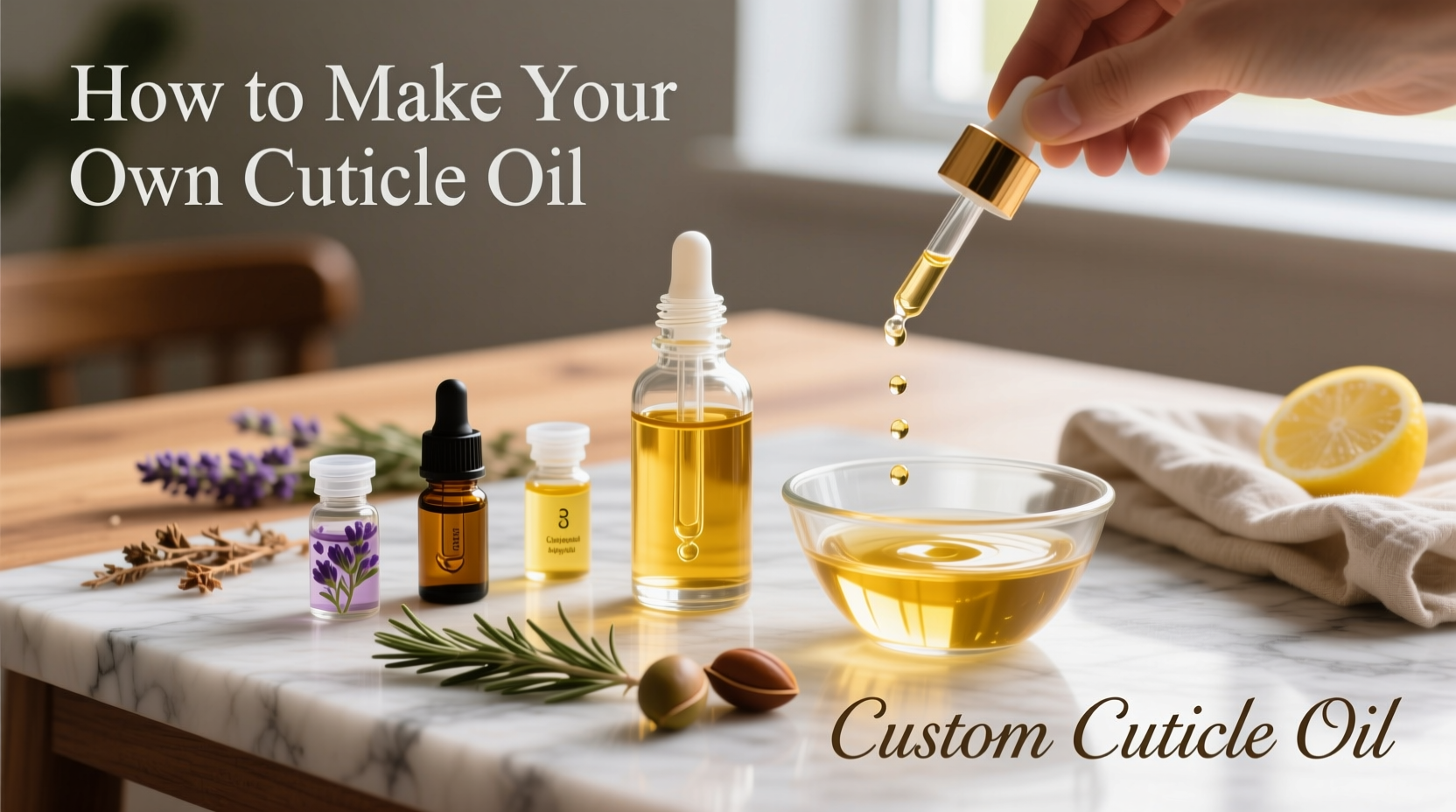
The cuticle is a thin strip of skin at the base of the nail that acts as a protective seal. When it becomes dry or damaged, it can peel, crack, or lift—compromising the nail’s defense system. Healthy cuticles require consistent moisture and nourishment. Unlike water-based lotions, oils penetrate deeply into the skin due to their lipid structure, reinforcing the skin barrier and preventing moisture loss.
Natural oils contain fatty acids like linoleic acid (omega-6) and oleic acid, which support skin regeneration and elasticity. Essential oils add therapeutic properties such as anti-inflammatory, antimicrobial, and circulation-boosting effects. Together, they form a powerful synergy that promotes not only softer cuticles but stronger, shinier nails over time.
“Topical application of nutrient-rich oils improves microcirculation around the nail bed, stimulating growth and reducing brittleness.” — Dr. Lena Patel, Dermatologist & Cosmetic Formulation Specialist
Choosing the Right Carrier Oils
Carrier oils dilute essential oils and serve as the base of your formulation. They deliver active compounds to the skin while providing hydration and structural support. The best carrier oils absorb quickly without leaving a greasy residue and are rich in vitamins A, C, D, and E.
| Carrier Oil | Key Benefits | Absorption Rate | Shelf Life |
|---|---|---|---|
| Jojoba Oil | Mimics skin’s sebum; balances moisture | Fast | 2+ years |
| Sweet Almond Oil | Rich in vitamin E; softens skin | Moderate | 1 year |
| Grapeseed Oil | Lightweight; high in linoleic acid | Fast | 6–12 months |
| Avocado Oil | Deeply moisturizing; ideal for very dry cuticles | Slow | 1 year |
| Argan Oil | Anti-aging; adds shine to nails | Moderate | 1–2 years |
For most formulations, jojoba oil is the top choice because it closely resembles human sebum and won’t clog pores. A blend of two carrier oils—such as jojoba and sweet almond—can offer balanced performance: quick absorption with lasting hydration.
Selecting Effective Essential Oils
Essential oils enhance your cuticle oil with targeted benefits. Because they are highly concentrated, only a few drops are needed per batch. Never apply essential oils directly to the skin without dilution.
- Lavender (Lavandula angustifolia): Soothes inflammation, promotes healing, and has a calming scent.
- Tea Tree (Melaleuca alternifolia): Antimicrobial and antifungal—ideal for preventing nail infections.
- Frankincense (Boswellia carterii): Supports cell regeneration and strengthens fragile cuticles.
- Geranium (Pelargonium graveolens): Balances oil production and improves skin tone.
- Orange or Lemon (Citrus sinensis / Citrus limon): Uplifting aroma; contains antioxidants. Note: Photosensitive—avoid sun exposure after use.
A well-balanced blend might include 2 drops lavender, 1 drop tea tree, and 1 drop frankincense per tablespoon of carrier oil. This combination addresses dryness, prevents infection, and encourages healthy tissue growth.
Step-by-Step Guide to Making Your Own Cuticle Oil
- Gather Supplies: You’ll need a clean 10ml glass dropper bottle (amber or cobalt), funnel, measuring spoon, and labels.
- Choose Your Base: Fill the bottle 90% full with your preferred carrier oil blend (e.g., 2 tsp jojoba + 1 tsp sweet almond).
- Add Essential Oils: Add 4–6 drops total of essential oils. Stick to a 2% dilution: no more than 12 drops per ounce (30ml).
- Seal and Shake: Close the bottle tightly and shake gently to combine.
- Label and Date: Write the contents and date on the bottle. Most homemade oils last 6–12 months.
- Store Properly: Keep in a cool, dark place away from heat and sunlight to preserve potency.
Custom Blends for Specific Needs
Your cuticle oil doesn’t have to be one-size-fits-all. Tailor your recipe based on your goals:
- For Dry, Cracked Cuticles: Use avocado oil as the primary base with 2 drops frankincense and 2 drops geranium. Apply nightly before bed.
- For Nail Strengthening: Combine jojoba oil with 2 drops rosemary and 2 drops lemon. Rosemary stimulates circulation, while lemon brightens nails.
- For Infection Prevention: Mix grapeseed oil with 3 drops tea tree and 1 drop lavender. Use after manicures or if you notice redness.
- For Relaxation & Self-Care: Blend sweet almond oil with 3 drops lavender and 1 drop orange. Ideal for evening routines.
Rotate blends seasonally—lighter oils in summer, richer ones in winter. Listen to your skin’s response and adjust accordingly.
Mini Case Study: Reviving Winter-Damaged Hands
Sophie, a graphic designer from Vermont, struggled every winter with severely dry cuticles that would split and bleed. She used commercial cuticle creams but found them ineffective and greasy. After learning about DIY oil blends, she created a custom mix: 70% jojoba oil, 30% avocado oil, with 2 drops of frankincense and 2 drops of lavender per ounce.
She applied the oil twice daily—morning and night—and wore cotton gloves after evening application to boost absorption. Within three weeks, her cuticles softened significantly. By week six, peeling stopped, and her nails grew stronger. “It’s become part of my self-care ritual,” she says. “Plus, I save money and avoid chemicals.”
Storage and Usage Best Practices
To maximize shelf life and effectiveness, follow these guidelines:
- Always use dark glass bottles to protect oils from UV degradation.
- Keep the bottle tightly sealed when not in use to prevent oxidation.
- Apply oil with a clean fingertip or roller tip—never share applicators.
- Massage gently into each cuticle for 10–15 seconds to stimulate blood flow.
- Use consistently for at least 4 weeks to see visible improvement.
If the oil develops an off smell or changes color, discard it immediately. Rancid oils can irritate skin and reduce efficacy.
Checklist: How to Make and Maintain Your Cuticle Oil
- Choose 1–2 carrier oils based on your skin type and climate.
- Select 2–3 essential oils for desired benefits (moisture, healing, strength).
- Prepare a clean 10ml amber glass bottle with dropper or roller.
- Mix 1 tablespoon carrier oil with 4–6 drops essential oil (max 2% concentration).
- Shake well and label with ingredients and date.
- Store in a cool, dark place; use within 6–12 months.
- Apply daily, ideally after hand washing or before bed.
- Monitor results and adjust formula as needed.
Frequently Asked Questions
Can I use any essential oil for cuticle care?
No. Some essential oils, like cinnamon or oregano, are too harsh and can cause irritation. Stick to skin-safe oils such as lavender, tea tree, frankincense, and citrus (diluted properly). Always research individual oil safety and avoid phototoxic varieties during daytime use.
How often should I apply homemade cuticle oil?
For best results, apply once or twice daily. Many people find it helpful to keep a bottle by their bedside and apply it at night. Frequent hand washers or those exposed to drying agents (like sanitizer) may benefit from reapplying during the day.
Is it safe to use during pregnancy?
Some essential oils are contraindicated during pregnancy. Lavender and frankincense are generally considered safe in low dilutions, but tea tree and citrus oils should be used cautiously. Consult your healthcare provider before using essential oils if pregnant or nursing.
Why Homemade Beats Commercial
Many commercial cuticle oils contain mineral oil—a petroleum derivative that sits on the skin rather than absorbing. While it creates a temporary barrier, it doesn’t nourish. Others include synthetic fragrances that can trigger allergies or endocrine disruption.
In contrast, a homemade version uses whole-plant ingredients that deliver real nutrients. You know exactly what goes into it, and you can adjust the scent and texture to your preference. Plus, making your own supports sustainable habits: less packaging waste, no questionable additives, and full control over sourcing.
Conclusion
Creating your own cuticle oil is a simple, rewarding step toward healthier hands and nails. With just a few natural ingredients, you can craft a personalized treatment that outperforms most store-bought options. Whether you’re combating dryness, supporting nail growth, or simply indulging in daily self-care, this small ritual delivers noticeable results over time. The process empowers you to take charge of what touches your skin and aligns your beauty routine with wellness principles.




 浙公网安备
33010002000092号
浙公网安备
33010002000092号 浙B2-20120091-4
Comments
No comments yet. Why don't you start the discussion?