
Cuticles often receive less attention than they deserve. Yet, these small strips of skin play a crucial role in protecting the nail matrix from bacteria and moisture loss. Dry, cracked cuticles not only look unsightly but can lead to discomfort, hangnails, and even infections. While commercial cuticle oils are widely available, many contain synthetic fragrances, preservatives, or diluted formulas that offer minimal benefit.
Making your own cuticle oil allows you to control every ingredient, ensuring a pure, effective, and personalized formula. By combining nourishing jojoba oil with therapeutic essential oils, you create a powerful blend that strengthens nails, softens cuticles, and promotes healthy growth. This guide walks you through the science, ingredients, step-by-step preparation, and long-term benefits of crafting your own all-natural cuticle oil at home.
Why Jojoba Oil Is the Ideal Base
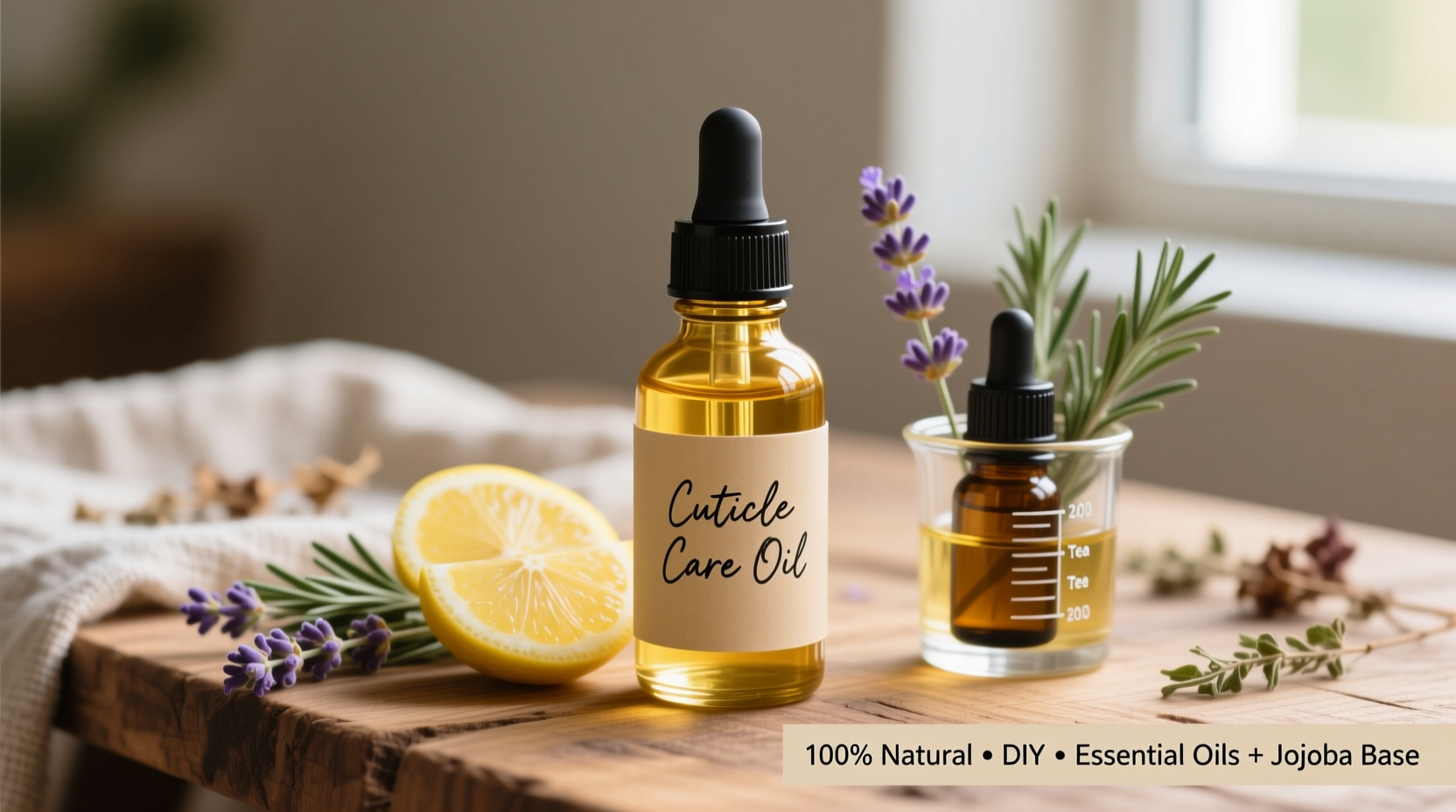
Jojoba oil isn’t technically an oil—it’s a liquid wax ester derived from the seeds of the *Simmondsia chinensis* plant. Its molecular structure closely resembles human sebum, the natural oil produced by our skin. This similarity allows jojoba oil to absorb quickly without clogging pores or leaving a greasy residue.
When applied to cuticles, jojoba oil delivers deep hydration, reduces inflammation, and forms a protective barrier against environmental stressors like cold air and harsh soaps. Unlike other carrier oils, it has a long shelf life—up to two years when stored properly—and doesn’t oxidize easily, making it ideal for DIY beauty products.
Essential Oils That Support Nail and Cuticle Health
While jojoba oil provides the foundation, essential oils add targeted benefits such as antimicrobial protection, improved circulation, and enhanced healing. Not all essential oils are safe for topical use, especially around sensitive skin near the nails, so selection is critical.
The following essential oils have been studied or traditionally used for their positive effects on skin and nail health:
- Lavender (Lavandula angustifolia): Known for its calming scent and anti-inflammatory properties, lavender oil soothes irritated cuticles and supports tissue regeneration.
- Tea Tree (Melaleuca alternifolia): A potent antifungal and antibacterial agent, tea tree oil helps prevent nail infections and treats mild fungal issues.
- Frankincense (Boswellia carterii): Promotes cellular renewal and strengthens the skin barrier, making it excellent for repairing damaged cuticles.
- Myrrh (Commiphora myrrha): Deeply moisturizing and historically used for wound healing, myrrh complements dry or cracked cuticles.
- Orange (Citrus sinensis): Rich in limonene, sweet orange oil boosts circulation and adds a refreshing citrus aroma—but avoid sun exposure after use due to photosensitivity risks.
“Using essential oils in nail care isn’t just about fragrance. Oils like tea tree and lavender have real dermatological benefits when properly diluted.” — Dr. Naomi Patel, Holistic Dermatology Consultant
Step-by-Step Guide to Making Your Own Cuticle Oil
Creating your custom cuticle oil takes less than 10 minutes and requires only a few tools. Once prepared, store it in a dark glass bottle to preserve potency and extend shelf life.
- Gather Supplies: You’ll need a 10 ml amber or cobalt glass dropper bottle (to protect from light), a small funnel, jojoba oil, and 3–5 drops total of your chosen essential oils.
- Sterilize Equipment: Wash the glass bottle and dropper with hot, soapy water. Rinse thoroughly and let air dry completely to prevent contamination.
- Add Essential Oils First: Using the dropper, add 3–5 drops of essential oil(s) into the empty bottle. For balanced results, consider a blend: 2 drops lavender, 2 drops tea tree, 1 drop frankincense.
- Fill with Jojoba Oil: Use the funnel to pour jojoba oil into the bottle, leaving a small space at the top. Secure the cap and shake gently to mix.
- Label and Cure: Label the bottle with ingredients and date. Let it sit for 12–24 hours before first use to allow the oils to harmonize.
- Application: At night or after hand washing, massage 1–2 drops into each cuticle. Use daily for best results.
Recommended Blends for Specific Concerns
Different combinations of essential oils can target specific nail and cuticle conditions. Below are three expert-recommended blends based on common needs:
| Concern | Essential Oil Blend | Benefits |
|---|---|---|
| Dry, Cracked Cuticles | 3 drops frankincense, 2 drops myrrh | Deeply hydrating, promotes skin repair and elasticity |
| Weak or Peeling Nails | 2 drops lavender, 2 drops orange, 1 drop frankincense | Strengthens nail plate, improves blood flow to nail bed |
| Nail Bed Infections or Fungus | 3 drops tea tree, 2 drops lavender | Antimicrobial, reduces redness and prevents bacterial growth |
Always perform a patch test before full application. Apply a small amount to the inner forearm and wait 24 hours to check for irritation or allergic reaction.
Storage and Shelf Life Tips
To maintain the integrity of your homemade cuticle oil, proper storage is essential. Exposure to heat, light, and air degrades both jojoba and essential oils over time.
- Store in a cool, dark place—such as a bathroom cabinet away from the shower or a bedroom drawer.
- Avoid placing the bottle on windowsills or in cars where temperatures fluctuate.
- Use amber or cobalt glass bottles; clear glass or plastic can accelerate oxidation.
- Keep the lid tightly closed when not in use to minimize air exposure.
Well-stored, your cuticle oil should remain effective for up to six months. If you notice a rancid smell, cloudiness, or separation that doesn’t resolve with gentle shaking, discard the product.
Real-Life Example: Sarah’s Journey to Healthier Nails
Sarah, a 34-year-old graphic designer from Portland, struggled with chronically dry cuticles and brittle nails for years. Her hands were frequently exposed to alcohol-based sanitizers and prolonged screen work, which left her cuticles peeling and painful.
After researching natural alternatives, she began making her own cuticle oil using jojoba oil, 2 drops of lavender, and 3 drops of tea tree oil. She applied it twice daily, focusing on massaging each nail for 10 seconds to stimulate circulation.
Within three weeks, Sarah noticed softer cuticles and fewer hangnails. By week six, her nails grew longer without splitting. “I was shocked at how much of a difference this simple routine made,” she said. “Now I keep a bottle at my desk and even gifted small bottles to my coworkers.”
Common Mistakes to Avoid
Even with high-quality ingredients, improper formulation or usage can reduce effectiveness or cause irritation. Be mindful of the following pitfalls:
- Overusing essential oils: More is not better. Never exceed 1% dilution (about 6 drops per ounce of carrier oil). For a 10 ml bottle, stick to 3–5 drops total.
- Using poor-quality oils: Synthetic or adulterated essential oils may lack therapeutic value and increase skin sensitivity. Choose reputable brands that provide GC/MS testing reports.
- Applying too infrequently: Consistency matters. Occasional use won’t yield visible improvements. Daily application builds cumulative benefits.
- Ignoring allergies: Citrus oils, cinnamon, or clove can be sensitizing. Avoid them if you have sensitive skin or known allergies.
“DIY skincare works best when you respect the chemistry behind it. Dilution ratios and ingredient quality are non-negotiable.” — Rachel Kim, Certified Aromatherapist
Frequently Asked Questions
Can I use almond oil instead of jojoba oil?
Yes, sweet almond oil is a good alternative with high vitamin E content and emollient properties. However, it has a shorter shelf life (6–12 months) and may not mimic sebum as closely as jojoba. It’s also not suitable for those with nut allergies.
How often should I apply homemade cuticle oil?
For optimal results, apply once or twice daily—especially after hand washing or before bedtime. Regular use ensures continuous hydration and protection.
Is it safe to use essential oils around children or pregnant women?
Some essential oils are contraindicated during pregnancy or for young children. Tea tree and lavender are generally considered safe when properly diluted, but consult a healthcare provider before use if pregnant, nursing, or applying to children under 6.
Checklist: Make Your Cuticle Oil Successfully
Follow this quick checklist before starting your DIY project:
- ☐ Gather a clean 10 ml dark glass dropper bottle
- ☐ Purchase 100% pure jojoba oil (cold-pressed, unrefined)
- ☐ Select 1–3 skin-safe essential oils based on your needs
- ☐ Ensure total essential oil drops do not exceed 5 for a 10 ml batch
- ☐ Sterilize equipment and allow to dry completely
- ☐ Label the final product with ingredients and date
- ☐ Perform a patch test before regular use
Conclusion: Take Control of Your Nail Health Naturally
Your cuticles deserve more than afterthought care. By making your own cuticle oil with jojoba base and essential oils, you invest in a simple yet transformative habit that supports stronger nails, healthier skin, and greater confidence in your appearance. The process is affordable, customizable, and free from unnecessary chemicals found in many store-bought options.




 浙公网安备
33010002000092号
浙公网安备
33010002000092号 浙B2-20120091-4
Comments
No comments yet. Why don't you start the discussion?