
As winter nights grow longer, many look for creative ways to bring warmth and light to their outdoor spaces. One of the most charming—and sustainable—solutions is building a glowing snowman powered by recycled holiday lights. This project blends seasonal joy with environmental responsibility, transforming old or unused string lights into a radiant centerpiece that can become a yearly tradition.
Not only does repurposing lights reduce electronic waste, but it also allows you to customize a unique decoration without contributing to new plastic consumption. Whether you're crafting with kids, hosting a neighborhood event, or simply adding whimsy to your yard, this guide provides everything you need to create a safe, durable, and dazzling glowing snowman from materials you may already have at home.
Why Use Recycled Lights?
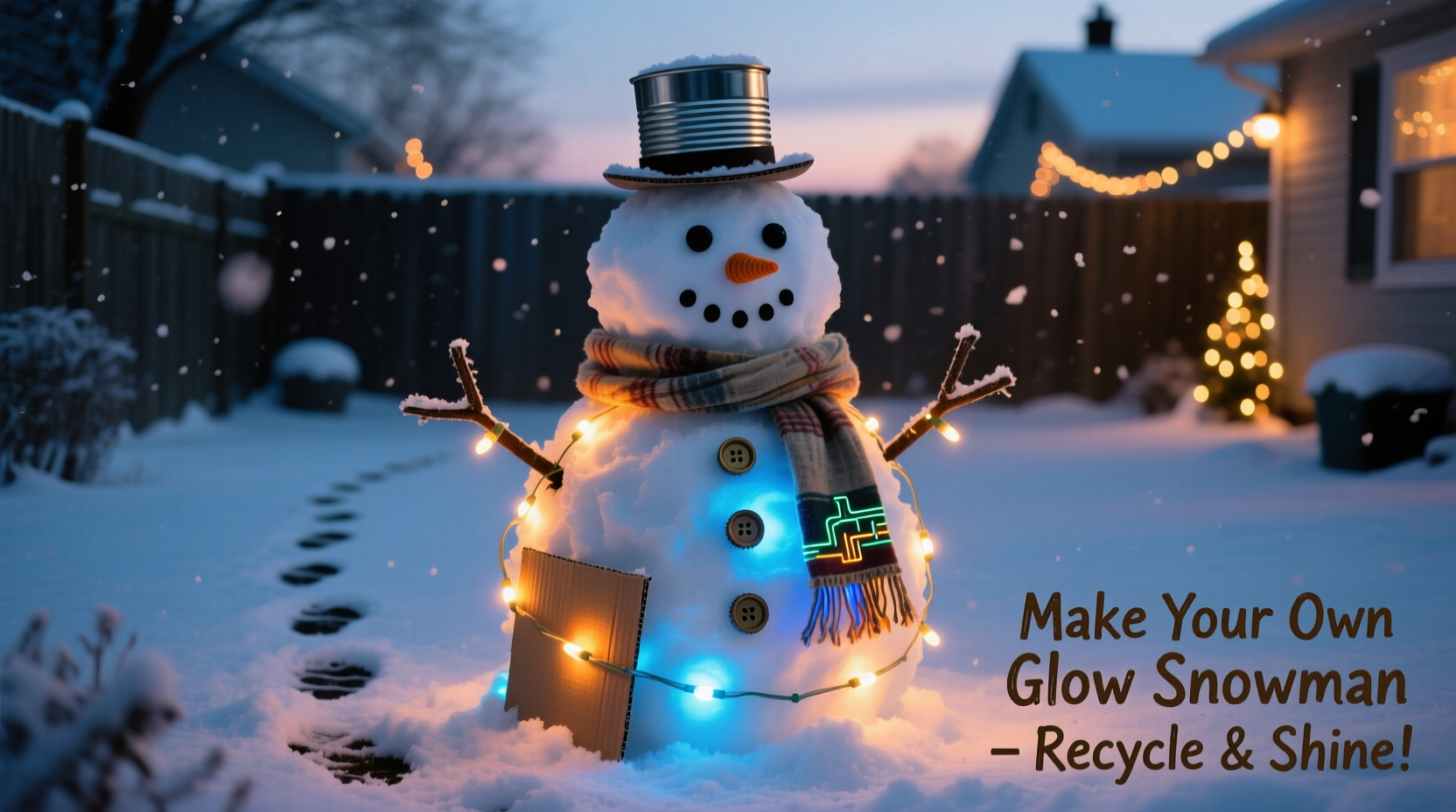
Holiday lights are among the most commonly discarded seasonal items. According to the Environmental Protection Agency, millions of pounds of decorative lighting end up in landfills each year. Most of these lights contain copper wiring, small bulbs, and plastic casings—materials that take decades to decompose and can leach harmful substances when improperly disposed of.
By reusing existing lights, you’re not just saving money—you’re reducing demand for new products and minimizing environmental impact. Even if some bulbs are burned out, entire strands often remain functional enough for low-voltage outdoor displays like a glowing snowman.
“Repurposing electronics isn’t just about sustainability—it’s about creativity meeting conservation.” — Dr. Lena Torres, Sustainable Design Researcher at Green Futures Lab
Materials You’ll Need
The beauty of this project lies in its simplicity and accessibility. Most components can be sourced from around the house, garage, or local recycling center. Here's what to gather:
- Recycled string lights (LED preferred for energy efficiency and safety)
- Inflatable snowman form OR materials to build one (cardboard, foam balls, chicken wire)
- Weatherproof extension cord with GFCI protection
- Duct tape, zip ties, or waterproof glue
- White translucent fabric or tulle (for diffusing light)
- Scissors, gloves, and utility knife
- Outdoor stakes or mounting brackets (to secure structure)
- Battery pack (optional, for cordless setups)
If you don’t have an inflatable base, consider building a frame from stacked foam spheres wrapped in wire mesh. These forms hold shape better than snow in mild climates and allow precise placement of lights.
Step-by-Step Guide to Building Your Glowing Snowman
Follow this detailed sequence to assemble your glowing snowman safely and effectively.
- Prepare the Frame: Assemble your snowman’s body using three foam balls (large, medium, small) or construct a skeleton from chicken wire shaped into spheres. Secure layers with metal rods or wooden dowels inserted vertically.
- Test and Segment Lights: Divide your recycled strands into manageable sections. Cut only between designated cut marks on the wire to avoid short circuits. For non-cuttable sets, use zip ties to bundle excess length neatly behind the form.
- Attach Lights Strategically: Begin wrapping lights around the bottom sphere first, spacing them evenly. Move upward, ensuring consistent coverage. Overlap slightly at connection points to maintain brightness across seams.
- Add Diffusion Layer: Drape white tulle, sheer curtains, or frosted plastic bags over the lit frame. This softens glare and creates a uniform glow, mimicking illuminated snow. Secure edges with hidden clips or pins.
- Install Facial Features: Use darker fabric or cardboard cutouts to form eyes, nose, and mouth. Position them so they contrast against the glowing background. A classic orange carrot nose can be made from painted foam or LED-lit tubing.
- Secure Power Source: Connect all strands to a single weatherproof extension cord rated for outdoor use. Elevate the plug point off the ground using a raised platform or bucket lid to prevent water exposure.
- Anchoring the Structure: Drive metal stakes into the ground and fasten the snowman’s base with strong rope or bungee cords. In windy areas, add sandbags or concrete weights inside the lowest section.
- Final Safety Check: Inspect all connections for fraying, ensure no bare wires are exposed, and confirm the entire setup operates without overheating after 30 minutes of continuous use.
Safety and Efficiency Considerations
While this project is fun and accessible, electrical safety must never be compromised. Outdoor lighting involves risks such as electric shock, fire hazards, and tripping dangers if not handled properly.
| Do | Don’t |
|---|---|
| Use GFCI-protected outlets | Daisy-chain more than three light strands unless designed for it |
| Inspect wires for cracks or brittleness | Leave connections directly on wet ground |
| Keep cords away from foot traffic paths | Use indoor-rated lights outdoors |
| Turn off display during storms or heavy rain | Overload power strips or extension cords |
| Store components dry and coiled after season | Let children handle wiring without supervision |
Energy efficiency matters too. LED lights consume up to 80% less power than traditional incandescent bulbs and generate minimal heat, making them ideal for prolonged outdoor use. If connecting multiple strands, calculate total wattage to ensure it stays within your outlet’s capacity (typically 1,440 watts on a 15-amp circuit).
Real Example: The Maple Street Community Project
In Burlington, Vermont, neighbors on Maple Street transformed their annual holiday dispute—over who had the brightest display—into a collaborative art initiative. After learning about e-waste from a local school presentation, six families pooled broken light strands and built a shared glowing snowman in the central park.
Using recycled milk jugs for insulation, donated tulle from a bridal shop, and solar-powered battery packs, they created a 7-foot-tall illuminated figure named “Lumi.” The project reduced individual energy costs by 60%, sparked a community repair workshop, and even attracted media attention for its eco-conscious approach.
“We used to compete with lights,” said resident Marissa Nguyen. “Now we collaborate. Last year, we collected over 120 feet of discarded string lights from neighbors and gave Lumi rainbow eyes that change with the weather.”
Customization Ideas and Longevity Tips
Your glowing snowman doesn’t have to look like every other. With a few modifications, you can personalize it to reflect your style or values.
- Color Themes: Use colored filters or paint transparent sleeves to create blue, purple, or gold glows.
- Motion Effects: Add a slow-blinking controller or timer to simulate breathing or pulsing light.
- Interactive Elements: Incorporate motion sensors that brighten when someone approaches.
- Seasonal Reuse: Remove facial features and diffusion layer to convert the frame into a spring garden lantern or Halloween ghost.
To extend the life of your display, disassemble carefully at season’s end. Coil lights with cardboard spools or reusable ties, label connectors, and store in airtight bins with silica gel packets to prevent moisture damage.
“Designing for reuse starts with thinking beyond a single season.” — Julian Reed, Circular Economy Advocate
Frequently Asked Questions
Can I use Christmas tree lights that no longer work fully?
Yes, as long as sections still illuminate. Focus on integrating working segments into visible areas and hide dimmer portions under layers. Some LED strands allow individual bulb replacement—check manufacturer instructions.
Is it safe to leave the glowing snowman on overnight?
It can be, provided all components are outdoor-rated, connections are protected, and the system is monitored. Use a programmable timer to limit operation to 6–8 hours per night, reducing wear and energy use.
What if I live in a warm climate with no snow?
No problem. The structure works year-round as a decorative yard sculpture. Swap the snowman theme for a moon, cloud, or abstract orb depending on the season. The core technique remains the same.
Checklist: Build Your Glowing Snowman in 10 Steps
- Collect and test recycled light strands
- Choose or build a stable frame (foam, wire, or inflatable)
- Assemble layered body securely
- Cut or organize lights for even coverage
- Wrap lights tightly and evenly across all sections
- Add translucent diffusion material (tulle, fabric, plastic)
- Create contrasting facial features
- Connect to GFCI-protected outdoor power source
- Anchoring structure against wind and weather
- Perform final safety and brightness check
Conclusion: Light Up the Season Sustainably
Creating a glowing snowman from recycled lights is more than a craft—it’s a statement. It shows that celebration and responsibility can coexist. With minimal investment and thoughtful execution, you can produce a stunning display that warms both hearts and neighborhoods while honoring the planet.
This winter, challenge yourself to innovate rather than consume. Turn what might have been trash into a beacon of creativity and care. Share your design online, host a repair party, or teach the method to local youth groups. Every strand reused is a step toward a lighter footprint and a brighter future.




 浙公网安备
33010002000092号
浙公网安备
33010002000092号 浙B2-20120091-4
Comments
No comments yet. Why don't you start the discussion?