
Cleaning the kitchen doesn’t have to mean reaching for a brightly colored bottle full of unpronounceable chemicals. Many conventional dish soaps contain synthetic fragrances, triclosan, and petroleum-based surfactants that can linger on dishes and leach into waterways. Fortunately, you can create a powerful, biodegradable dish soap using ingredients already in your pantry. This homemade alternative cuts through grease, is gentle on hands, and avoids environmental harm—all without sacrificing performance.
By making your own dish soap, you gain control over what goes into your cleaning products. You’ll also reduce single-use plastic waste and lower long-term household expenses. The process is straightforward, customizable, and requires no special equipment. Whether you’re new to DIY cleaning solutions or looking to refine your formula, this guide walks you through every step—from sourcing safe ingredients to troubleshooting common issues.
Why Make Natural Dish Soap at Home?
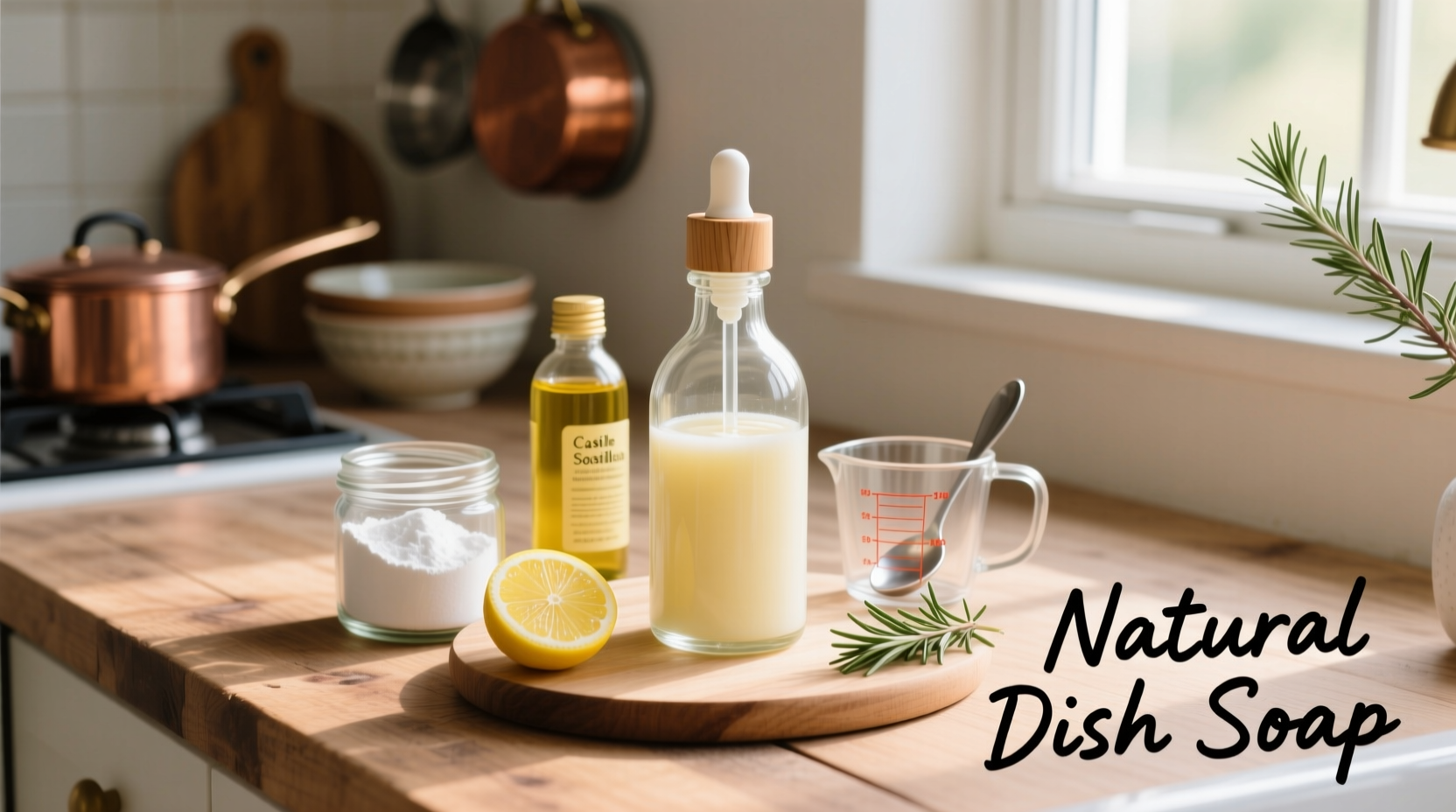
Commercial dish soaps often prioritize suds over sustainability. While bubbles may look impressive, they don’t necessarily correlate with cleaning power. Many store-bought formulas include sodium lauryl sulfate (SLS), methylisothiazolinone, and artificial dyes linked to skin irritation and aquatic toxicity. In contrast, natural alternatives rely on plant-based cleansers and mineral boosters that are safer for families and ecosystems.
Homemade dish soap offers additional benefits:
- Cost-effective: A batch costs just a few cents per ounce compared to premium green brands.
- Customizable: Adjust scent, thickness, and degreasing strength based on your needs.
- Plastic reduction: Use refillable glass bottles instead of disposable plastic containers.
- Allergen control: Avoid preservatives and fragrances that trigger sensitivities.
Transitioning to DIY cleaning products also encourages mindful consumption. Instead of reacting to marketing claims, you engage directly with the materials that maintain your home’s hygiene.
Essential Pantry Ingredients and Their Roles
The effectiveness of natural dish soap depends on balancing cleansing, emulsifying, and degreasing properties. The following ingredients are commonly found in kitchens and serve distinct functions in a homemade formula:
| Ingredient | Purpose | Common Source |
|---|---|---|
| Castile soap | Base cleanser; plant-based, biodegradable, cuts grease | Liquid castile soap (e.g., Dr. Bronner’s) |
| Baking soda | Alkaline booster; lifts stuck-on food and neutralizes odors | Baking aisle |
| White vinegar | Grease cutter and mild disinfectant; balances pH | Pantry staple |
| Lemon juice | Natural degreaser; adds fresh scent and acidity | Fresh or bottled |
| Olive oil or glycerin | Moisturizer; prevents hand dryness from frequent washing | Kitchen or pharmacy |
While each ingredient contributes to cleaning power, it's important to understand their interactions. For example, vinegar and castile soap can form a cloudy precipitate if mixed in high concentrations due to acid-base reactions. To prevent this, dilute both thoroughly in water before combining.
“Natural doesn’t always mean inert. Even plant-based ingredients require proper handling and balanced formulation to be effective and safe.” — Dr. Lena Patel, Environmental Health Scientist
Step-by-Step Guide to Making Natural Dish Soap
Follow this proven method to create a reliable, all-purpose dish soap using only pantry staples. This recipe yields approximately 16 ounces (2 cups) and can be scaled up as needed.
- Gather supplies: A clean glass bottle or jar with a pump or flip-top lid, funnel, measuring cup, and spoon.
- Add 1/2 cup warm distilled water to the bottle. Warm water helps dissolve solids more effectively.
- Mix in 1 tablespoon baking soda and stir until fully dissolved. Baking soda enhances cleaning power but may settle; shake before each use.
- Add 1/2 cup liquid castile soap. Choose unscented or tea tree for antimicrobial properties.
- Incorporate 2 tablespoons white vinegar slowly to minimize fizzing. The mixture will bubble slightly—this is normal.
- Add 1 tablespoon lemon juice for degreasing and freshness. Substitute lime or grapefruit for variation.
- Include 1 teaspoon olive oil or vegetable glycerin to condition hands during washing.
- Fill the rest of the bottle with 1/2 cup cool water to reach the top, leaving slight headspace.
- Close tightly and shake gently to combine. Avoid vigorous shaking to prevent excess foam.
- Label the bottle with contents and date. Let sit for one hour before first use to stabilize.
Store in a cool, dark place away from direct sunlight. The soap should last 2–3 weeks without preservatives. If mold or odor develops, discard immediately.
Troubleshooting Common Issues
Even simple recipes can encounter hiccups. Below are frequent challenges and practical fixes:
- Soap separates after sitting: This is normal due to lack of synthetic stabilizers. Shake well before each use.
- Not enough suds: Suds don’t equal cleaning power. However, if desired, increase castile soap to 3/4 cup—but do not exceed 1 cup to avoid residue.
- Cloudy or grainy texture: Caused by undissolved baking soda or vinegar-castile reaction. Always use warm water for initial mixing and dilute acids before adding.
- Irritation on hands: Reduce castile soap concentration or increase moisturizing oil. Some people react to essential oils—even natural ones.
- Weak grease removal: Pre-rinse heavily soiled dishes with hot water. Add 1/2 teaspoon washing soda (not baking soda) for tough jobs—use sparingly as it’s more alkaline.
For hard water areas, consider replacing tap water with distilled or boiled-and-cooled water to prevent mineral interference with soap performance.
Real Example: How One Family Reduced Plastic Waste
The Rivera family of Portland, Oregon, began making their own cleaning products after learning about microplastic pollution in local rivers. Initially skeptical, they started with dish soap using a version of this recipe. Within a month, they eliminated three plastic bottles from their recycling bin.
“We were surprised how well it worked,” says Maria Rivera, a middle school science teacher. “Our kids didn’t like the ‘earthy’ smell of plain castile soap at first, so we added orange peel infused in the mixture for scent. Now it’s part of our weekly routine—we make a batch every Sunday while prepping meals.”
Over six months, they expanded to laundry detergent and surface cleaners, saving an estimated $200 annually. More importantly, they noticed fewer instances of dry, cracked hands during winter months—likely due to the absence of harsh detergents.
Checklist: Preparing Your First Batch
Before starting, ensure you have everything ready. Use this checklist to streamline the process:
- ☐ Glass container with lid (16 oz minimum)
- ☐ Funnel (optional but helpful)
- ☐ Measuring spoons and cup
- ☐ Liquid castile soap (unscented or preferred variety)
- ☐ Baking soda
- ☐ White vinegar
- ☐ Fresh lemon juice or bottled
- ☐ Olive oil or glycerin
- ☐ Distilled or boiled water
- ☐ Label and marker
- ☐ Stirring utensil
Keep this list taped inside your pantry door for quick reference when restocking.
Frequently Asked Questions
Can I use apple cider vinegar instead of white vinegar?
Yes, but white vinegar is preferred due to its higher acetic acid content (typically 5–6%) and neutral color. Apple cider vinegar may stain light surfaces over time and has a stronger aroma that could clash with other scents.
Is this soap safe for septic systems?
Absolutely. All ingredients—castile soap, vinegar, baking soda, and citrus—are biodegradable and non-toxic to septic bacteria. In fact, they support microbial balance better than chemical-laden commercial brands.
Can I add essential oils for fragrance?
You can, but do so cautiously. Use only 5–10 drops of food-grade essential oil (e.g., lavender, sweet orange, tea tree). Note that some oils, like cinnamon or clove, can irritate skin. Avoid if you have sensitive skin or small children who handle dishes.
Final Thoughts and Call to Action
Making your own natural dish soap isn’t just a trend—it’s a return to thoughtful, intentional living. With a few common ingredients and minimal effort, you can create a cleaner that performs as well as any store-bought product, without compromising health or the planet. Every drop you pour from a homemade bottle represents a small act of resistance against wasteful packaging and hidden toxins.
This recipe is adaptable, forgiving, and easy to personalize. Once you master the basics, experiment with herb infusions, citrus peels, or different oils to match your kitchen’s rhythm. Share your variations with neighbors, post your results online, or teach a friend during a weekend catch-up. Sustainability grows strongest when shared.




 浙公网安备
33010002000092号
浙公网安备
33010002000092号 浙B2-20120091-4
Comments
No comments yet. Why don't you start the discussion?