
In a world saturated with skincare products filled with preservatives, synthetic fragrances, and unpronounceable chemicals, many are turning back to nature for gentler, more transparent solutions. One of the most effective yet underrated steps in a skincare routine is facial toning — not as a harsh alcohol-laden wipe, but as a soothing, pH-balancing treatment that preps the skin for hydration. The good news? You don’t need a specialty store or a dermatologist’s prescription. With just a few common ingredients already in your pantry, you can create a custom, all-natural face toner tailored to your skin type.
Homemade toners harness the power of plants, acids, and antioxidants found in everyday items like apple cider vinegar, green tea, rose water, and citrus. When prepared correctly, they can tighten pores, reduce excess oil, calm inflammation, and even out skin tone — all without irritating chemicals. This guide walks you through the science, benefits, and practical steps to craft your own toner safely and effectively.
Why Switch to a Natural DIY Face Toner?
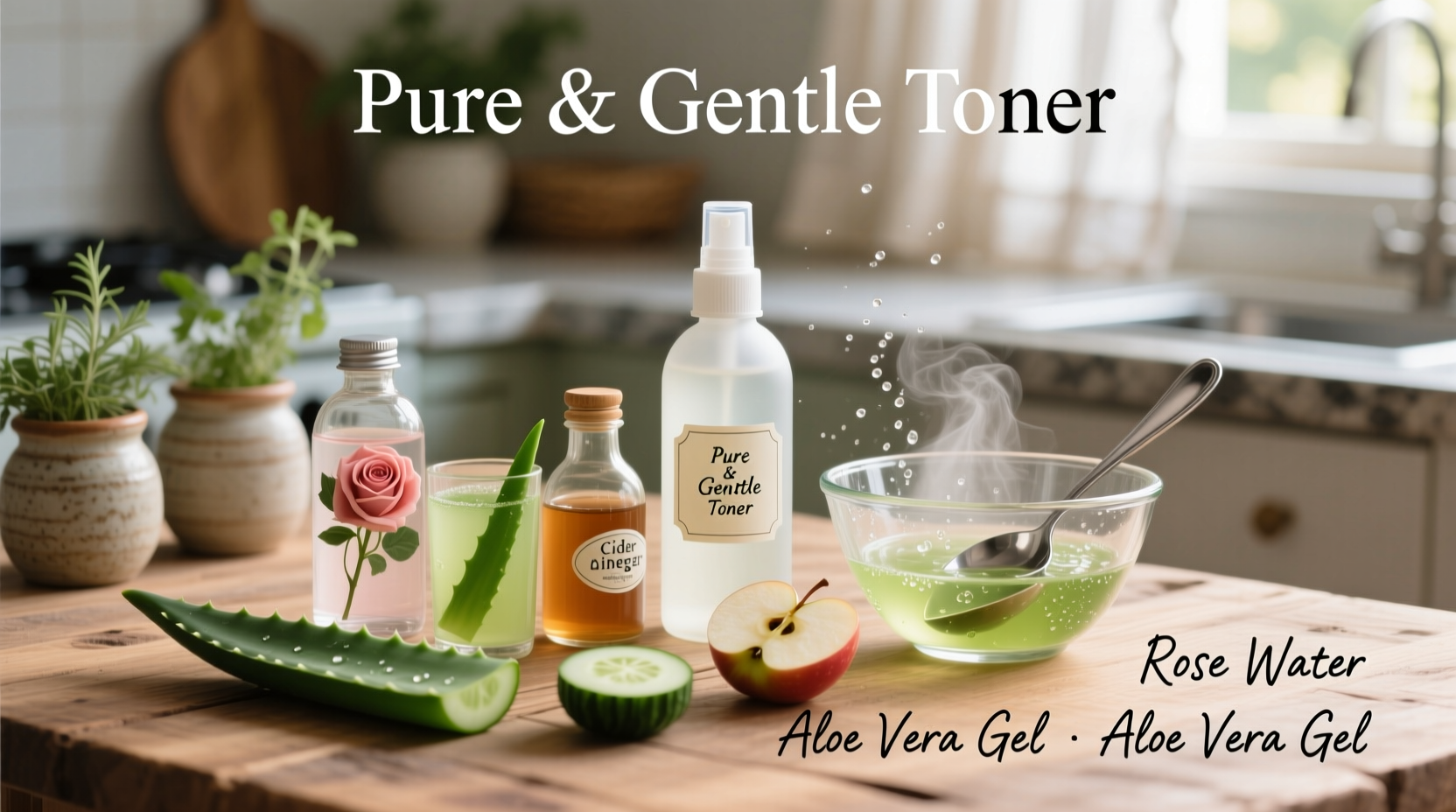
Commercial toners often contain alcohol, parabens, and artificial dyes that may strip the skin of its natural oils or trigger sensitivity. In contrast, homemade toners use whole-food ingredients that offer real skincare benefits:
- Balances pH: After cleansing, your skin’s pH can rise, making it vulnerable. Toners help restore the slightly acidic mantle (around pH 5.5), which strengthens the skin barrier.
- Gentle exfoliation: Ingredients like apple cider vinegar and witch hazel contain mild acids that dissolve dead skin cells without over-drying.
- Anti-inflammatory properties: Green tea, chamomile, and aloe vera soothe redness and irritation, ideal for sensitive or acne-prone skin.
- Cost-effective: A single bottle of store-bought toner can cost $15–30. Your kitchen-based version costs pennies per batch.
- No hidden ingredients: You know exactly what goes on your skin — no mystery “fragrance” or undisclosed preservatives.
Key Kitchen Ingredients and Their Skin Benefits
The beauty of DIY skincare lies in customization. Below is a breakdown of common household ingredients, their active compounds, and ideal skin types.
| Ingredient | Skin Benefits | Best For | Cautions |
|---|---|---|---|
| Apple Cider Vinegar (raw, unfiltered) | Contains acetic acid for gentle exfoliation; balances pH; antibacterial | Oily, acne-prone skin | Must be diluted (1:3 ratio); avoid if you have rosacea or broken skin |
| Rose Water | Hydrating, anti-inflammatory, mildly astringent; rich in antioxidants | All skin types, especially dry or sensitive | Ensure it’s pure — no added alcohol or fragrance |
| Green Tea (cooled brew) | Packed with EGCG, an antioxidant that reduces redness and fights acne | Inflamed, oily, or aging skin | Use within 3 days; store in fridge |
| Aloe Vera Gel (fresh or pure) | Soothing, healing, moisturizing; contains polysaccharides that support skin repair | Sensitive, sunburned, or irritated skin | Avoid gels with added colors or thickeners |
| Lemon Juice (freshly squeezed) | High in citric acid; brightens dark spots and evens tone | Dull, uneven skin | Never use undiluted; increases sun sensitivity — always apply SPF after |
| Honey (raw, preferably Manuka) | Natural humectant; antibacterial; promotes wound healing | Dry, acne-prone, or healing skin | Can be sticky; dilute in liquid toners |
“Natural doesn’t always mean safe. Even plant-based ingredients can cause irritation if misused. Dilution and consistency matter.” — Dr. Lena Patel, Integrative Dermatologist
Step-by-Step Guide to Making Your Own Toner
Creating a personalized toner is simple, but precision ensures safety and effectiveness. Follow this timeline to prepare, customize, and store your product properly.
- Choose your base liquid (1 cup): Start with a neutral, hydrating liquid like distilled water, rose water, or cooled green tea. This forms the foundation of your toner.
- Select active ingredients: Pick 1–2 actives based on your skin goals. For example:
- Oily/acne-prone: 2 tbsp apple cider vinegar + 1 tsp tea tree oil
- Dry/sensitive: 3 tbsp aloe vera juice + 1 tbsp honey
- Dull/uneven tone: 2 tbsp green tea + 1 tsp lemon juice (diluted)
- Mix in a clean glass bottle: Use a sterilized amber or cobalt glass spray bottle to protect light-sensitive ingredients. Combine all components and shake gently.
- Label and date: Write the contents and preparation date on the bottle. Most homemade toners last 1–2 weeks refrigerated.
- Test and apply: Apply with a cotton pad or spritz directly onto clean skin. Use once daily at first, then increase to twice daily if tolerated.
- Store properly: Keep in the refrigerator to extend shelf life and add a cooling effect upon application.
Real-Life Example: Sarah’s Journey to Clearer Skin
Sarah, a 28-year-old teacher from Portland, struggled with hormonal breakouts and redness around her jawline. She had tried several commercial toners, but many left her skin tight and flaky. After reading about apple cider vinegar toners, she decided to try a DIY version.
She started with a basic recipe: 1 part raw apple cider vinegar to 3 parts cooled green tea, stored in a glass spray bottle. She applied it every evening after cleansing, followed by a lightweight moisturizer. Within two weeks, she noticed fewer breakouts and less oiliness by midday. After a month, her skin appeared more even, and the persistent red patches began fading.
“I was skeptical at first,” Sarah said, “but my skin has never felt more balanced. I even shared the recipe with my sister, who has rosacea — she uses half the vinegar and adds aloe, and it works wonders.”
This case highlights the importance of customization and patience. What works for one person may need adjustment for another — especially when dealing with conditions like rosacea, eczema, or severe acne.
Do’s and Don’ts of Homemade Toners
To ensure safety and effectiveness, follow these guidelines:
| Do’s | Don’ts |
|---|---|
| Always dilute strong ingredients like vinegar or lemon juice | Use undiluted citrus juice directly on skin |
| Use distilled or boiled (then cooled) water to prevent bacterial growth | Use tap water without boiling — it may contain microbes |
| Store in the fridge and use within 7–14 days | Leave toner at room temperature for more than a few days |
| Shake well before each use (ingredients may separate) | Apply with dirty hands or reused cotton pads |
| Introduce one new ingredient at a time to monitor reactions | Mix too many actives at once (e.g., lemon + vinegar + alcohol) |
Frequently Asked Questions
Can I use tap water instead of distilled water?
It’s not recommended. Tap water may contain chlorine, minerals, or microorganisms that could irritate your skin or spoil the toner faster. If you don’t have distilled water, boil tap water for 5 minutes, let it cool completely, and use it immediately.
How often should I use a homemade toner?
Start once daily, preferably at night, to see how your skin reacts. If there’s no irritation, you can increase to twice daily. Sensitive skin types may prefer using it every other day or only at night.
Will lemon juice make my skin more sun-sensitive?
Yes. Citrus juices contain photosensitizing compounds that can increase your risk of sunburn and hyperpigmentation. Never go into direct sunlight within 12 hours of applying a toner with lemon juice. Always wear broad-spectrum SPF 30+ during the day.
Essential Checklist for Safe & Effective DIY Toners
Before you begin, run through this checklist to ensure a successful, irritation-free experience:
- ✅ Use only fresh, organic ingredients when possible
- ✅ Sterilize bottles and tools with boiling water or rubbing alcohol
- ✅ Patch test on a small area before full-face application
- ✅ Label your toner with ingredients and date made
- ✅ Store in the refrigerator and discard after 14 days
- ✅ Avoid using on broken, sunburned, or highly inflamed skin
- ✅ Pair with a moisturizer — natural toners prep the skin but don’t replace hydration
Conclusion: Take Control of Your Skincare Naturally
Making your own natural face toner isn’t just a trend — it’s a return to mindful, intentional skincare. By using ingredients you can trust, you eliminate exposure to unnecessary additives while tailoring treatments to your unique complexion. Whether you’re battling oil, dryness, or dullness, the kitchen offers powerful allies backed by both tradition and science.
The process is simple, affordable, and deeply satisfying. Once you experience the glow of skin treated with care — not chemicals — you may find yourself questioning why you ever relied on opaque labels and inflated prices. Start small, listen to your skin, and refine your formula over time. Your face will thank you.




 浙公网安备
33010002000092号
浙公网安备
33010002000092号 浙B2-20120091-4
Comments
No comments yet. Why don't you start the discussion?